The decentralized finance and digital asset landscape has grown exponentially over the past several years, shifting from a niche technological experiment into a globally recognized financial ecosystem. At the center of this evolution are non-custodial cryptocurrency wallets, which serve as the primary gateways for users to interact with decentralized applications (dApps), non-fungible tokens (NFTs), and alternative financial instruments. Among the myriad options available to modern digital asset participants, Phantom Wallet has emerged as a premier interface, initially capturing the market’
s attention as the gold standard for the Solana blockchain before expanding its utility into a robust multichain ecosystem. Designed with a sleek, user-friendly interface that mimics the polish of traditional Web2 financial applications, Phantom bridges the historical gap between complex blockchain mechanics and seamless consumer adoption. This comprehensive guide explores the foundational architecture, step-by-step setup procedures, advanced security protocols, native staking mechanisms, multichain functionalities, and broader market implications of utilizing Phantom Wallet in the modern Web3 era.
Background Context and Evolution of Phantom Wallet
Launched in early 2021, Phantom entered the market during a pivotal growth phase for high-throughput layer-1 blockchains. While Ethereum dominated early decentralized finance, high gas fees and network congestion created an acute demand for alternative ecosystems capable of supporting rapid, low-cost transactions. Solana emerged as a leading contender in this space, promising thousands of transactions per second at fractions of a cent. However, Solana lacked a native, comprehensive wallet solution that could gracefully handle both native tokens and complex digital collectibles like NFTs. Recognizing this critical infrastructure gap, the developers behind Phantom engineered a specialized extension designed specifically to maximize Solana’s performance capabilities while shielding users from underlying technical friction.
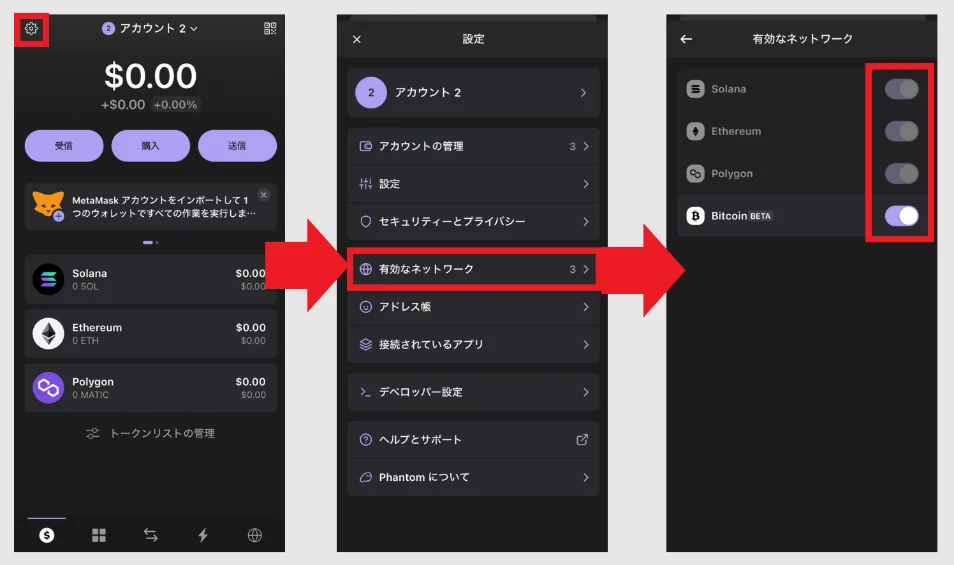
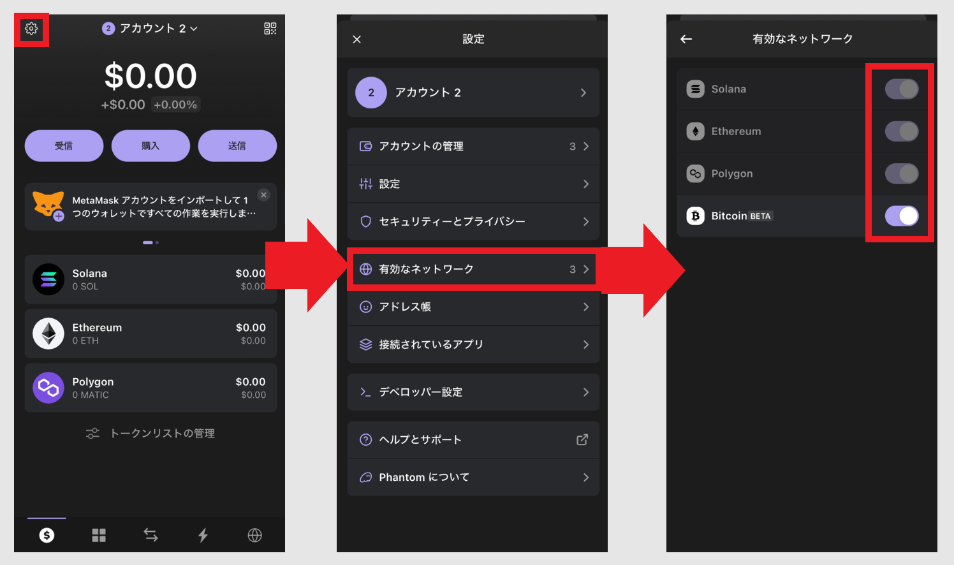
Over the subsequent years, Phantom evolved far beyond its original scope as a single-chain Solana utility. As the multichain thesis gained momentum across the broader cryptocurrency industry, Phantom strategically expanded its engineering roadmap to incorporate compatibility with Ethereum, Polygon, and Bitcoin networks. This transformation turned Phantom into a universal Web3 dashboard, allowing users to manage diverse portfolios across disparate blockchains within a single, unified interface. Industry analysts frequently cite Phantom’s rapid multi-chain expansion as a masterclass in user experience design, noting that its ability to abstract away the complexities of cross-chain bridging has significantly lowered the barrier to entry for mainstream market participants.
Initial Setup and Account Creation Process
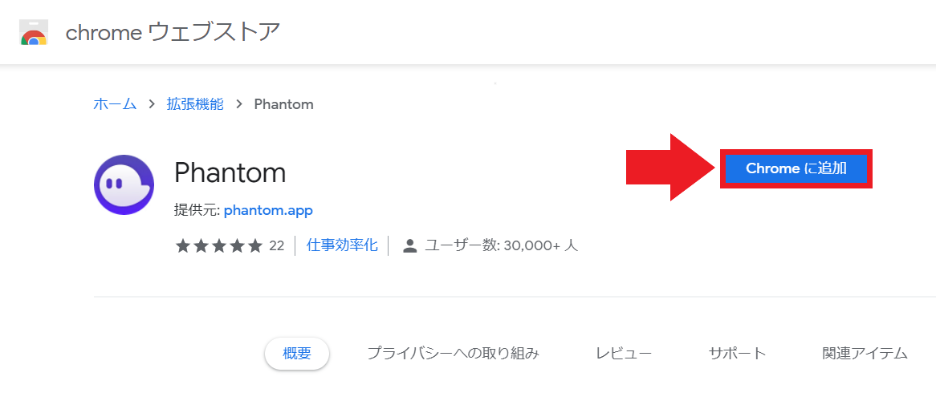
Getting started with Phantom Wallet begins with installing the official browser extension or mobile application. Supported across major web browsers such as Google Chrome, Brave, Firefox, and Microsoft Edge, as well as iOS and Android mobile operating systems, the installation process requires users to navigate to the verified official Phantom website or trusted application stores to prevent phishing vulnerabilities.
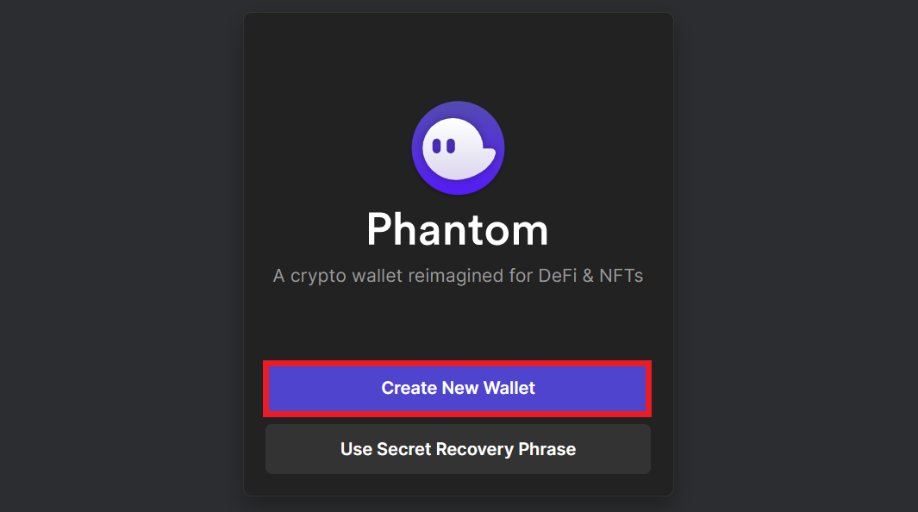
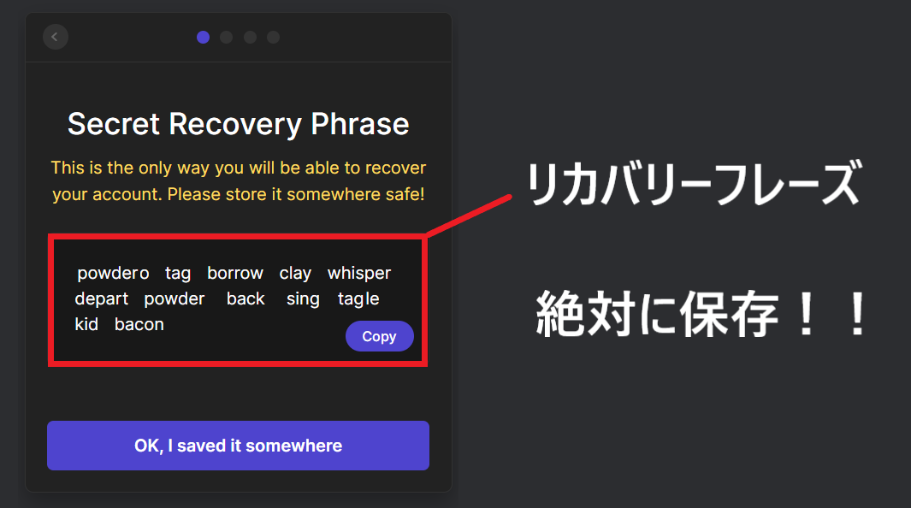
Upon launching the application or browser extension for the first time, users are presented with two primary options: creating a new wallet or importing an existing one via a secret recovery phrase. For new users, selecting "Create New Wallet" initiates the foundational security setup. The system immediately generates a unique 12-word or 24-word secret recovery phrase—often referred to as a mnemonic phrase. This sequence of words represents the cryptographic master key to the wallet, granting absolute ownership and control over all assets contained within it.
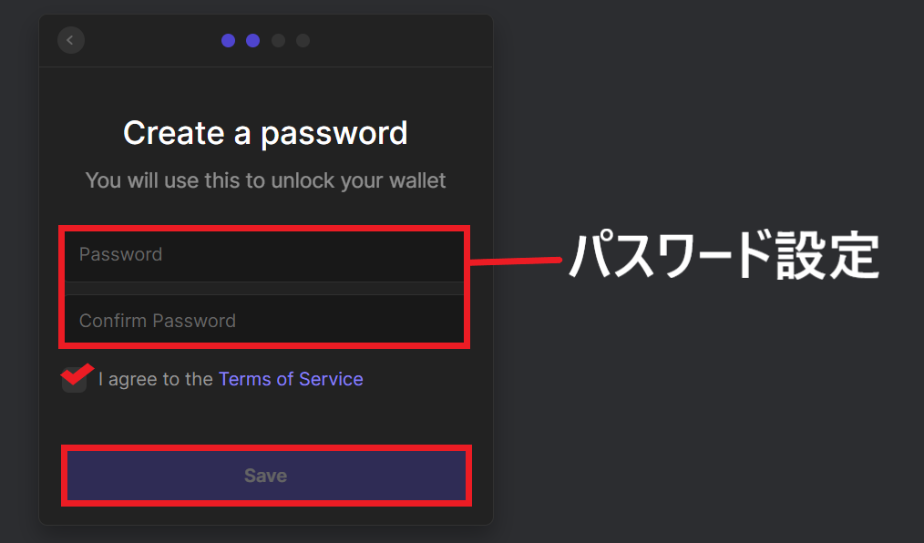
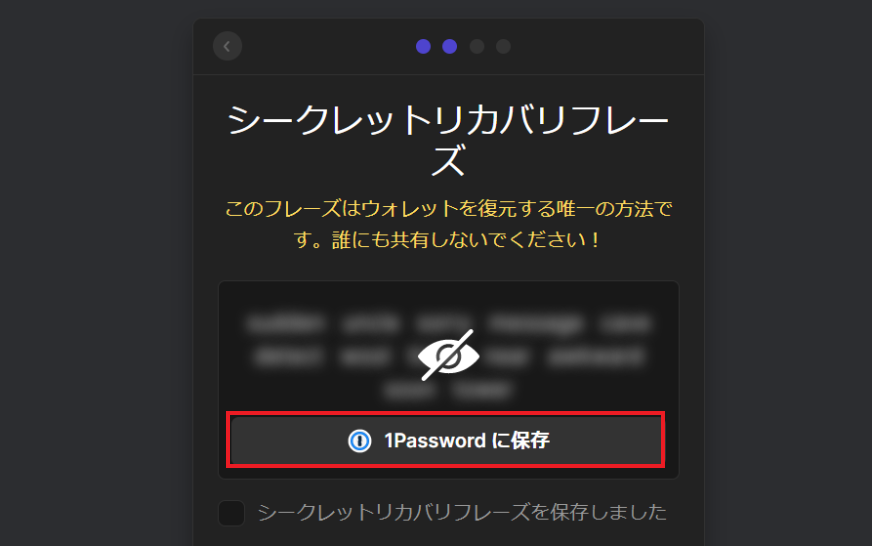
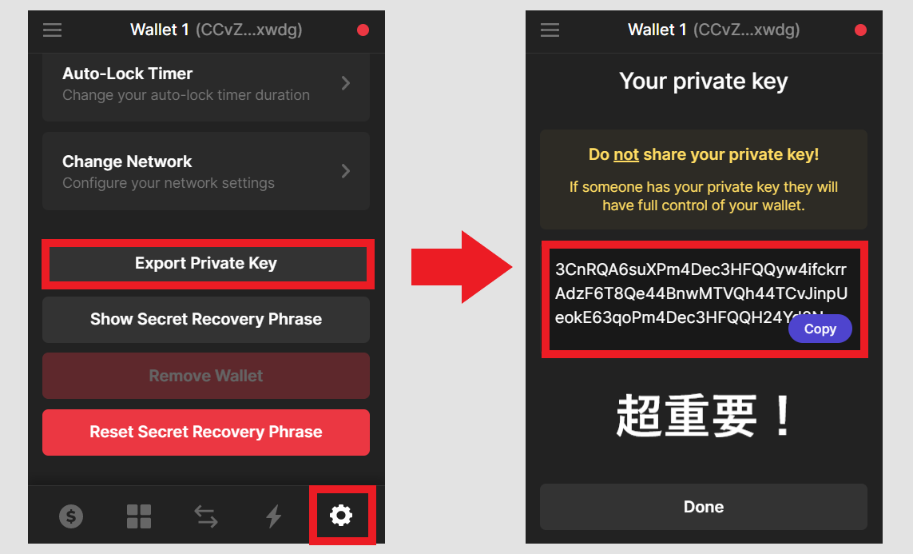
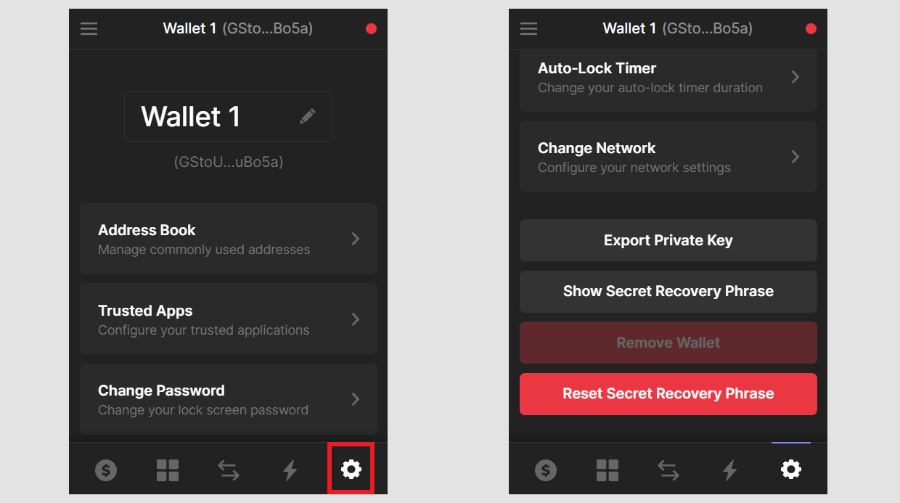
Security protocols during this phase are paramount. Users are strongly advised to manually write down the secret recovery phrase on physical paper and store it in a secure, offline location, such as a fireproof safe or a safety deposit box. Digital storage methods, including screenshots, cloud notes, or unencrypted text files, expose the wallet to potential remote compromises. After confirming the correct sequence of the recovery phrase, users establish a strong alphanumeric password to lock the local device extension. For advanced security, Phantom integrates smoothly with hardware-based password managers like 1Password and fully supports leading hardware wallet devices such as Ledger, establishing a robust defense-in-depth posture against unauthorized access.
Managing Assets: Receiving, Sending, and Staking SOL
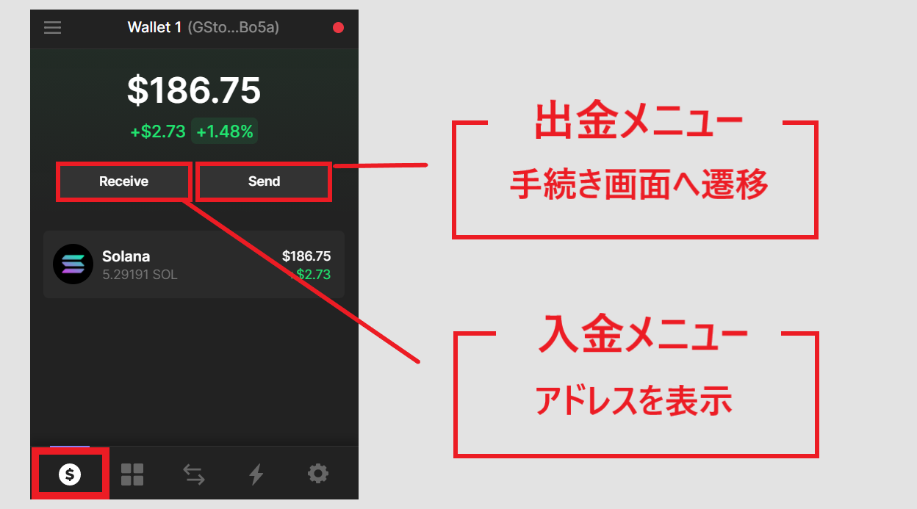
Once the wallet is successfully established and secured, users can begin funding and managing their digital asset portfolios. Phantom’s dashboard organizes asset management into clear, intuitive categories, separating native tokens, stablecoins, NFTs, and collectibles into dedicated tabs.
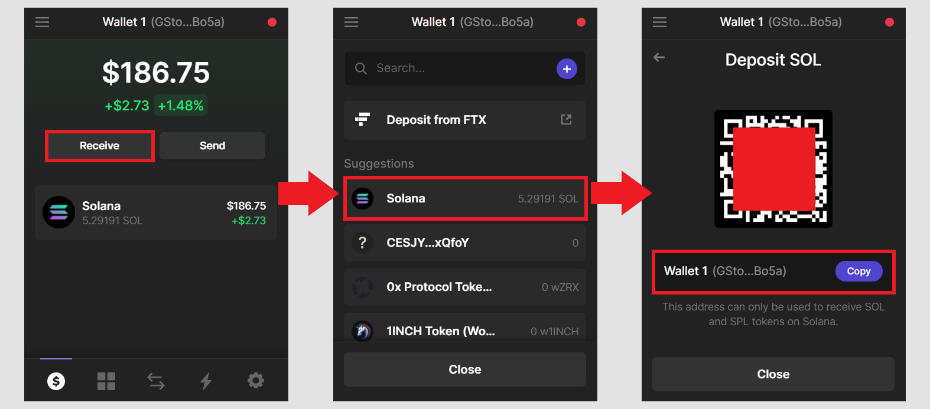
Receiving funds into Phantom is a straightforward procedure. By selecting the "Receive" option, the wallet displays a unique public address alongside a scannable QR code. Users can copy this address or share the QR code with senders on the corresponding blockchain network. It is vital to note that while Phantom supports multiple blockchains, users must ensure that the sending network matches the receiving asset’s network. For instance, transferring USD Tether (USDT) on the Solana network requires sending it to a Solana-compatible address, whereas transferring USDT over Ethereum requires an Ethereum-compatible address framework. Phantom provides clear warnings and network selection prompts to mitigate the risk of cross-chain asset loss.
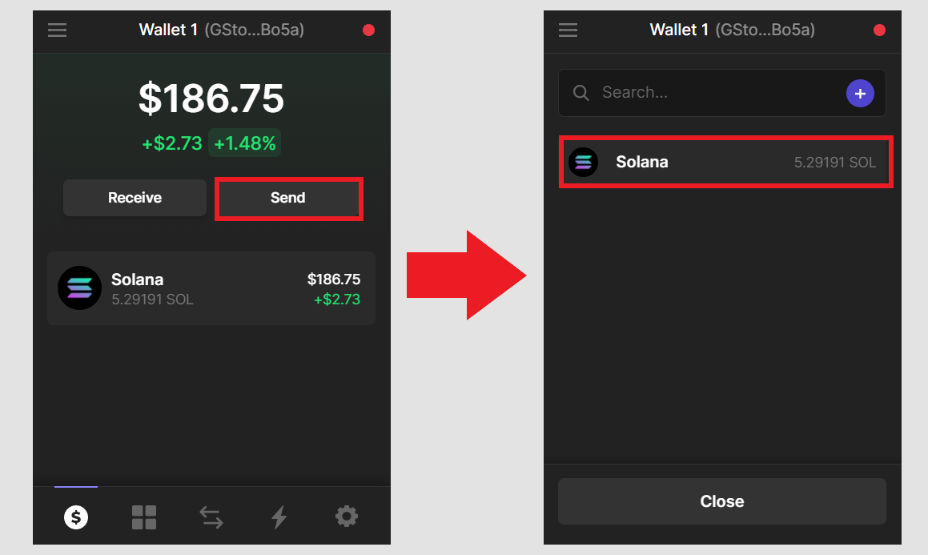
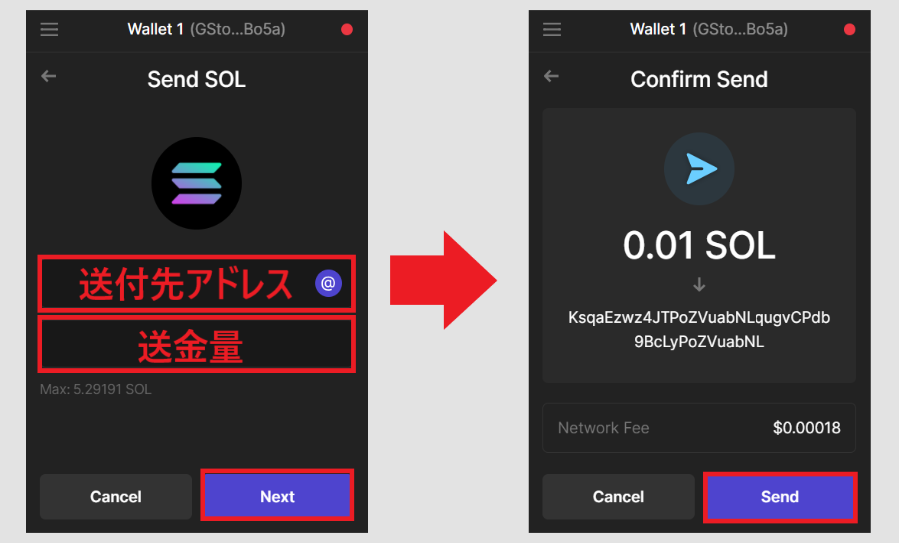
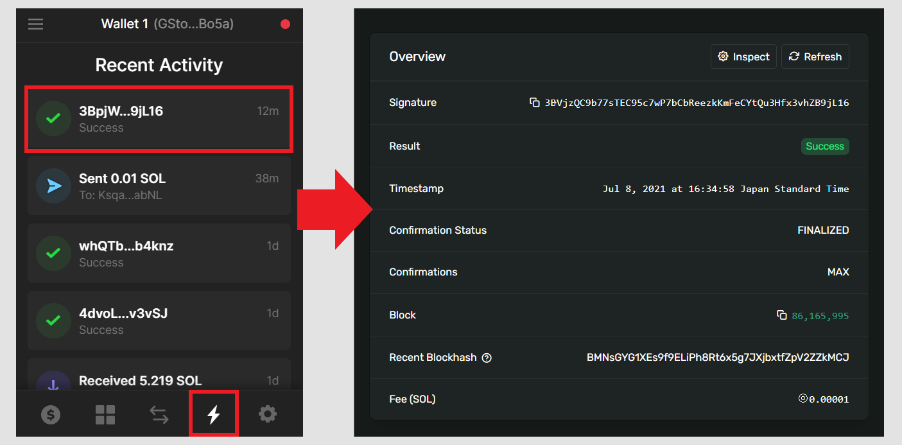
Sending assets operates on a similarly streamlined workflow. Users select the "Send" button, paste the recipient’s destination address, input the desired transfer amount, and review the estimated network fees. Solana transactions typically settle in a fraction of a second with negligible costs, contrasting sharply with historical congestion fees on legacy networks.
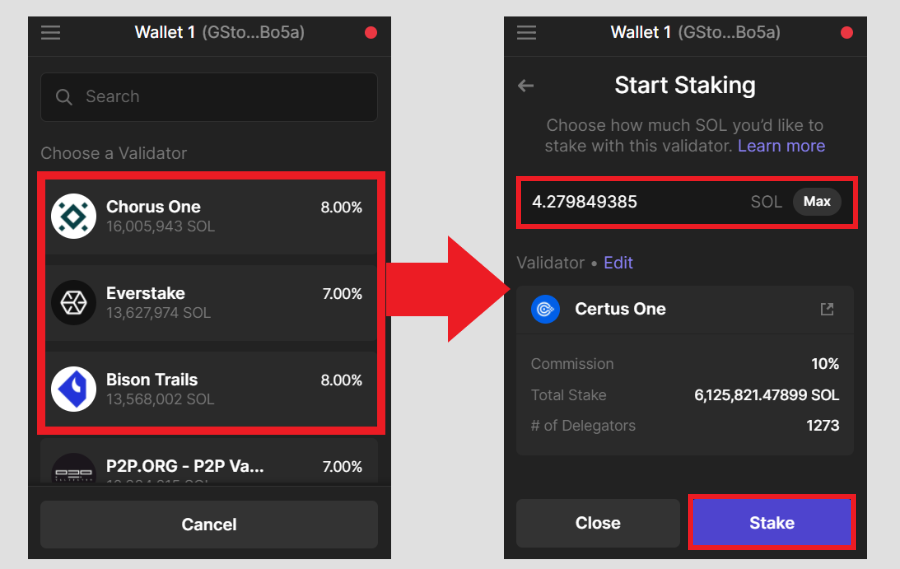
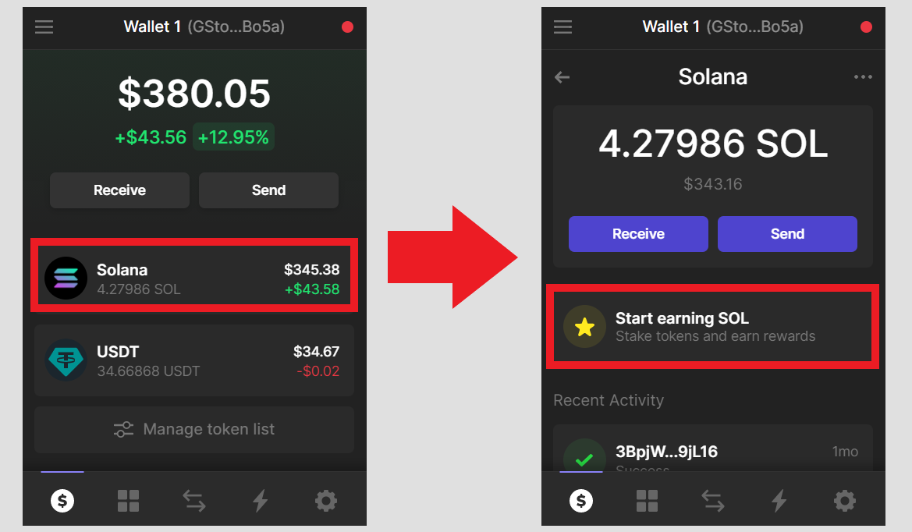
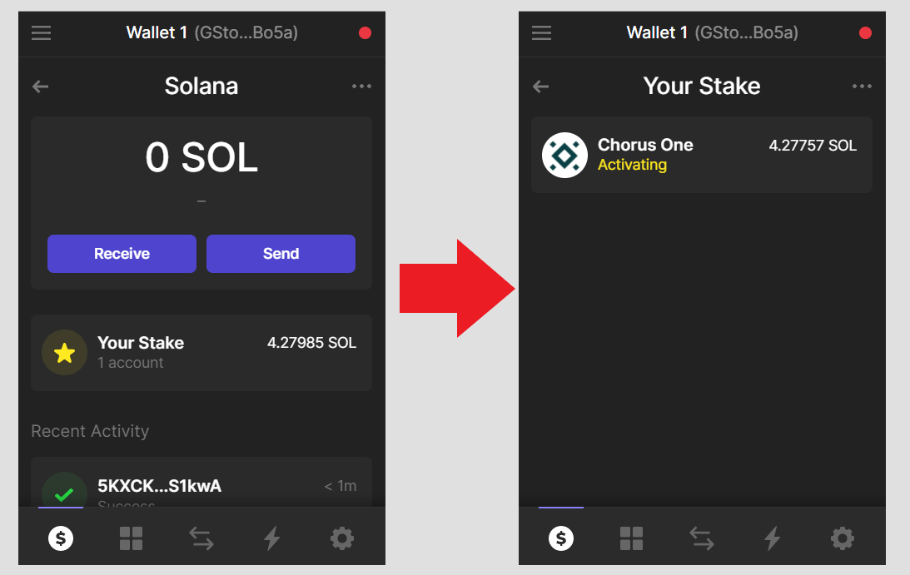
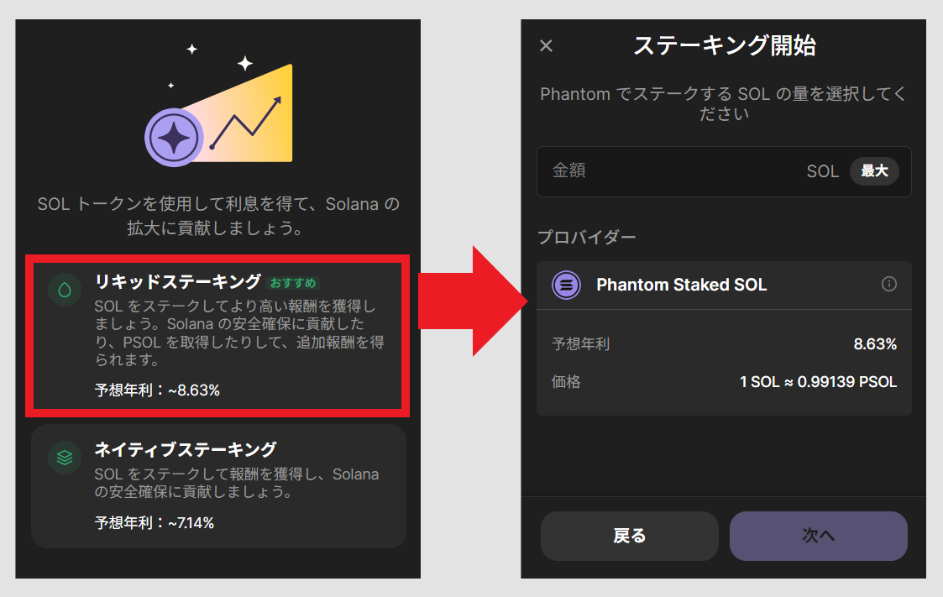
Furthermore, Phantom integrates native staking mechanisms directly into its interface, allowing users to earn passive yield on their Solana holdings without ever leaving the wallet application. By navigating to the SOL balance and selecting "Start earning SOL," users can choose from a vetted list of third-party validators. Staking delegates the voting power of the tokens to secure the network while generating compounding inflationary rewards. While delegation does not transfer ownership of the assets—the user retains full custody at all times—delegated funds require a brief un-staking cooldown period (typically lasting two to three epochs, or roughly two to three days) before they can be withdrawn or traded. To offer even greater flexibility, Phantom also supports Liquid Staking Tokens (LSTs) such as PSOL, enabling users to maintain liquidity and participate in decentralized finance protocols while simultaneously earning staking yields.
Comprehensive NFT Management and Marketplace Integration
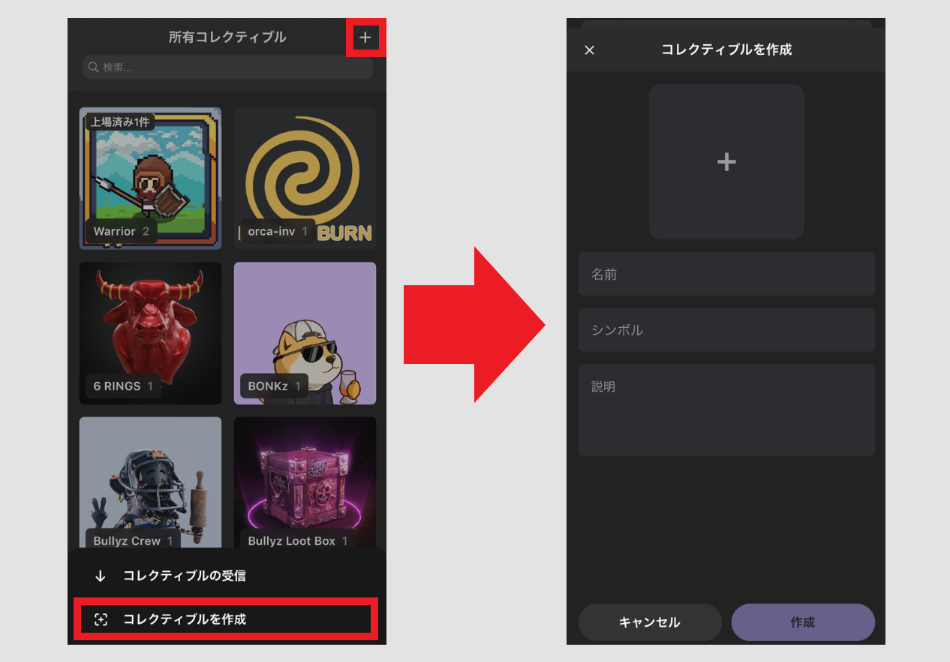
One of Phantom’s most celebrated features is its sophisticated approach to non-fungible tokens. In the early days of digital collectibles, managing NFTs across disparate platforms required navigating clunky block explorers and third-party marketplaces. Phantom revolutionized this experience by embedding a dedicated, media-rich NFT gallery directly into the wallet interface.
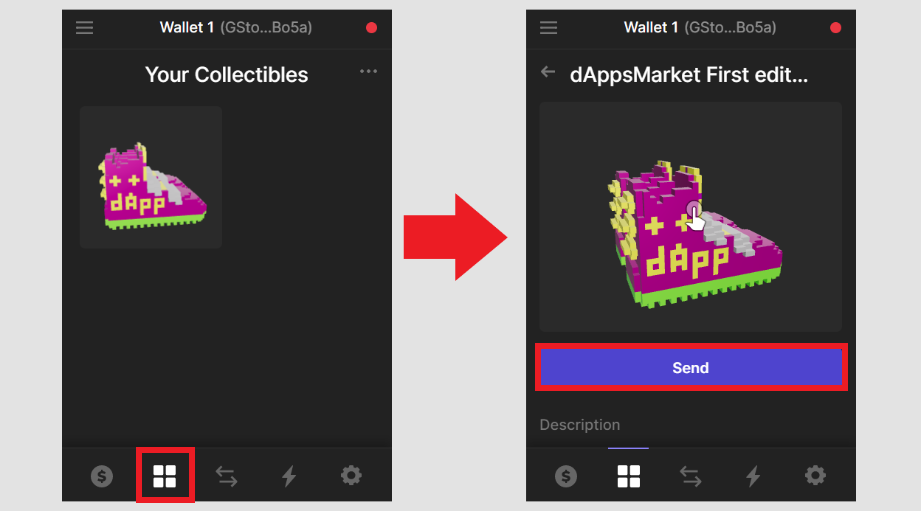
When a user receives an NFT on Solana, Ethereum, or Polygon, it automatically populates within the wallet’s collectible tab. The interface renders high-resolution images, animations, and interactive metadata directly, allowing users to view attributes, creator royalties, and transaction histories without needing to visit external sites. Moreover, Phantom features native integration with Magic Eden, the leading multichain NFT marketplace. This integration enables users to buy, sell, make offers, and sweep floor prices directly from their wallet dashboard.
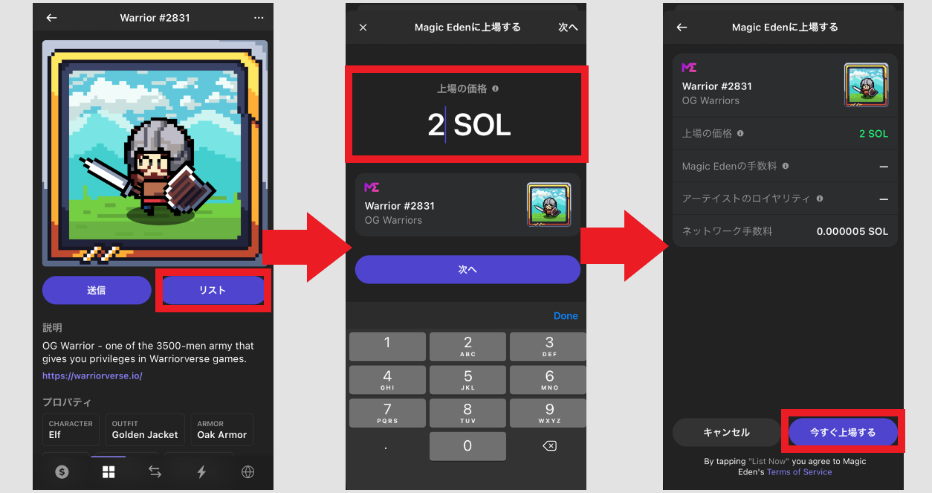
For creators and collectors looking to sweep floor prices or manage large inventories, Phantom’s optimized UI handles bulk transactions efficiently. Users can list multiple NFTs for sale simultaneously, manage royalties, and execute sweep operations with minimal friction. This deep integration has cemented Phantom as the definitive home for digital art collectors within the Solana and broader Web3 ecosystems.
In-Wallet Token Swaps and Cross-Chain Trading
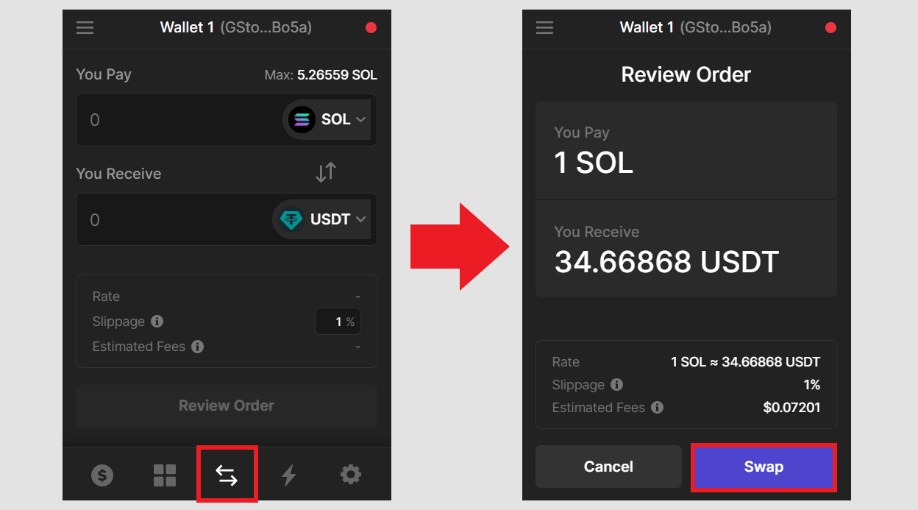
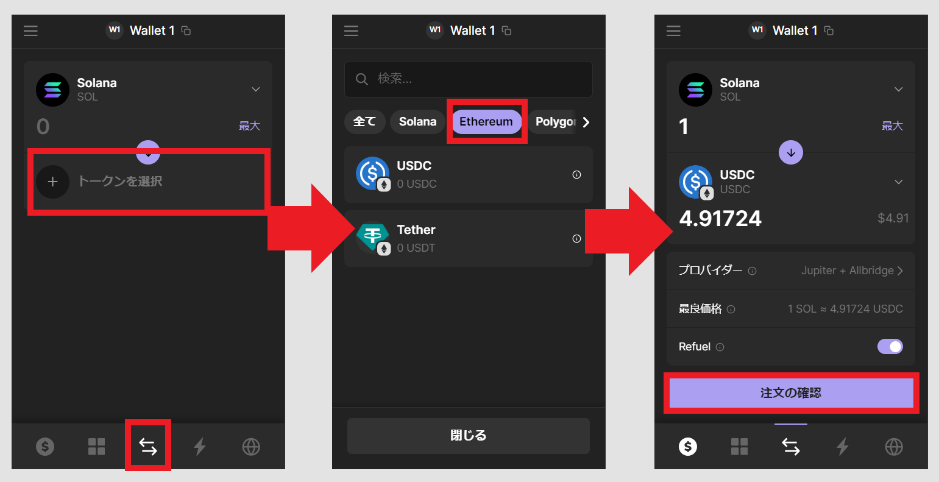
Beyond basic asset storage and NFT management, Phantom incorporates a robust decentralized exchange (DEX) aggregator directly into its architecture. This feature allows users to swap tokens natively within the wallet interface without needing to connect to external decentralized exchanges like Raydium or Uniswap.
The swap mechanism aggregates liquidity from multiple decentralized liquidity pools to ensure users receive optimal execution prices and minimal slippage. By selecting the "Swap" tab, choosing the input and output tokens, and confirming the transaction parameters, users can execute complex trades instantaneously. The wallet automatically calculates estimated network fees, price impact, and routing efficiency, providing complete transparency before any transaction is signed.
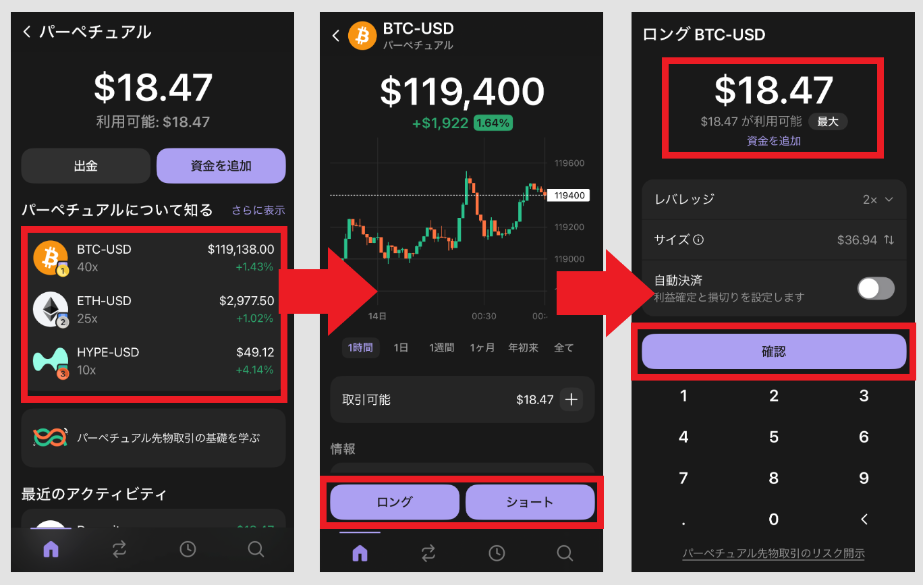
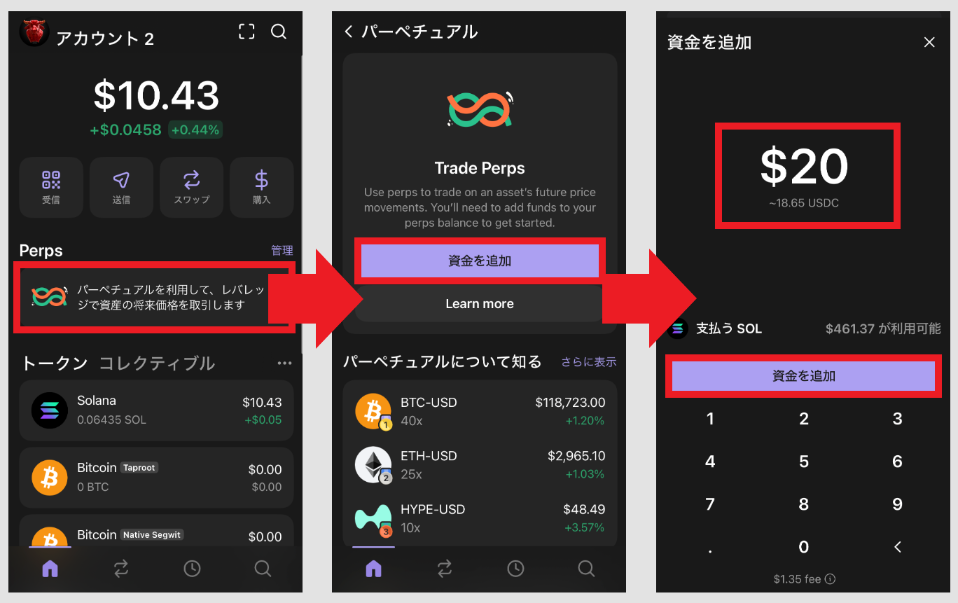
Expanding beyond single-chain swaps, recent updates to Phantom have introduced integration with advanced perpetual trading platforms such as Hyperliquid. Users can now access up to 40x leverage on perpetual contracts directly through the wallet interface. This integration bridges the gap between basic spot trading and advanced derivatives trading, enabling participants to manage leveraged positions in major assets like Bitcoin (BTC) and Ethereum (ETH) with self-custodial security. The streamlined trading view displays margin ratios, liquidation prices, and position management tools, bringing professional-grade trading infrastructure to a retail-friendly browser extension.

Security Protocols, Revoke Functions, and DApp Connectivity
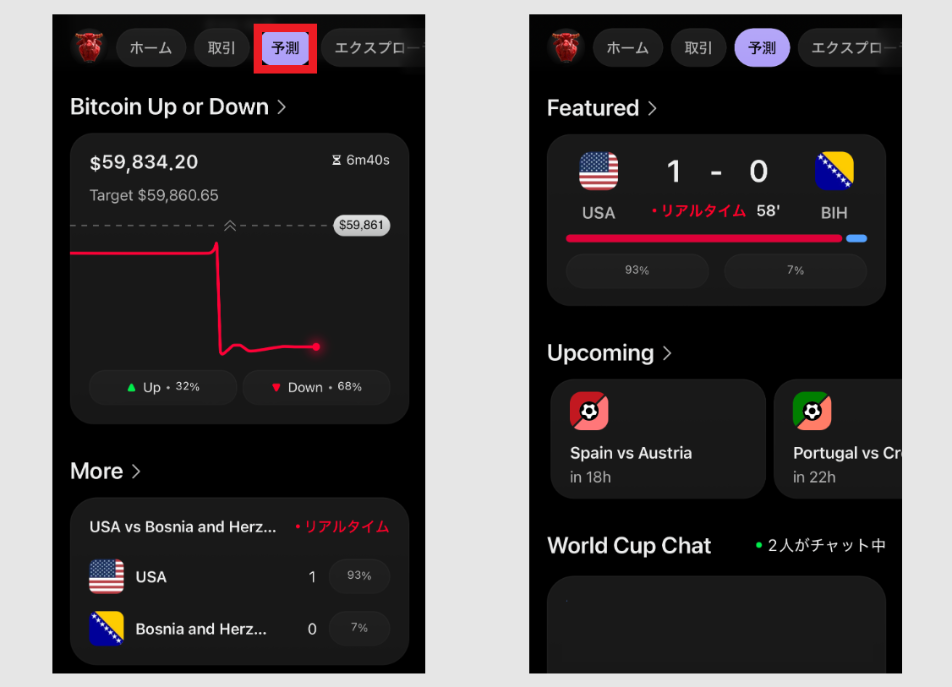
As decentralized finance has matured, security has emerged as a primary concern for digital asset participants. Phantom addresses these vulnerabilities through a combination of proactive security features and user-centric education.
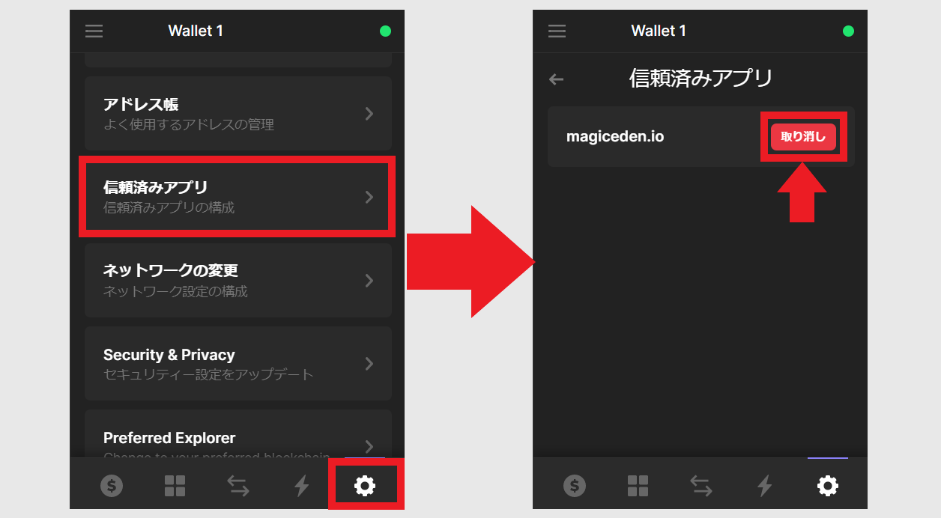
A critical component of wallet security is managing smart contract approvals—specifically, the permissions granted to external decentralized applications to spend a user’s funds. Over time, active Web3 users often accumulate numerous token approvals across various protocols. If a dApp is compromised maliciously, these lingering approvals can pose a significant security risk. Phantom incorporates a dedicated "Revoke" feature within its settings menu, allowing users to audit all active allowances and instantly revoke permissions for any untrusted or obsolete smart contracts.
Additionally, Phantom utilizes a robust connection manager for dApps. When visiting a new decentralized application, users must explicitly approve the connection request. The wallet provides granular control over which accounts are exposed to specific dApps, preventing unauthorized background access. For transactions requiring signature authorization, Phantom explicitly outlines the expected outcome of the transaction, displaying clear warnings if a smart contract interaction appears suspicious or high-risk.
Fact-Based Analysis of Implications and Market Position
Phantom’s rapid ascension from a Solana-specific browser extension to a dominant multichain wallet provider reflects broader structural shifts in the cryptocurrency industry. As users increasingly demand interoperability across multiple blockchains, the friction of managing separate wallets for Solana, Ethereum, Polygon, and Bitcoin has become a major bottleneck for adoption. By successfully abstracting this complexity behind a unified, polished interface, Phantom has positioned itself as critical infrastructure in the Web3 stack.

Market analysts note that the wallet layer represents the ultimate "real estate" of the blockchain ecosystem. Whichever interface controls the user’s entry point to decentralized applications captures vital telemetry regarding transaction flow, user preferences, and liquidity routing. Phantom’s aggressive expansion into multichain swaps, perpetual trading, and native NFT marketplaces suggests a strategic ambition to evolve from a passive storage tool into an all-encompassing financial super-app.

However, operating in the self-custodial domain carries inherent responsibilities. Because Phantom is a non-custodial wallet, the company does not store user private keys, passwords, or recovery phrases on centralized servers. Consequently, the burden of security rests entirely with the end user. Incidents involving phishing websites, malicious browser extensions, and compromised recovery phrases remain persistent threats across the industry. While Phantom implements robust warning systems and heuristic filters to detect known malicious domains, user vigilance remains the final and most critical line of defense.

Conclusion

Phantom Wallet has redefined consumer expectations for self-custodial digital asset management. By combining lightning-fast transaction execution on Solana with robust multichain capabilities spanning Ethereum, Polygon, and Bitcoin, Phantom provides a seamless, secure environment for both novice participants and seasoned traders. Through intuitive native staking, rich NFT galleries, integrated token swaps, and advanced perpetual trading tools, the platform successfully bridges the gap between decentralized finance and everyday usability. As the Web3 ecosystem continues to mature, the importance of reliable, secure, and user-friendly infrastructure like Phantom Wallet will only continue to grow, cementing its status as an indispensable tool for the future of digital finance.