As the global cryptocurrency ecosystem matures and attracts a broader mainstream audience, malicious actors continue to develop increasingly sophisticated methods to target digital assets. The decentralization and pseudonymous nature of blockchain technology provide unique security challenges, leaving retail investors and active traders vulnerable to sophisticated cyberattacks. From deceptive phishing interfaces mimicking Cloudflare verifications to malicious browser extensions and cross-chain address poisoning, digital asset theft has evolved beyond simple credential harvesting into a multi-billion-dollar enterprise. Understanding these evolving threat vectors is essential for safeguarding portfolios and navigating the Web3 landscape securely.
Anatomy of Modern Cryptocurrency Scams and Emerging Threat Vectors
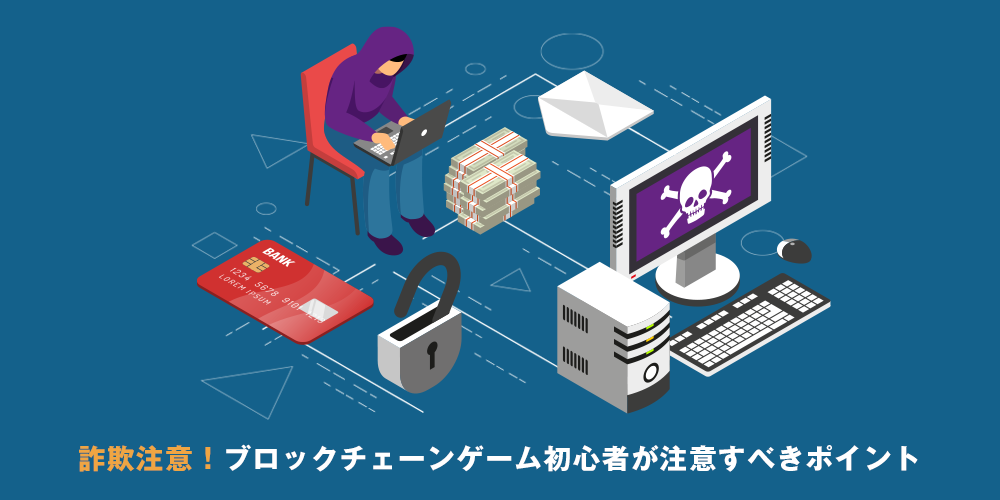
The modern threat landscape is characterized by the automation and professionalization of cybercrime. Historically, cryptocurrency scams relied primarily on fraudulent initial coin offerings (ICOs) or obvious Ponzi schemes. Today, bad actors employ advanced technical exploits, social engineering, and infrastructure compromises to infiltrate user devices and drain hot wallets directly. Security researchers emphasize that the primary attack surface has shifted from centralized exchange vulnerabilities to user-end security hygiene.
Phishing campaigns have grown particularly deceptive, leveraging trusted brand names and familiar user interfaces to bypass basic skepticism. Attackers frequently compromise legitimate websites to inject malicious code, creating an environment where even cautious users can fall victim to sophisticated traps.
The Cloudflare Verification Phishing Vector

One of the most insidious recent developments in the cryptocurrency scam ecosystem involves the impersonation of standard internet security protocols. Attackers have successfully deployed fraudulent websites that present visitors with a fake Cloudflare "Verify you are human" challenge.
When a user interacts with this prompt, believing it to be a standard anti-DDoS verification measure, the browser automatically downloads a malicious executable file. This file runs silently in the background, executing scripts designed to harvest stored browser data, session tokens, and private keys.
Security analysts note that these campaigns often exploit compromised content management systems (CMS) of legitimate websites. By injecting malicious payloads into high-traffic pages, scammers can intercept organic traffic, making the threat vectors extremely difficult to detect at a glance. Prevention strategies require users to maintain strict endpoint security, avoiding the download of executable files from unverified web prompts, and deploying robust antivirus solutions capable of identifying unknown script behaviors.

Address Poisoning and Transaction History Manipulation
Address poisoning has emerged as a pervasive threat across major blockchains, particularly Ethereum and other EVM-compatible networks. In this attack vector, scammers monitor public ledgers to identify frequent transaction patterns between specific addresses.
Once a target is identified, the attacker generates a vanity address that mimics the prefix and suffix of the user’s frequently used counterparties. They then execute a "zero-value" transfer to the victim’s wallet from this vanity address, effectively planting a malicious address directly into the user’s transaction history.

When the victim later attempts to copy and paste an address from their recent transaction history—a common habit among active traders—they inadvertently select the attacker’s similarly formatted address. Subsequent transfers sent to this poisoned address result in the permanent loss of funds. Cybersecurity experts advise users never to copy addresses from transaction histories, recommending instead the use of address book features, hardware wallets, and cryptographic verification for all substantial transfers.
Wi-Fi Exploitation and Compromised Public Networks
The risks of managing digital assets on public networks have been heavily documented, yet unsecured or spoofed Wi-Fi hotspots remain a primary entry point for attackers. In environments such as cafes, hotels, and entertainment venues, cybercriminals frequently deploy rogue access points that intercept network traffic.

Once connected to a compromised network, users are vulnerable to man-in-the-middle (MitM) attacks. Attackers can manipulate DNS requests, redirecting users seeking decentralized finance (DeFi) platforms or wallet interfaces to malicious clones. These replica sites are designed to prompt seed phrase imports or malicious smart contract approvals. Security professionals strongly advise against accessing hot wallets or executing transactions while connected to public Wi-Fi networks without a trusted virtual private network (VPN) and end-to-end encryption.
Apple Ecosystem Impersonation and Social Engineering
The convergence of mobile devices and desktop environments has expanded the attack surface for social engineering campaigns targeting cryptocurrency holders. A notable vector involves advanced phishing attacks that utilize the Apple ecosystem.

Victims have reported receiving aggressive pop-up notifications across multiple synchronized devices—such as iPhones and Apple Watches—falsely claiming that an Apple ID password reset is required. When users ignore these prompts, attackers frequently follow up with fraudulent phone calls utilizing spoofed caller ID numbers that mirror official support lines, such as Apple’s primary customer service numbers.
By combining synchronized device notifications with voice-based social engineering, attackers create an atmosphere of urgency and legitimacy. This psychological pressure is designed to coerce users into divulging multi-factor authentication (MFA) codes or resetting account credentials, ultimately granting attackers access to cloud-backed backups and sensitive personal data. Security guidelines emphasize that legitimate technology providers will never call users unsolicited to request security credentials or password resets.
Malicious Smart Contract Approvals and Drainer Scripts

Smart contract interaction is the foundation of decentralized finance, but it also presents significant risk when exploited by malicious actors. In many cases, users unknowingly grant unlimited token spending permissions to unverified decentralized applications (DEXs) or fraudulent airdrop smart contracts.
Once an Approve function is executed maliciously, the smart contract gains the authority to transfer specified tokens directly from the user’s wallet without further authorization. Attackers often bundle these exploit scripts into attractive airdrop claims, promising free tokens in exchange for a simple wallet signature.
Security audits and blockchain analytics firms recommend regular wallet hygiene practices, including the use of revocation tools (such as Revoke.cash) to audit and cancel lingering token allowances. Furthermore, users should exercise extreme caution when interacting with smart contracts that request permissions exceeding the immediate transaction requirements.

Comprehensive Prevention Strategies for Web3 Users
Mitigating the risks associated with modern cryptocurrency scams requires a multi-layered security approach. As threat actors continue to innovate, relying solely on intuition is insufficient.
- Endpoint Security: Maintain up-to-date operating systems, browsers, and antivirus software. Never execute downloaded files from unfamiliar websites or unverified prompts.
- Hardware Wallets: For significant asset holdings, utilize hardware-based cold storage wallets that keep private keys isolated from internet-connected environments.
- Transaction Verification: Always double-check destination addresses character by character. Avoid copying addresses directly from transaction history logs.
- Smart Contract Hygiene: Regularly audit token allowances and revoke unnecessary permissions using trusted security tools.
- Skepticism Toward Urgency: Treat unsolicited airdrops, password reset requests, and high-pressure security warnings with skepticism. Verify communications through official, independent channels.
By adhering to these rigorous security protocols, cryptocurrency investors can significantly reduce their exposure to malicious actors and navigate the decentralized financial landscape with greater confidence and safety.