The evolution of the digital landscape has ushered in the era of Web3, a decentralized paradigm shift that places ownership, governance, and value exchange directly into the hands of users. Central to this technological transformation are cryptographic assets, often referred to as digital tokens or virtual currencies. While these assets underpin the infrastructure of blockchain-based games, decentralized finance (DeFi), and non-fungible tokens (NFTs), they also present a complex array of risks for the uninitiated. To navigate the Web3 ecosystem safely, participants must understand the technical foundations, historical context, and security protocols required to protect their digital holdings.

The Genesis of Digital Assets: A Historical Perspective
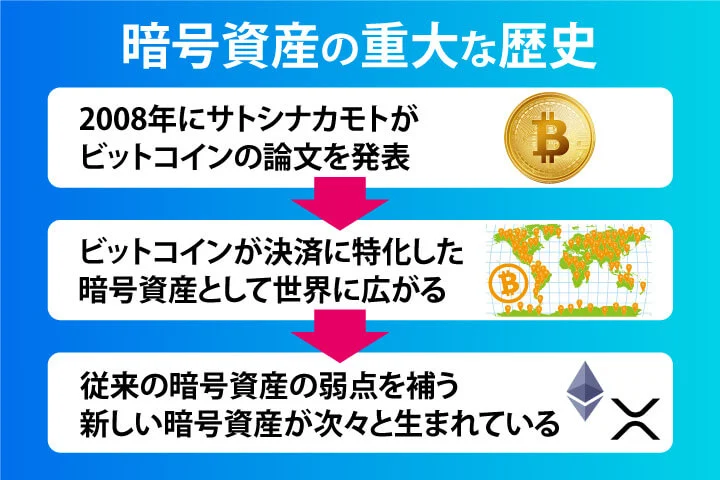
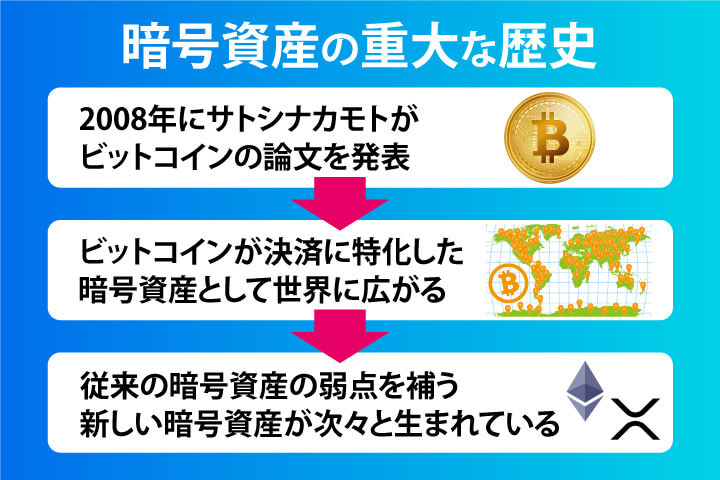
The modern concept of digital asset exchange trace its roots back to 2008, a period defined by global economic instability. In October of that year, an individual or group using the pseudonym Satoshi Nakamoto published the seminal white paper titled "Bitcoin: A Peer-to-Peer Electronic Cash System." This document proposed a decentralized mechanism for value transfer that bypassed traditional financial institutions, utilizing a distributed ledger known as a blockchain.

The introduction of Bitcoin marked the beginning of a new financial frontier. By removing the need for a centralized intermediary—such as a bank or payment processor—the protocol allowed for trustless transactions verified by a network of nodes. This innovation laid the groundwork for the broader "tokenization" of the internet. Over the subsequent decade, the technology expanded beyond simple currency. The rise of programmable blockchains, most notably Ethereum, enabled the creation of smart contracts—self-executing agreements that allow for complex decentralized applications (dApps). These innovations have since evolved into the multifaceted Web3 environment, where users now interact with assets ranging from governance tokens in decentralized autonomous organizations (DAOs) to in-game assets in blockchain-based titles.

Technical Foundations and the Role of Tokens
At its core, a cryptographic asset is a digital representation of value or utility, secured by cryptographic algorithms and recorded on a distributed ledger. Unlike fiat currency, which is issued and regulated by central banks, most cryptographic assets are governed by open-source protocols.
Tokens are typically categorized based on their function within an ecosystem. "Native" tokens, such as Bitcoin (BTC) or Solana (SOL), serve as the primary medium of exchange or gas for their respective networks. "Utility" tokens are designed to provide access to specific services or products within a dApp, while "governance" tokens allow holders to vote on proposed changes to a protocol’s future development. Understanding these distinctions is critical for investors and users alike, as the regulatory and risk profiles of these assets can vary significantly.

Supporting Data and Market Dynamics
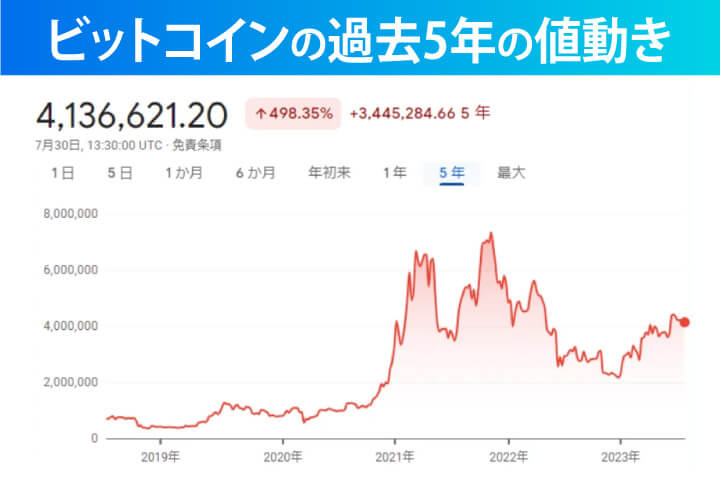
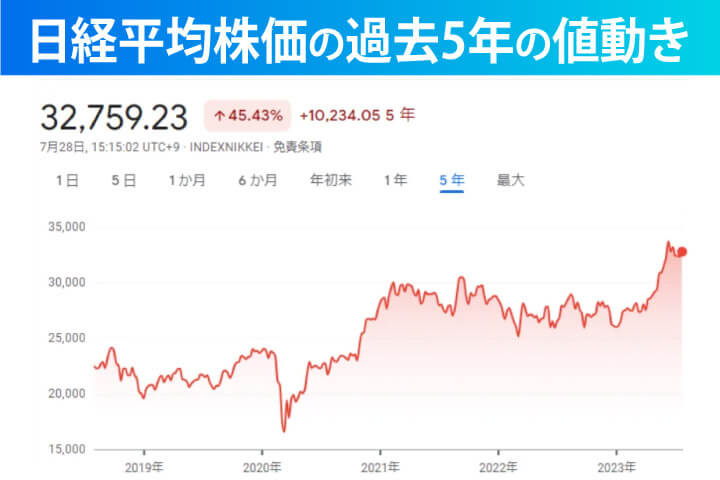
Since 2020, the adoption of cryptographic assets has accelerated, fueled by the growth of the decentralized finance sector and the emergence of institutional-grade custody solutions. According to industry data, the total market capitalization of digital assets has experienced extreme volatility, characterized by both record-breaking bull runs and sharp cyclical contractions.

One of the most important metrics for participants to monitor is the "on-chain" activity. Unlike traditional equity markets, where financial statements are released quarterly, blockchain networks offer real-time transparency. Metrics such as daily active addresses, transaction volume, and total value locked (TVL) provide a clearer picture of an ecosystem’s health. However, this transparency is a double-edged sword; while it allows for sophisticated analysis, it also provides malicious actors with data on high-value targets.

Risk Management and Security Protocols
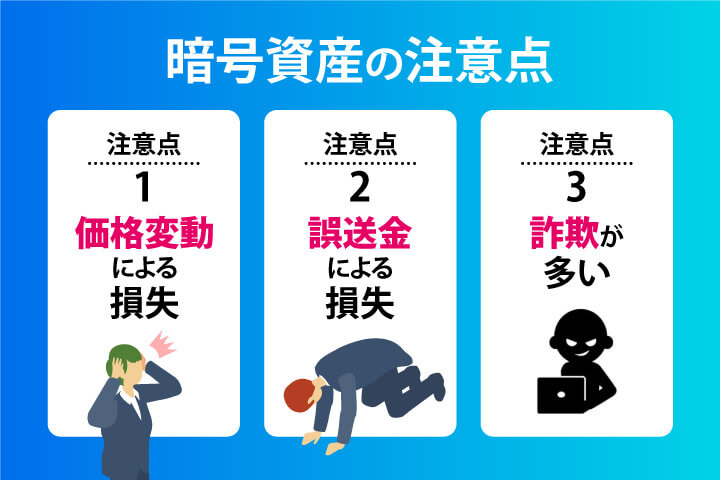
The transition to a self-custodial financial model requires a paradigm shift in security. In the Web3 world, the phrase "not your keys, not your coins" is the fundamental rule of asset protection. Because there is no centralized authority to reset a password or reverse an erroneous transaction, the responsibility for security rests entirely with the individual.
To mitigate risk, users should adhere to a three-pronged security strategy:

- Hardware Wallet Usage: For significant holdings, offline storage (cold storage) is the industry standard. Hardware wallets store private keys in an isolated environment, ensuring that even if a computer is compromised by malware, the assets remain secure.
- Due Diligence and Smart Contract Audits: Before interacting with a new dApp or participating in a token sale, users should verify that the underlying smart contracts have been audited by reputable third-party security firms. Audits identify potential vulnerabilities in the code that could lead to the loss of funds.
- Vigilance Against Social Engineering: Phishing attacks remain the most common vector for theft. Malicious actors often pose as support staff on social media platforms like Discord or X (formerly Twitter) to gain access to a user’s recovery phrase. It is essential to note that legitimate platforms will never ask for a seed phrase or private key.
Regulatory Landscape and Consumer Protection
As the digital asset market matures, regulatory bodies worldwide are working to establish frameworks that balance innovation with consumer protection. In Japan, for instance, the Financial Services Agency (FSA) has implemented stringent regulations to oversee crypto-asset exchange service providers. These measures include requirements for asset segregation, where client funds must be held separately from the exchange’s operational capital.

Despite these efforts, the market remains susceptible to fraud. The Consumer Affairs Agency has repeatedly issued warnings regarding "high-yield" investment schemes that promise unrealistic returns. Often, these scams operate under the guise of legitimate Web3 projects, utilizing sophisticated websites and fabricated testimonials to lure victims. A critical red flag is any platform that demands an upfront payment, tax, or "release fee" to withdraw funds. Legitimate decentralized protocols do not function in this manner; if a platform requires a deposit to "unlock" an account, it is almost certainly a fraudulent scheme.
The Future of Decentralization: Implications for Participants
The promise of Web3 lies in its ability to democratize access to financial services and digital ownership. However, this future is contingent upon the development of a more robust security culture. As the technology becomes more integrated into mainstream gaming and social platforms, the barrier to entry will likely decrease, but the complexity of threats will increase.
Industry experts suggest that the next phase of Web3 evolution will focus on "account abstraction"—a technical advancement that simplifies the user experience, allowing for features like social recovery of accounts and automated security limits. By abstracting the complexities of cryptographic key management, the industry aims to bridge the gap between traditional internet users and the decentralized future.
For the individual participant, the path forward is clear: education is the best defense. By understanding the underlying mechanics of blockchain technology, remaining skeptical of "guaranteed" returns, and utilizing secure hardware-based storage, users can participate in the digital asset economy while minimizing their exposure to systemic and individual risks. As the sector continues to evolve, the focus must shift from speculative trading to the long-term utility and security of the decentralized web. Those who prioritize security and due diligence will be best positioned to benefit from the ongoing digital transformation.