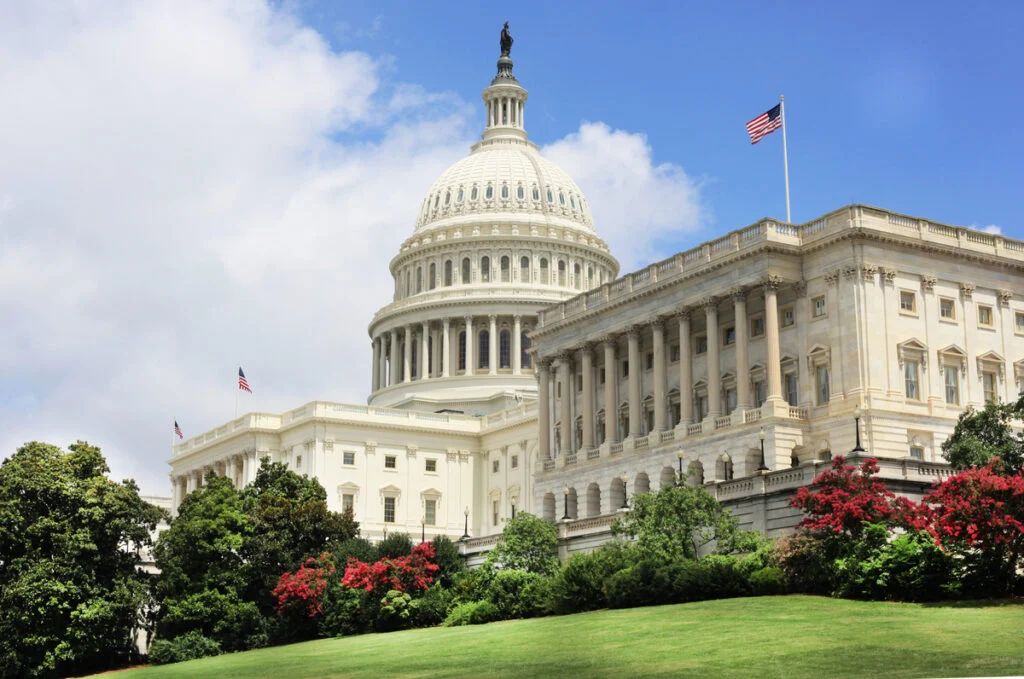
The United States Senate Republican caucus has officially released the latest draft of the Creating Legal Accountability for Relief and Innovation through Theory and Yield Act, commonly referred to as the CLARITY Act. This 616-page legislative proposal, introduced on July 22, represents one of the most ambitious attempts to date to establish a comprehensive federal framework for the digital asset market. White House officials and legislative sponsors have characterized the bill as containing the "most comprehensive and foundational ethics provisions" ever proposed for the burgeoning cryptocurrency sector, seeking to balance the promotion of technological innovation with the necessity of rigorous oversight for public servants.
The primary focus of the CLARITY Act is the establishment of clear jurisdictional boundaries for digital assets while simultaneously addressing potential conflicts of interest among government employees. By providing a statutory definitions for various classes of tokens and clarifying the roles of the Securities and Exchange Commission (SEC) and the Commodity Futures Trading Commission (CFTC), the bill aims to eliminate the "regulation by enforcement" approach that has characterized the American crypto landscape over the last several years.
New Ethical Standards for Public Officials and the "Trump Clause"
At the heart of the CLARITY Act are stringent new ethical mandates designed to prevent public officials from leveraging their positions for personal gain within the digital asset space. The legislation explicitly prohibits all public officials, federal employees, and their spouses from issuing, promoting, or providing formal support for digital assets in exchange for any form of compensation. Furthermore, the act forbids these individuals from facilitating the listing of such assets on trading platforms.
However, the bill draws a distinction between active promotion and passive investment. Public officials are still permitted to hold or invest in digital assets, provided they adhere to standard financial disclosure requirements. A notable and highly discussed provision in the draft is the specific exemption granted to digital assets previously issued by or associated with former President Donald Trump. Specifically, the prohibition on issuing and supporting digital assets for compensation does not apply to the series of Non-Fungible Tokens (NFTs) and related digital collectibles released by the Trump campaign or his associated business entities.
The timing of these ethics rules is also specific; the draft stipulates that these particular ethics regulations are set to expire, or "sunset," at noon on January 20, 2029. This date coincides with the end of the next presidential term, suggesting that the provisions are designed to cover the immediate political cycle before requiring re-evaluation by a future Congress. Enforcement of these ethics provisions is slated to be the responsibility of the Department of Justice (DOJ), rather than internal agency ethics boards, signaling a high level of intended legal weight.
Financial Disclosures and the Impetus for Regulation
The inclusion of the NFT exemption and the focus on official compensation follows recent financial disclosures regarding Donald Trump’s involvement in the crypto industry. Official filings indicate that the former president earned approximately $12 million (roughly 1.92 billion yen at an exchange rate of 160 yen to the dollar) through various digital asset ventures over the past year. These earnings were primarily driven by the success of his digital trading card collections, which utilized blockchain technology to offer unique collectibles to supporters.
The significant revenue generated by a high-profile political figure through digital assets has intensified the debate over where "campaign activity" ends and "private business" begins. Republican sponsors of the CLARITY Act argue that the exemption for existing assets is necessary to prevent the retroactive penalization of legal business activities, while critics suggest it creates a loophole for influential figures to continue profiting from the industry while simultaneously shaping its regulatory future.
Integration of the Blockchain Regulatory Certainty Act
Beyond ethics, the CLARITY Act incorporates the text of the Blockchain Regulatory Certainty Act (BRCA). This component is a major victory for the technical side of the cryptocurrency industry. The BRCA establishes a "safe harbor" for blockchain developers and providers of non-custodial services. Under this provision, individuals or entities that do not take control of consumer funds—such as miners, validators, and software developers—would not be classified as "money transmitters" or "financial institutions."
This distinction is crucial for the domestic tech industry. For years, developers have feared that they could be held liable under the Bank Secrecy Act for transactions they merely facilitated through code but did not actually control. By providing this safe harbor, the CLARITY Act seeks to ensure that the underlying infrastructure of the internet of value can be developed within the United States without the threat of being burdened by regulations intended for traditional banks.
The Stablecoin Debate and Banking Industry Friction
While the CLARITY Act makes significant strides in ethics and developer protections, it leaves certain contentious areas largely unchanged from previous iterations. Most notably, the provisions regarding stablecoins—digital assets pegged to the value of the US dollar—remain a point of friction.
The banking industry has expressed ongoing concerns regarding the ability of non-bank entities to issue stablecoins, fearing that it could undermine the stability of the traditional financial system and lead to "bank runs" on digital reserves. Despite these objections from traditional financial heavyweights, the GOP draft maintains a path for non-bank issuers to remain in the market, provided they meet strict collateralization and reporting standards. This reflects a broader Republican philosophy of fostering competition between traditional finance (TradFi) and decentralized finance (DeFi).
Legislative Timeline and Political Hurdles
The path to the CLARITY Act becoming law is fraught with political challenges. In the current Senate, a 60-vote threshold is required to overcome a filibuster and move the bill to a final vote. With the Senate currently divided, Republicans will need to secure significant support from the Democratic caucus to advance the legislation.
Senator John Thune, the Senate Majority Whip, has indicated that the GOP leadership is aiming for a floor vote as early as next week. However, the inclusion of the "Trump Clause" and the specific sunset date for ethics rules are expected to be major sticking points for Democratic negotiators. Senators such as Elizabeth Warren, who has been a vocal critic of the crypto industry, are likely to oppose any measure they perceive as being too lenient on digital asset platforms or too favorable to the former president.
Broader Implications and Fact-Based Analysis
The release of the CLARITY Act draft marks a pivotal moment in the 2024 legislative calendar. It signals that digital asset regulation has moved from a niche policy issue to a central pillar of the national economic and ethical debate. If passed, the act would provide the most stable legal environment for crypto in the world, potentially reversing the trend of "offshoring" where American firms move to jurisdictions like Switzerland, Dubai, or Singapore to seek regulatory clarity.
From an economic perspective, the bill’s focus on non-custodial service providers could stimulate a surge in American blockchain R&D. By removing the threat of being treated as a bank, software companies may feel more secure in building decentralized applications (dApps) on US soil.
However, the political optics of the bill remain complex. The $12 million disclosure from Donald Trump serves as a lightning rod for the discussion. While Republicans frame the bill as a way to provide "clarity" and prevent "government overreach," opponents will likely frame it as a bespoke piece of legislation designed to protect a specific candidate’s business interests.
The DOJ’s role in enforcement is also a significant shift. By placing the Department of Justice in charge of overseeing the ethics of crypto-related activities by federal employees, the bill elevates crypto infractions to the level of serious federal crimes, which could have a chilling effect on any "pay-to-play" schemes involving digital tokens in Washington D.C.
Conclusion
As the CLARITY Act moves toward a potential Senate floor debate, the eyes of the global financial community are on the United States. The 616-page document represents a high-stakes attempt to define the future of money and the conduct of those who oversee it. Whether the Republican caucus can bridge the partisan divide and secure the 60 votes necessary for passage remains to be seen, but the introduction of the act itself confirms that the era of "wait and see" regarding cryptocurrency regulation in America is officially over.