
The Context of the 2014 Ethereum Crowdsale and the Problem of Lost Access
To understand the magnitude of this recovery, one must look back to the summer of 2014, when the Ethereum Foundation launched its initial crowdsale. At the time, Ethereum was an ambitious project seeking to expand the utility of blockchain technology beyond simple peer-to-peer payments into the realm of smart contracts. During the sale, participants exchanged Bitcoin (BTC) for ETH at a rate of approximately 2,000 ETH per 1 BTC. Upon purchase, users were provided with a "wallet file"—a JSON-formatted text file—that contained the encrypted private keys to their new ETH holdings.

The security of these files relied entirely on a user-generated password. Unlike modern centralized financial institutions, the decentralized nature of the Ethereum Genesis block meant there was no "forgot password" button and no customer support desk to reset credentials. If an investor lost their password or the specific software environment required to decrypt the file, the assets became functionally non-existent, trapped in a digital vault with no key. As the value of ETH climbed from pennies in 2014 to thousands of dollars in the following decade, the psychological and financial toll on those with "lost" Genesis wallets became a recurring theme in the cryptocurrency industry.
Chronology of the 400 ETH Recovery Operation
The case handled by Bitcoin Savior and Cryptic Brain involved a client who had participated in the 2014 sale but found themselves unable to access their 400 ETH. Before approaching Mr. Iwata’s team, the client had reportedly consulted several other technical experts and recovery services, all of whom concluded that the password was unrecoverable through standard brute-force methods.

The timeline of the successful recovery began with a comprehensive "hearing" or interview process. Mr. Iwata and Bhashana emphasize that recovery is not merely a technical challenge but a psychological one. The team collected fragments of information from the client: potential password components, character preferences, and the specific software environment used during the 2014 purchase.
The breakthrough did not occur through a traditional computational "brute force" attack, which would have taken centuries given the entropy of the encryption. Instead, the turning point came during a casual technical discussion between Bhashana and a colleague regarding new programming methodologies. This conversation sparked a "eureka moment" for Bhashana, who realized that a specific algorithmic approach—leveraging a suspected bug or pattern in the original 2014 password generation tools—could narrow the search space significantly. By applying this refined logic, the team was able to bypass the "bottleneck" that had stymied previous experts, successfully identifying the correct credential and moving the 400 ETH for the first time in over twelve years.
Technical Analysis: Password Cracking vs. Protocol Security
A critical aspect of this news is the clarification of what this recovery does and does not imply for blockchain security. Bhashana, a security veteran with over 20 years of experience in the field, was quick to dispel rumors that the Ethereum blockchain itself had been compromised.
"It is important to distinguish between cracking a user’s password and breaking the blockchain protocol," Bhashana stated during an interview. He confirmed that it remains mathematically impossible to recover a wallet using only a public address or a public key. The security of the Elliptic Curve Digital Signature Algorithm (ECDSA) used by Ethereum remains intact. The recovery was possible only because the team possessed the encrypted wallet file (the JSON file) and was able to exploit weaknesses in the user’s password choice and the legacy encryption implementation, rather than any flaw in the Ethereum network.

Furthermore, the team addressed the rising discourse regarding quantum computing. While future quantum computers might theoretically be able to derive private keys from public keys, Bhashana noted that such technology is not yet viable for practical attacks on the current network. The success of this 400 ETH recovery serves as a reminder that the "human element"—passwords, seed phrase management, and legacy software—remains the primary point of failure in digital asset custody.
Supporting Data and Evidence of Success
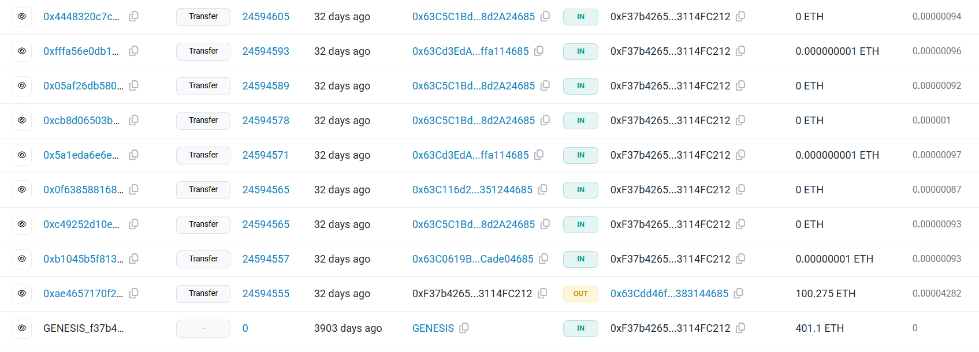
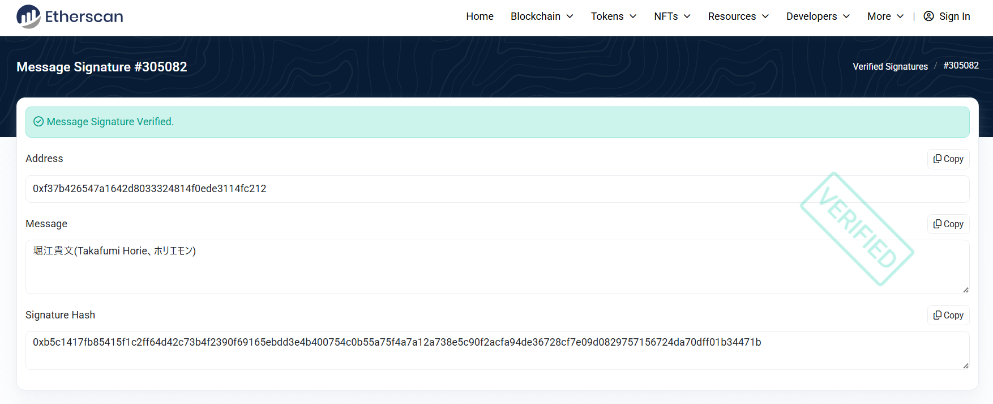
To maintain transparency and professional integrity, Bitcoin Savior provided on-chain evidence of the recovery. Transaction logs show the movement of 400 ETH from a long-dormant Genesis-era address to a new, secure wallet. Additionally, Bhashana provided a cryptographically signed message from the recovered address, a standard "Proof of Control" in the crypto industry, confirming that the team had indeed gained full access to the private keys.

According to data from Chainalysis and other blockchain analytics firms, approximately 3.7 million to 4 million BTC (and a proportional amount of ETH) are estimated to be "lost" or stuck in dormant addresses. Cases like this 400 ETH recovery are statistically rare, as they require the original owner to still possess the encrypted data files. However, the success of Bitcoin Savior suggests that a non-trivial portion of these "lost" billions may be recoverable through advanced forensic linguistics and algorithmic analysis.
Official Responses and Implications for the Industry
Mr. Iwata, CEO of Bitcoin Savior, framed the recovery as a mission of "rescue" rather than mere profit. "When the news of this 400 ETH case was first publicized, there was a lot of misinformation. We wanted to provide the correct facts to help others who might be in a similar position," Iwata explained. He noted that the primary goal of his organization is to assist individuals who have been locked out of their life savings, noting that for many early adopters, these recovered funds represent a life-altering amount of capital.

The industry reaction has been one of cautious optimism. Security experts suggest that the success of this operation may lead to a surge in inquiries for legacy wallet recoveries. However, it also serves as a warning. The team at Bitcoin Savior highlighted the risks of "malicious recovery services" or "scam hackers" who promise to recover funds but instead steal the user’s data or charge exorbitant upfront fees without results.
Broader Impact: The Future of Digital Asset Custody
The recovery of the 400 ETH highlights a growing sub-sector of the crypto economy: blockchain forensics and recovery services. As the "OG" generation of crypto investors ages, the issues of inheritance, lost keys, and legacy wallet compatibility are becoming increasingly prevalent.
For the broader market, these recoveries introduce a small amount of "new" supply into the circulating pool, but more importantly, they provide a blueprint for how technical expertise can be applied to solve the industry’s most persistent problem—the permanence of loss.
The advice from Bitcoin Savior for current investors is clear:
- Redundancy: Ensure that seed phrases and passwords are stored in multiple secure, physical locations.
- Hardware Wallets: Use modern hardware wallets (like Ledger or Trezor) which have standardized recovery protocols.
- Legacy Documentation: For those holding 2014-era files, keep detailed records of the software versions and devices used at the time of purchase, as these "metadata" points are often the key to successful recovery.
In conclusion, the successful recovery of 400 ETH by Bitcoin Savior and Cryptic Brain is a testament to the fact that while the blockchain is immutable, the barriers to human access are sometimes permeable through a combination of psychological profiling, historical technical knowledge, and algorithmic innovation. As we move further into the 2020s, the intersection of cybersecurity and human behavior will continue to define the safety and accessibility of the world’s digital wealth.