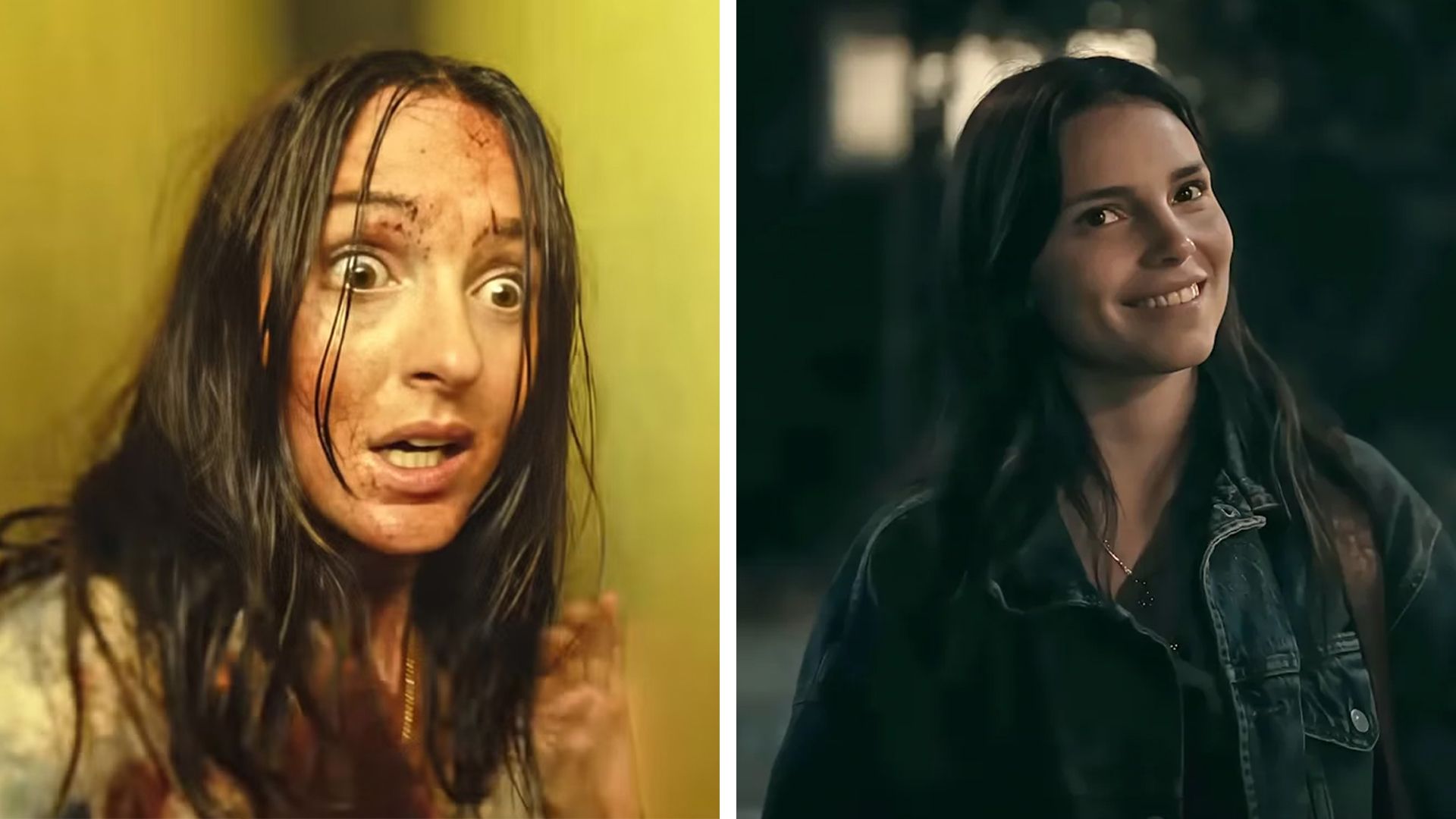
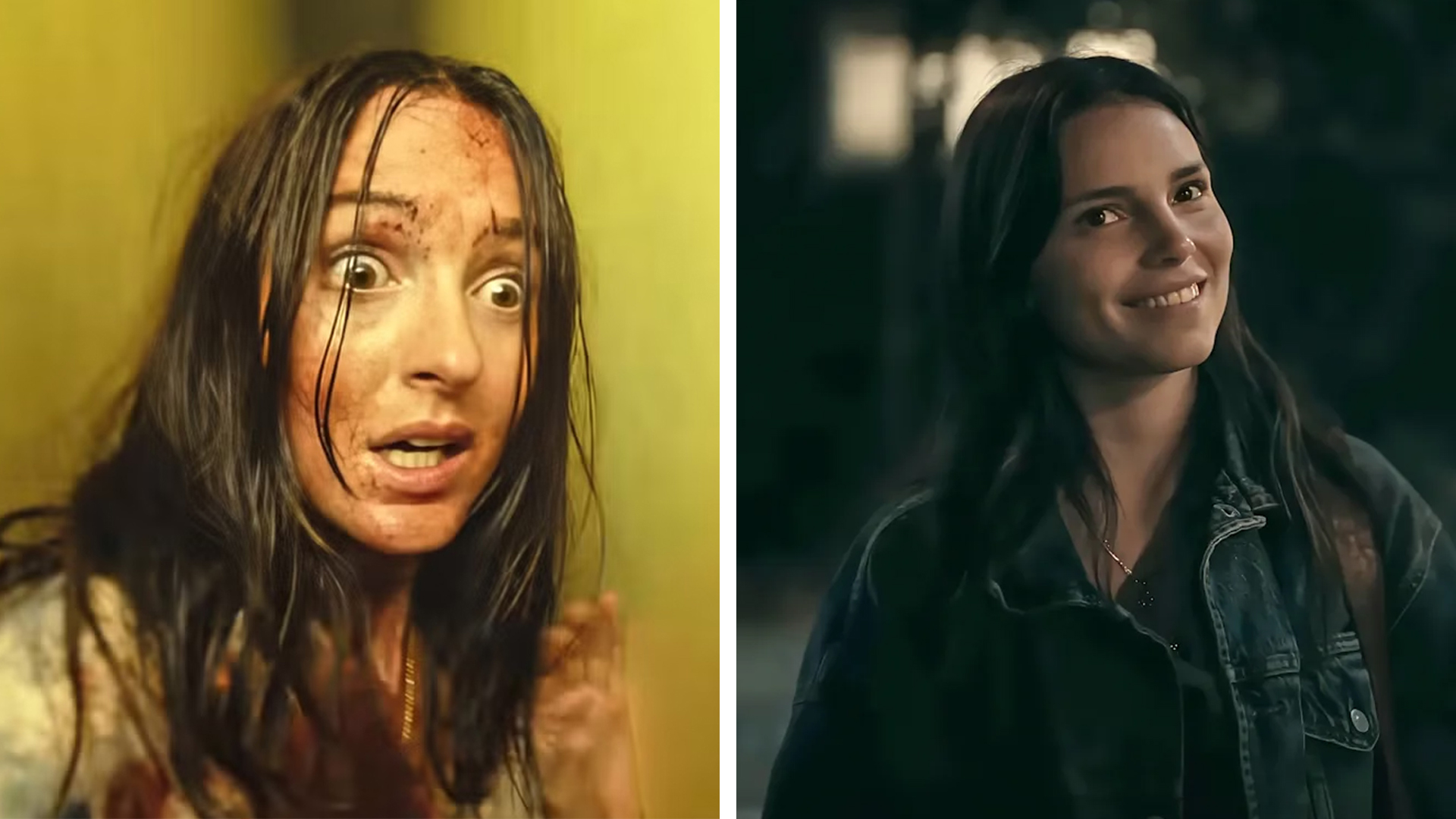
The traditional gatekeepers of Hollywood are facing an unprecedented challenge. For decades, the path to cinematic creation was paved with substantial financial investment, deep industry connections, major studio backing, and access to expensive, cutting-edge equipment. However, the recent success of independently produced films like "Backrooms" and "Obsession" is signaling a profound shift, demonstrating that audiences are actively seeking out fresh narratives, innovative aesthetics, and diverse creative voices that emerge from outside the established system. These ambitious, often unconventional projects, frequently leveraging accessible and low-cost tools such as Blender, are proving that groundbreaking cinema can be born from ingenuity rather than immense budgets. "Backrooms," in particular, has achieved remarkable commercial success, grossing $367 million globally on an astonishingly low budget of $10 million, a testament to its widespread appeal.
This trend is not lost on industry leaders. Eliot Mack, CEO and co-founder of Lightcraft Technology, views these films as harbingers of a new era in filmmaking. "The key movies in every generation are the ones that rewrite the rules," Mack stated. "What you are seeing now is the speed at which new talent gets a shot at rewriting the rules." This sentiment underscores a broader realization: the next significant evolution in filmmaking will not solely be about cost reduction, but about democratizing the entire creative process. Instead of enduring years of advocacy to convince stakeholders of an idea’s viability, creators will soon possess the means to develop, test, and showcase their concepts far earlier in the production pipeline.
This paradigm shift is precisely where platforms like Lightcraft Spark are poised to make a substantial impact. With new features slated for unveiling at SIGGRAPH 2026, Spark is an AI-assisted filmmaking platform designed to consolidate the screenplay, creative decision-making, and production planning into a unified 3D environment. This innovative approach empowers filmmakers to meticulously explore and refine their envisioned worlds before principal photography even commences, thereby streamlining the process and significantly reducing costs. Furthermore, its script-centric design allows writers and creatives who may be new to filmmaking to visualize and iterate on their ideas in a 3D space, a capability that is invaluable for effective pitching.
Mack elaborated on his vision, highlighting how "Backrooms" could serve as a precursor to a reimagined Hollywood. He also discussed how Spark could fundamentally alter the relationship between creators and studios, and why the future of filmmaking might very well belong to those who can visually demonstrate their concepts rather than merely articulate them through traditional pitches.
The Indie Uprising: New Voices, New Audiences
The question arises: are films like "Backrooms" and "Obsession" indicative of a genuine recalibration in audience demand for cinematic content? Mack asserts that this is indeed the case, emphasizing that the defining films of each generation are those that challenge existing norms. "What you are seeing now is the speed at which new talent gets a shot at rewriting the rules," he explained. The relatively young age of many of these breakthrough creators, often in their early twenties, signifies a dramatically accelerated timeline for significant industry impact. Mack anticipates this trend will only intensify as the available tools become increasingly sophisticated.
While the horror genre has historically served as a proving ground for emerging talent, Mack posits that the fundamental audience desire remains constant: to be transported. Traditionally, this transportive experience has been achieved through compelling storytelling and spectacular visuals. Spectacle, in particular, has proven to be more scalable in terms of production. This reality has, in the past, led Hollywood to favor projects that presented minimal financial risk, often at the expense of deeply innovative storytelling. However, Mack contends that the core human desire for engaging narratives has not fundamentally changed since antiquity. "I think people have always wanted to see stories that have heart," he remarked.
The emergence of new toolsets is set to dramatically lower the barriers to entry for producing such films. The layers of complexity and the associated budgetary requirements are poised for a significant reduction, effectively dismantling traditional obstacles. This will, in turn, liberate a new generation of creators to realize their artistic visions, unburdened by the financial constraints and dictates of established funding bodies.
Lightcraft Spark: A New Creative Backbone
The role of Spark within this evolving landscape is multifaceted. Mack describes it as a collaborative storytelling environment designed to accelerate this fundamental shift. It functions both as a suite of tools for narrative creation and as the underlying data infrastructure that can be integrated with other applications. The platform aims to demystify the filmmaking process, making it feel more akin to a shared, in-person creative endeavor rather than a series of abstract stages.
Deconstructing the Old Hollywood Model
Hollywood’s historical method of scaling creativity has been intrinsically linked to budget and infrastructure. Mack challenges this notion, suggesting that the industry’s long-held belief in its role as the sole driver of cinematic innovation is being fundamentally tested. For years, studios have acted as both financiers and gatekeepers for projects exceeding modest budgets. However, as the cost of production diminishes, the opportunity for more individuals to undertake ambitious, original projects expands exponentially.
This development effectively inverts the current power dynamic. Filmmakers will increasingly be in a position to dictate terms, rather than starting at the bottom rung of the industry ladder. The success stories of individuals like Kane Parsons, the creator of "Backrooms," are poised to become more common. Rather than studios seeking out talent, studios may find themselves actively courting creators whose vision and demonstrable work are undeniable. This shift promises to transform Hollywood from a rigid gatekeeper into a more collaborative partner over the long term.
Spark’s ability to facilitate early visualization and demonstration of a project’s potential is a key catalyst for this change. This capability can accelerate project development and garner support far more rapidly than traditional methods. Moreover, the increased accessibility and opportunity for creators to gain traction could decentralize the origin point of successful films, moving beyond Hollywood as the sole nexus. Mack expressed excitement about this prospect, noting that empowering creators with more avenues for breakthrough success invariably leads to a richer and more diverse cinematic landscape.
Streamlining VFX and Post-Production
For independent filmmakers, particularly those operating on limited budgets, maintaining consistency in visual effects (VFX), post-production, and overall polish has often been a significant bottleneck. Spark aims to address these challenges by organizing the filmmaking process around several core principles: the screenplay, a robust database, and seamless collaboration tools that allow for real-time ideation and tracking within a 3D environment, accessible via web or mobile devices. Achieving consistency at scale necessitates that all team members have access to and understanding of the same project information in real-time.
A crucial aspect of Spark’s design is its ability to automate complex data processes, thereby enabling smaller teams to manage a significantly larger volume of work, potentially hundreds of shots. Traditional film projects often begin with an unorganized collection of ideas and assets. By structuring projects around the screenplay and a centralized 3D database, Spark ensures that all creative decisions are systematically preserved and readily accessible. As Spark evolves, it is envisioned as a comprehensive end-to-end solution for filmmaking.
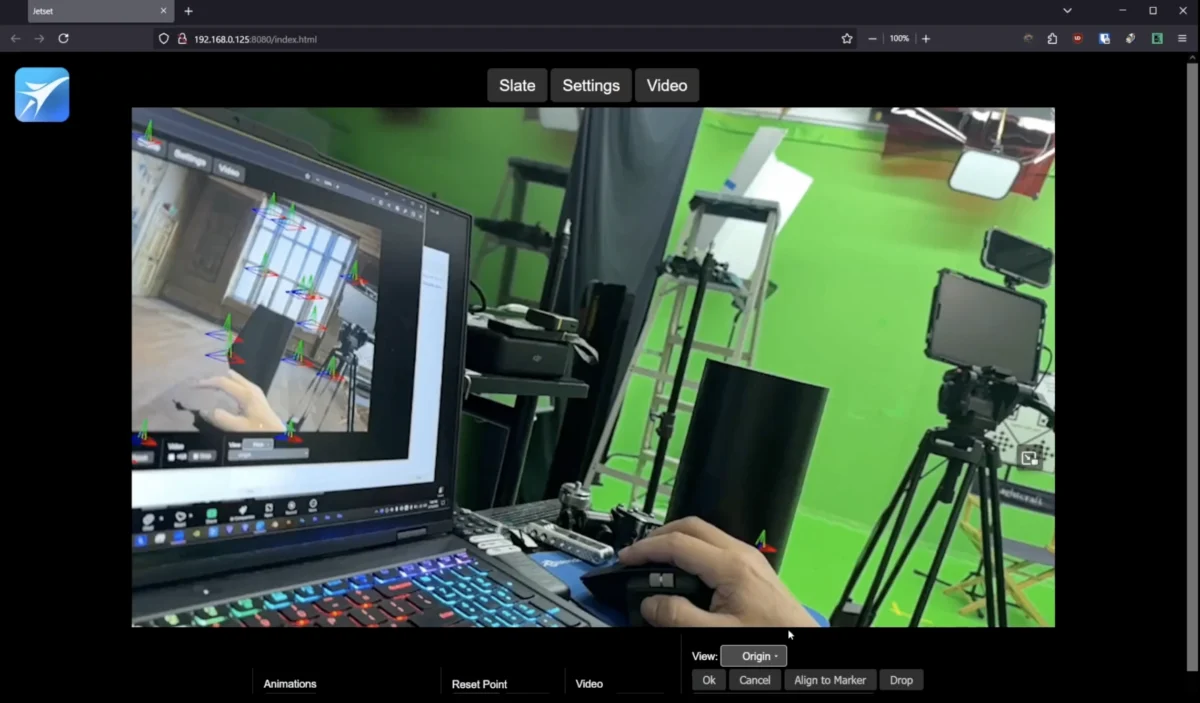
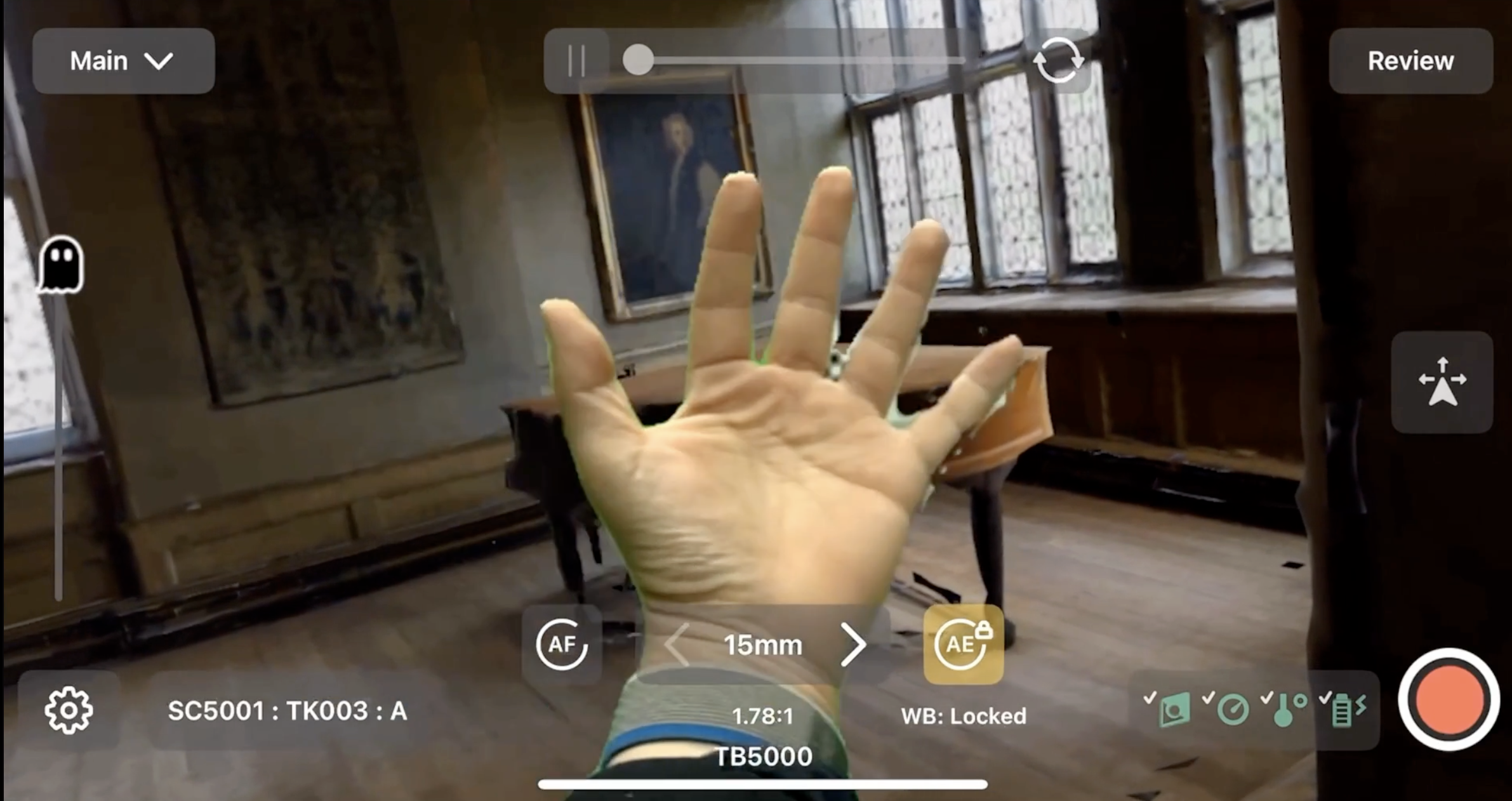
During the initial stages of ideation and experimentation, Spark provides a system that not only facilitates free creative exploration but also meticulously tracks the status and focus of each shot, ensuring its alignment with the script. This rigorous tracking promotes future consistency by centralizing all project-related information, making it easily discoverable for team members seeking the most current and accurate project data.
When all collaborators can draw from a single, unified source, collaboration becomes an intuitive and automatic process. Spark Story is designed to foster an environment where cinematic decisions can be instantly communicated and replicated by others in a 3D space, enabling rapid, visual feedback loops without the risk of data loss. This capability is particularly beneficial for small to mid-sized teams, propelling their productivity forward.
The ability to visually communicate complex ideas, such as camera angles or shot compositions, eliminates the need for lengthy verbal explanations. A filmmaker can simply present a proposed shot, and collaborators can immediately grasp the intent. Spark provides the tools to expedite this visual communication, minimizing data fragmentation and ensuring that creative ideas are not lost in translation.
Aesthetic Evolution: From Raw to Refined
A distinct aesthetic characterized by rawness, imperfection, and emotional resonance has emerged from low-budget viral films. The question arises whether Spark amplifies this existing aesthetic or refines it into a more studio-grade output. Mack clarifies that Spark Story provides a flexible environment for creators to define their desired aesthetic, emphasizing that the artistic vision ultimately originates with the filmmaker. The platform’s primary objective is to automate tedious tasks and empower teams to work with agility. While Spark is built on robust, studio-grade technical foundations, such as USD (Universal Scene Description) and high-precision tracking, it does not impose a predetermined visual style. This flexibility allows creators to achieve a polished, studio-level finish if desired, or to retain a more distinctive, independent aesthetic.
Spark as Essential Infrastructure
The transition of a tool like Spark from a helpful software to indispensable infrastructure for studios hinges on demonstrable success. Mack points to the financial viability and repeatability of projects produced using such platforms. When films created with these tools achieve significant commercial and critical wins, especially with budgets that are a fraction of traditional studio productions, studios are compelled to take notice. The ability to systematically replicate success is a key motivator for Hollywood. Furthermore, if Spark-enabled films begin to outperform studio productions, it will create an undeniable impetus for adoption.
The rapid growth of creators who are accustomed to working with agile and lightweight tools will also contribute to Spark’s widespread integration. Mack anticipates that the shift will be swift, citing studios’ current efforts to identify and engage with emerging talent from platforms like YouTube and Reddit. Success breeds imitation, and studios are eager to capitalize on the next wave of groundbreaking creators.
Unifying the Fragmented Filmmaking Process
Spark’s core function is to unify disparate elements of filmmaking that have historically been siloed across multiple teams, tools, and budgets. Mack describes the traditional filmmaking process as a series of "little islands" – pre-production, production, and post-production – that are often disconnected. The lack of communication between individuals involved in these distinct phases can lead to duplicated efforts and inefficiencies. Because this fragmentation has been accepted as an inherent challenge of filmmaking, tools have evolved independently, lacking a common data backbone. Spark aims to provide this unifying infrastructure.
By connecting these diverse components, Spark offers a shared language and framework that facilitates communication and collaboration across the entire production pipeline. It does not seek to replace existing, high-quality tools like Avid, Premiere, Blender, Maya, or Unreal Engine. Instead, its purpose is to create a more effective way to integrate them, bridging the gap between the creative world of storytelling and the technical infrastructure of filmmaking. This integration addresses the fundamental disconnect between envisioning a story and executing its technical realization, a persistent challenge in the industry.
The duality of filmmaking – the artistic pursuit of vision, character, and emotional resonance, and the practical challenges of logistical execution – often creates friction. Mack argues that by bringing these aspects into a shared environment, Spark can resolve much of this confusion and significantly reduce production costs.
The Evolving Role of Traditional Studios
In an ecosystem where independent filmmakers can achieve "Hollywood-adjacent" results without traditional Hollywood resources, the role of the studio is set to transform. Mack envisions studios shifting from their historical positions as overseers, backers, and ultimate deciders to a role more akin to modern venture capital firms. Ideally, Hollywood could evolve into a hyper-charged incubator program, facilitating the scaling and development of promising projects. The industry’s century-long legacy of expertise in filmmaking remains invaluable, and these insights will continue to be relevant.
A critical question concerns the fate of talent discovery. Historically, Hollywood has acted as a gatekeeper, with many aspiring creatives spending years seeking their breakthrough. Spark Story is poised to change this dynamic by enabling a more transparent and accessible method for identifying talent. Filmmakers who can clearly envision a story, develop compelling visual sequences, and present a compelling rough cut to potential funders will naturally stand out. Spark facilitates a "seeing is believing" scenario, acting as a virtual screen test for filmmakers. This allows for quicker identification of promising talent and their creative capabilities.
New Genres and Formats
The emergence of tools like Spark, which accelerate storytelling and make ambitious ideas more financially attainable, is expected to unlock new creative opportunities. Mack anticipates a shift not necessarily towards entirely new genres, but rather an expansion from short-form, viral content towards more expansive, long-form projects.
When creators and audiences connect deeply with characters and worlds, there is a natural inclination to explore these creations on a larger scale, whether through feature films or series. The success of "Backrooms" serves as a prime example, with its creator, Kane Parsons, having a long-term vision that has spanned both YouTube shorts and a feature film. The availability of tools like Spark is likely to embolden more creators to pursue ambitious projects, recognizing that greater creative scope can lead to greater rewards.
The Future of Indie Production: Five Years On
Looking five years into the future, a "typical" independent production will likely bear little resemblance to today’s model. The current process often involves writing a script and then embarking on a lengthy pitching process. In the Spark-enabled future, pre-production will begin concurrently with script development. Collaborators will work together within Spark, pre-shooting scenes and testing locations as the script evolves. This shift transforms filmmaking from a solitary endeavor into a fluid, collaborative process.
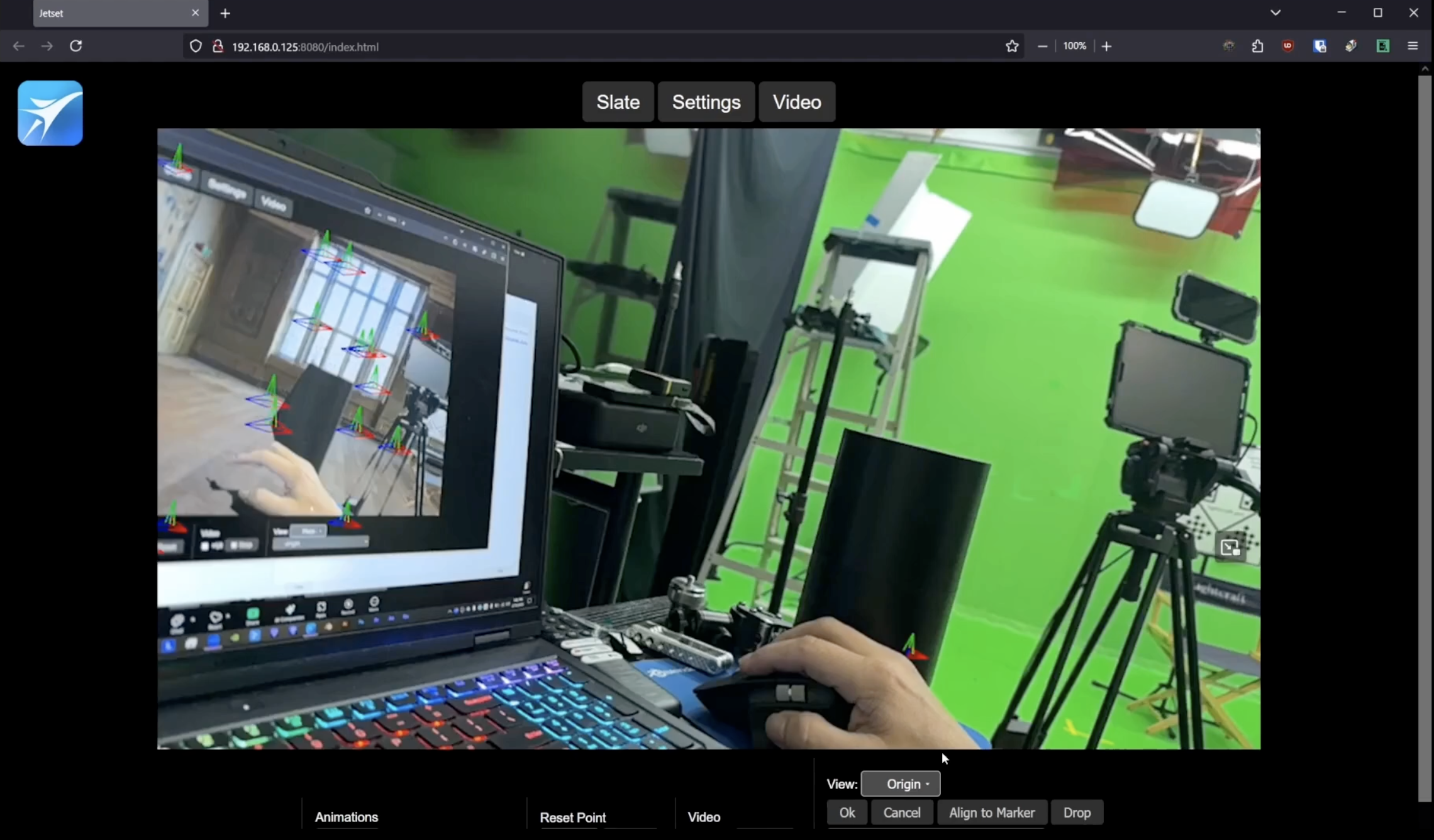
This approach will move creators away from the daunting task of facing a blank page and towards a more playful, creatively fulfilling, and collaborative workflow. The ability to workshop scenes with friends in a comfortable, browser-based environment will be far more engaging than working in isolation. Crucially, this method will allow filmmakers to visually assess the viability of their projects from the outset, fundamentally altering the development process.
The availability of pre-shot sequences or rough cuts will revolutionize the pitching process. Currently, pitches often rely on hope and imagination, as scripts struggle to convey the intended tone and visual feel. With 3D visualizations, potential investors and collaborators can gain a tangible understanding of the film’s potential, significantly increasing the likelihood of securing support for visions that demonstrate genuine promise.
This pre-production workflow will also lead to meticulously planned principal photography. The efficient execution of "Backrooms" on its modest budget, for instance, was partly due to Kane Parsons’ extensive pre-visualization in Blender. Within five years, this practice is expected to become the industry standard. Filmmakers will opt for a detailed pre-shooting plan as a template for production, avoiding the uncertainties of entering production without a clear visual roadmap. All essential data, including shot choices, data capture parameters, and planning decisions, will be centralized and accessible, allowing for remote oversight and problem-solving as needed.
Post-production will also undergo a transformation, moving away from its perception as a mysterious "black hole." Spark will enable filmmakers to track every aspect of the process, from individual shots to their integration within the larger project. This real-time visibility will allow for proactive identification of shots requiring further work and those that are nearing completion. As projects develop within Spark, a logical end-to-end flow will become apparent, fostering a more cohesive production.
Collectively, these advancements will render the filmmaking process less disjointed and confusing. Creators will possess a clear understanding of their project’s trajectory, enabling them to work with fluidity, speed, and remarkable efficiency. They will have a definitive source of truth for their project, facilitating easy access to answers, seamless onboarding of collaborators, and streamlined teamwork. This transformation, while profound, is anticipated to feel intuitive, as if it represents the way filmmaking should have been conducted all along.