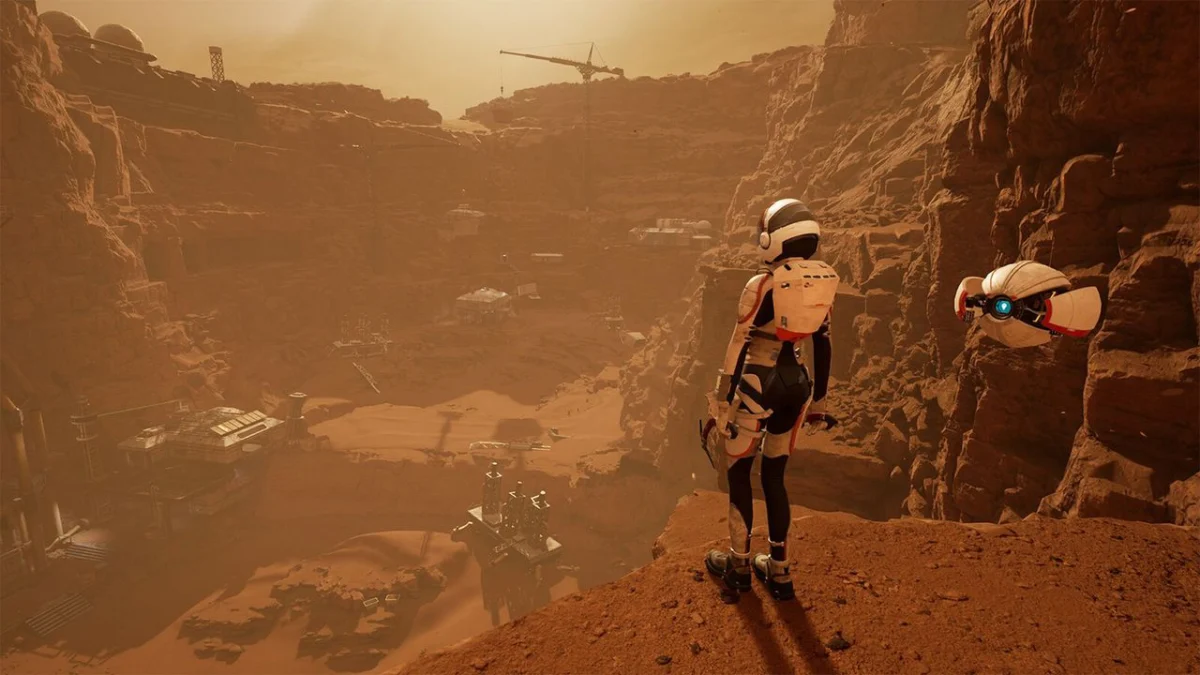
The realm of video game development, often perceived as a linear march towards a polished product, can sometimes yield insights that defy simple step-by-step instruction. This was precisely the experience at Develop: Brighton 2026, where Art Director Gerben Pasjes, known for his work on the critically acclaimed indie titles Deliver Us The Moon and Deliver Us Mars, delivered a presentation that, while not offering a straightforward blueprint for success, profoundly illuminated a powerful approach to game art direction: the application of first principles.
Pasjes’ talk, delivered on the concluding day of the prominent industry conference, delved into a methodology rooted in the philosophical inquiries of René Descartes, the 17th-century luminary of the Age of Enlightenment. Descartes’ iconic assertion, "I think, therefore I am," serves as a touchstone for the concept of first principles. This philosophical stance advocates for dismantling all preconceived notions, inherited influences, and superficial assumptions to arrive at fundamental, undeniable truths. When applied to game art direction, this approach offers a potent means of forging an artistic identity that is authentically unique to a given game.
While the invocation of a 17th-century philosopher might not immediately suggest a universally applicable solution, the core of Pasjes’ message resonated deeply within the development community. His presentation, far from providing a rigid formula, instead offered a framework for critical thinking that empowers art directors to navigate the complex landscape of game creation with clarity and purpose. The principles he outlined are not prescriptive mandates but rather guiding lights, encouraging a deeper understanding of the foundational elements that contribute to a game’s visual identity and player experience.
The Develop: Brighton conference, held annually, serves as a crucial nexus for game developers, fostering collaboration, knowledge sharing, and the exploration of cutting-edge trends. Its 2026 iteration, like its predecessors, brought together a diverse array of talent, from seasoned industry veterans to emerging indie developers, all eager to glean insights that could propel their projects forward. Pasjes’ presentation stood out for its intellectual rigor and its departure from more conventional technical deep dives, offering a philosophical lens through which to examine the creative process.
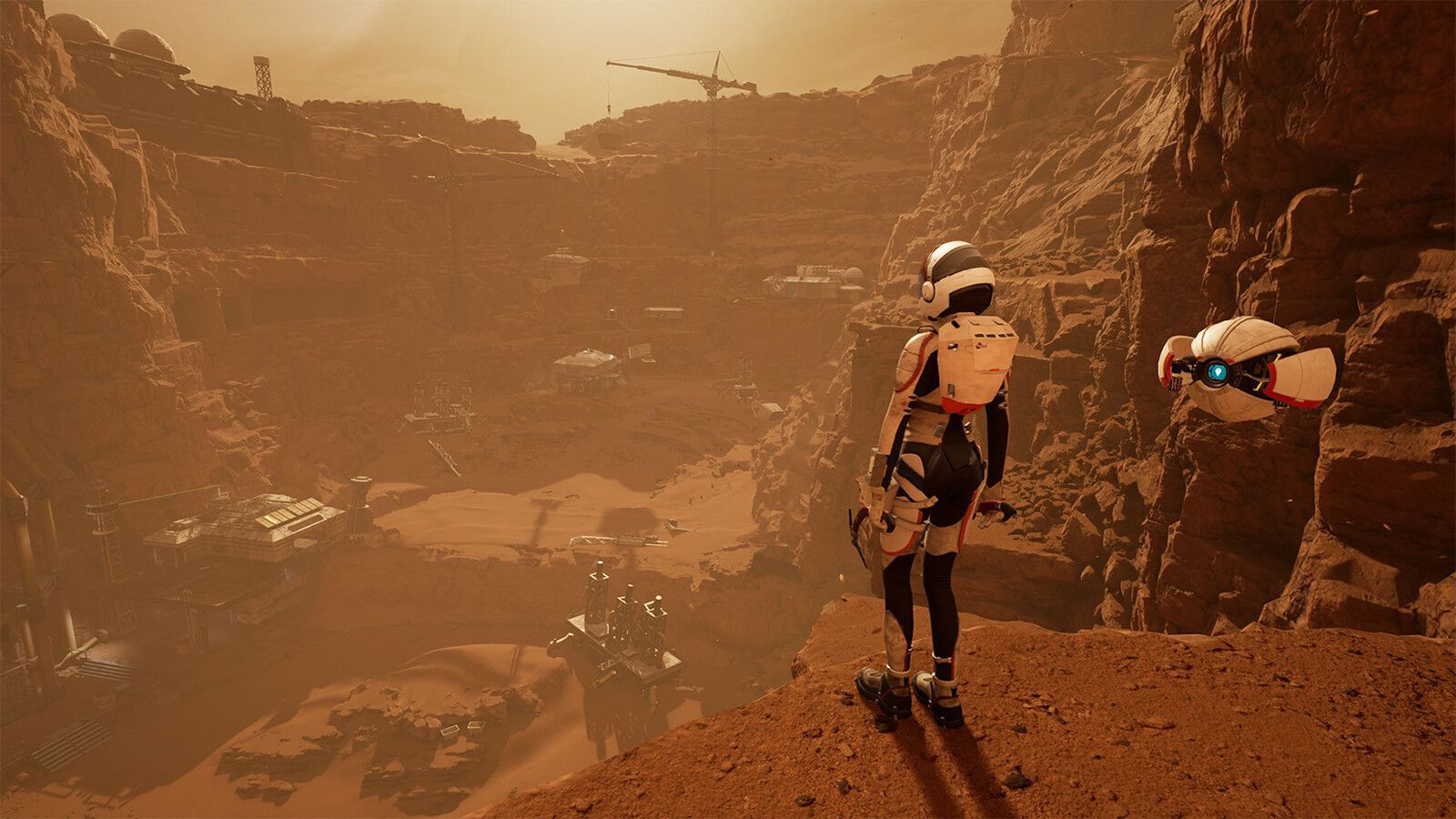
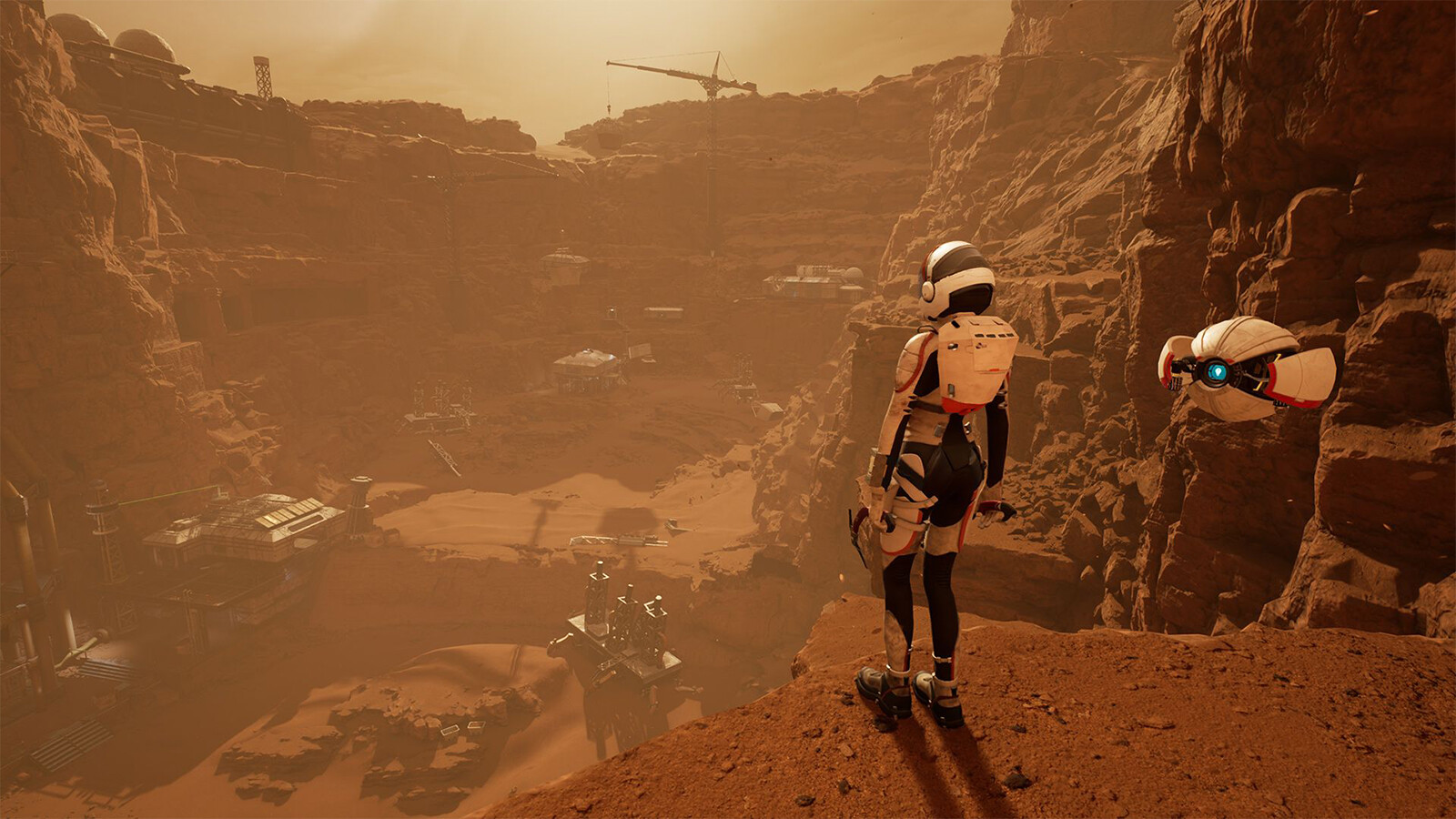
Pasjes, who has cultivated a reputation for his meticulous approach to visual storytelling in games like Deliver Us The Moon and its sequel, Deliver Us Mars, drew upon his extensive experience to illustrate his points. These titles, celebrated for their atmospheric environments and compelling narratives, provided fertile ground for his exploration of how fundamental truths can be unearthed and translated into tangible artistic choices. His career trajectory, from concept artist to art director, has equipped him with a holistic understanding of the visual development pipeline, allowing him to articulate the interconnectedness of art and design principles.
The Indispensable North Star: Defining a Game’s Core Identity
At the genesis of any game development project, the vision extends far beyond a singular idea. It encompasses a holistic understanding of the game’s essence, capable of articulating its core purpose and answering fundamental questions that inevitably arise during the conceptual and pitching phases. Pasjes identified this guiding vision as the game’s "North Star," a concept often synonymous with "creative pillars." This North Star acts as an unwavering beacon, ensuring that every creative decision, regardless of discipline, aligns with the overarching artistic and thematic goals of the project.
Pasjes elaborated on this crucial point by referencing his past work. "Our core pillar for Deliver Us the Moon was to make the player feel like a real astronaut," he explained. "Every creative decision made in any given discipline had to feed back into this idea." This singular focus meant that considerations ranging from environmental design and character movement to lighting and soundscape were all evaluated through the lens of astronaut immersion. The implication is that by adhering to a clearly defined North Star, development teams can avoid creative drift and maintain a cohesive artistic direction, even amidst the inevitable challenges and iterations inherent in game development.
This principle is not merely an aesthetic consideration; it has profound implications for the player’s experience. A game with a strong, well-defined identity is more likely to resonate with its target audience. When players can intuitively grasp what a game is about and what kind of experience it aims to deliver, they are more likely to become invested and engaged. The North Star, therefore, serves as both an internal compass for the development team and an external promise to the players.
Deconstructing Play: The Three Loops of Game Design and Art
A particularly insightful framework introduced by Pasjes involved the concept of game loops, often categorized into micro, macro, and meta levels. From an art director’s perspective, this translates into a critical consideration of what the player perceives across different temporal scales: "what does the player see, from second-to-second, minute-to-minute, hour-to-hour." This understanding is paramount in tailoring the visual density and artistic detail to the player’s moment-to-moment engagement.
Pasjes drew a compelling, if somewhat surprising, parallel between the art direction of Arc Raiders and Skyrim. Both games, he noted, exhibit a similar "local density" in their environments. This similarity stems from the fact that players navigate these worlds at a comparable human walking speed. Consequently, the "asset density per square meter is tuned around this speed." The visual information presented to the player within a given area is designed to be digestible and engaging at this pace, preventing both visual overload and tedium.
The key divergence, as Pasjes highlighted, lies in the scale of their respective worlds. Skyrim, with its vast open world, necessitates a significant art effort to generate diversity within similar biomes, ensuring that the expansive landscape remains visually interesting over extended playtimes. In contrast, Arc Raiders, likely a more focused experience, dedicates more artistic resources to the meticulous design of zone transitions, creating distinct and memorable experiences as players move between different areas. This analysis underscores how an understanding of game design loops directly informs artistic choices regarding asset creation, environmental layout, and the pacing of visual information.
The implications of this understanding are far-reaching. For art directors, it means moving beyond purely aesthetic considerations to deeply engage with the functional aspects of gameplay. How does the visual design support or enhance the player’s interaction with the game world? By considering the player’s journey through the game’s loops, art teams can create environments that are not only visually appealing but also intuitively navigable and thematically coherent. This approach fosters a more integrated development process, where art and design work in tandem to create a unified player experience.
The Intertwined Threads: Game Design’s Influence on Art Direction
Pasjes’ presentation strongly emphasized that a comprehensive understanding of game design is not merely beneficial but essential for effective game art direction. He articulated this by referencing the "3C principle" – character, camera, and control – as a vital lens through which to scrutinize a game’s artistic vision. This principle underscores the interconnectedness of different development disciplines and highlights how artistic choices are intrinsically linked to fundamental design decisions.
The camera, for instance, is the primary conduit through which players perceive the game world. However, its impact extends far beyond simply selecting a perspective, whether first-person, third-person, side-scrolling, or isometric. Pasjes illustrated this with a striking comparison: "The third-person perspective in Gears of War makes you feel extremely heavy, but our same third-person perspective in games like Marvel Rivals is super snappy." This illustrates how subtle variations in camera mechanics, field of view (FOV), and movement speed can dramatically alter the player’s sense of embodiment and the overall feel of the game.
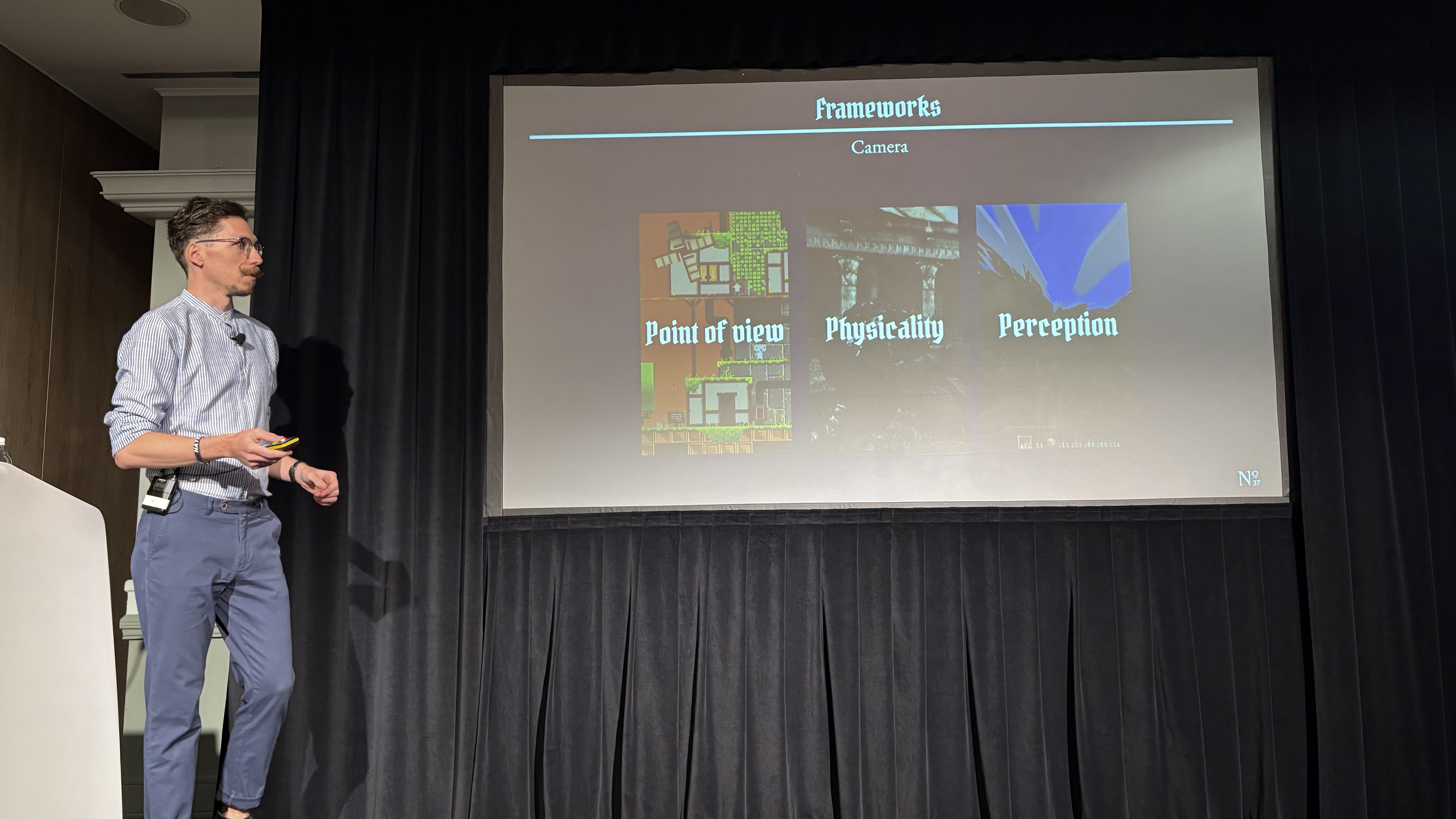
He further elaborated on the perceptual impact of FOV: "What the player feels at 60 FOV is much more claustrophobic. At 90, they have much more peripheral vision, but now we have to tune our environmental compositions around that." This demonstrates a crucial feedback loop: design decisions regarding camera and FOV directly influence how environmental artists must compose scenes, manage visual clutter, and guide the player’s eye.
Control, or "game feel," is another area where art and design are inextricably linked. Pasjes pointed to Diablo as a prime example. "You spend 90% of the time left-mouse clicking, but they spent an insane amount of effort to make left-mouse clicking very compelling and engaging." This meticulous attention to detail in even the most basic interactions—the visual and auditory feedback associated with a click—is a testament to how art can elevate the player’s experience of fundamental mechanics. It suggests that the art team’s role extends to making the mundane extraordinary, investing significant effort in polishing seemingly simple actions to enhance their satisfaction and impact.
The implication here is that art directors must be more than just visual stylists; they must be astute observers of gameplay. By understanding how character design, camera behavior, and control schemes influence player perception and engagement, art teams can make more informed and impactful decisions. This collaborative synergy ensures that the art not only looks good but actively contributes to the game’s core mechanics and overall player experience, fostering a more cohesive and immersive final product.
Early Validation: Prototyping Art and Design in Tandem
A recurring theme in Pasjes’ presentation was the critical importance of validating art choices with design principles as early as possible in the development cycle. Prototyping, he emphasized, is not merely a tool for testing mechanics but a vital mechanism for ensuring that art and design remain harmoniously aligned. He recounted an experience where the introduction of a vaulting mechanic during the production phase of a game necessitated a significant re-evaluation of the entire environment pipeline.
"Suddenly, we had to look at our entire environment pipeline again, and make sure that all of the desks, all of the chairs, all of the fences and railings were fitting neatly into a specific height arena," Pasjes explained. This example highlights a common pitfall: the potential disconnect between early artistic concepts and late-stage gameplay additions. When a new mechanic is introduced, the environment must be designed to accommodate it seamlessly. "The player uses their knowledge of what the character can do, and then tries to navigate the environment based on what they think they can do. If suddenly a fence that they think they can vault over isn’t vaultable, it takes them out of the immersion."
The core message is clear: it is far more efficient and effective to answer fundamental design questions during the concept and preproduction phases before committing significant resources to production. Pasjes aptly summarized this sentiment: "We want to avoid building the rails while the train is moving." This proactive approach, centered on early prototyping and continuous communication between art and design teams, can prevent costly rework and ensure that the game’s visual elements actively support, rather than hinder, its intended gameplay.
The impact of this early validation extends beyond mere efficiency. It fosters a more integrated and cohesive game. When art and design are developed in tandem, the resulting visuals are more likely to feel organic to the gameplay, enhancing immersion and player satisfaction. This approach requires a culture of open communication and collaboration, where designers and artists are encouraged to share their work-in-progress and provide constructive feedback at every stage.
Embracing Constraints, Innovating Within Bounds
The philosophy of first principles, in its purest form, advocates for questioning established norms and exploring novel solutions. However, Pasjes offered a pragmatic perspective, particularly for smaller development teams, by acknowledging the value of leveraging existing tools and technologies. He advised that teams should "use engines like Unity or Unreal as intended, because spending your small team on resources building custom technology is not always a good use of your time if you’re under pressure." This is a strategic concession, recognizing that while innovation is desirable, practical constraints often dictate the most efficient path forward.
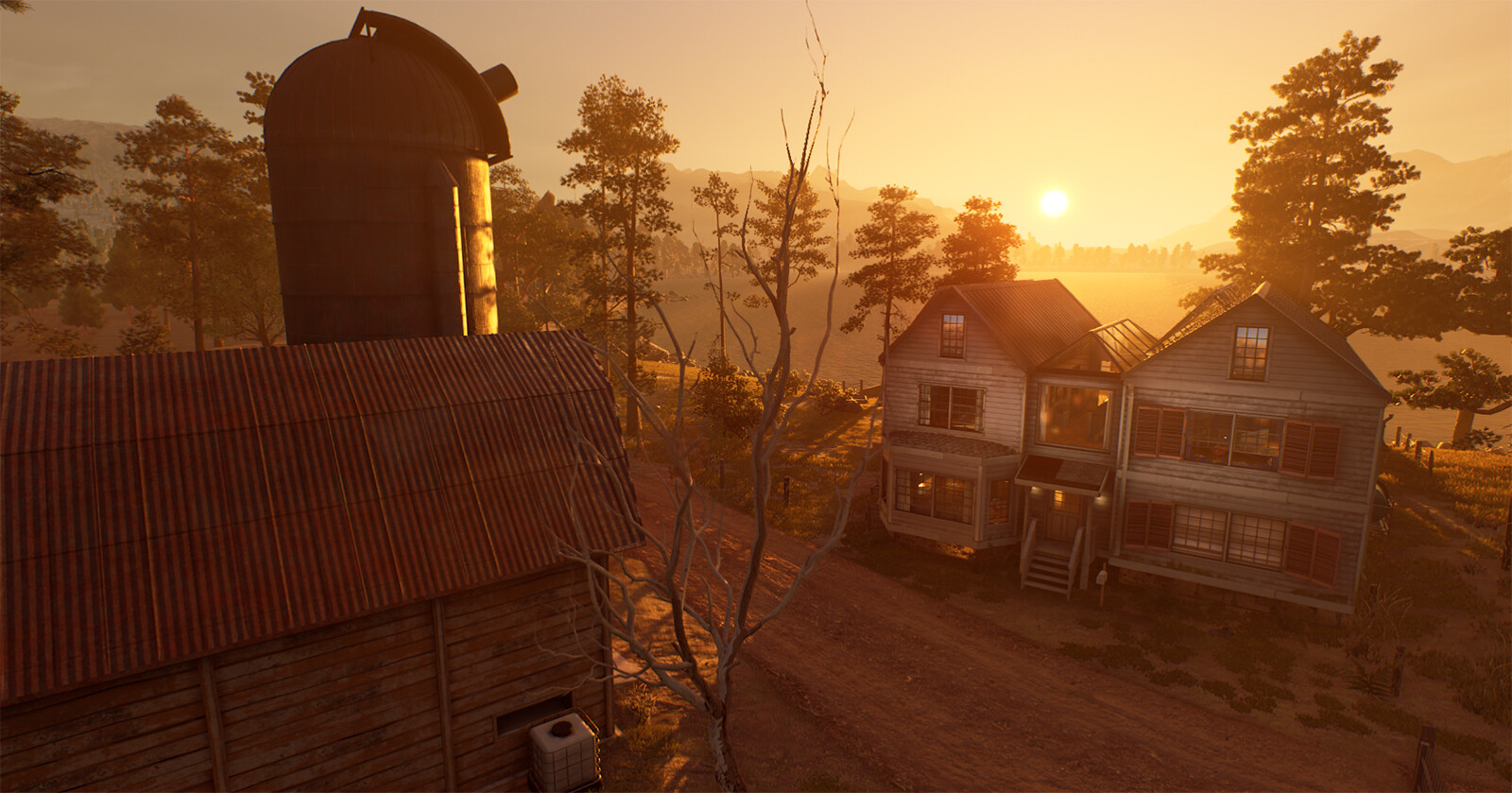
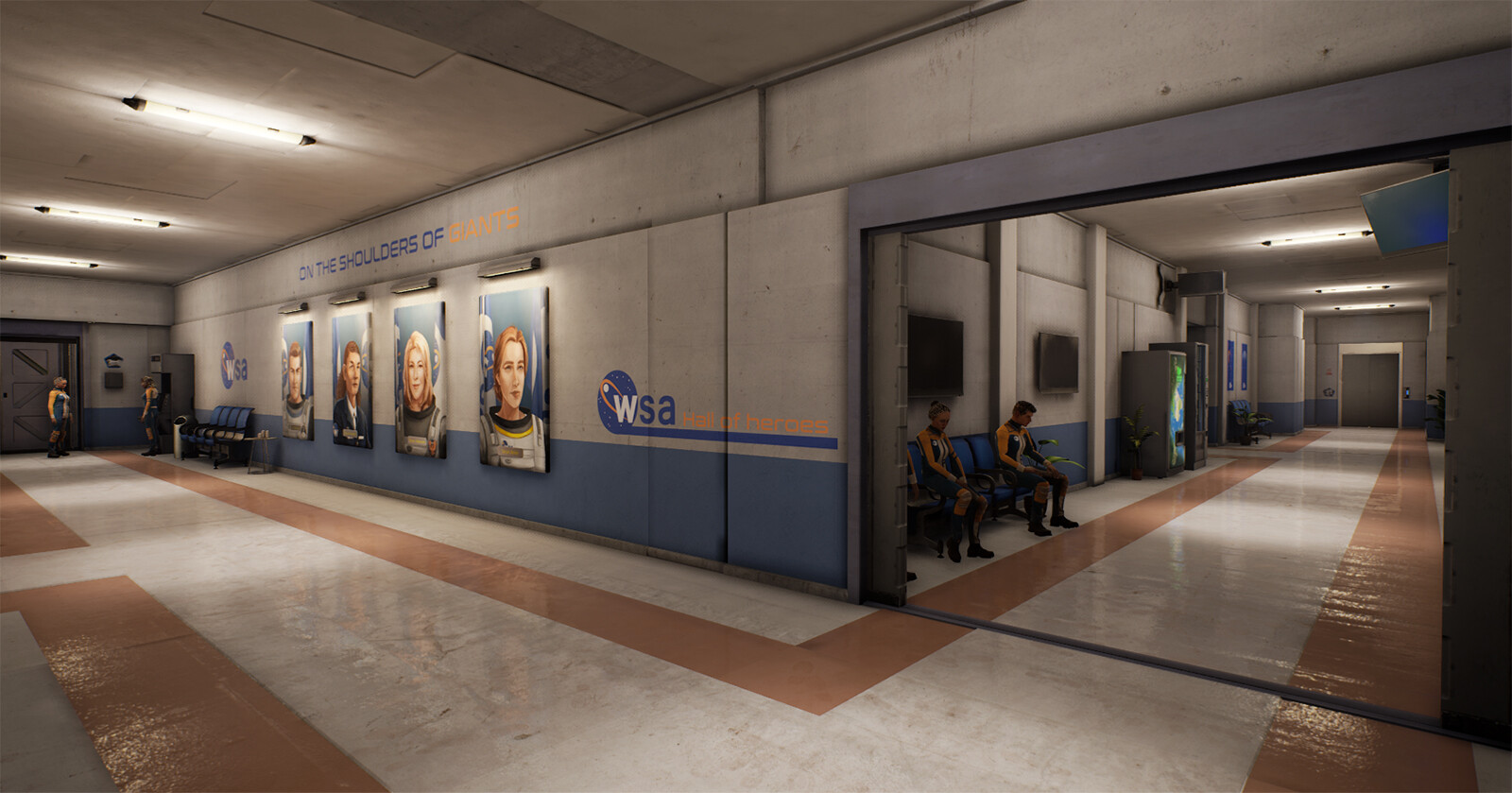
This endorsement of industry-standard engines does not preclude artistic innovation. Pasjes illustrated this by detailing the approach taken by the small art team on Deliver Us Mars. With only two environmental artists, they developed a versatile modular kit that served as the foundation for all of the game’s levels. The team then leveraged different lighting scenarios to imbue these modular assets with distinct visual identities and color palettes. This demonstrated how creative application of existing tools and a focused artistic vision can lead to diverse and engaging environments, even with limited resources.
Furthermore, Pasjes highlighted a clever workaround for creating visual variety. When a destroyed version of a barn asset was needed, instead of dedicating more time to creating entirely new assets, the team exported the existing barn model into Blender, ran a physics simulation, and then paused it. This ingenious technique yielded a compellingly damaged version of the barn, showcasing resourcefulness and a deep understanding of available tools.
The overarching message is one of strategic constraint management. By understanding the limitations and capabilities of their resources, teams can devise creative solutions that are both innovative and achievable. The goal, as Pasjes articulated, is to "lean into its unique constraints" to produce a game that is "deeply unique to the studio." When a game is built from the ground up with a clear artistic vision and a resourceful approach to development, it carries an inherent authenticity, a testament to the team’s ability to craft something truly original within its own specific context. This perspective underscores that true innovation often lies not in reinventing the wheel, but in creatively reinterpreting and repurposing existing elements to serve a unique artistic purpose.