
Brazil has transformed its reputation in the global cryptocurrency landscape, evolving from a peripheral participant into a resilient hub for digital asset infrastructure. Between the third quarter of 2025 and the third quarter of 2026, the nation’s estimated hashrate contribution surged from approximately 2.5 exahashes per second (EH/s) to 3.5 EH/s. This 40% year-over-year growth follows a steady climb from just 1.5 EH/s in early 2025. While the explosive growth of 2024 has transitioned into a more stable phase, the most compelling metric lies in Brazil’s relative performance. During a recent quarter where the global network hashrate contracted by 6.4%—dropping from 1,004 EH/s to 940 EH/s as operators in the United States, Russia, China, and Kazakhstan idled hardware—Brazil remained steady at 3.5 EH/s. This stability increased Brazil’s global hashrate share to approximately 0.37%, signaling a level of operational conviction that distinguishes it from more volatile jurisdictions.
The narrative of Brazilian mining is no longer a footnote characterized by a complicated tax code and a messy grid. Instead, it is a story of strategic energy arbitrage and institutional maturation. With the global mining industry increasingly scrutinized for its environmental impact, Brazil’s predominantly renewable power grid offers a structural advantage that few other nations can match. The next 12 months are projected to be a defining period that will determine if Brazil can secure a position among the world’s top five Bitcoin mining jurisdictions.
The Brazilian Energy Powerhouse: A Green Grid for Digital Gold
The foundation of Brazil’s mining appeal is the Sistema Interconectado Nacional (SIN), a massive and sophisticated grid that generated 708.1 terawatt-hours (TWh) in 2023. Brazil’s installed capacity reached approximately 232 gigawatts (GW) in 2024 and is on a trajectory to hit 268 GW by 2029. The generation mix is an anomaly on the global stage, frequently operating at 88% to 90% renewable composition.
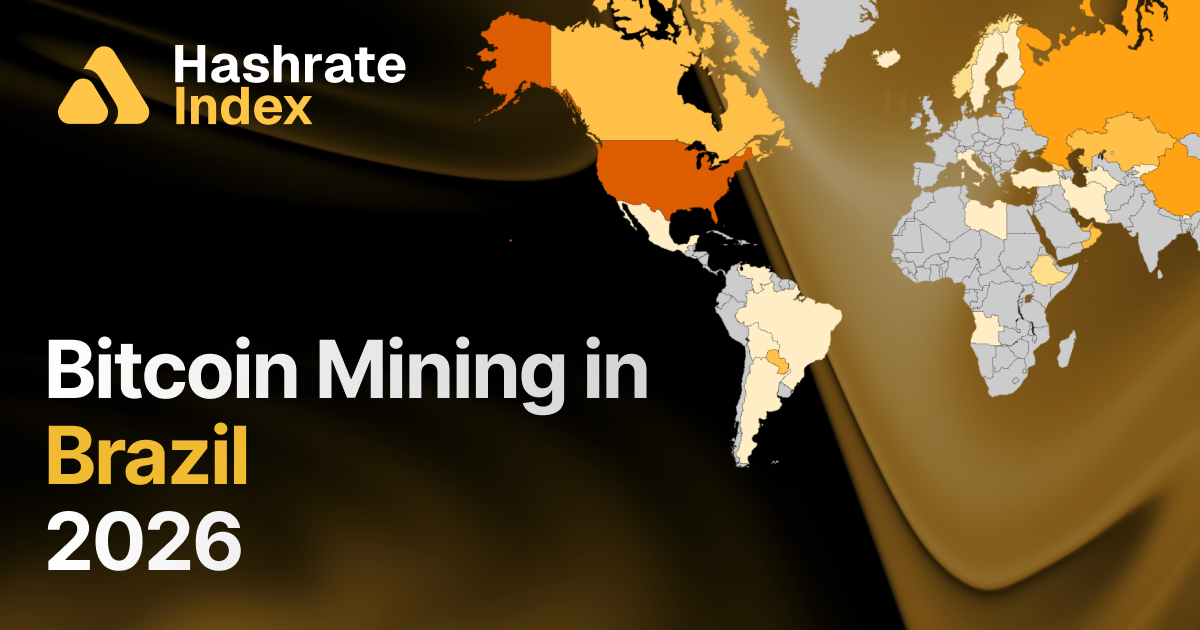
Key assets within this system include the Itaipu Dam, a 14,000 MW facility shared with Paraguay; Belo Monte, an 11,233 MW project in Pará connected to the industrial south via a 2,518 km high-voltage direct current (HVDC) link; and Tucuruí at 8,370 MW. Furthermore, the nation boasts 19.6 GW of wind capacity across 693 plants, primarily concentrated in the Northeast.
However, regulated industrial tariffs remain high, with national averages around R$694/MWh (approximately $0.134/kWh). These rates are not competitive for mining in isolation. The real opportunity lies in the Ambiente de Contratação Livre (ACL), or the Free Contracting Environment. Under the reforms of Portaria 50/2022, which reached full implementation in 2024, high-tension consumers can bypass default distribution networks to negotiate directly with generators. This deregulation allows miners to secure bilateral contracts with wind or hydro producers, locking in fixed prices and insulating operations from the "Bandeira Tarifária" system—the mechanism that adds surcharges to energy bills during periods of poor hydrology and thermal plant dispatch.
Chronology of the Brazilian Mining Evolution
The transition of Brazil into a mining contender followed a specific timeline of regulatory and economic shifts:
- 2022: The issuance of Portaria 50/2022 sets the stage for energy market deregulation, allowing smaller high-tension consumers to enter the ACL.
- 2023: Early institutional pilots begin. Arthur Mining initiates its formal Brazilian expansion after proving its model in the United States.
- 2024: Full implementation of ACL reforms. Renewable energy curtailment in the Northeast reaches critical levels, with 1,445 plants affected by 400,000 forced interruption hours.
- 2025: Hashrate begins a steep climb from 1.5 EH/s. Vextron Technologies commences operations, focusing on locally manufactured infrastructure.
- 2026: Brazil holds 3.5 EH/s despite a global network contraction. Major financial institutions, led by Itaú Ventures, finalize significant investments in the sector.
The Institutional Vanguard: Key Market Operators
The maturity of the Brazilian market is best reflected in the caliber of companies currently building infrastructure. These operators are moving beyond experimental setups toward industrial-scale deployments.
Minter Digital and the Banking Connection
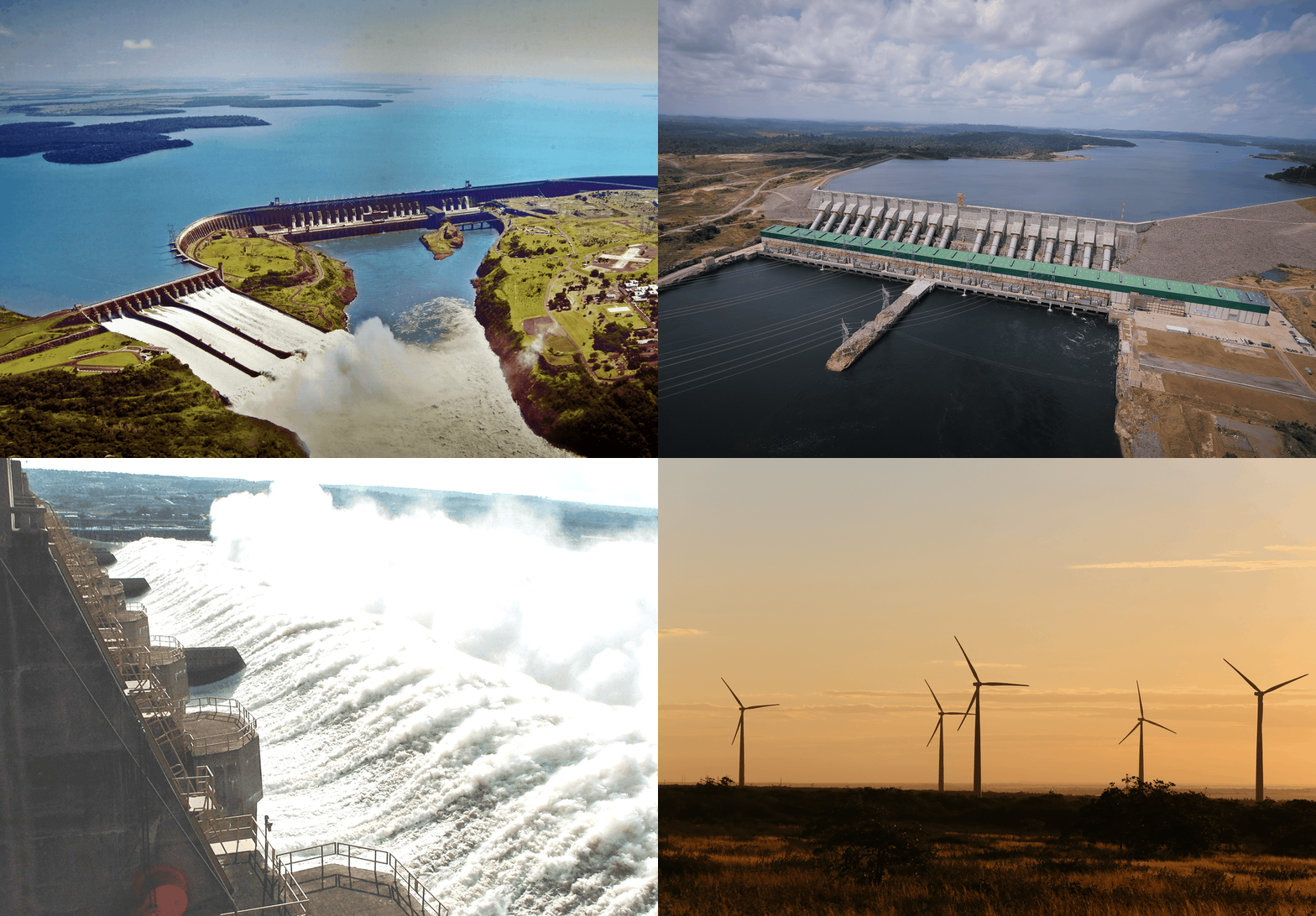
Minter Digital represents the most operationally mature entity in the current landscape. With a founding team tracing back to the public debut of CleanSpark (NASDAQ: CLSK) and the launch of the world’s first regulated crypto ETF via Hashdex, the company focuses on "financializing" mining. Minter’s "Greenabler" model co-locates mining loads with curtailment-prone generation sites. A pivotal moment for the industry occurred when Minter received a Series A investment from Itaú Ventures, the venture capital arm of Itaú Unibanco, Latin America’s largest private-sector bank. This partnership signals that Brazilian financial infrastructure now views Bitcoin mining as a legitimate energy asset class.
Arthur Mining: The Energy-First Blueprint
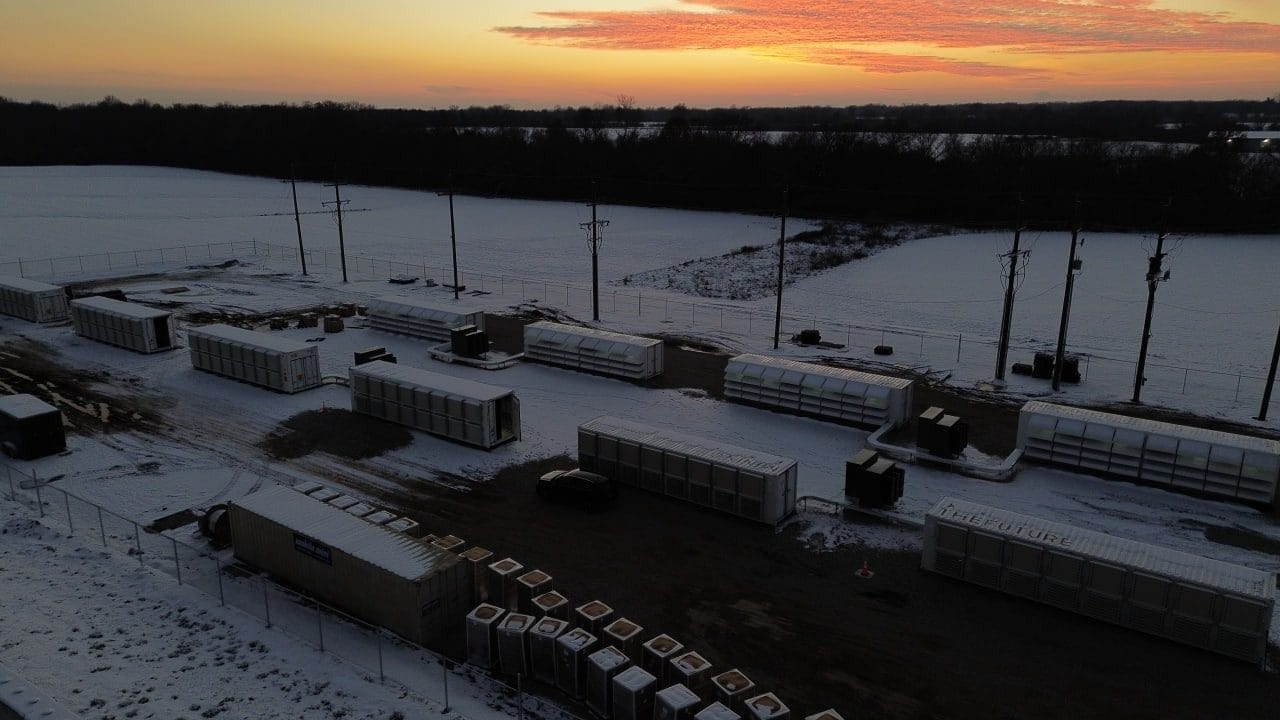
Founded by Rudá Pellini, Arthur Mining spent nearly a decade proving its containerized, mobile high-performance computing model in the U.S. across states like Wyoming and Ohio before returning to the Brazilian market. Arthur frames mining as a "grid tool," providing a flexible, revenue-generating load for power assets. While the company maintains a significant U.S. presence, its Brazilian operations through Arthur Development Group produced consistent recurring pool settlements through 2026, serving as a blueprint for institutional infrastructure.
Radius Mining and Curtailment Capture
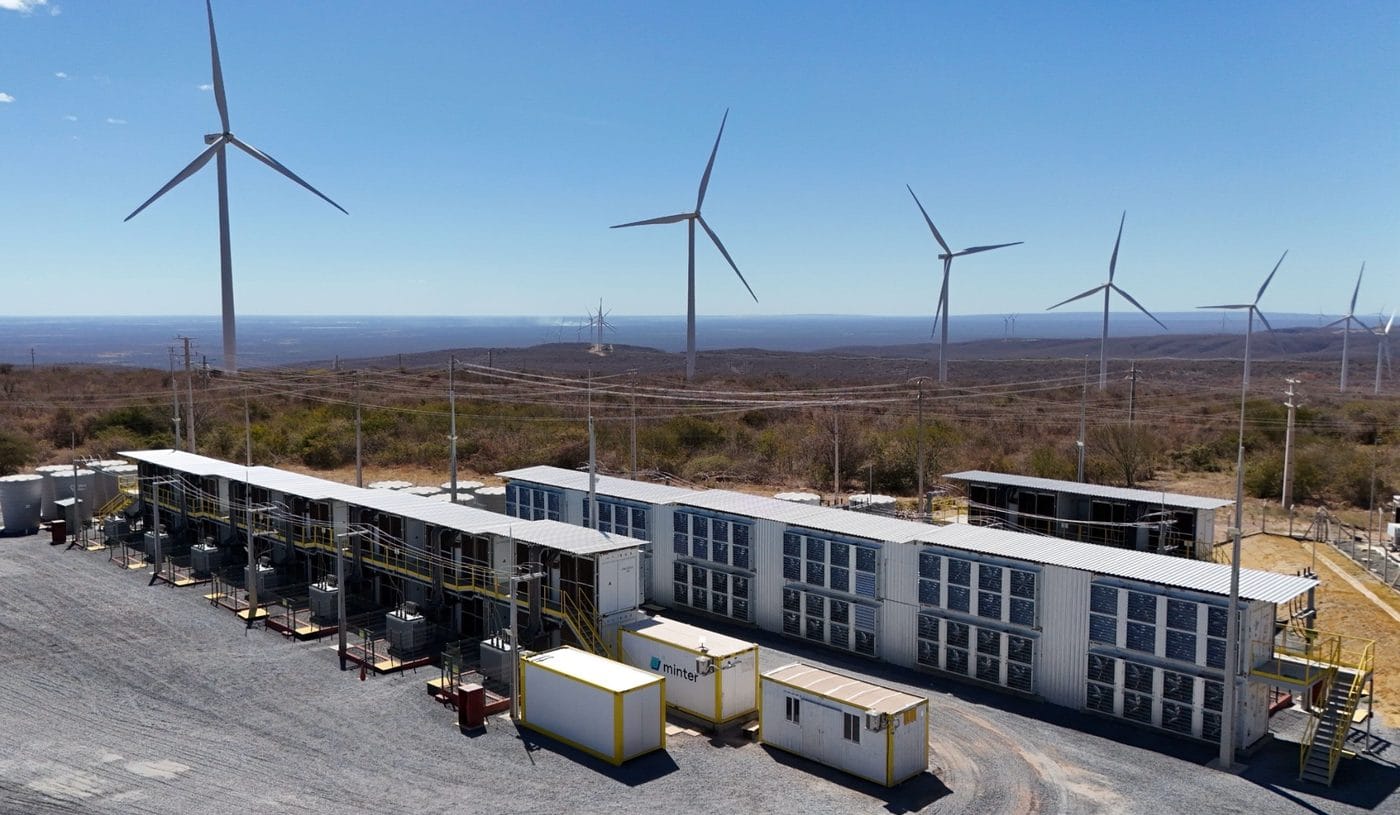
Led by former Credit Suisse banker Flávio Hernandez, Radius Mining addresses the "systematic destruction of revenue" caused by transmission bottlenecks in the Northeast. Radius deploys modular data centers directly at wind sites to consume energy that the grid cannot absorb. The company’s credibility was cemented through an operations and maintenance (O&M) contract with Axia, the successor to Eletrobras. With a R$28 million seed round backed by energy sector veterans and XP Investimentos directors, Radius aims for 50 MW of capacity by the end of 2026.
Vextron Technologies: The Local Supply Chain Hedge
Vextron Technologies, based in the tech hub of Florianópolis, tackles the "Custo Brasil" (the high cost of doing business in Brazil) through local manufacturing. By building proprietary mining modules using components from Brazilian-based suppliers like WEG and Schneider, Vextron sidesteps the friction of international logistics. Their software platform, MINERA, allows power plant operators to manage mining loads as dispatchable assets, making the "behind-the-fence" model operationally seamless for large-scale generators.
Navigating the Customs and Regulatory Labyrinth
While energy is abundant, hardware acquisition remains the primary hurdle for scaling. Brazil’s import process is notoriously rigorous. The importation of used goods is prohibited without a non-automatic license from DECEX (Departamento de Operações de Comércio Exterior). This requirement creates a mandatory buffer of 15 to 60 days before hardware can even ship.
Furthermore, the NCM (Nomenclatura Comum do Mercosul) classification of hardware determines the tax burden. Correctly classifying an ASIC miner under NCM 8473.30.49 (computing parts) results in 0% import duty and 0% federal excise tax (IPI). However, an incorrect classification under residual categories can trigger taxes exceeding 55% of the hardware’s value. When factoring in federal social contributions (PIS/COFINS) and state-level value-added taxes (ICMS), even a well-structured import carries a total tax burden of 25% to 35%. Operators must also maintain active RADAR registration with the Receita Federal to conduct these trades, a prerequisite that often surprises international entrants.
Strategic Geography: The Mining Map
Investment in Brazil is geographically segmented by risk and reward:
- The South (Sul): Comprising Rio Grande do Sul, Santa Catarina, and Paraná, this region is the most mature. It offers the lowest industrial tariffs and proximity to high-quality industrial supply chains.
- The Center-West (Centro-Oeste): This region provides access to vast land and biomass opportunities, though it requires sophisticated ACL negotiation to offset higher default tariffs.
- The Northeast (Nordeste): This is the high-stakes frontier. It contains the continent’s best wind resources but suffers from transmission bottlenecks. Operators here are essentially "front-running" infrastructure buildouts, securing energy at pre-expansion prices with the expectation that the Leilão 001/2024 transmission program will eventually resolve grid constraints.
Analysis of Implications: A Shift in Global Hashrate Dynamics
Brazil’s ability to maintain 3.5 EH/s during a global downturn suggests a decoupling from the "speculative" mining phase. The entry of institutional capital from banks like Itaú and brokerage firms like XP Investimentos indicates that Bitcoin mining is being integrated into the broader energy transition strategy of the country.
The implications are twofold. First, Brazil is providing a "green" counter-narrative to the environmental criticisms of Bitcoin mining. Second, the development of a localized supply chain (as seen with Vextron) and sophisticated financial products (such as hashrate forward financing) creates a moat that will be difficult for other emerging markets to replicate.
However, the "bear case" remains relevant. The high tax burden and the slow pace of transmission infrastructure development could cap Brazil’s growth. If the regulatory environment remains ambiguous, it may deter more conservative international institutional investors.
Conclusion: The Road to the Top Five
Brazil is no longer a market of potential; it is a market of performance. The transition from 1.5 EH/s to 3.5 EH/s was the result of a rare alignment between energy deregulation, renewable abundance, and entrepreneurial persistence. By proving that its hashrate can hold firm while the rest of the world powers down, Brazil has demonstrated that its mining sector is built on a foundation of structural energy advantages rather than temporary market spikes.
The coming year will determine if Brazil can navigate its customs hurdles and transmission bottlenecks to break into the global top five jurisdictions. With institutional financial infrastructure now arriving and the "Greenabler" model proving its worth to power generators, the momentum is firmly in Brazil’s favor. In the global race for sustainable hashrate, Brazil has positioned itself not just as a participant, but as a leader.
