
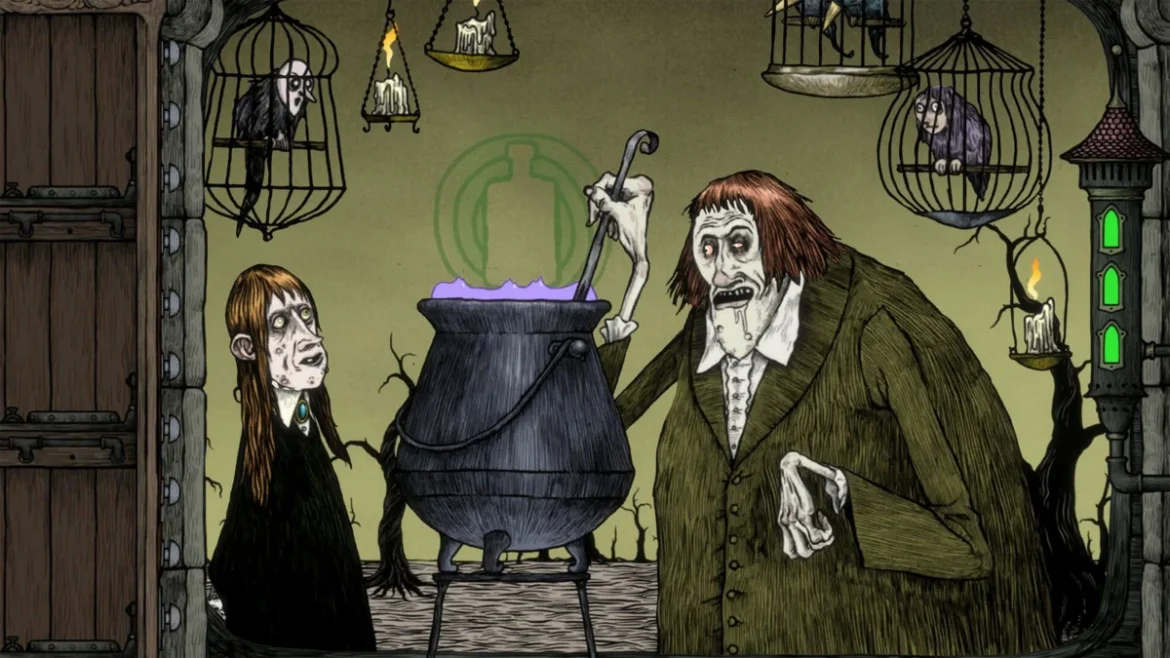
The eerie, pen-and-ink creations of Danish artist John Kenn Mortensen have long captivated audiences who prefer their art with a touch of the macabre. Known for his unsettling oddballs, grotesque creatures, and scratchy, evocative line work, Mortensen has carved out a distinct niche in the contemporary art world. Now, the illustrator is expanding his creative footprint into the digital interactive space, lending his unmistakable aesthetic to FLASK, an upcoming dark fantasy roguelike deckbuilder developed by Chop Chop Games.
Blending the tactile horror of traditional pen-and-paper illustration with the dynamic mechanics of modern video game design, FLASK represents a major professional departure for an artist who has spent decades working primarily as a solo creator. As the game prepares for its Steam release, the collaboration offers a fascinating glimpse into how distinct physical art styles can be successfully translated into playable digital environments without losing their organic soul.
Main Facts and the Genesis of FLASK
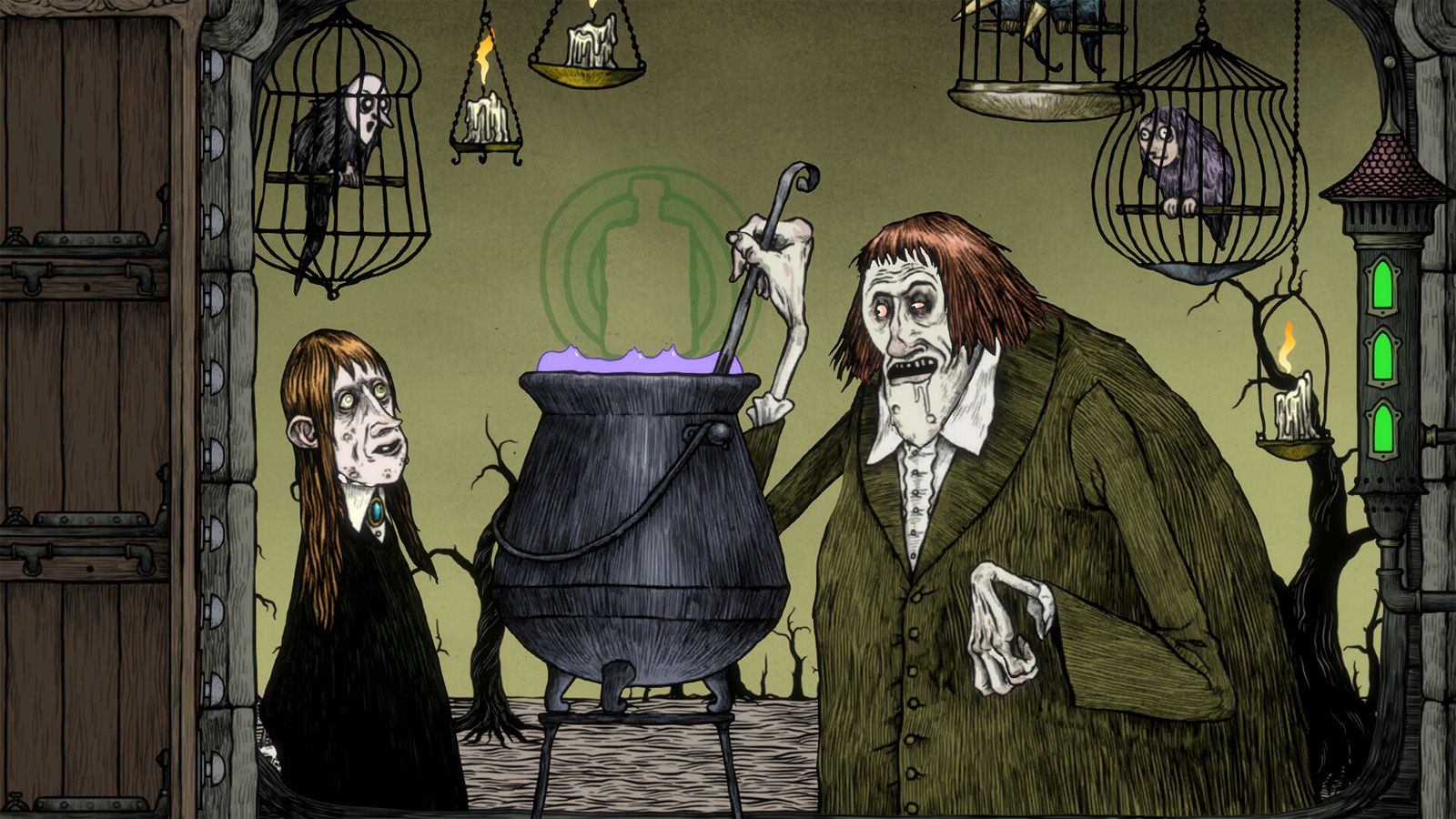
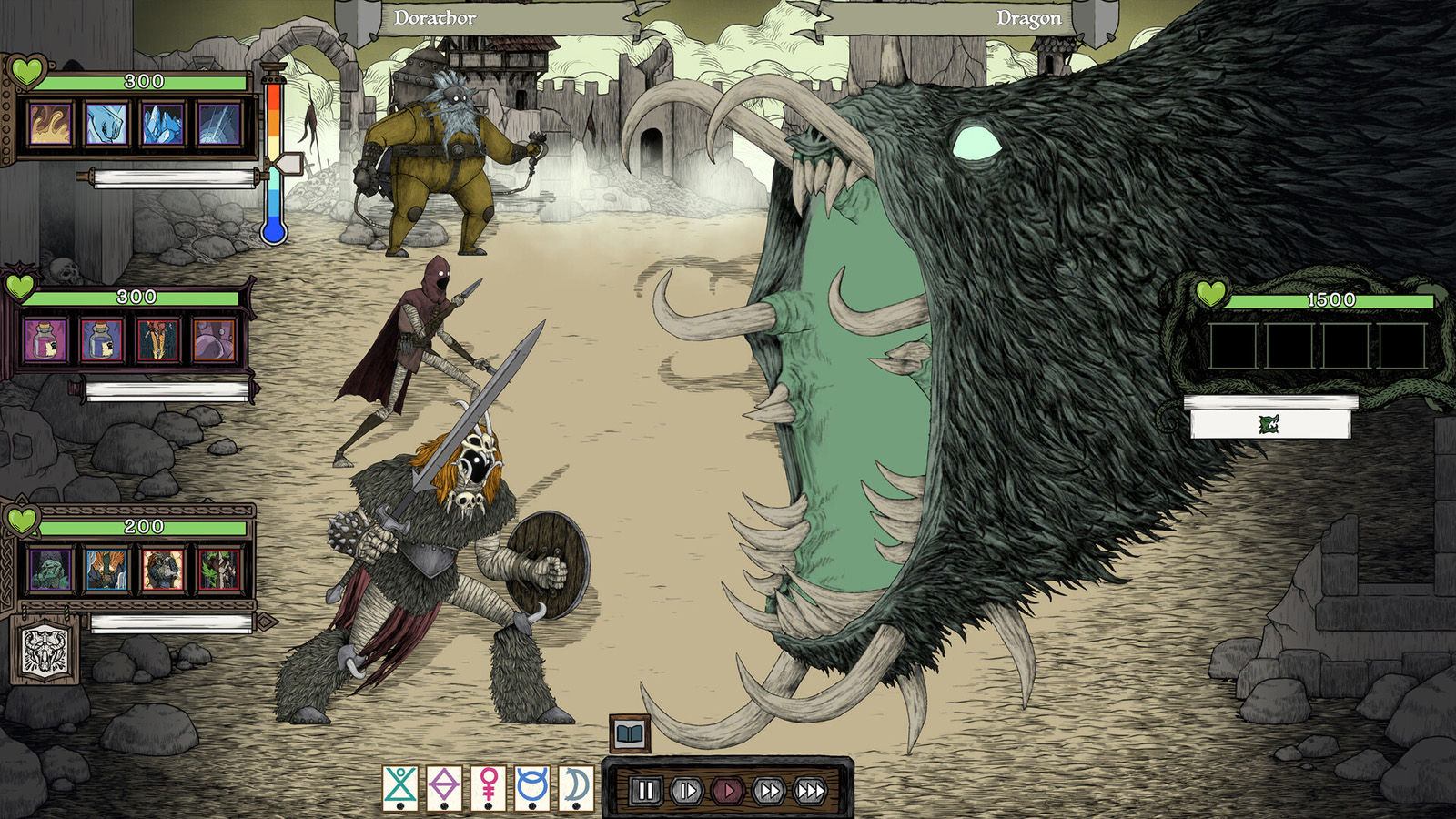
FLASK is conceptualized as a dark fantasy roguelike deckbuilder featuring auto-battler mechanics and deep theory-crafting elements. Developed by Chop Chop Games—headed by co-founders Dario and Michael—the game merges gruesome medieval imagery with a distinct sense of black humor. Players navigate a hazardous world where nightmarish creatures roam freely, magic demands absolute caution, and even high-ranking fantasy archetypes, such as powerful wizards, must grapple with mundane existential anxieties like tower mortgages.
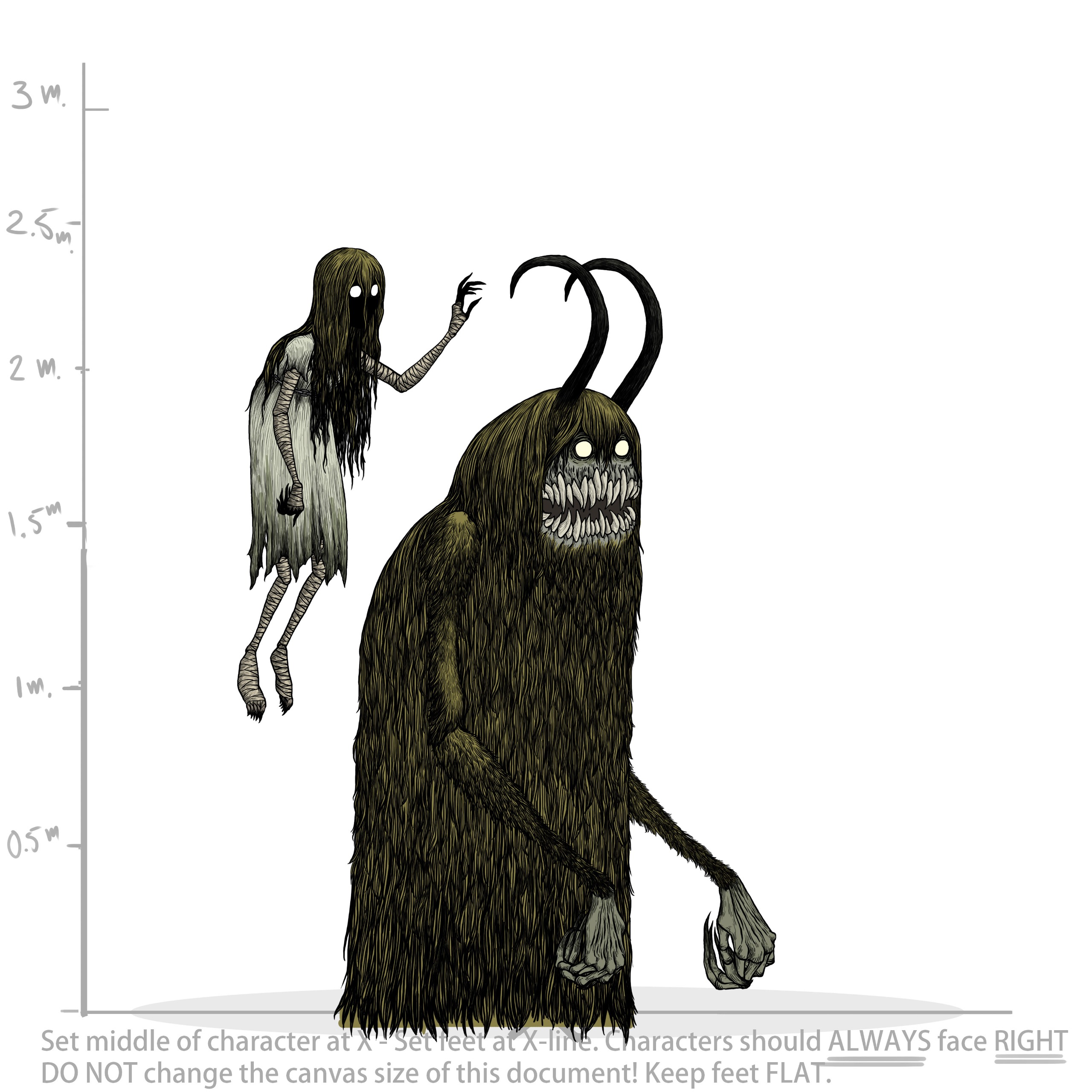
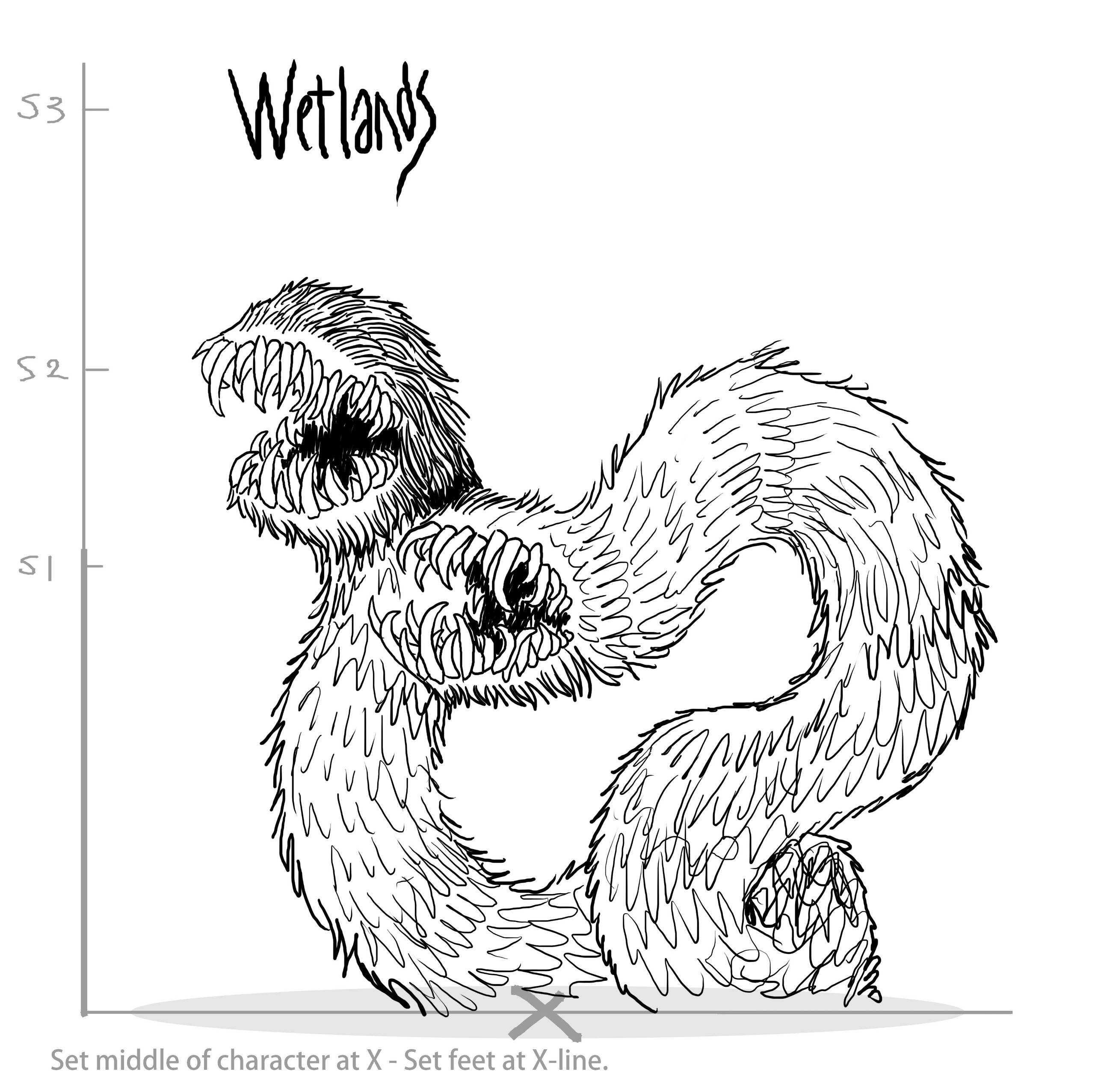
The visual identity of FLASK is anchored entirely by Mortensen’s signature style. However, adapting this monochrome, analog artwork into a colorized, interactive digital format required a collaborative effort between Mortensen and the studio’s digital art team. While Mortensen supplied the core conceptual blueprint and grotesque character designs, studio artists injected depth, lighting, and color gradients to make the static illustrations functional within a UI-driven deckbuilder framework.

Background Context: A Career Defined by Darkness
John Kenn Mortensen’s journey to video game design is built upon a diverse and prolific career spanning multiple creative industries. Operating primarily out of Denmark, Mortensen gained widespread internet renown for his meticulously detailed illustrations executed on mundane sticky notes, though his portfolio extends far beyond ephemeral sketches. Over the years, he has worked across book illustration, comic books, traditional animation, television production, live-action projects, and high-profile gallery exhibitions.
His artistic philosophy embraces the psychological power of obscurity. Rather than illuminating every detail, Mortensen intentionally conceals elements within his compositions, treating his canvases as darkened spaces where only a sliver of light escapes through an ajar door. This philosophy creates an atmosphere of suspense, forcing viewers to lean closer and unpack the grotesque narratives hidden within the shadows.
When approached by Chop Chop Games, Mortensen drew inspiration from two distinct cultural touchstones: Jim Henson’s 1986 dark fantasy cult classic Labyrinth—which coincidentally approaches its milestone 40th anniversary—and the relentless, aggressive energy of the thrash metal band Slayer. This unusual synthesis of whimsical puppetry horror and heavy metal aggression informed the darkly comedic tone of FLASK’s universe.
Chronology and Development Challenges
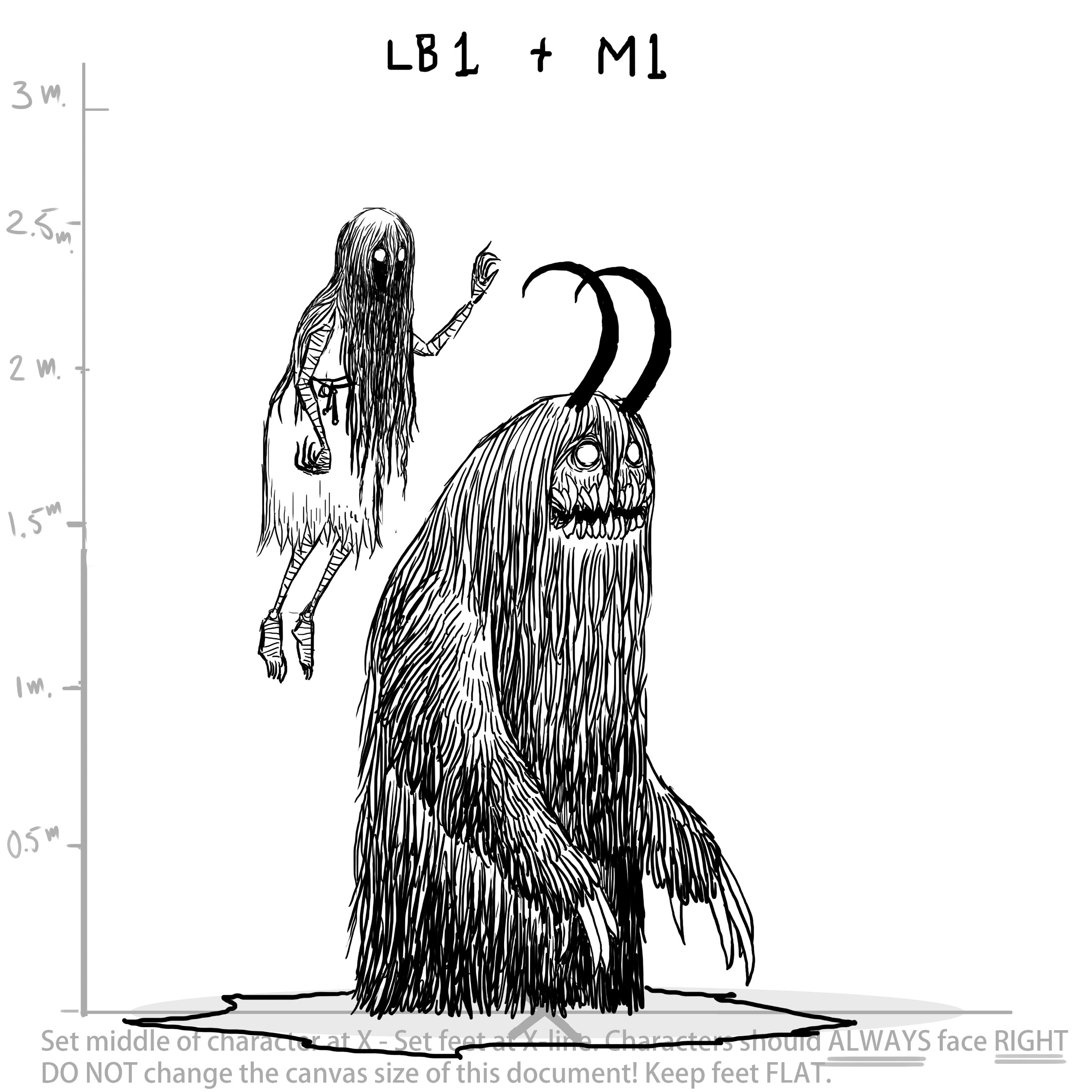
Transitioning from a solitary, analog workflow to a collaborative digital pipeline presented several distinct hurdles for Mortensen. For the majority of his career, the artist relied strictly on pen and paper, maintaining total autonomous control over his output. Joining the Chop Chop Games team meant relinquishing some of that isolation and integrating his workflow into a structured multidisciplinary environment.
The development timeline required a sequential approach to ensure the game’s systems and aesthetics harmonized effectively:
- Foundation Phase: Dario and Michael established the core gameplay mechanics, laying down the structural framework for the roguelike deckbuilder, auto-battler elements, and tactical gameplay loops.
- Conceptual Integration: Mortensen introduced his signature character designs, establishing the overarching aesthetic language inspired by dark fantasy and heavy metal music.
- Digital Adaptation: The studio’s digital artists collaborated to translate Mortensen’s traditionally black-and-white drawings into colorized assets. This phase involved experimenting with dynamic lighting, shadows, and highlights to add dimensional depth without betraying the hand-crafted aesthetic.
- UI and Card Design: Because deckbuilding games rely heavily on legibility and quick player comprehension, external and internal artists were brought in to design the game cards. These artists operated under a specific creative mandate: to treat Mortensen’s visual style as the "real world" of the game universe and interpret card artwork from that perspective.
Official Responses and Creative Insights
Reflecting on his transition into the medium of video games, Mortensen has expressed enthusiasm for the collaborative nature of the project, a stark contrast to his usual solo endeavors in illustration.
"It has been a very different approach than I am used to, but I like that challenge," Mortensen noted. Describing his expansive career path—which has traversed television, animation, publishing, and now interactive media—he compared his professional life to a large house filled with diverse rooms. "I see my working life as a big house with a lot of very different rooms where I can hang out and play with the people in them. The only thing I think about before entering is to be as honest and true to myself as possible."
Addressing how his intricate, chaotic art style manages to coexist with the strict functional demands of a card game interface, Mortensen praised the dedication of the development team. He credited Chop Chop Games’ digital artists with safeguarding the integrity of his aesthetic while successfully adapting it for card readability and UI constraints. "My art style is not something I have worked on in any direction; it has just sprung out of bad habits and laziness," he joked, downplaying the meticulous craftsmanship that defines his portfolio.
Broader Impact and Industry Implications
The integration of acclaimed fine artists and illustrators into indie game development represents a growing trend within the gaming industry. As digital storefronts saturate with content, developers increasingly rely on distinctive, auteur-driven visual identities to help their titles stand out in a crowded marketplace.
By anchoring FLASK in John Kenn Mortensen’s unmistakable artistic pedigree, Chop Chop Games has successfully bridged the gap between fine art illustration and indie gaming. For the indie scene, this partnership demonstrates how traditional artists can successfully cross mediums when supported by technical teams capable of translating physical textures into functional game architecture.
As FLASK makes its way onto digital storefronts like Steam, it serves as a testament to the viability of cross-disciplinary collaboration. For Mortensen, the project is not a permanent departure from his illustration roots, but rather a newly unlocked door in his creative house—proving that even the darkest, most grotesque corners of the imagination can find a thriving home in interactive media.
