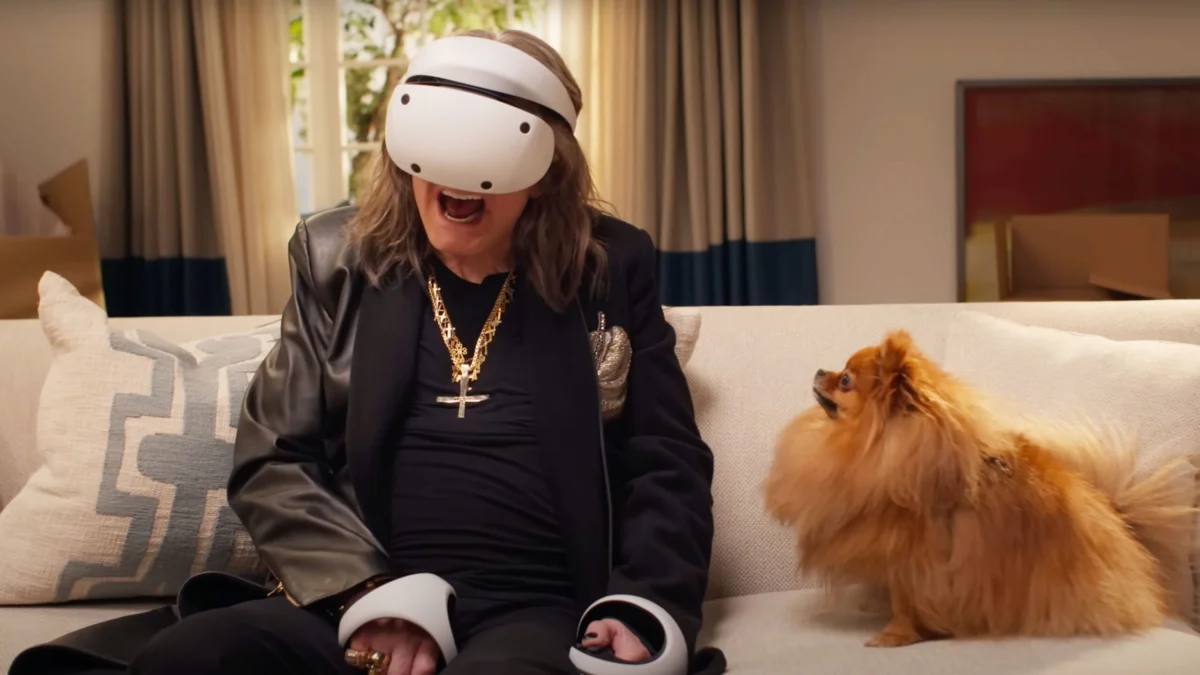
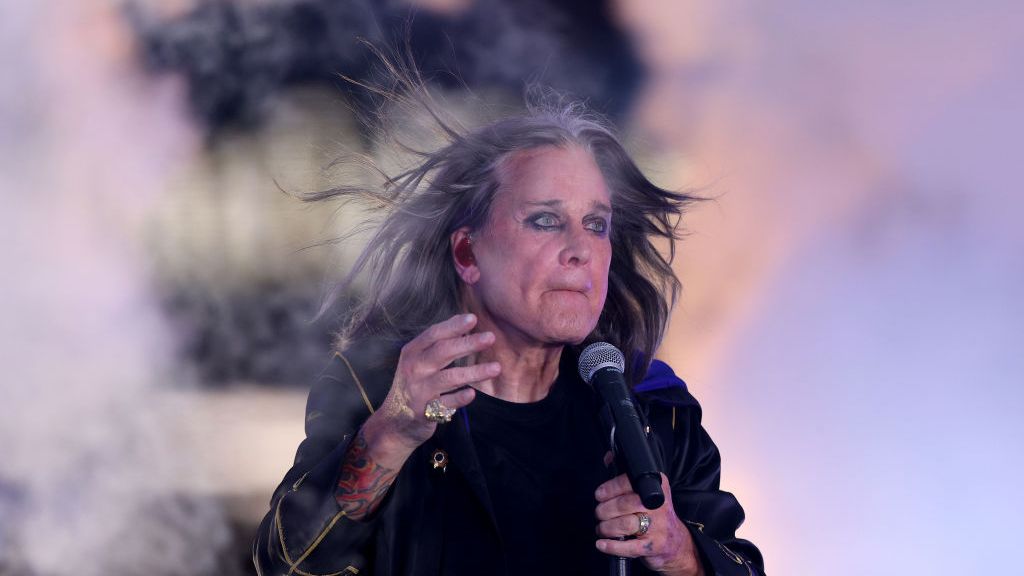
On the anniversary of Ozzy Osbourne’s passing, a profound reflection he shared in 2011 on the nature of music and the human element in creation has taken on striking new relevance for artists and creatives grappling with the burgeoning influence of Artificial Intelligence in their respective fields. Osbourne’s candid observations about the inherent beauty of imperfection in analog recording offer a timely counterpoint to the often sterile perfection that AI can effortlessly generate, prompting a deeper examination of what truly defines human creativity in the digital age.
The iconic Prince of Darkness, known for his pioneering work in heavy metal, articulated a sentiment that continues to resonate with musicians and creators across disciplines. In a 2011 interview with The Guardian, Osbourne reminisced about the tactile and organic processes of classic analog recording sessions, stating, "Rock music is not meant to be perfect. [Guitarist] Randy Rhoads loved hearing his fingers slide up and down the strings. Nowadays everyone irons the fucking air, it’s all about technology." This seemingly simple statement encapsulates a fundamental tension: the allure of technological advancement versus the irreplaceable soul of human artistry.
Osbourne’s perspective serves as a potent lesson for contemporary creatives. While AI tools can undoubtedly accelerate idea generation, achieve technical flawlessness, and produce output at unprecedented speeds, they often bypass the very elements that imbue human-made art with its unique character and emotional depth. The subtle imperfections, the accidental nuances, the physical engagement with the medium – these are frequently the breeding grounds for genuine innovation and the development of a distinct artistic voice. In a world increasingly saturated with algorithmically generated content, the raw, human touch is becoming a more valuable commodity than ever before.
The Allure of Imperfection: A Historical Perspective
The era Osbourne was referencing, the golden age of analog recording, was characterized by a hands-on approach. Musicians and engineers worked with tangible equipment – tape machines, mixing consoles, physical instruments – where every action had a direct, often audible, consequence. The warmth of analog sound, the subtle tape hiss, the slight variations in pitch due to tape speed, and even the audible slide of fingers on a guitar fretboard were not considered flaws but rather integral components of the sonic tapestry. These sonic signatures contributed to the authenticity and emotional resonance of the music, creating a connection with the listener that was deeply human.
Randy Rhoads, Osbourne’s legendary guitarist, embodied this ethos. His desire to capture the nuanced physicality of his playing – the distinct sound of his fingers moving between frets – highlights a commitment to expressive detail that transcends mere technical proficiency. This focus on the process of creation, on the sensory experience of making music, is precisely what Osbourne felt was being lost in the pursuit of digital perfection.
AI’s Creative Disruption: Efficiency vs. Authenticity
The rapid advancement of AI tools, from generative text models to sophisticated image and music generators, has introduced a paradigm shift in creative industries. These technologies offer unparalleled efficiency, enabling creators to brainstorm vast quantities of ideas, generate preliminary drafts, or even produce finished pieces with remarkable speed. For many, the appeal lies in overcoming creative blocks, streamlining tedious tasks, and exploring possibilities that might have been inaccessible due to time or skill constraints.
However, this efficiency comes with a critical caveat. The outputs of AI, while often technically polished and conceptually sound, can lack the idiosyncratic qualities that arise from human struggle, experimentation, and lived experience. The "ironing the air" metaphor speaks to the tendency of AI to smooth over any rough edges, to eliminate the very "noise" that can give art its personality. When an AI generates an image, for instance, it might be visually stunning and technically perfect, but it may not carry the emotional weight or narrative depth that a human artist imbues through their personal history, their emotional state, or their deliberate artistic choices.
A notable observation from panels discussing AI adoption reveals this dichotomy. Enthusiasts often admit to a subconscious reliance on automation, where their first instinct is to delegate tasks to AI. This reliance, they confess, necessitates a conscious effort to "pull themselves back" and engage their own skills and critical thinking to truly refine and imbue the work with their unique perspective. This internal struggle, this mindful pushback against the ease of automation, is a crucial aspect of maintaining human authorship and artistic integrity.
The Unseen Value of Human Texture and Friction
The core of Osbourne’s message, and its enduring relevance, lies in the appreciation for "human texture and friction." These are the elements that AI, by its very nature, seeks to eliminate. Friction in the creative process can manifest as the struggle to find the right word, the painstaking effort to render a particular brushstroke, the iterative process of composing a melody, or the very act of physically manipulating an instrument. These are not merely obstacles to be overcome but rather integral parts of the creative journey that shape the final outcome and the creator’s understanding of their craft.
Consider the world of graphic design. While AI can generate logos and layouts with remarkable speed, a human designer brings an understanding of brand psychology, cultural nuances, and the emotional impact of visual elements that an algorithm cannot fully replicate. The subtle imperfections in a hand-drawn logo, the deliberate asymmetry in a layout, or the unexpected color pairing can all contribute to a brand’s unique identity and resonate with consumers on a deeper level.
Similarly, in writing, AI can produce grammatically correct and coherent text. However, the power of human storytelling often lies in its ability to evoke empathy, to explore complex emotions, and to offer unique insights derived from personal experience. The awkward phrasing that reveals a character’s anxiety, the unexpected metaphor that captures a fleeting feeling, or the deliberate ambiguity that invites reader interpretation are all products of human consciousness and creativity, elements that AI struggles to authentically reproduce.
Broader Implications for Creative Industries
The implications of this shift are far-reaching for creative professionals and the industries they inhabit.
- Redefining Skill Sets: The emphasis may shift from purely technical execution to critical judgment, conceptualization, and the ability to effectively direct and curate AI-generated content. The skill of "prompt engineering" is a nascent example of this, where the ability to articulate creative intent to an AI becomes paramount.
- The Value of the "Human Brand": As AI-generated content becomes more prevalent, the inherent value of work demonstrably created by human hands and minds may increase. Artists and creators who can clearly articulate their human process and unique perspective may find a growing audience seeking authentic connection.
- Ethical Considerations and Copyright: The rise of AI also brings complex ethical questions surrounding authorship, intellectual property, and the potential displacement of human workers. Debates are ongoing regarding the ownership of AI-generated works and the fair compensation of artists whose styles are mimicked or incorporated into AI training data.
- Evolving Tools, Enduring Principles: While the tools of creation are evolving at an unprecedented pace, the fundamental principles of human artistry – originality, emotional resonance, critical thinking, and the pursuit of meaning – remain constant. The challenge for creatives is to integrate AI as a powerful tool without sacrificing the essence of their human contribution.
Ozzy Osbourne’s reflection, born from the analog heart of rock and roll, serves as a timeless reminder. The digital age offers immense possibilities, but the true essence of creativity often resides not in the sterile perfection of algorithms, but in the beautifully imperfect, deeply human process of making. As AI continues to advance, the ability to embrace and celebrate this human texture and friction will likely define the most compelling and enduring creative works of the future. The question for every artist and designer is not whether to engage with AI, but how to do so in a way that amplifies, rather than diminishes, their own unique human voice.
The ongoing discourse surrounding AI’s role in creative fields highlights a growing divide, with some embracing its potential for innovation and others expressing concerns about its impact on artistic integrity and livelihoods. This evolving landscape necessitates a continued dialogue, a mindful integration of technology, and a steadfast commitment to preserving the irreplaceable value of human creativity.