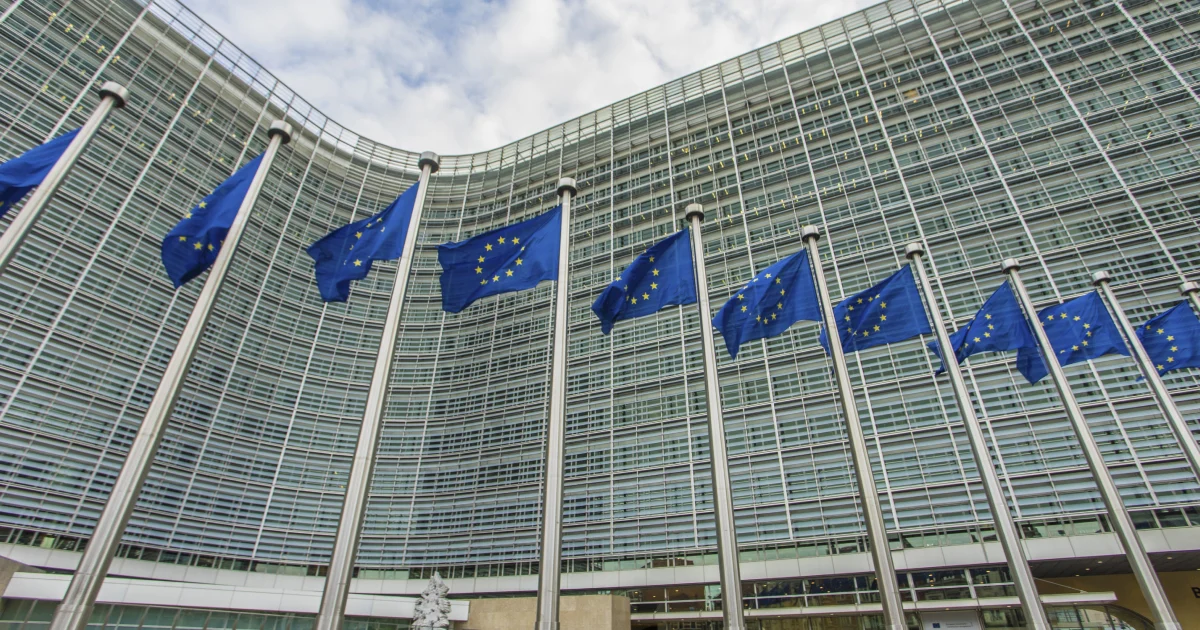
On July 23, 2026, the European Union enacted its most substantial sanctions package against Russia in four years, designating a record 218 individuals and entities. This comprehensive 21st round of measures is strategically designed to cripple Moscow’s ability to finance its ongoing military operations by directly targeting its financial infrastructure, including over 100 banks and numerous cryptocurrency operators. These designations aim to dismantle the mechanisms that have allowed Russia to sustain its war economy despite years of international sanctions. A particularly notable development within this package is the introduction of a novel legal framework that could empower the EU to impose outright bans on crypto services originating from entire jurisdictions deemed complicit in sanctions evasion.
While the EU has established a new legal basis for imposing restrictions on crypto-asset services at the third-country level, this potent tool has not yet been deployed. The overarching objective of these enhanced sanctions is to tighten the economic noose around Russia, preventing it from accessing vital financial channels and resources necessary for its military endeavors. This latest package represents a significant escalation in the EU’s efforts to counter Russia’s economic resilience and its capacity to circumvent existing restrictive measures.
Fourteen Crypto Platforms Designated for Enabling Sanctions Evasion
A core component of the EU’s 21st sanctions package involves a direct crackdown on cryptocurrency platforms facilitating sanctions evasion. The EU has extended its transaction ban to encompass 14 crypto-related service platforms operating across six different jurisdictions: Georgia, Panama, the United Arab Emirates, the Marshall Islands, Kyrgyzstan, and Belarus. These platforms are accused by the Council of the European Union of acting as crucial conduits for Russian entities seeking to move funds and circumvent the existing sanctions regime.
The list of designated crypto-asset entities, though not explicitly provided in the source material for specific platform names, represents a significant development in the EU’s approach to regulating the digital asset space. According to official statements from the Council, these platforms have played a pivotal role in enabling sanctioned Russian entities to access global financial markets and continue their illicit financial activities. The transaction ban prohibits all EU persons and entities from engaging in any business dealings with these designated platforms, effectively cutting them off from a significant portion of the global financial system. This move underscores the EU’s determination to hold not only Russian entities but also the intermediaries that facilitate their evasion efforts accountable.
First-of-its-Kind Third-Country Ban Mechanism for Crypto Services
Perhaps the most groundbreaking aspect of the EU’s latest sanctions package is the introduction of a pioneering legal mechanism that allows for a full third-country ban on crypto-asset services. This unprecedented measure grants the EU the authority to prohibit any transaction between an EU entity and any crypto provider located in a country that hosts services being utilized by Russia for sanctions evasion. This means that entire jurisdictions could face severe economic repercussions if they fail to adequately regulate or prevent their crypto service providers from facilitating Russian sanctions circumvention.
The EU had previously enacted similar crypto-related sanctions earlier in the year targeting Belarus. However, this new mechanism represents a significant escalation, offering a more comprehensive and potentially far-reaching tool to combat sanctions evasion. By enabling the EU to effectively ban transactions with crypto operators in third countries that are perceived as enabling Russian evasion, the bloc can exert considerable pressure on these jurisdictions to align their regulatory frameworks with international sanctions efforts. The implication for crypto-asset service providers (CASPs) operating in or serving customers in such third countries is stark: weak sanctions compliance programs now carry an even greater risk of losing access to vital EU counterparties and business opportunities. This development signals a new era of regulatory scrutiny for the global crypto industry, demanding robust due diligence and compliance measures to avoid becoming entangled in international sanctions enforcement.
Broader Context: A Multi-Pronged Assault on Russia’s War Economy
The EU’s 21st sanctions package is not solely focused on the cryptocurrency sector; it represents a comprehensive and multi-faceted assault on Russia’s capacity to fund its war effort. The package imposes asset freezes on 94 banks and major financial institutions, further isolating them from the global financial system. Additionally, transaction bans have been extended to 33 additional Russian credit and financial institutions, effectively severing their ties to the SWIFT international payments system. This concerted effort to disconnect Russian financial entities from global networks aims to severely hamper their ability to conduct international transactions.
Beyond Russian entities, the EU has also targeted non-Russian banks that have been identified as facilitating sanctions circumvention. This includes a Kyrgyz bank that has been linked to Russia’s SPFS (System for Transfer of Financial Messages) messaging system, demonstrating the EU’s willingness to extend its reach beyond Russia’s borders to close loopholes.
On the energy front, a critical sector for Russia’s revenue, the EU has taken further action. The oil price cap has been frozen at $44.10 per barrel until July 15, 2027, a measure designed to limit Russia’s income from oil exports. Furthermore, 41 additional "shadow fleet" vessels, often used to circumvent oil sanctions, have been sanctioned.
The package also addresses Russia’s military-industrial complex, with 56 listings directly tied to this sector. Notably, 37 of these designations are specifically linked to Russia’s long-range drone production capabilities, highlighting the EU’s focus on disrupting Moscow’s ability to wage war. This broad spectrum of measures demonstrates a coordinated strategy to undermine Russia’s economic and military infrastructure.
Implications for the Crypto Industry and Global Compliance
The EU’s latest sanctions package represents a pivotal moment for the cryptocurrency industry and its role in global financial security. For years, the decentralized and pseudonymous nature of some crypto transactions has been exploited by illicit actors seeking to evade sanctions. This package signals a clear shift in how regulators perceive the responsibility of crypto platforms in sanctions enforcement. Platforms that fail to implement robust measures to prevent sanctioned entities from utilizing their services are now directly in the crosshairs of international regulatory bodies.
The introduction of the third-country ban mechanism is particularly significant. It means that entire jurisdictions could face economic isolation from European markets if they are perceived as harboring crypto platforms that facilitate sanctions evasion. This creates a strong incentive for governments worldwide to strengthen their own regulatory oversight of the crypto sector and cooperate with international sanctions efforts.
For crypto-asset service providers (CASPs) operating within the EU or serving EU clients, the implications are profound. The heightened risk associated with dealing with non-EU virtual asset service providers (VASPs) necessitates a rigorous approach to sanctions screening, transaction monitoring, and customer due diligence. The EU’s Transfer of Funds Regulation (ToFR) already imposes obligations on CASPs to conduct enhanced due diligence for third-country counterparty relationships. This new sanctions package intensifies the need for such scrutiny, requiring CASPs to thoroughly assess the regulatory status, ownership, jurisdictional exposure, and other risk factors of their non-EU partners. Failure to do so could result in significant penalties and reputational damage.
Analysis of the New Third-Country Ban Mechanism
The EU’s novel third-country ban mechanism is a strategic innovation designed to address a critical gap in existing sanctions enforcement. Historically, sanctions have primarily targeted entities and individuals within the sanctioning jurisdiction or those directly operating within the targeted country. However, the increasing sophistication of sanctions evasion tactics, particularly through offshore entities and digital assets, necessitated a more expansive approach.
By empowering the EU to impose a blanket ban on crypto services from an entire jurisdiction, the bloc is leveraging its significant economic leverage to compel other nations to adopt more stringent regulatory measures. This mechanism shifts the burden of compliance, in part, onto third countries, creating a ripple effect that could lead to a global enhancement of crypto regulation and sanctions compliance.
The effectiveness of this mechanism will depend on several factors, including the EU’s willingness to deploy it and the global reaction it elicits. If other major economic blocs follow suit, it could lead to a significant fragmentation of the global crypto market for non-compliant jurisdictions. Conversely, if some countries resist these demands, it could create new challenges and opportunities for crypto innovation in those regions, albeit with the risk of further isolation.
Broader Impact and Future Outlook
The EU’s 21st sanctions package, with its emphasis on financial infrastructure and crypto services, underscores a broader trend: the increasing integration of digital asset regulation into traditional financial security frameworks. The distinction between "crypto-specific" regulations and broader financial crime and sanctions compliance is blurring.
The Markets in Crypto-Assets (MiCA) regulation, while establishing a comprehensive framework for crypto businesses within the EU, operates on a different plane than these sanctions measures. MiCA focuses on market integrity, investor protection, and the operational authorization of crypto businesses. The sanctions package, on the other hand, is an enforcement tool aimed at disrupting illicit financial flows and punishing actors involved in activities that undermine international security.
However, the two are intrinsically linked. A robust regulatory framework like MiCA can serve as a foundation for more effective sanctions implementation within the EU. CASPs operating under MiCA’s purview are expected to have strong compliance programs, which can be leveraged to identify and report potential sanctions evasion activities.
Looking ahead, the EU’s actions signal a trajectory towards greater international cooperation in regulating and monitoring the digital asset space. The challenge for the crypto industry will be to adapt to this evolving landscape by embracing transparency, robust compliance, and proactive engagement with regulators. The era of operating in regulatory grey areas is rapidly drawing to a close, especially for entities that facilitate cross-border financial flows.
Chainalysis, a blockchain analysis firm, has indicated its commitment to supporting compliance efforts by labeling relevant entities associated with this sanctions package within its product suite. This allows customers to identify exposure to designated platforms and monitor for transactions that may indicate sanctions evasion activity. Such industry-led initiatives, coupled with regulatory pressure, are likely to shape the future of the crypto landscape, prioritizing security and compliance alongside innovation.
Frequently Asked Questions
What crypto measures are included in the EU’s 21st Russia sanctions package?
The package imposes transaction bans on 14 crypto platforms operating in Georgia, Panama, the UAE, the Marshall Islands, Kyrgyzstan, and Belarus. It also introduces a first-of-its-kind mechanism enabling full third-country bans on crypto-asset services, allowing the EU to prohibit transactions between EU operators and any crypto provider used by Russia to evade EU sanctions, regardless of where that provider is based.
What is the third-country ban mechanism?
This mechanism enables the EU to prohibit transactions between EU operators and any crypto provider used by Russia to evade EU sanctions, regardless of where that provider is based. If a third country is identified as hosting crypto providers used by Russia to circumvent EU sanctions, the EU can use this mechanism to impose broader third-country-level restrictions on crypto-asset services involving that jurisdiction.
What are the compliance implications for EU CASPs?
EU CASPs operating in or serving customers in third countries face heightened risk. The threat of jurisdiction-wide bans raises the stakes for robust sanctions screening, transaction monitoring, and customer due diligence. In the EU context, CASPs dealing with non-EU VASPs are also subject to the EU’s Transfer of Funds Regulation obligations, which can require enhanced due diligence for third-country counterparty relationships, including scrutiny of the counterparty’s regulatory status, ownership, jurisdictional exposure, and other relevant risk factors.
How does this relate to MiCA?
The EU’s Markets in Crypto-Assets regulation established a holistic compliance framework for European crypto businesses, both crypto-asset issuers and service providers. This package, however, is better understood through the lens of EU sanctions enforcement, rather than MiCA. While MiCA governs the authorization and operation of EU crypto businesses, the measures here target sanctions evasion risk and are more closely related in practice to sanctions controls, AML/CFT compliance, and Transfer of Funds Regulation obligations such as customer due diligence, screening, and transaction monitoring.