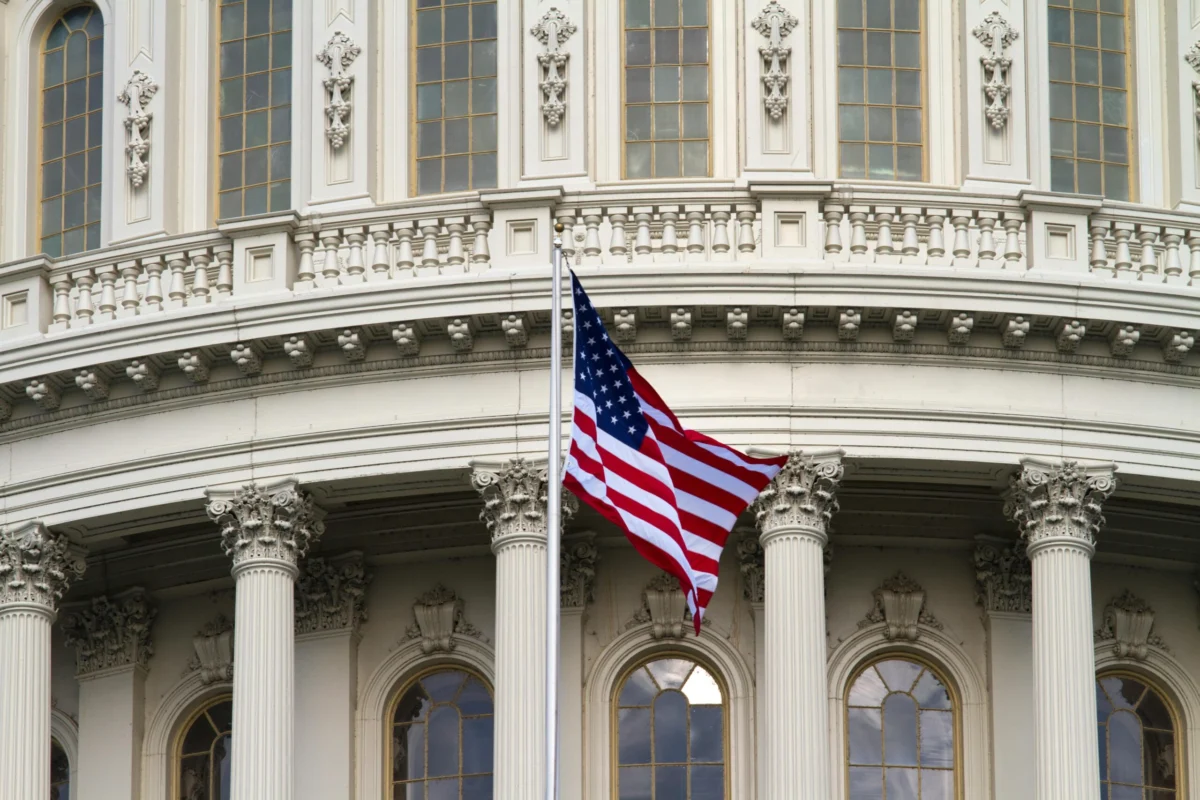
The momentum for comprehensive cryptocurrency regulation in the United States has reached a critical turning point as key figures from the private sector and the federal government align on a path forward. In a significant shift in the domestic legislative landscape, Coinbase CEO Brian Armstrong has publicly endorsed the Digital Asset Market Clarity Act of 2025, signaling an end to months of friction between the nation’s largest crypto exchange and Washington lawmakers. This endorsement follows a high-profile call to action from U.S. Treasury Secretary Scott Bessent, who warned that the United States faces a dwindling window of opportunity to establish itself as the global leader in digital finance. With a Senate vote now targeted for the week of April 14–20, the push for "durable law" has moved from a theoretical debate to an imminent legislative reality.
The Convergence of Industry and Policy
The sudden alignment between Brian Armstrong and the Treasury Department marks a departure from the adversarial relationship that has defined the U.S. crypto sector for much of the last decade. Armstrong, who has historically been a vocal critic of what he termed "regulation by enforcement," expressed his support for the legislation via social media, specifically citing the bipartisan efforts that have refined the bill’s language. His approval is particularly noteworthy given his previous stance; as recently as January 2026, Armstrong had rejected earlier drafts of the bill, arguing that the proposed framework was "materially worse" than the existing regulatory status quo.
The catalyst for this renewed urgency appears to be a forceful opinion piece authored by Treasury Secretary Scott Bessent in the Wall Street Journal. In his commentary, Bessent emphasized that the absence of a clear market structure is no longer just a legal inconvenience but a threat to national economic competitiveness. He argued that the United States has spent years debating definitions while other jurisdictions have built functional frameworks that are successfully attracting American talent and capital.
A Strategic Pivot: The Treasury’s Call for "Durable Law"
Secretary Bessent’s public advocacy for the Clarity Act focuses on the concept of "resharing"—the act of bringing blockchain developers, entrepreneurs, and financial institutions back to U.S. soil. For years, the lack of regulatory certainty has led to a "brain drain," with prominent crypto firms moving their primary operations to jurisdictions like Singapore, Abu Dhabi, and various European hubs under the Markets in Crypto-Assets (MiCA) regulation.
Bessent’s argument posits that executive orders or temporary guidance from agencies are insufficient to provide the "comfort" necessary for long-term investment. "There is one way to give developers and entrepreneurs the comfort to reshore: durable law," Bessent stated. He further noted that while the executive branch can provide temporary relief, only Congress has the power to create a permanent structure that survives changes in administration.
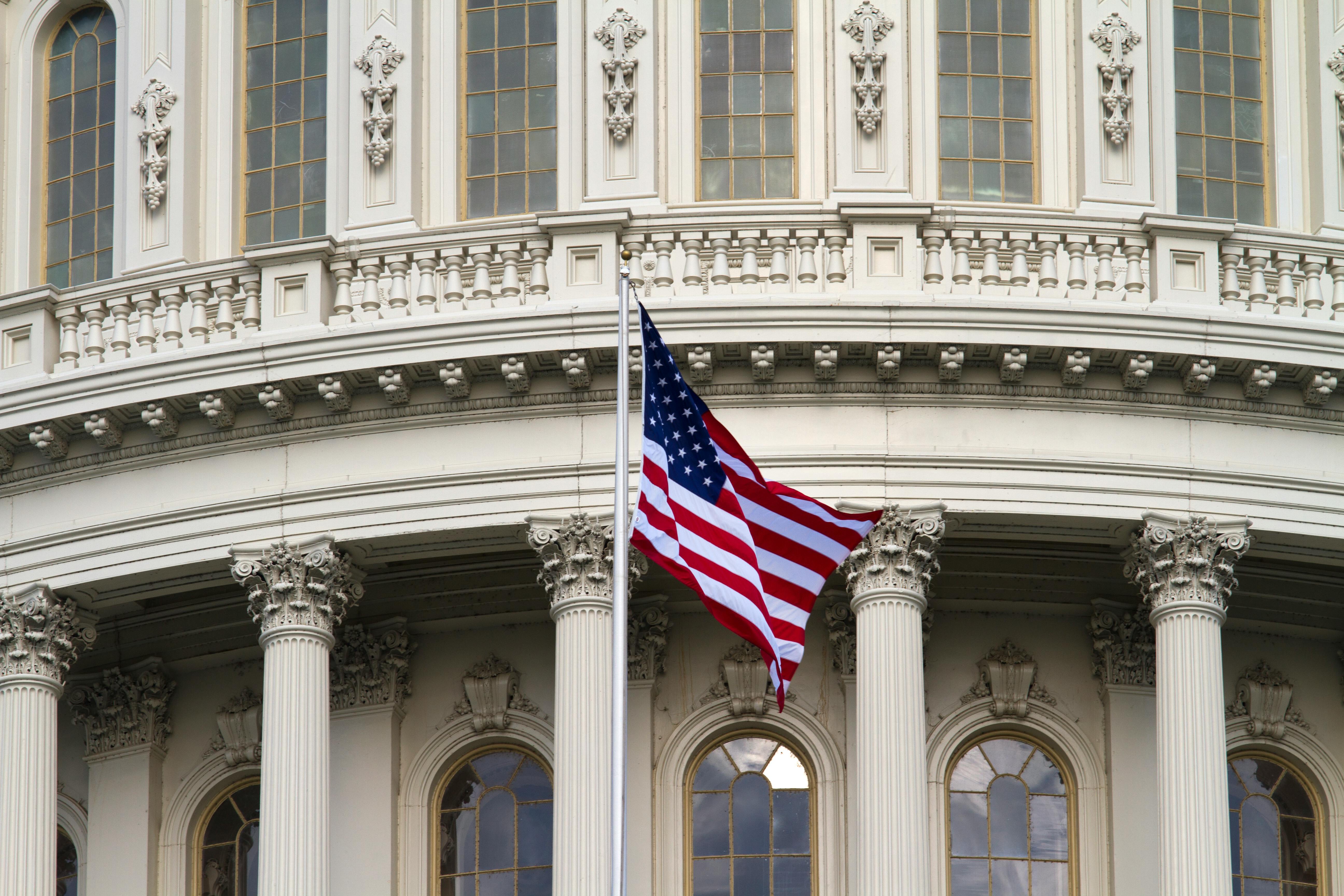
The Treasury Secretary also linked the success of the Clarity Act to the previously passed GENIUS Act, a stablecoin framework signed into law by President Donald Trump in July 2025. According to the Treasury, the GENIUS Act served as the foundational pillar for digital payments, but its full utility cannot be realized without the "market structure" component provided by the Clarity Act. Together, these two pieces of legislation are intended to form a comprehensive digital asset code.
The Evolution of the Digital Asset Market Clarity Act
The journey of the Digital Asset Market Clarity Act has been marked by intense negotiation and several iterations. The bill aims to solve the long-standing jurisdictional dispute between the Securities and Exchange Commission (SEC) and the Commodity Futures Trading Commission (CFTC). By creating a clear taxonomy for digital assets, the Act intends to provide a definitive answer to which tokens are considered securities and which are commodities.
Chronology of Key Events:
- July 2025: President Trump signs the GENIUS Act into law, establishing a federal framework for stablecoins.
- January 2026: A draft of the Market Clarity Act is released by the Senate Banking Committee. Brian Armstrong publicly withdraws Coinbase’s support, labeling it a "bad bill" that would stifle competition and benefit traditional "Big Banks."
- February–March 2026: Bipartisan negotiations intensify behind closed doors. Senators work with industry stakeholders to address concerns regarding decentralized finance (DeFi) and self-custody.
- April 2026: Treasury Secretary Bessent publishes a call to action. Brian Armstrong reverses his position, praising the bipartisan improvements.
- April 14–20, 2026: The scheduled window for the Senate vote on the finalized bill.
The current version of the bill is said to include more robust protections for software developers and clearer pathways for crypto exchanges to register as alternative trading systems (ATS) without the prohibitive requirements of traditional national securities exchanges.
Regulatory Harmony: Support from the SEC
Adding weight to the Treasury’s push, SEC Chair Paul Atkins has also signaled his support for the legislation. In a statement following Bessent’s remarks, Atkins emphasized the need to "future-proof" the American financial system against "rogue regulators." This language reflects a shift in the SEC’s internal philosophy under the current administration, moving away from the aggressive litigation strategies of the past and toward a framework that facilitates compliance.
Atkins noted that the passage of the Clarity Act would provide the SEC with the legislative mandate it needs to oversee digital asset markets without overstepping its authority. He argued that comprehensive market structure legislation is the final piece of the puzzle required to bring digital assets into the mainstream of the U.S. financial system.
Global Competition and the Economic Stakes
The push for the Clarity Act is set against a backdrop of intensifying global competition. Jurisdictions like the Abu Dhabi Global Market (ADGM) and Singapore’s Monetary Authority (MAS) have already established clear rules for licensing, custody, and trading. This has resulted in significant projects, such as Ripple’s stablecoin pilot and various institutional tokenization initiatives, choosing to launch outside of the United States.

Data suggests that the U.S. share of global blockchain developer talent has seen a steady decline over the last four years. By providing a "durable law," proponents of the Clarity Act believe the U.S. can reverse this trend. The economic implications are vast: a regulated market is expected to unlock billions of dollars in institutional capital that is currently sidelined due to compliance risks.
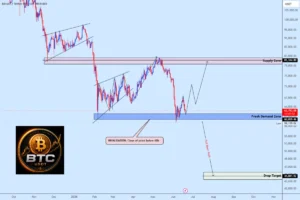
At the time of this legislative push, the market has shown signs of stability, with Bitcoin trading near the $71,500 mark. Analysts suggest that the market is "pricing in" the possibility of regulatory clarity, which would likely lead to increased participation from pension funds and insurance companies that require a firm legal footing before entering the space.
Implications for the Crypto Industry
For the industry, the passage of the Clarity Act would mean an end to the era of "litigation as a primary regulatory tool." For companies like Coinbase, which has been embroiled in multiple legal battles over the classification of assets, the bill offers a "safe harbor" or a clear registration path.
However, the bill is not without its complexities. Industry observers will be watching closely to see how the final text treats decentralized protocols. One of the primary points of contention in previous drafts was the requirement for decentralized entities to meet the same reporting standards as centralized exchanges—a requirement many argued was technologically impossible. The "bipartisan work" mentioned by Armstrong is believed to have addressed these technical nuances, potentially offering a more tailored approach to DeFi.
Conclusion and Future Outlook
As the April 14–20 Senate vote approaches, the focus remains on whether the current bipartisan alignment can withstand the final stages of the legislative process. The endorsements from the Treasury Secretary, the SEC Chair, and the CEO of the nation’s largest exchange suggest a rare moment of consensus in a historically divided field.
If passed, the Digital Asset Market Clarity Act of 2025 will likely be remembered as the most significant piece of financial legislation since the Dodd-Frank Act, providing the framework for the "next generation" of the internet and global finance. For the United States, the stakes are nothing less than technological sovereignty in the digital age. By moving toward a clear, durable law, Washington is finally signaling that it is ready to transition from a skeptic of digital assets to a primary architect of their future.