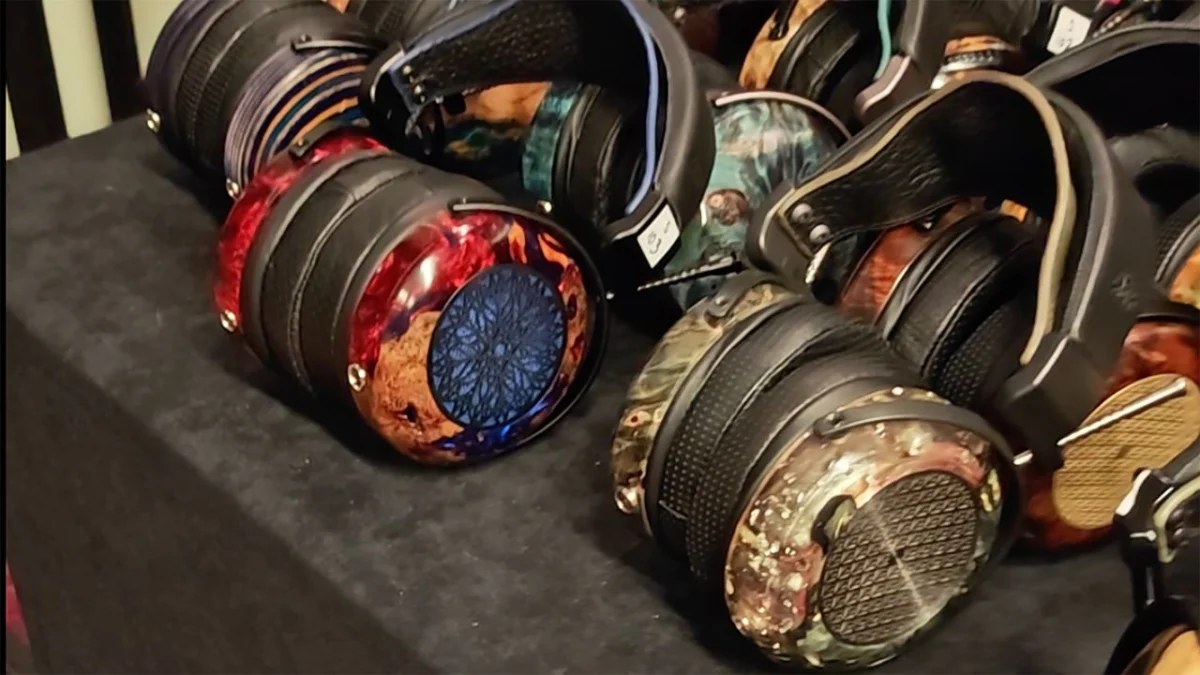
The audiophile community converged at CanJam London 2026, a premier personal audio trade show, to explore the latest innovations and immerse themselves in the cutting edge of sound reproduction. This year’s event, held over the weekend, provided a comprehensive platform for enthusiasts and industry professionals alike, showcasing everything from budget-friendly audio solutions to ultra-high-end flagship products priced in the thousands of dollars. For many, including this reporter, the experience offered not just an opportunity to sample exotic gear, but also to glean crucial insights that are reshaping perceptions of headphone and in-ear monitor (IEM) evaluation. This report delves into four key takeaways that emerged from the bustling exhibition halls and insightful seminars, offering a nuanced perspective on the current state and future direction of personal audio.
CanJam, a global series of audio shows, has established itself as a pivotal event for both manufacturers and consumers in the personal audio sector. These events serve as a vital marketplace where brands can directly engage with their target audience, demonstrate their latest products, and gather immediate feedback. For attendees, CanJam represents an unparalleled opportunity to audition a vast array of headphones, IEMs, amplifiers, digital-to-analog converters (DACs), and other audio accessories under one roof, often in a dedicated listening environment. The sheer volume and diversity of products on display can be overwhelming, but it also fosters a dynamic environment for discovery and comparison. The 2026 edition in London continued this tradition, attracting a significant crowd eager to experience the pinnacle of audio engineering.
The Subjectivity of Sound: Understanding Individual Hearing Differences
One of the most profound revelations at CanJam London 2026 stemmed from a compelling seminar presented by representatives from Headphones.com, a prominent platform for audio reviews and commentary. Griffin Silver, also known as "Listener," and Cameron Oatley, the voice behind GoldenSound, hosted a session titled "Why Can’t We Just Agree What a Headphone Sounds Like?" Their presentation underscored a fundamental truth in audio: individual hearing perception is not uniform.
The seminar meticulously detailed the biological and physical factors that contribute to these differences. Our unique ear canal shapes, the size and structure of our outer ears (pinnae), and even the way a headphone seals against our head all play a significant role in how sound frequencies are perceived. Factors such as the clamping force of headphones, the material of earpads, and the presence or absence of ear vents in IEMs can physically alter the sound signature reaching the eardrum. Furthermore, the widely used frequency response graphs, while informative, were highlighted as insufficient to fully capture the subjective listening experience. The presenters emphasized that individual tonal preferences are as varied as human fingerprints, making a universal consensus on sound profiles an elusive goal.
This realization, while perhaps counterintuitive to those who rely heavily on objective measurements, offers an empowering perspective for consumers. It validates personal preferences and encourages listeners to trust their own ears, even when faced with differing opinions from reviewers or other enthusiasts, particularly those with more extensive or expensive equipment. The message is clear: your subjective experience is valid. This inclusive outlook is crucial for the continued growth of the audiophile hobby, welcoming newcomers and reassuring seasoned veterans that their personal sonic journey is as legitimate as any other. The implications are far-reaching, potentially shifting the focus in reviews from definitive pronouncements to more nuanced explorations of how a product might appeal to different listener profiles.
The Uncomfortable Truth: Comfort as a Critical Differentiator
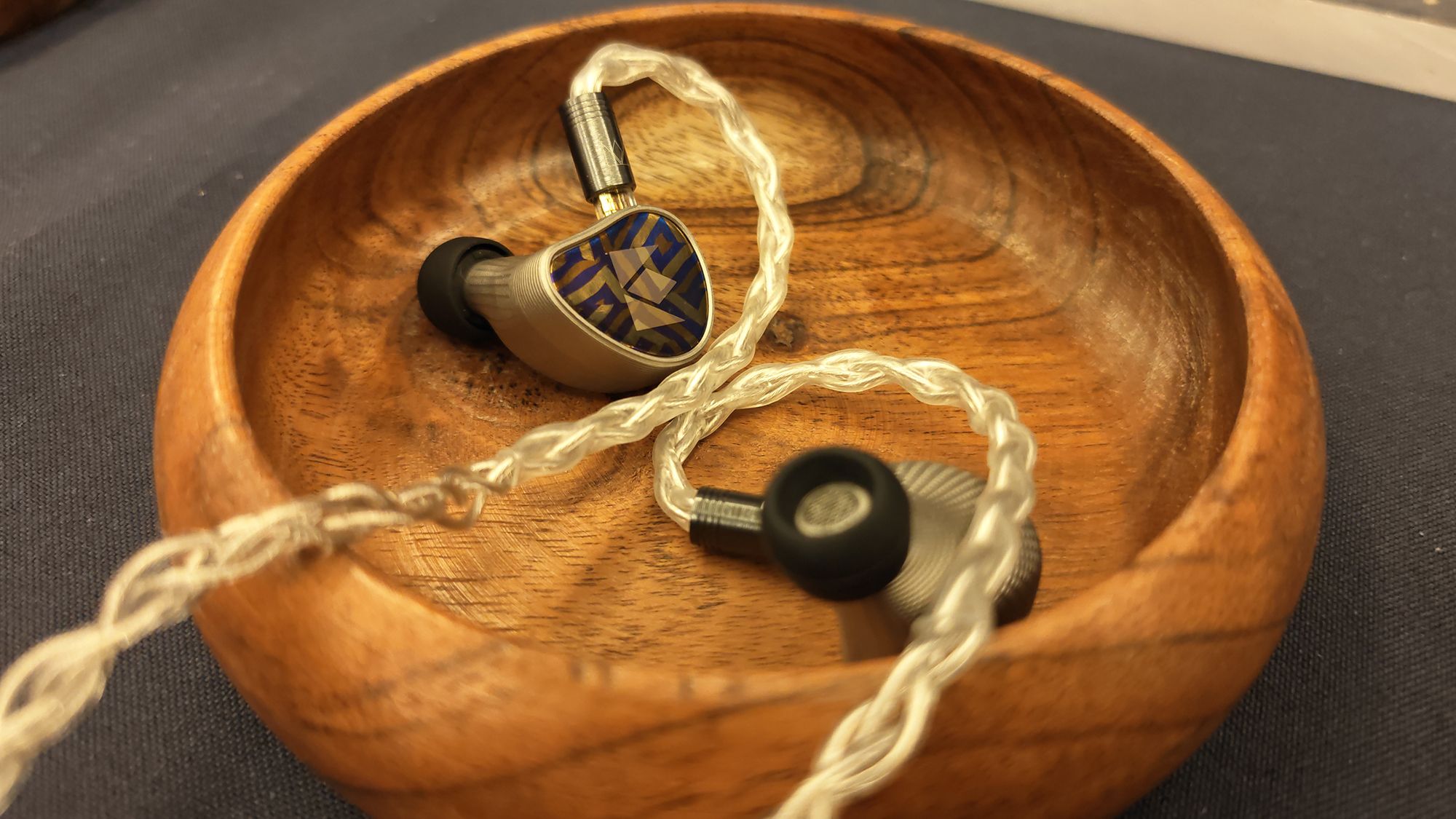
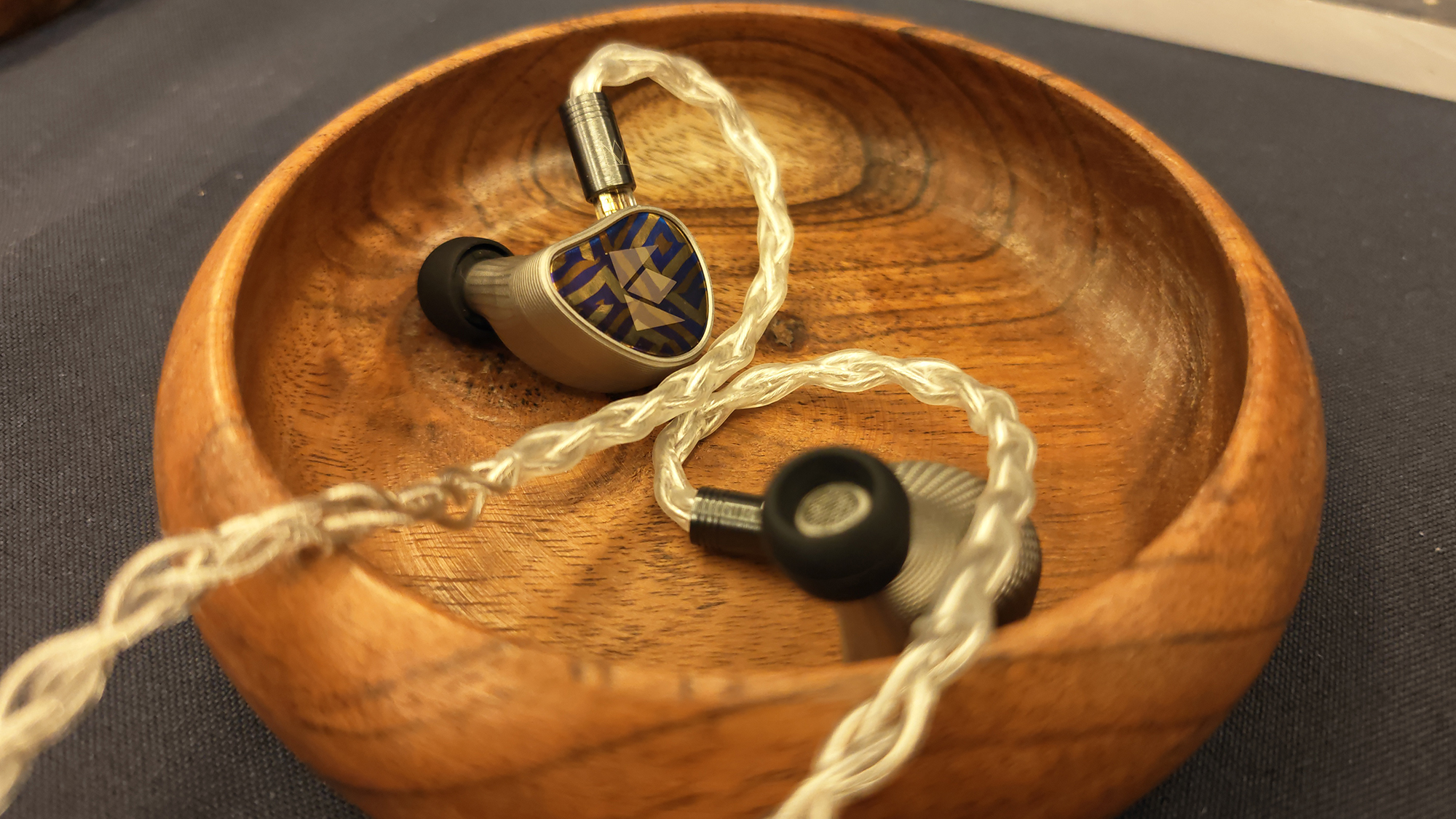
The pursuit of sonic perfection often leads to the exploration of exceptionally high-priced audio gear, and CanJam London 2026 was no exception. Among the most anticipated demonstrations was the Subtonic Storm IEM, a product lauded by many, including respected reviewer Theo Lee of Precogvision, as potentially the finest IEM available, carrying a price tag of $5,200. However, for this reporter, the experience with the Storm served as a stark reminder that even the most technically advanced and acoustically impressive devices can falter if comfort is compromised.
The Subtonic Storm IEMs, while undeniably possessing a premium aesthetic and substantial build quality, presented a significant fit issue. Their large, unvented design led to an immediate and uncomfortable pressure buildup within the ear canal. This discomfort was exacerbated by natural jaw movements, making it nearly impossible to sustain a listening session long enough to fully appreciate the IEMs’ purported sonic qualities. The experience was so compromised that it led to a surprising, yet logical, conclusion: the $100 Final E4000 IEMs, lauded for their exceptional comfort, provided a more enjoyable listening experience.
This comparison, though stark in price difference, highlights a critical aspect of personal audio that can sometimes be overlooked in the race for sonic superiority: wearability. A $5,200 IEM that cannot be worn comfortably for more than a minute renders its advanced acoustic engineering moot for a significant portion of potential users. This experience reinforces the idea that comfort is not merely a secondary consideration but a fundamental requirement for any audio product, especially those intended for extended listening sessions. The implication for manufacturers is clear: while pushing sonic boundaries is essential, neglecting ergonomics and physical comfort can significantly limit a product’s appeal and market success, regardless of its price or critical acclaim. For reviewers, it underscores the importance of thoroughly evaluating fit and comfort alongside sound quality, particularly for IEMs.

The Ascent of Neutrality: A Healthier Path for the Hobby
The audiophile landscape has historically been characterized by a wide spectrum of sound signatures, from bass-heavy "fun" tunings to treble-forward, detail-oriented presentations. While these diverse approaches cater to a variety of tastes, a noticeable trend at CanJam London 2026 was the increasing emphasis on achieving genuine neutrality. This shift towards a more balanced and uncolored sound signature is, in my view, a positive development for the personal audio hobby.
Products like the CrinEar Reference IEM, the HEDD D1 headphone, and the recently released Status Pro X GoldenSound Edition wireless earphone exemplify this trend. These devices prioritize accuracy and fidelity to the source material, eschewing artificial enhancements such as exaggerated treble boosts that can create a false sense of detail or bass scoops that artificially emphasize mid-bass impact. The appeal of neutrality lies in its ability to present music as the artist and engineers intended, providing a clean canvas upon which listeners can appreciate the nuances of a recording.
The Status Pro X GoldenSound Edition, in particular, represents a sophisticated approach to achieving neutrality. Developed in collaboration with Imperial College London, the tuning process involved measuring individual Head-Related Transfer Functions (HRTFs) – the unique way our heads, ears, and torsos shape sound before it reaches our eardrums. This data was then correlated with the acoustic profile of the Bruel & Kjær 5128 measurement rig, a standard in audio research. The result is a tuning that aims for a genuine 5128-specific neutral target, offering a sound that is clean, clear, rich, and remarkably balanced. Vocals and instruments are rendered with lifelike accuracy, complemented by a satisfying bass presence that appeals to a broad audience. Priced at $280, these wireless earphones offer an accessible entry point into high-fidelity neutral sound. While the inability to EQ the GoldenSound profile via the app is a minor drawback, the option to adjust the original Pro X tuning remains, making it a compelling product for those seeking an uncolored audio experience. This focus on scientifically derived neutrality not only benefits discerning listeners but also helps to educate a wider audience about accurate sound reproduction, fostering a more informed and appreciative consumer base.

The Paradox of Price: Value Beyond the Price Tag
CanJam London 2026 also presented a fascinating case study in the economics of high-end audio with the Noble Kronos IEMs. These flagship in-ear monitors, priced at a staggering $4,500, house nine advanced drivers and offer a sonic experience that, for this reporter, was among the most captivating of the entire show. After sampling the less-impressive Noble Vanguard ($325) and the more palatable Noble Iris ($699), the Kronos delivered a rich, detailed soundscape with exceptional midrange clarity and a pleasing warmth. The absence of the fatiguing upper-midrange peak found in the Vanguard, combined with the Kronos’ precise frequency response, allowed for the discovery of subtle details in familiar test tracks, evoking a genuine sense of audio revelation.
However, the immense price tag inevitably raises questions about value and accessibility. While the sonic performance of the Kronos was undeniably impressive, the question of whether such a price point is justifiable for a particular sound profile remains a complex one. The personal audio market often operates on the principle that higher prices correlate with superior quality, but the subjective nature of sound means that personal preference can override objective metrics. For individuals who find their ideal sonic experience in the unique tuning of the Kronos, the investment may be entirely warranted. Yet, the broader implication for the hobby is that such stratospheric pricing can act as a significant barrier to entry, potentially alienating a large segment of potential enthusiasts.
The contrast with more democratically priced, yet still high-performing, products like the Status Pro X GoldenSound Edition highlights a tension within the audiophile community. While the pursuit of ultimate fidelity is a driving force, the accessibility of high-quality audio is equally important for fostering a vibrant and inclusive hobby. The Kronos, despite its sonic brilliance, may remain an aspirational product, experienced only at events like CanJam. This underscores the ongoing challenge for manufacturers to balance innovation and exclusivity with the need to make excellent personal audio accessible to a wider audience. The continued success of the hobby may well depend on finding that equilibrium, ensuring that groundbreaking technology and exceptional sound are not solely the domain of the ultra-affluent. The availability of products like the Pro X, offering a refined and neutral listening experience at a more attainable price point, suggests a promising path forward for democratizing high-fidelity sound.