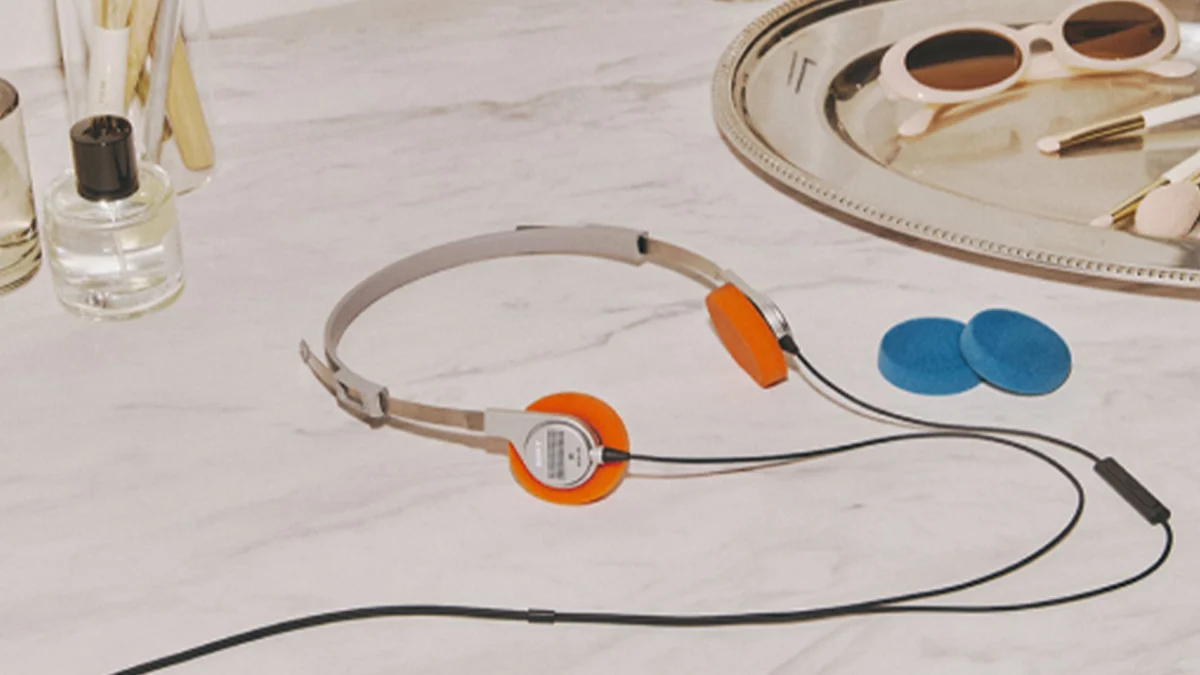
The resurgence of retro consumer electronics has reached a significant milestone as Sony officially brings back one of its most iconic audio accessories from the 1980s. The introduction of the Sony MDR-3R USB-C wired headphones bridges a decades-long gap between vintage industrial design and modern digital connectivity. Capitalizing on a broader cultural and market shift toward wired audio gear, the newly reimagined headphones have immediately captured the attention of audiophiles, retro enthusiasts, and design historians alike. Priced affordably at £49, the initial inventory vanished almost instantaneously upon release, underscoring a robust consumer demand for nostalgic tech hardware that marries classic aesthetics with contemporary utility.
Main Facts and the Modern Return of Wired Audio
The newly released Sony MDR-3R USB-C headphones draw heavy inspiration from the legendary MDR-3 model, which originally debuted alongside the explosive popularity of the Sony Walkman portable cassette player in the early 1980s. While wireless Bluetooth earbuds and over-ear headphones have dominated consumer markets for the past decade—largely driven by smartphone manufacturers removing traditional 3.5mm headphone jacks—the audio landscape is experiencing a measurable counter-trend.
Consumers are increasingly returning to wired headphones for several key reasons, including zero-latency audio transmission, uncompressed sound quality, freedom from battery degradation, and a distinct fashion statement. By integrating a modern USB-C connection into the classic, ultra-lightweight retro chassis, Sony has adapted a vintage form factor for today’s smartphones, tablets, and laptops. Despite the accessible £49 price point, the high demand has resulted in immediate stock shortages across major retail channels, leaving many eager buyers searching for alternative retro-styled wired options.
Chronology of Portable Audio and the Evolution of Sony’s MDR Series
To understand the cultural weight of the MDR-3R’s return, it is necessary to examine the historical timeline of Sony’s portable audio dominance:
- 1979: Sony introduces the TPS-L2 Walkman, revolutionizing personal entertainment by allowing individuals to listen to music privately on the go.
- 1980–1984: To complement the Walkman, Sony develops lightweight headphone designs. The introduction of the original MDR series redefines comfort and acoustic clarity for portable devices, moving away from heavy, cumbersome studio headphones.
- 2010s: The smartphone industry undergoes a seismic shift. Apple removes the headphone jack on the iPhone 7 in 2016, quickly followed by major Android manufacturers, triggering an exponential boom in wireless Bluetooth audio sales.
- Early 2020s: A cultural backlash brews on social media platforms like TikTok, where Gen Z consumers champion retro aesthetics, Y2K fashion, and vintage technology. Wired headphones transition from an obsolete nuisance to an intentional stylistic accessory favored by celebrities and fashion influencers.
- Late 2024–Present: Recognizing the intersection of nostalgia, Gen Z consumer behavior, and the demand for reliable plug-and-play audio, Sony develops and launches the MDR-3R featuring a modern USB-C interface.
Supporting Data and Market Trends in the Headphone Industry
Market research paints a clear picture of why a legacy tech giant like Sony would invest in reviving a decades-old wired design. According to recent consumer electronics market analyses, the global wired headphone market continues to hold a resilient multi-billion-dollar share, bolstered by niche audiophile segments, professional use cases, and budget-conscious demographics.
Simultaneously, the "retro tech" movement has evolved into a lucrative retail sector. Sales of physical media, vintage cameras, corded landlines, and wired earbuds have seen double-digit year-over-year growth among consumers aged 18 to 25. Industry analysts point out that younger demographics view wired headphones not merely as tools for listening to music, but as tactile, anti-minimalist accessories that offer relief from pervasive wireless device fatigue. Furthermore, the inclusion of a USB-C connector eliminates the need for bulky dongles, addressing a persistent friction point for modern smartphone users who prefer wired hardware.
Industry Responses and Consumer Reactions
While Sony has not released extensive public relations statements regarding the surprise drop, retail reaction has been swift. Consumer forums, tech blogs, and social media platforms have been flooded with commentary from disappointed shoppers who missed out on the initial batch of £49 units.
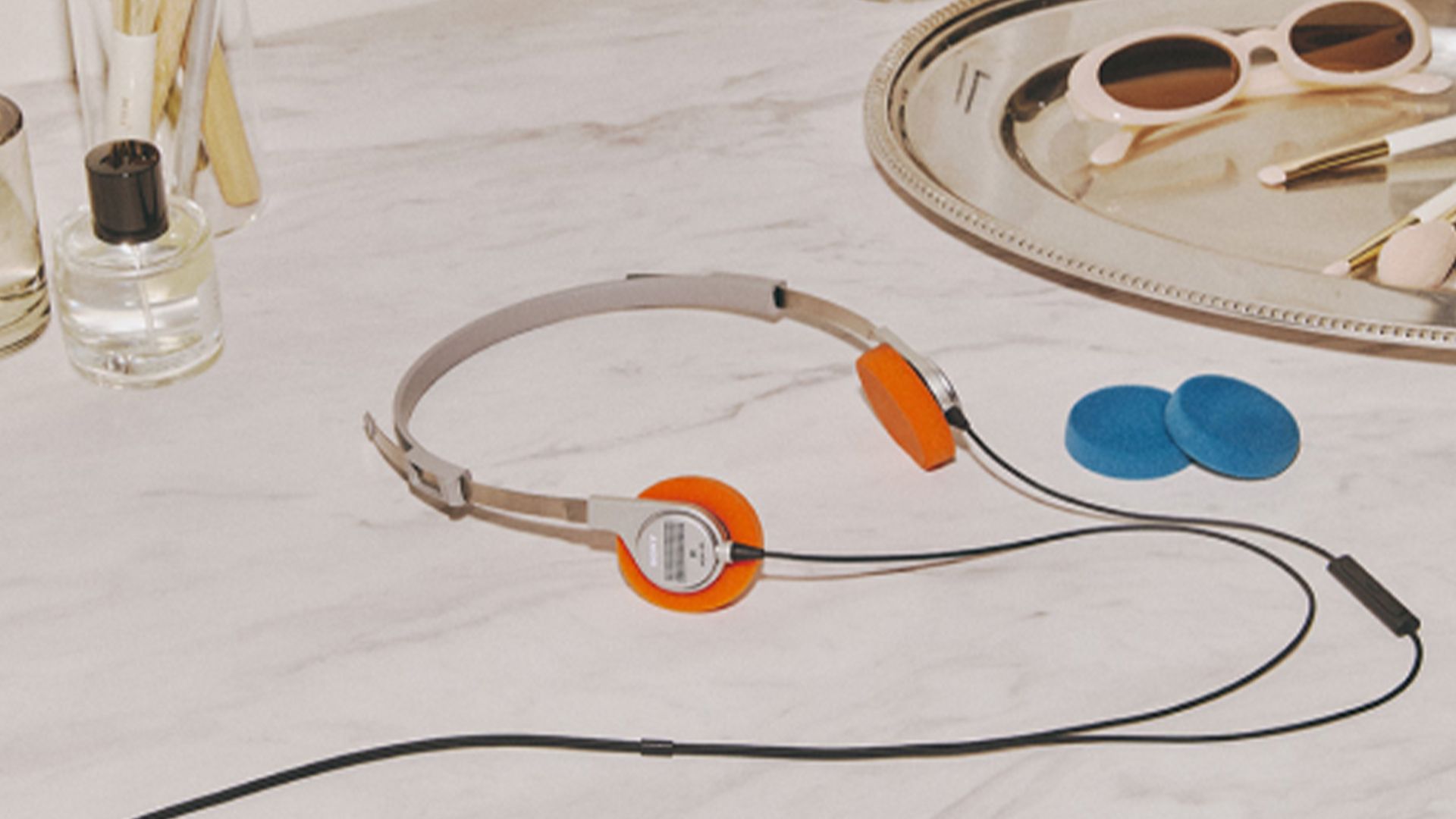
"The appeal lies in the radical simplicity of the design," notes a prominent London-based industrial design critic. "In an era where modern tech often looks homogenous—sleek, sterile blocks of white or black plastic—the exposed metal headband, foam ear pads, and retro branding of the MDR-3R offer distinct personality. Sony understands that heritage is one of its most powerful intellectual properties."
Audio enthusiasts have also weighed in on the acoustic implications of the release. While vintage open-back and lightweight on-ear designs from the 1980s were praised for their comfort and natural soundstage, modern iterations are expected to benefit from updated transducer materials and digital-to-analog signal processing delivered via the USB-C standard. This blend of old-school architecture with modern internal tuning allows brands to bridge the gap between nostalgia and performance.
Broader Impact and Implications for Consumer Electronics
The successful launch and immediate sell-out of the Sony MDR-3R USB-C headphones signal a broader strategic shift in how legacy technology brands manage their historical product archives. Rather than letting classic designs fade into obsolescence, companies are increasingly recognizing the commercial viability of heritage revivals.
This trend carries several key implications for the tech and fashion industries:
- The Mainstreaming of "Tech-Nostalgia": Manufacturers are likely to scour their product archives for other iconic 80s and 90s designs that can be retrofitted with modern inputs like USB-C, Bluetooth 5.4, or upgraded internal components.
- Sustainability and Longevity: Wired headphones inherently possess a longer operational lifespan than true wireless earbuds, which suffer from permanent battery degradation within two to three years. The return to wired formats aligns with growing consumer interest in durable, repairable, and long-lasting electronics.
- Aesthetic-Driven Hardware: As consumer electronics become increasingly commoditized in terms of core computing performance, industrial design, brand heritage, and lifestyle branding are emerging as primary competitive differentiators.
As Sony works to replenish stock of the MDR-3R, the market is left watching to see if competitors will follow suit by digging into their own historical catalogs to satisfy a generation of consumers hungry for authentic, tactile, and historically rich technology.