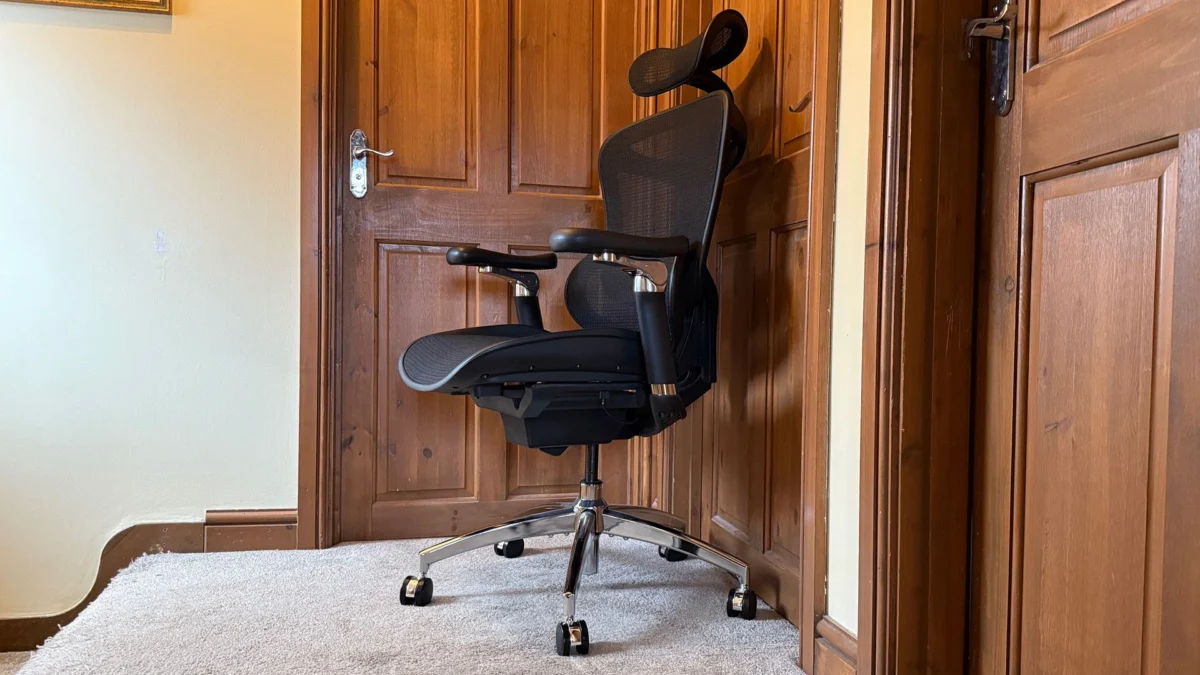
The landscape of ergonomic office furniture has undergone a significant transformation over the past decade, shifting advanced posture-support mechanisms from high-end corporate boardrooms into home offices. Among the brands driving this democratization of comfort is Sihoo, a manufacturer long recognized by consumer technology reviewers and ergonomic specialists for producing high-value seating solutions. While the company initially built its reputation on budget-friendly models like the M18, it has increasingly expanded its footprint into the mid-range and premium ergonomic sectors. The latest development in this market trajectory involves a direct-to-consumer price cut on the brand’s flagship offering, the Sihoo Doro C300 Pro, which is now available on the manufacturer’s official web store for $439, down from its standard retail price of $509.
This $70 price reduction arrives at a time when remote and hybrid work models continue to sustain high consumer demand for workspace ergonomics. Prolonged sitting has long been associated with musculoskeletal disorders, chronic lower back pain, and repetitive strain injuries. Consequently, industry analysts note that consumers are increasingly willing to invest in specialized seating solutions that actively promote spinal health, provided those products sit within an accessible price bracket. At $439, the Doro C300 Pro undercuts many competing high-end ergonomic task chairs—some of which command prices exceeding $1,000—while attempting to deliver a comparable suite of dynamic adjustability features.
An Evolution in Ergonomic Design and Market Positioning
To understand the positioning of the Doro C300 Pro, it is helpful to examine the broader trajectory of the office furniture market over the last five years. Following the widespread transition to remote work in 2020, consumer awareness regarding home office ergonomics surged dramatically. Initial demand focused heavily on low-cost, quick-ship mesh chairs that prioritized basic height adjustment over true postural support. However, as remote work extended into a permanent structural shift for millions of employees, consumer preferences evolved toward durability, advanced lumbar engineering, and multi-point adjustability.
Sihoo’s market strategy has systematically bridged the gap between entry-level affordability and professional-grade ergonomics. While the M18 model captured market share by offering baseline ergonomic features for a fraction of the cost of legacy brands, models like the Doro C300 Pro target users who require intensive, long-term daily seating support. The recent price adjustment on the official Sihoo platform represents a calculated effort to capture market share during a competitive retail period, offering a compelling alternative to traditional office supply brands and boutique ergonomic manufacturers.
Engineering and Ergonomic Features of the Doro C300 Pro
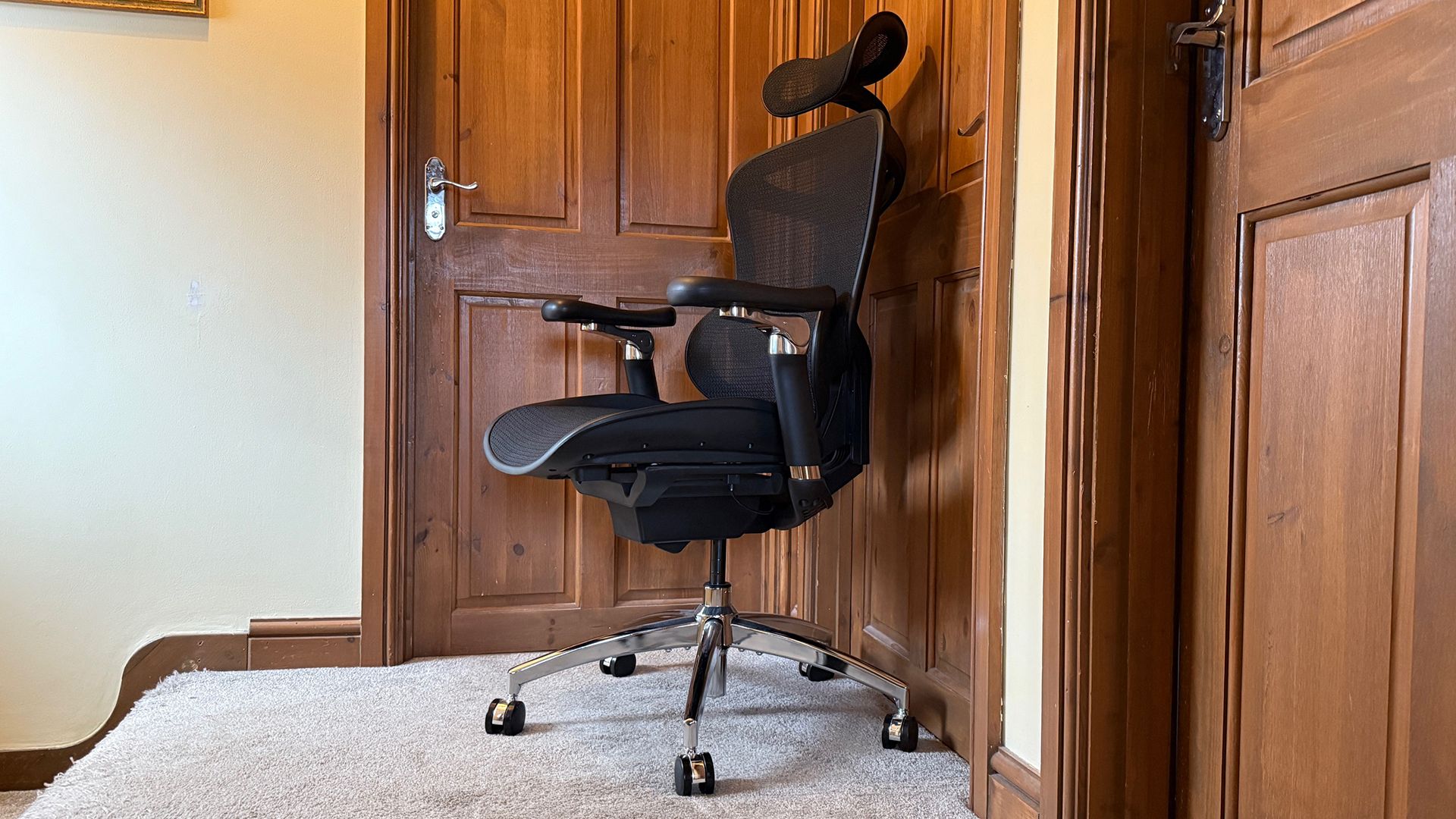
The technical architecture of the Sihoo Doro C300 Pro centers on addressing the primary causes of sedentary fatigue: inadequate lower back support, restricted arm mobility, and poor thermal regulation.
One of the standout components highlighted in recent product evaluations is the dynamic lumbar support system. Unlike static cushions or fixed plastic lumbar bars, the Doro C300 Pro utilizes an adaptive mechanism designed to mirror the natural "S" curve of the human spine. Ergonomic specialists note that effective lumbar support must move with the user as they shift positions throughout the workday, rather than forcing the spine into a rigid, unnatural posture. The Doro system provides continuous resistance and support, mitigating the risk of slouching without imposing excessive pressure on the lower vertebrae.
Thermal comfort is another critical factor in modern task chair design. The C300 Pro incorporates high-tensile, breathable mesh across both the backrest and the wide seat pan. Traditional foam-and-fabric upholstery tends to trap body heat during extended periods of use, leading to discomfort and perspiration. High-grade elastomeric mesh promotes continuous airflow, distributing body weight evenly across the seating surface and reducing pressure points on the thighs and pelvis.
Advanced Armrest Mobility and Customization
Beyond lumbar support and breathability, the Doro C300 Pro distinguishes itself within its price tier through its multi-dimensional armrest system. While standard ergonomic chairs typically feature armrests that adjust in height and forward-backward positioning, the C300 Pro introduces advanced lateral articulation.
The armrests are engineered to move up and down, slide forward and backward, pivot inward and outward, and shift laterally toward or away from the user’s chest. Industry experts emphasize that proper arm support is vital for preventing shoulder tension and carpal tunnel syndrome, particularly for individuals who spend hours typing or navigating with a computer mouse. By allowing the user to adjust the width and angle of the armrests dynamically, the chair accommodates various body types and typing postures, reducing strain on the rotator cuffs and upper trapezius muscles.
Aesthetic and Assembly Considerations

Despite its advanced functional attributes, the Doro C300 Pro has elicited nuanced feedback regarding its physical aesthetics and initial setup process. Industrial design reviews frequently point out that the chair’s complex mechanical underpinnings result in a distinctly futuristic, utilitarian appearance that may not seamlessly blend into minimalist or traditionally styled residential interiors. The heavy reliance on exposed adjustment levers, dynamic tracks, and high-strength plastic and metal composites gives the chair a pronounced technical profile.
Furthermore, assembly remains a notable consideration for buyers. Like many heavy-duty ergonomic chairs featuring integrated mechanisms, the Doro C300 Pro requires careful unpacking and methodical assembly. Reviewers and consumer feedback consistently indicate that setting up the chair demands a moderate investment of time and patience, particularly when aligning the synchronized tilt mechanism and securing the heavy-duty gas lift cylinder into the aluminum alloy base. However, once properly assembled, the chair provides a stable, robust seating platform designed to withstand rigorous daily use.
Industry Implications and Buying Guidance
The broader implications of discounted mid-tier ergonomic seating reflect an increasingly competitive landscape. Manufacturers are under mounting pressure to incorporate features once exclusive to luxury lines—such as dynamic weight-sensing tilt mechanisms, multi-directional armrests, and premium mesh materials—into products priced under the $500 threshold.
For consumers experiencing chronic back discomfort or transitioning to permanent remote work setups, the $70 reduction on the Doro C300 Pro lowers the financial barrier to obtaining certified ergonomic support. Ergonomic health authorities generally recommend that individuals spending more than six hours a day seated invest in a task chair equipped with synchronized tilt, adjustable lumbar support, and customizable armrests to prevent long-term musculoskeletal strain.
As the Sihoo Doro C300 Pro remains discounted on the manufacturer’s official platform, prospective buyers outside the United States are advised to consult regional distribution channels, as localized pricing, shipping tariffs, and promotional availability may vary. Regardless of the chair selected, posture specialists emphasize that optimal spinal health depends not only on the equipment used but also on maintaining proper ergonomic alignment—including keeping feet flat on the floor, positioning monitors at eye level, and incorporating regular movement breaks throughout the workday.