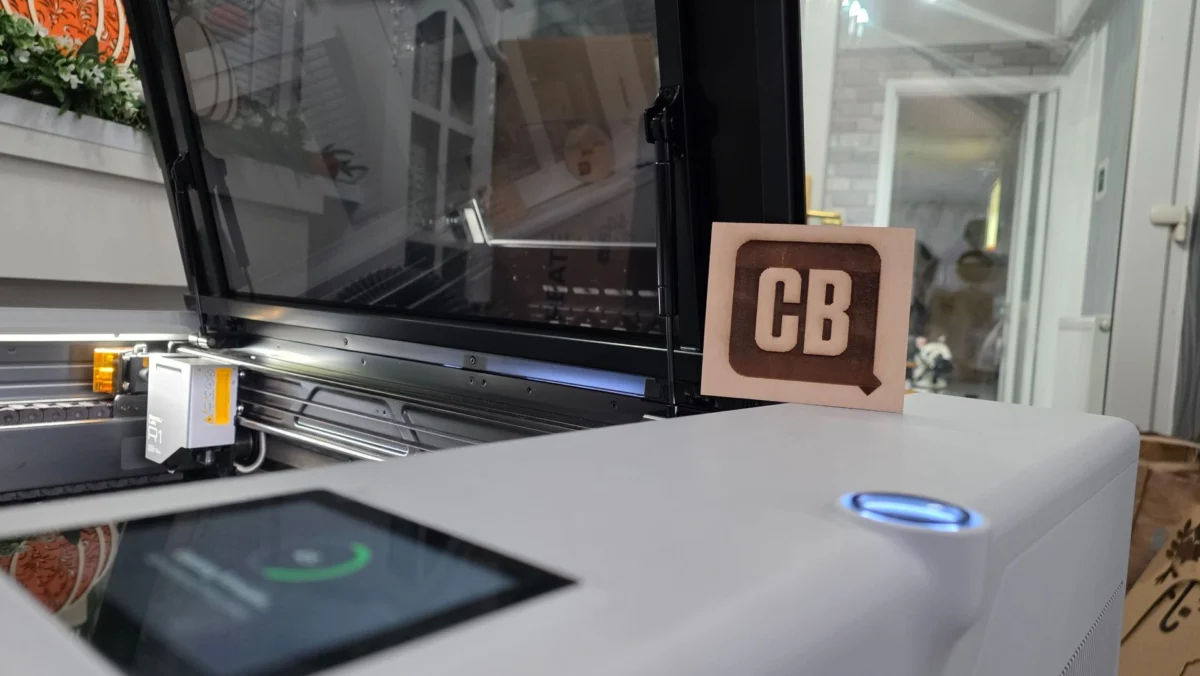
Bambu Lab, a dominant force in the desktop manufacturing and 3D printing sector over the past half-decade, has officially announced its first-ever standalone product outside of the additive manufacturing ecosystem: the R1 55-watt CO2 laser cutter. Priced at $2,499.00 / £2,249.00 / €2,499.00 / AU$3,849.00 for the base unit, the machine marks a strategic expansion for the company as it enters a market previously dominated by specialized laser brands such as xTool and Glowforge.
The introduction of the R1 represents a significant evolution for Bambu Lab. While the company has spent the last five years cementing its reputation as a premier producer of high-speed consumer 3D printers—such as the X1 and P1 series—it has recently experimented with hybrid fabrication. Over the past year, the company introduced modular laser-cutting and knife-cutting capabilities into its H-series 3D printers, bridging the gap between additive and subtractive manufacturing. The R1, however, is a dedicated, heavy-duty industrial machine built strictly for advanced laser cutting and engraving workflows.
Core Specifications and Performance Capabilities
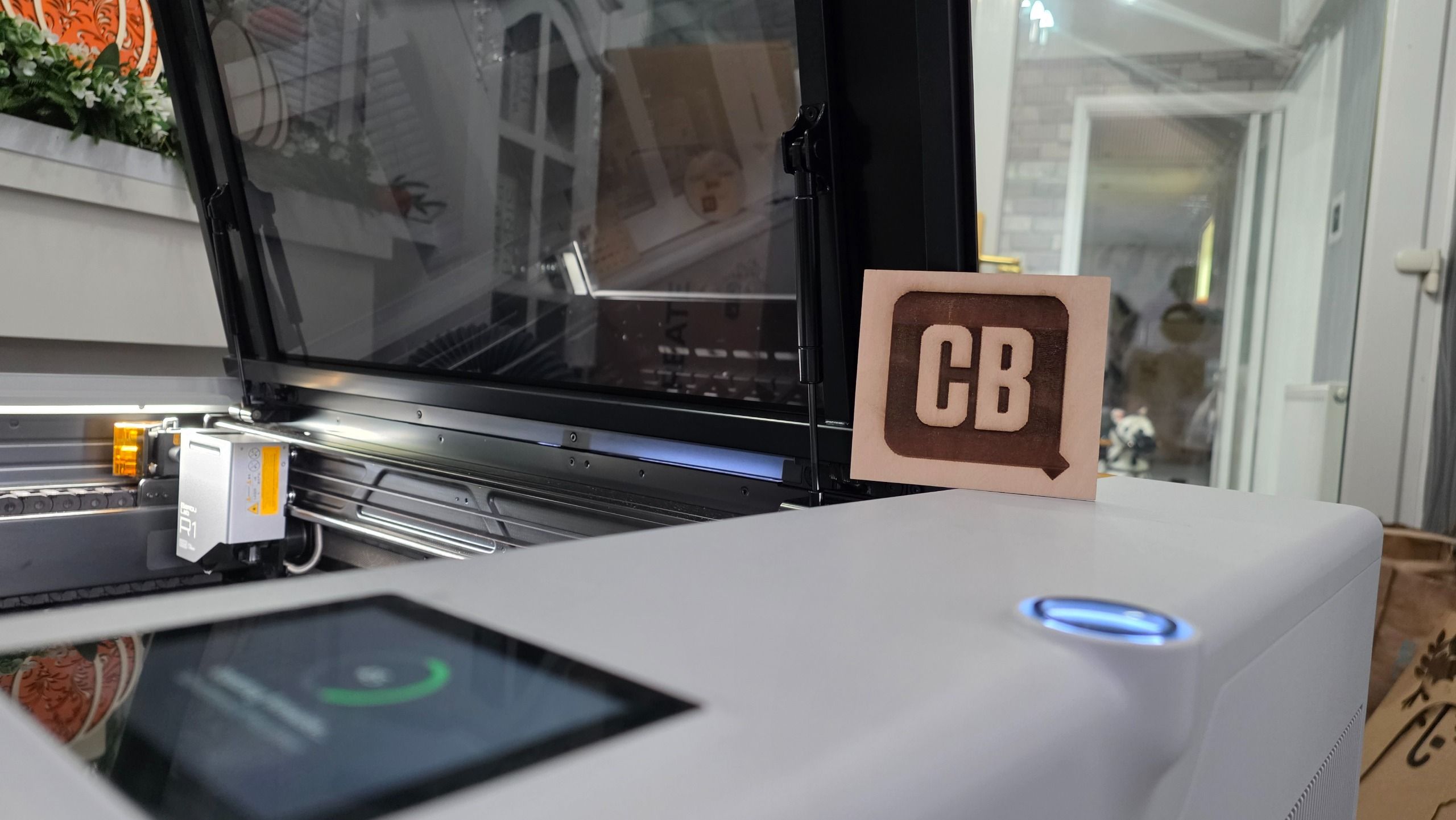
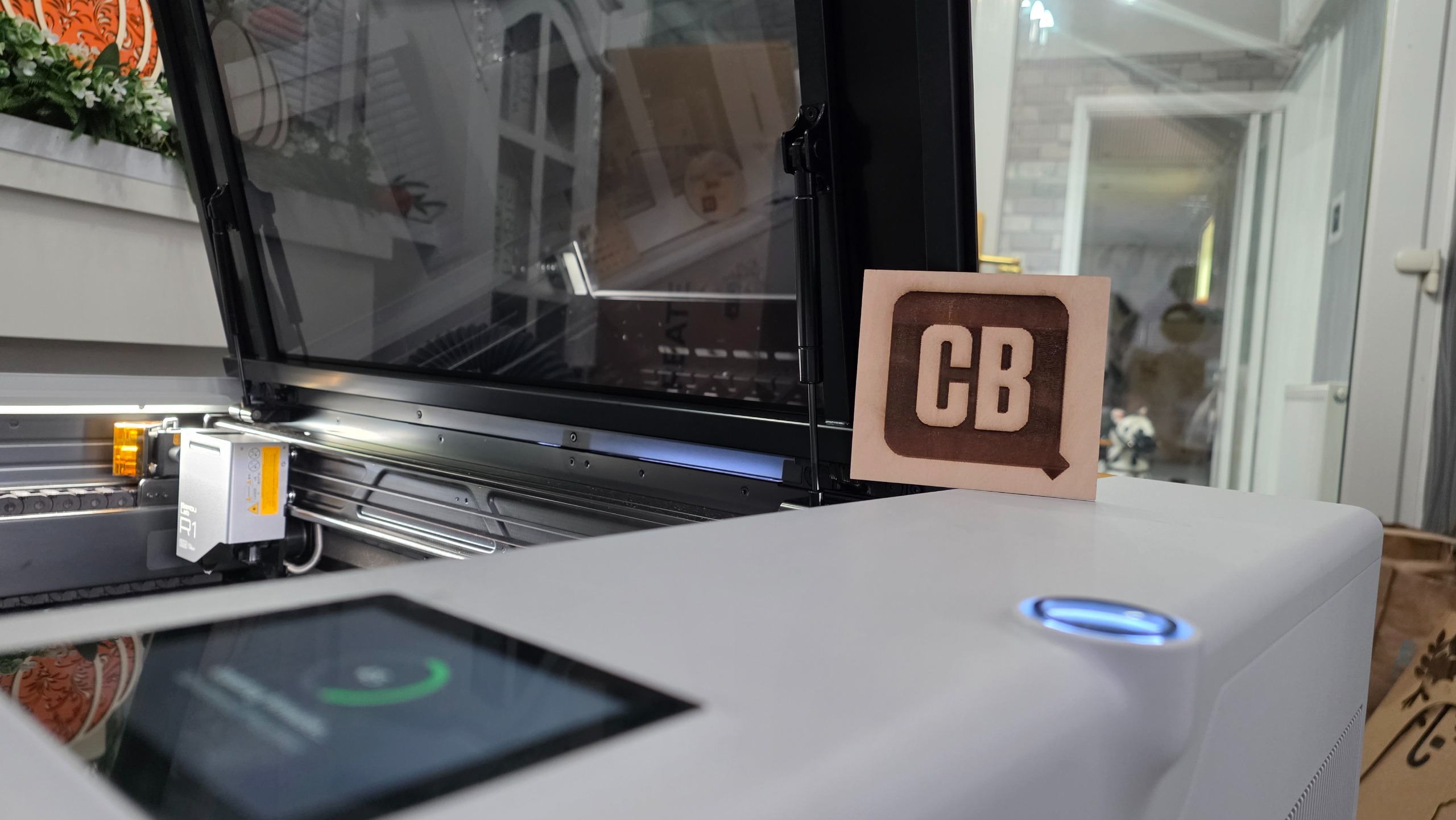
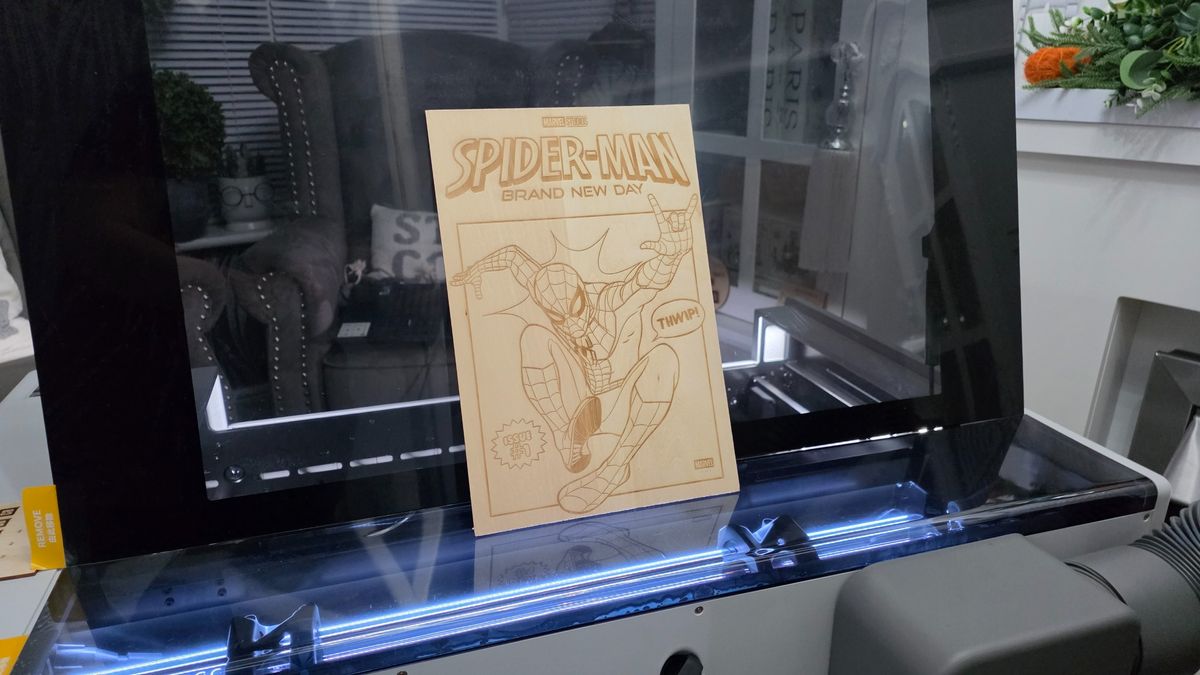
Operating at 55 watts, the R1 CO2 laser positions itself as a robust tool capable of handling a wide array of organic and synthetic materials. According to beta testing reports, the machine easily slices through clear acrylic, diverse wood types including basswood plywood, leather, paper, and fabric, while also functioning as an effective etcher for glass, stone, and coated metals.
The machine features a native workspace measuring 600 by 300 millimeters, allowing users to comfortably load multiple standard material sheets simultaneously. For larger operations, an optional conveyor attachment—sold separately—can expand the cutting length to accommodate projects up to 3,000 millimeters.
Despite housing a generous internal workspace, the machine’s overall physical footprint has been engineered to be approximately one-third smaller than traditional CO2 laser cutters offering equivalent workspaces. Nevertheless, the hardware remains substantial, with reviewers noting that unboxing and assembly require a two-person team.
Technological Innovations: The TriSense System and Automated Alignment
One of the most notable engineering hurdles in traditional CO2 laser cutters has been the optical alignment process. Historically, operators have had to manually adjust internal mirrors using thermal paper, manual screw adjustments, and test burns to ensure the laser beam maintains its precise path across the gantry.
The Bambu Lab R1 seeks to automate this painstaking maintenance procedure through its proprietary TriSense System. The technology enables the machine to autonomously detect material placement, calculate surface height, and map toolhead paths in a single automated step.
Additionally, Bambu Lab offers an optional Vision Encoder calibration board. This hardware accessory measures and corrects mechanical drift over prolonged use, addressing a common pain point for heavy users who experience alignment degradation after hundreds of operational hours.
Software Integration and Ecosystem Familiarity
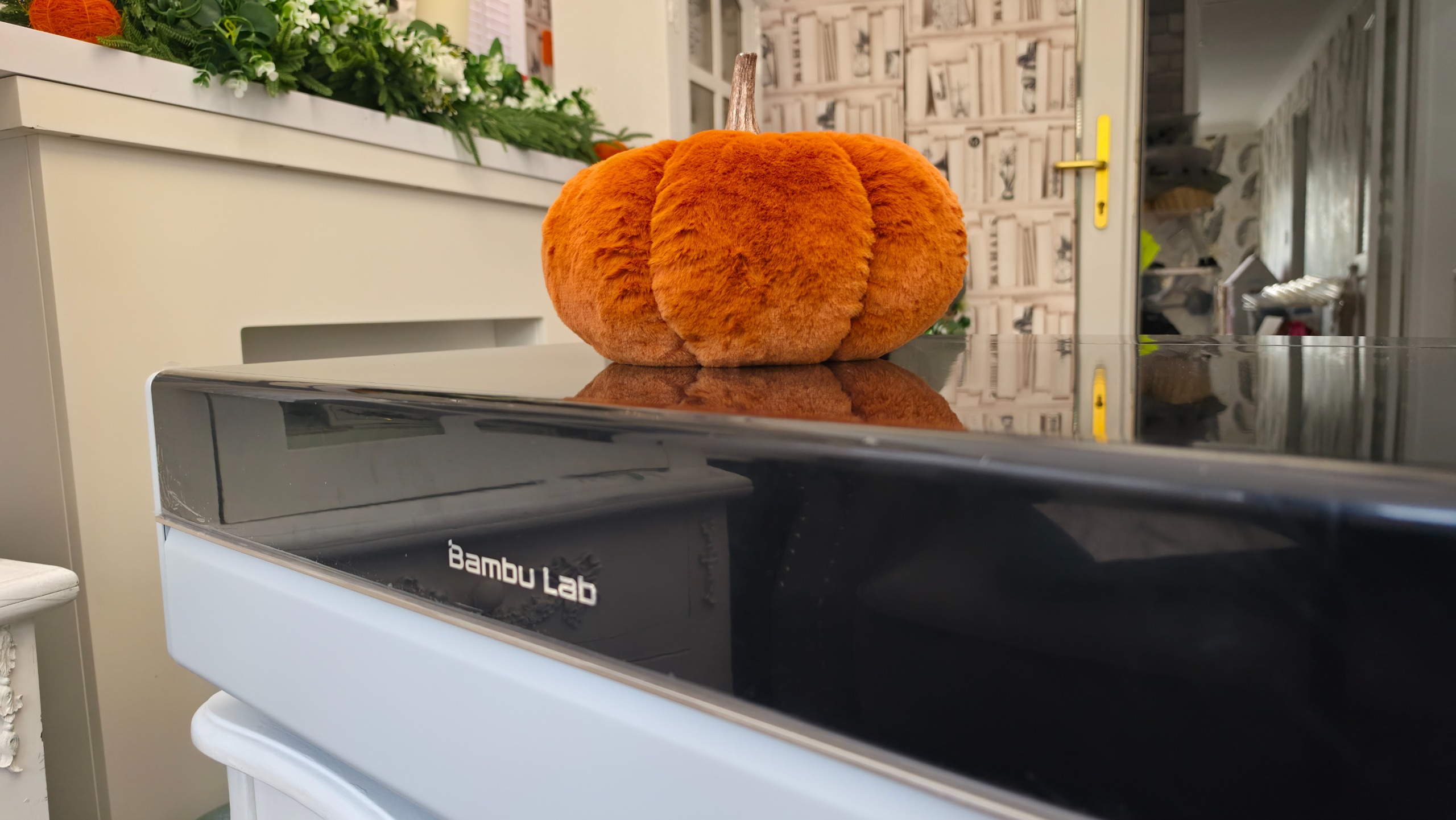
To lower the barrier to entry for existing customers, the R1 integrates seamlessly with Bambu Lab’s established software and hardware infrastructure. Users familiar with the company’s 3D printer interfaces will find the R1’s touchscreen UI and hardware controls nearly identical. Remote monitoring and basic configuration can also be managed via the Bambu Handy mobile application.
For design preparation, the machine utilizes Bambu Suite, a desktop application separate from Bambu Studio. The software is provided free of charge, requiring no subscription fees or AI credit systems, and includes built-in tracing and background-removal tools to rapidly convert raster images into vector-based SVG files. However, industry analysts note the absence of a live video feed for remote monitoring within the app, meaning operators must remain in physical proximity to the machine during operation for safety compliance.
Safety Protocols and Regulatory Compliance
Given the inherent risks associated with high-power industrial lasers in home and small-studio environments, Bambu Lab has incorporated several safety mechanisms into the R1. The device is certified as a Class 1 laser product, meaning operators do not require specialized protective eyewear during normal use.
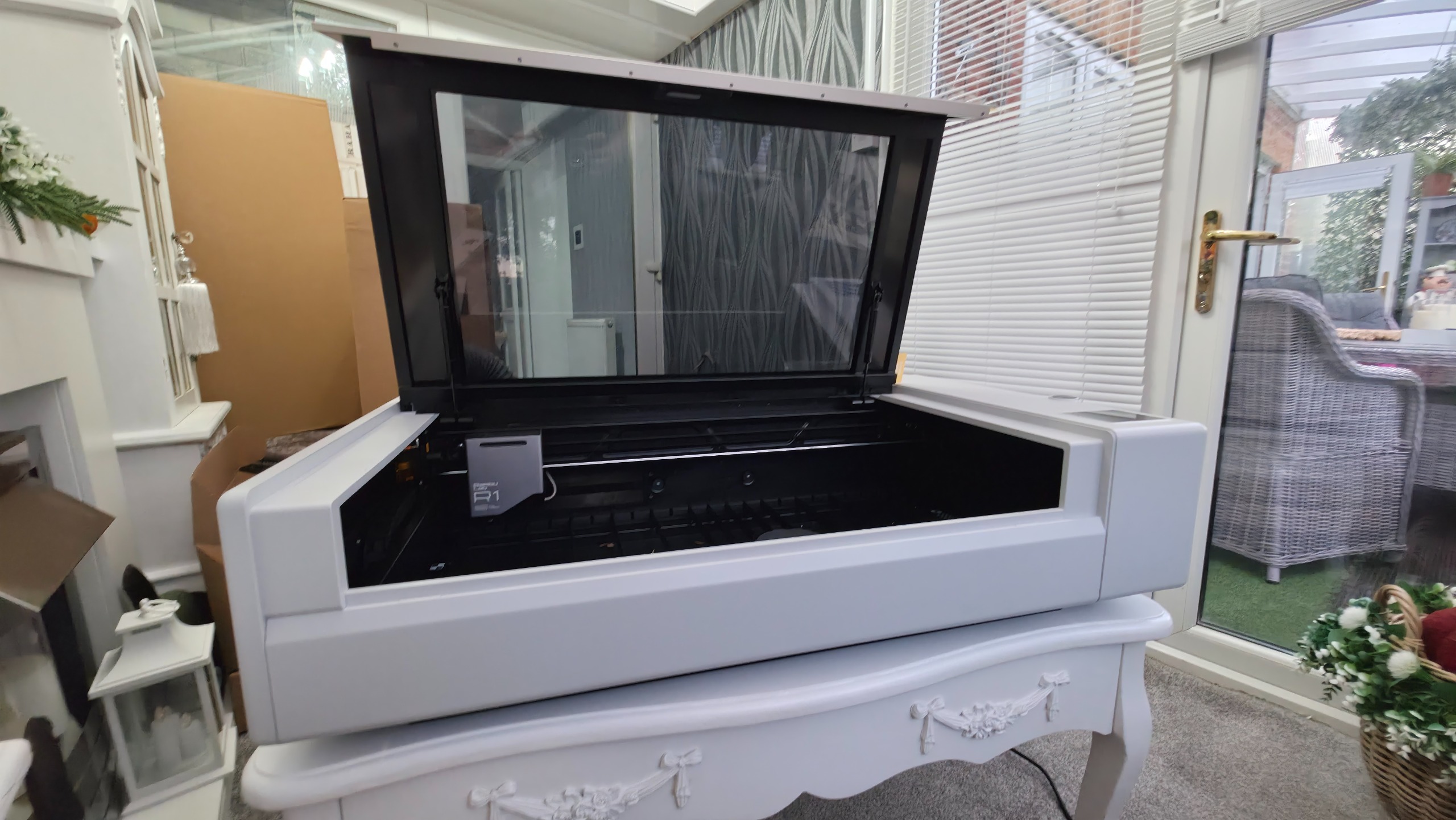
Additional safety measures include a prominent emergency stop button, an automatic pause function triggered when the lid is opened, and integrated flame detection sensors. The system is also compatible with an optional Auto Fire Extinguishing System designed to autonomously suppress flare-ups within the enclosure.
Market Implications and Competitive Landscape
The launch of the R1 places Bambu Lab directly into competition with established market leaders in the desktop laser space, such as xTool. When compared against entry-level and mid-tier competitors like the xTool P2S—which entered the market at a significantly higher initial price point—the R1’s competitive pricing strategy of $2,499 could disrupt the current consumer laser market.
Industry observers suggest that Bambu Lab’s loyal customer base, cultivated through years of reliable 3D printer releases, may provide a ready-made market for the new hardware category. By leveraging its brand reputation, supply chain maturity, and software familiarity, the company is well-positioned to capture market share from traditional laser manufacturers.
Availability and Next Steps
Pre-orders for the Bambu Lab R1 are currently live through the official Bambu Lab online store, with international shipping slated to commence in October. While initial reviewer impressions are broadly positive, broader industry reception will depend on long-term reliability tests, ongoing software updates, and the performance of optional accessories such as the conveyor and fire suppression modules. A comprehensive, long-term review of the R1 is expected following its official market rollout.