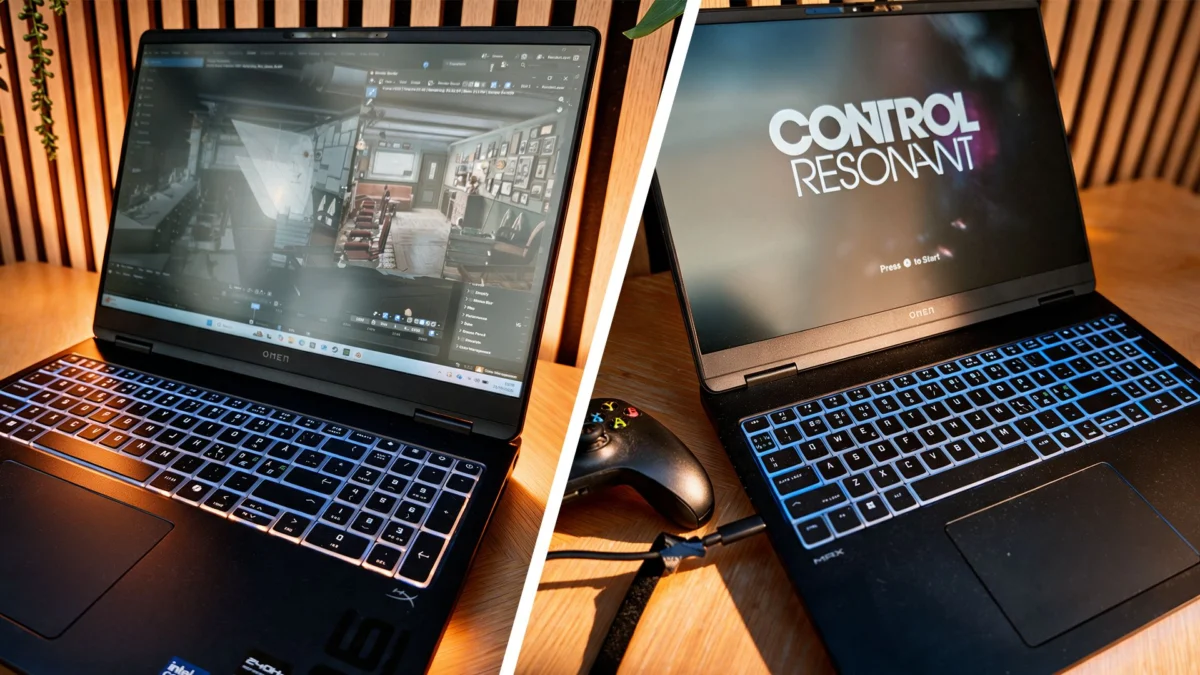
The modern computing market has long maintained a strict boundary between consumer electronics intended for leisure and heavy-duty workstations designed for industrial production. For decades, professionals requiring intensive computational rendering, 3D modeling, and real-time ray tracing were restricted to austere, heavy, and exorbitantly priced mobile workstations. Conversely, high-end gaming laptops prioritized raw frame rates and aggressive aesthetic choices, often alienating academic and corporate environments. However, the release of the HP Omen Max 16 challenges this dichotomy, offering a dual-purpose mobile platform equipped with bleeding-edge hardware designed to bridge the gap between high-fidelity gaming and professional-grade digital content creation.
Main Facts and Architectural Breakdown
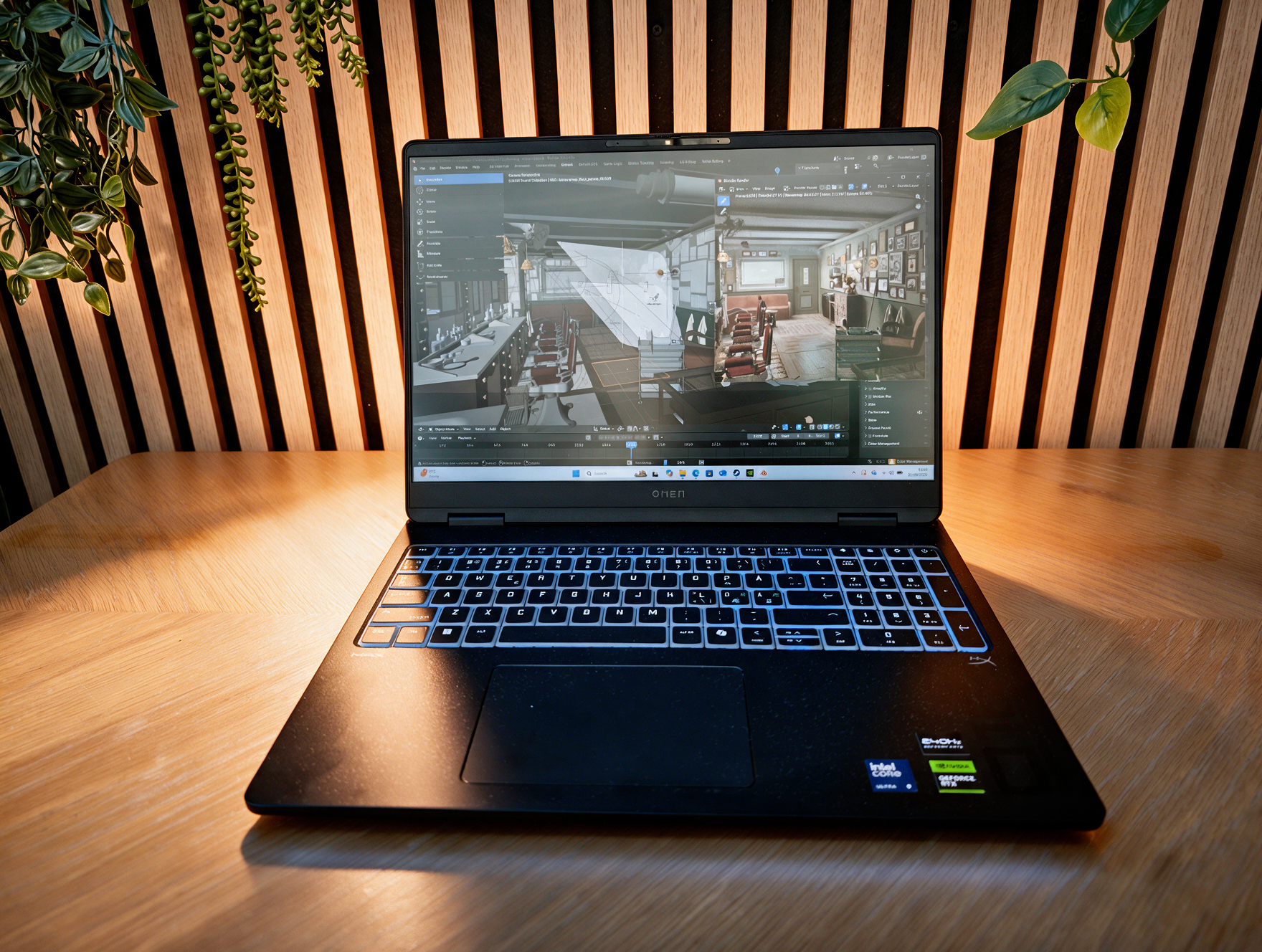
At the core of the HP Omen Max 16 lies a formidable pairing of enterprise-tier silicon: an Intel Core Ultra 9 275HX processor featuring 24 computing cores, coupled with an NVIDIA GeForce RTX 5080 laptop GPU equipped with 16GB of GDDR7 VRAM. This configuration is supported by 32GB of system RAM and a 1TB NVMe solid-state drive.
Despite packing components that traditionally demand massive cooling apparatuses and thick chassis designs, the Omen Max 16 maintains a surprisingly manageable physical profile. Weighing significantly less than legacy desktop replacements, the machine bridges the portability gap, rivaling the everyday carry weight of popular productivity notebooks like the Apple MacBook Pro.
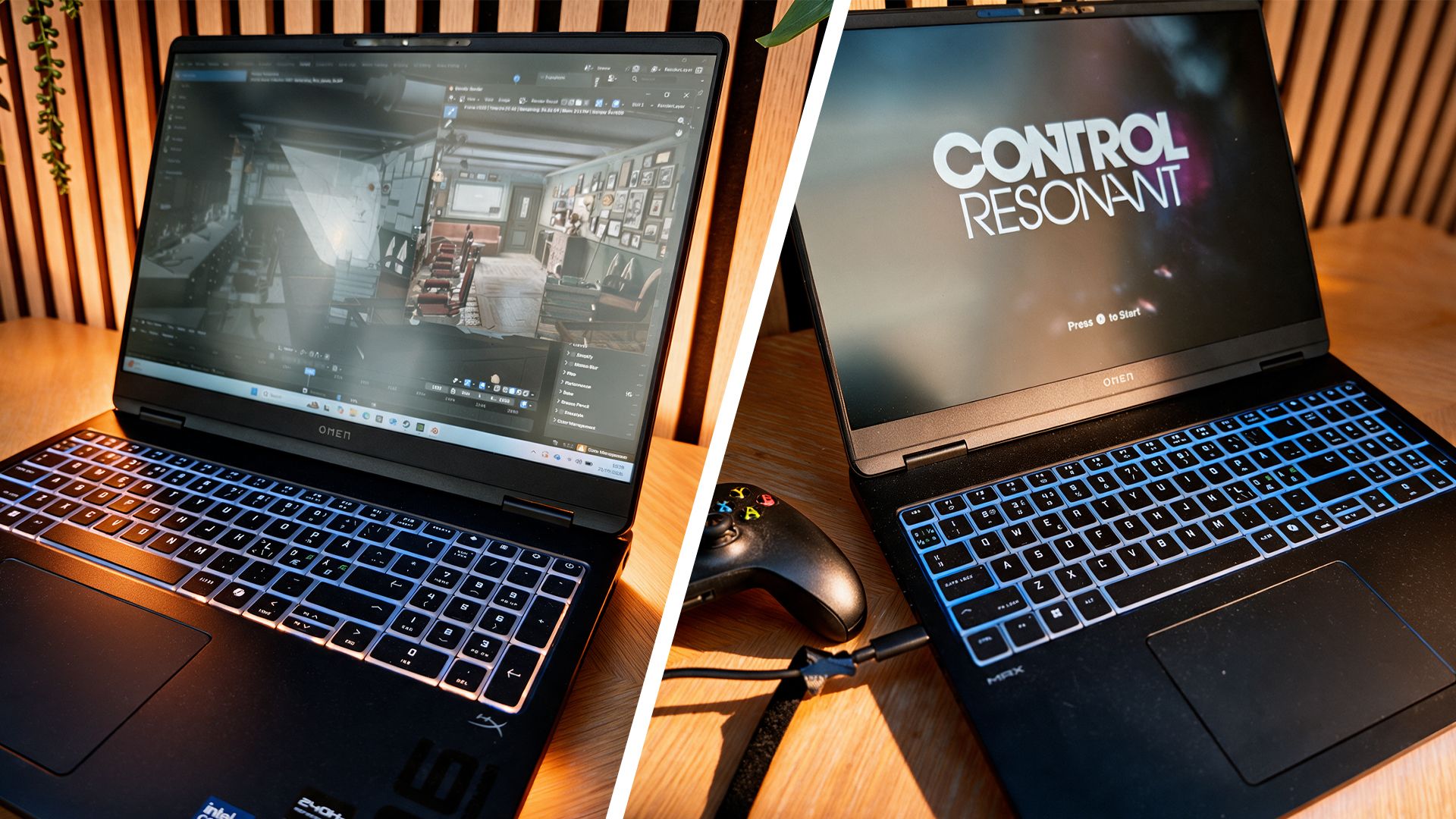
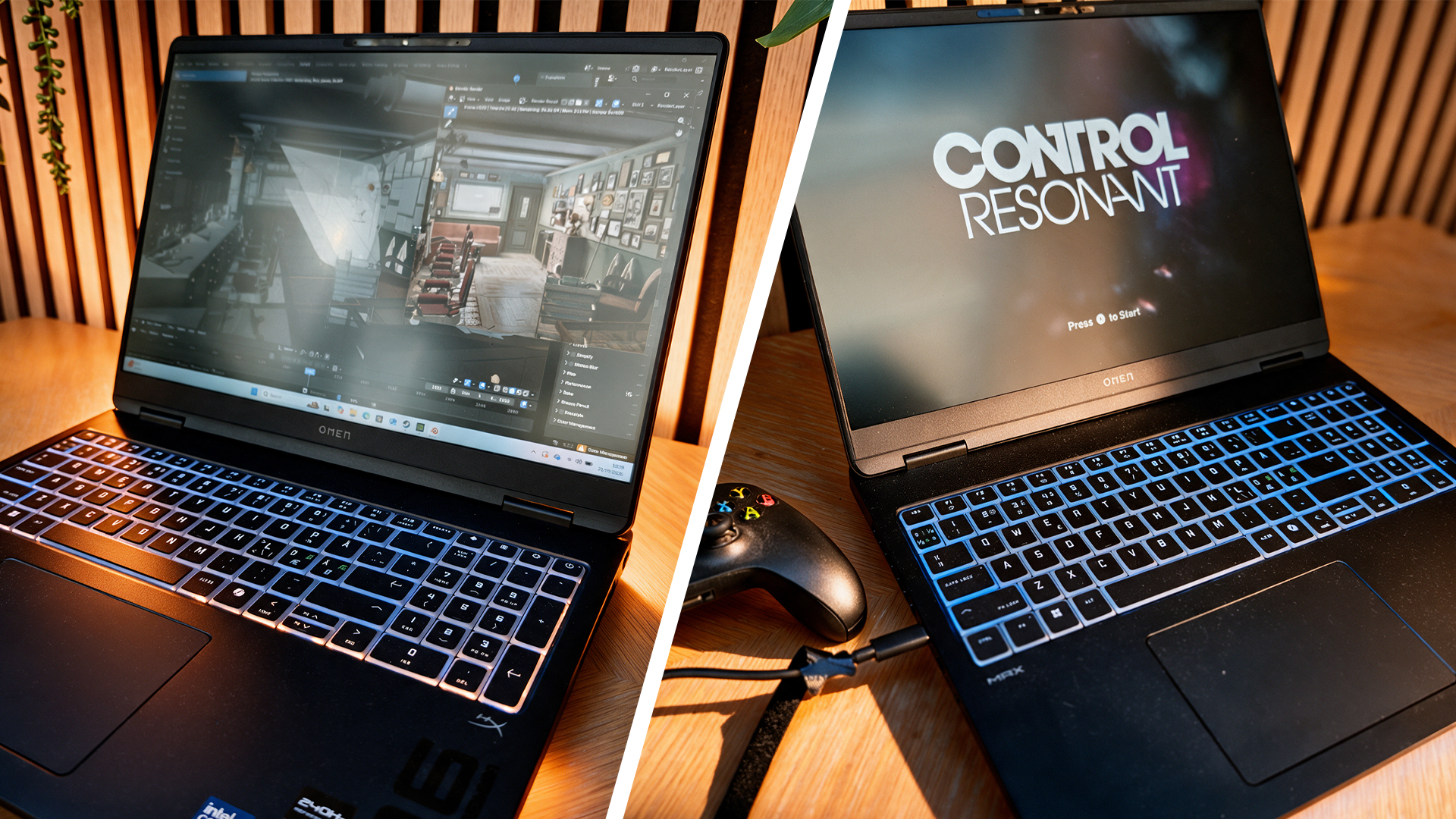
Out of the box, the laptop’s aesthetic presents a nuanced identity. While the customizable RGB keyboard backlighting can be programmed to emit vibrant multi-colored light pulses reminiscent of recreational setups, turning off the illumination reveals a sleek, professional black chassis suitable for lecture halls, boardrooms, and client meetings.
Chronology and Technological Evolution
The convergence of gaming hardware and creative workflows has accelerated over the past five cycles of graphics card architectures. Historically, NVIDIA maintained a rigid operational divide by separating its product lines into GeForce drivers optimized for consumer entertainment and Quadro (later NVIDIA RTX Studio) drivers tailored for computer-aided design, animation, and video editing.
By the introduction of the RTX 50-series architecture, NVIDIA refined its driver ecosystem to allow seamless switching between "Gamer Ready" and "Studio" software environments through a streamlined graphical interface. This technological evolution enables users to toggle operational profiles within minutes.
During practical daily evaluations, this capability transforms the workflow of digital artists and game developers. A typical workday can begin in the morning utilizing the Studio drivers for heavy scene manipulation in Blender or complex spatial calculations in Unreal Engine 5, leveraging CUDA and OptiX acceleration. By evening, a user can switch to Gamer Ready drivers to test fully ray-traced builds of demanding titles such as Control Resonant, demonstrating that high-end gaming laptops can transition between high-demand productivity and leisure without hardware bottlenecks.
Supporting Data and Comparative Market Analysis
To fully understand the market positioning of the HP Omen Max 16, industry analysts look closely at pricing structures and component stratification within HP’s broader catalogue. The top-tier configuration carrying the RTX 5080 and Core Ultra 9 processor launches with a recommended retail price of £2,999, though promotional retail discounts have temporarily positioned the machine at approximately £2,619.
In contrast, lower-tier alternatives within the same product family—such as an Omen 16 variant equipped with an NVIDIA GeForce RTX 5060, an eight-core processor, 16GB of RAM, and 512GB of storage—retail at significantly reduced price points, often hovering around £1,299 during seasonal sales promotions.
While the lower-tier configurations present an attractive financial proposition for budget-conscious consumers, hardware benchmarks highlight critical limitations. The entry-level models typically feature 8GB of VRAM compared to the Max variant’s 16GB. For 3D artists, digital sculptors, and environment designers utilizing modern rendering engines, VRAM capacity acts as a hard ceiling for texture resolution, scene density, and polygon counts. As software ecosystems increasingly rely on massive asset libraries like Megascans and Nanite geometry, hardware limitations encountered in the third or fourth year of an academic or professional career can render lower-spec machines obsolete far faster than their heavily provisioned counterparts.
Economic Implications and Financial Accessibility
The integration of workstation-grade power into a consumer laptop introduces significant economic and ethical considerations, particularly regarding target demographics such as university students and junior designers. High-end computing investments of nearly £3,000 represent a major financial commitment.
Retail financing structures, including "buy now, pay later" schemes and consumer credit options, frequently obscure the true cost of ownership. Industry watchdogs have noted that representative annual percentage rates (APRs) on retail financing can exceed 44% if promotional zero-interest windows are missed. Consequently, financial advisors and technology commentators urge caution, noting that while premium hardware provides essential longevity for intensive creative pipelines, acquiring such assets through high-interest short-term debt poses substantial financial risks for individuals with limited or fixed incomes.
Broader Industry Impact and Future Outlook
The launch of desktop-replacement laptops like the HP Omen Max 16 signals a broader shift in how hardware manufacturers approach professional computing. As remote work, hybrid educational models, and independent content creation continue to expand, the demand for hardware that eliminates compromise between computational power and physical mobility is at an all-time high.
For students and professionals entering fields such as game development, VFX production, and architectural visualization, the availability of unified systems reduces the necessity of maintaining separate desktop workstations for rendering and portable laptops for basic text processing. However, the premium pricing tier occupied by these devices ensures they remain niche investments aimed at dedicated practitioners whose professional output directly justifies the capital expenditure.
Ultimately, the Omen Max 16 demonstrates that the technological barriers between gaming and professional rendering have effectively vanished. Whether the market will embrace these unified systems as standard educational and professional tools will largely depend on future pricing strategies and the ongoing evolution of mobile thermal management solutions.