In an era dominated by high-speed digital communication, continuous screen time, and the pervasive hum of electronic notifications, a counter-movement toward tangible, analog experiences has quietly gathered momentum. Consumers across various demographics are increasingly turning to traditional writing instruments as a means of achieving a digital detox, fostering mindfulness, and refining personal hobbies such as journaling and sketching. While luxury fountain pens from heritage brands like Montblanc or Visconti often command hundreds or even thousands of dollars, exceptional design and reliable engineering remain accessible to the everyday consumer.
A prime example of this intersection between high-end industrial design and affordability is the iconic LAMY Safari fountain pen. Renowned globally for its distinctive Bauhaus-inspired aesthetics and ergonomic functionality, the classic writing instrument has recently become even more accessible. Amazon has slashed the price of the LAMY Safari by nearly $10, reducing it to a limited-time offer of $27.22. This discount brings one of the most celebrated entry-level fountain pens in history to an even wider audience, bridging the gap between high-end stationery collectors and everyday note-takers.
A Legacy of Bauhaus Design and Industrial Innovation
The story of the LAMY Safari is deeply rooted in the history of modern product design. Manufactured by C. Josef Lamy GmbH—a company founded in Heidelberg, Germany, in 1930 by former Parker pen employee C. Josef Lamy—the brand underwent a radical transformation in the 1960s under the leadership of his son, Dr. Manfred Lamy. Dr. Lamy shifted the company’s focus entirely toward functionalism, heavily influenced by the principles of the Bauhaus movement, which dictates that form must follow function.
When the LAMY Safari made its official debut at the Frankfurt Trade Fair in 1980, it challenged conventional expectations of what a fountain pen should look and feel like. Developed in collaboration with industrial designer Wolfgang Fabian and the Mannheim-based Bernt Spiegel psychology group, the Safari was not designed to be a delicate, status-symbol ornament crafted from precious metals. Instead, it was conceived as a rugged, utilitarian tool tailored specifically for younger users, students, and professionals who required a reliable, daily-use instrument.
The design team opted for heavy-duty ABS (acrylonitrile butadiene styrene) plastic—the exact same shock-absorbent, impact-resistant material used to manufacture Lego bricks. This choice ensured that the pen could withstand the rigorous conditions of daily life, surviving drops onto classroom floors, being tossed carelessly into backpacks, or rattling around in briefcases without cracking or sustaining structural damage.
Ergonomic Excellence and Functional Engineering
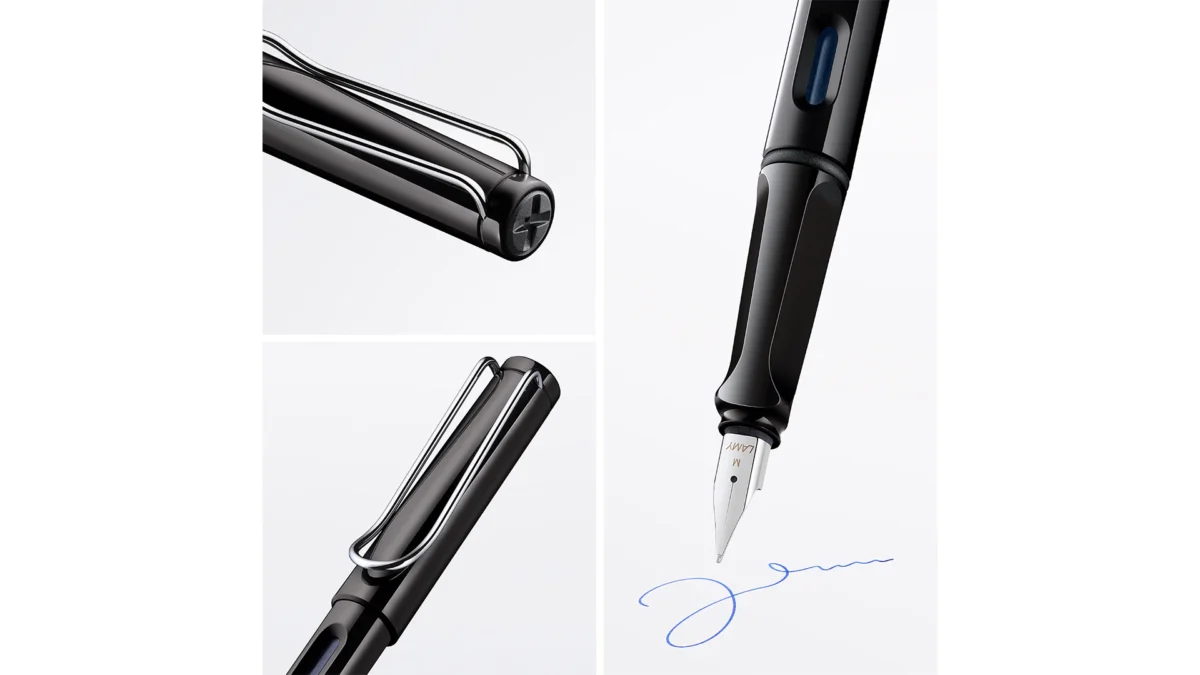
Beyond its durable chassis, the LAMY Safari introduced several engineering innovations that quickly established it as an industry benchmark. Most notable is its distinctive, molded triangular grip section. While traditional fountain pens feature a cylindrical barrel that requires users to maintain a precise grip to ensure proper nib alignment, the Safari’s ergonomic indents naturally guide the user’s fingers into a correct tripod writing position. This deliberate design choice reduces hand fatigue significantly during extended writing or drawing sessions, making it an ideal tool for students, authors, and artists who spend hours putting pen to paper.
Another hallmark of the LAMY Safari ecosystem is its versatile and easily swappable stainless-steel nib system. Users can transition between different line widths—ranging from extra-fine (EF) to broad (B), as well as specialized calligraphy and left-handed configurations—within a matter of seconds using a simple piece of tape or a rubber grip to slide the nib off. This modularity ensures that the pen can adapt to evolving writing styles and preferences over years of continuous use.
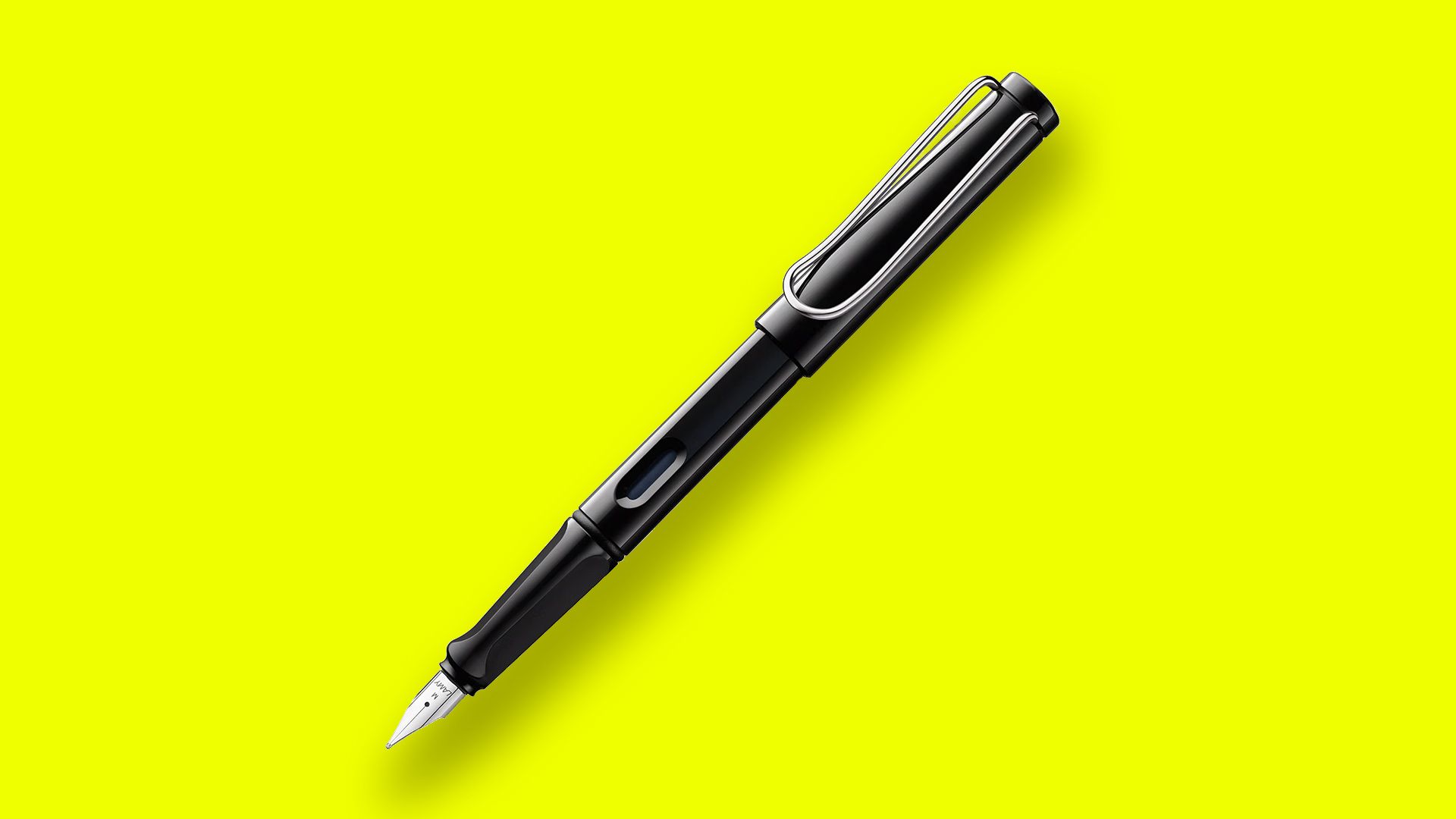
Furthermore, the Safari features a signature flexible wire clip made of spring brass, designed to withstand thousands of bending cycles without losing its tension. This allows the pen to be securely fastened to thick notebook covers, pockets, or lanyards with ease. A subtle, elongated ink-view window cut into the barrel provides a clear, real-time indication of remaining ink levels, preventing unexpected runouts during critical tasks.
The Broader Market Context: The Analog Renaissance in a Digital Age
The current price reduction on platforms like Amazon arrives at a fascinating cultural juncture. Market analysts tracking stationery and office supplies have observed a steady, upward trend in sales of traditional writing instruments, notebooks, and analog planning tools. This phenomenon, often termed the "analog renaissance," is driven largely by younger generations—particularly Millennials and Generation Z—who are seeking tangible hobbies to counteract digital fatigue and screen burnout.
Psychological studies and educational research consistently support the cognitive benefits of handwriting over typing. Writing by hand engages different neural pathways, enhancing memory retention, conceptual understanding, and creative problem-solving. Consequently, products that facilitate this practice without imposing a steep financial barrier have experienced a surge in demand.
Industry observers note that while luxury stationery brands target collectors and high-net-worth individuals, companies like LAMY occupy a vital middle ground. By maintaining rigorous German manufacturing standards while keeping price points within the reach of casual buyers, brands in this tier democratize good design. The LAMY Safari proves that acquiring an internationally recognized design icon—one that has earned numerous accolades, including the prestigious iF Design Award—does not require a luxury budget.
Consumer Implications and Industry Outlook
For prospective buyers, the temporary price drop on the LAMY Safari represents an opportune moment to invest in a sustainable, long-term writing tool. Unlike disposable ballpoint pens, which contribute millions of tons of plastic waste to landfills annually, fountain pens are designed for decades of use. By utilizing refillable ink cartridges or a bottled ink converter, owners can drastically reduce their single-use plastic consumption while enjoying a superior, smoother writing experience.
As retail platforms continue to adjust pricing strategies in competitive markets, deals on evergreen design classics like the LAMY Safari highlight the enduring value of utilitarian craftsmanship. Whether purchased as an entry point into the world of fountain pens, a reliable tool for journaling, or a thoughtful gift for a design enthusiast, the Safari remains a testament to the enduring power of thoughtful, functional engineering.