The intersection of traditional finance and the digital asset ecosystem continues to undergo a profound structural transformation, marked by shifting regulatory horizons, persistent altcoin market stagnation, and evolving institutional strategies. While retail investors frequently anticipate that major financial institutions like BlackRock will step in to rescue underperforming altcoin markets, industry analysts and market observers caution that such expectations stem from a fundamental misunderstanding of institutional priorities.
As regulatory bodies prepare to review an expanding array of exchange-traded fund (ETF) applications for alternative digital assets, the broader market is grappling with a prolonged bearish phase. Data from leading exchanges and analytics platforms reveals that a significant majority of altcoins are struggling to maintain critical technical thresholds. Concurrently, Wall Street’s engagement with blockchain technology is increasingly pivoting away from speculative token accumulation, focusing instead on tokenized real-world assets and high-performance Layer-1 infrastructure.
Institutional Strategy Versus Retail Expectations
Recent market discussions have frequently entertained the notion that institutional giants might initiate large-scale acquisitions of smaller-cap altcoins to stabilize or stimulate the broader cryptocurrency market. However, veteran market analysts have thoroughly dismissed these theories, characterizing them as misinterpretations of how traditional financial entities evaluate digital assets.
According to industry experts, legacy financial institutions view the vast majority of altcoins primarily as fundraising mechanisms rather than sustainable, productive assets. Traditional asset managers operate under strict fiduciary mandates that require clear connections between a project’s underlying utility, revenue generation, and the economic value of its native token. Because many altcoin projects fail to demonstrate a direct correlation between network utilization and token valuation, institutions remain hesitant to absorb retail-held inventory—colloquially referred to in trading communities as "bags."
Instead of accumulating speculative tokens, Wall Street’s engagement is shifting toward infrastructure integration and tokenization. Major financial institutions increasingly recognize the efficiency of high-performance Layer-1 networks, such as Solana and Ethereum, for issuing and settling tokenized securities, bonds, and other traditional financial instruments. This strategic divergence highlights a growing disconnect between retail speculators, who often prioritize short-term price appreciation, and institutional players, who focus on structural utility and risk management.
The Evolving Regulatory Landscape and ETF Filings
The debate surrounding institutional involvement coincides with a pivotal moment in regulatory oversight. Financial institutions and asset managers have steadily advanced applications for exchange-traded funds tied to various digital assets beyond Bitcoin and Ethereum. Following the historic approval and subsequent trading launch of spot Bitcoin ETFs in early 2024, and the subsequent approval of spot Ethereum products later that year, market participants have turned their attention toward altcoin-based investment vehicles.
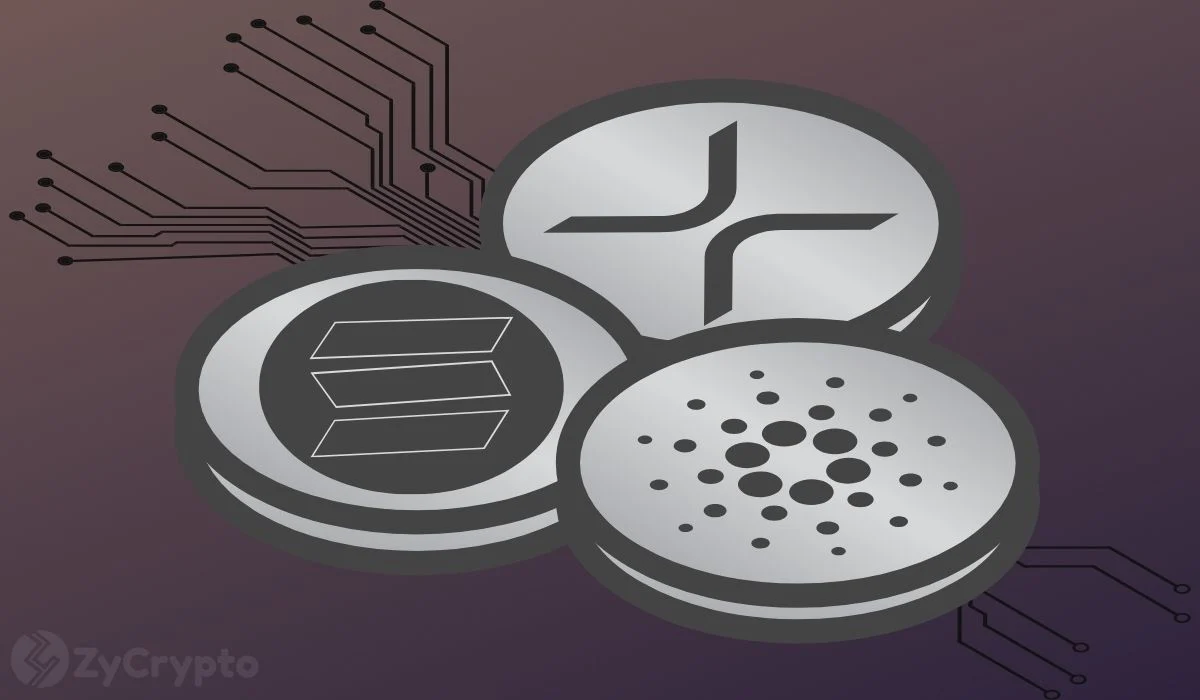
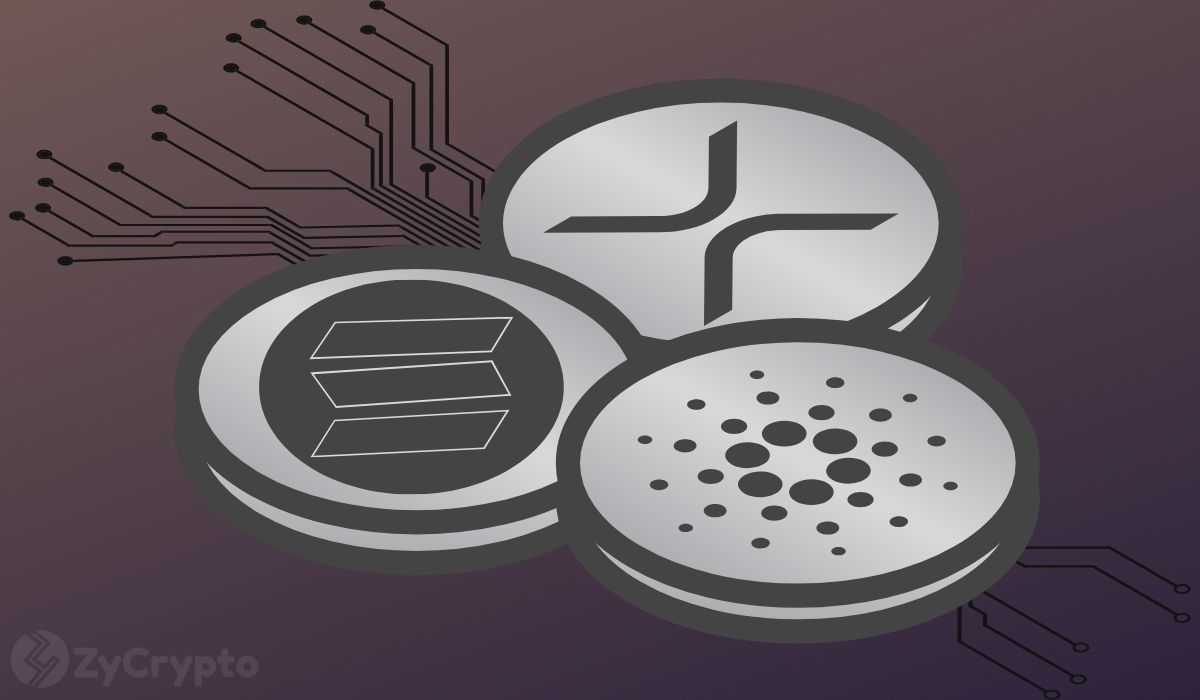
Industry filings indicate that proposals for investment products tracking assets such as Solana, XRP, Cardano, and even meme-adjacent tokens like Shiba Inu are anticipated to reach the desks of the United States Securities and Exchange Commission (SEC) for formal review. The inclusion of these assets in regulatory pipelines marks a crucial phase in the institutionalization of the digital asset class.
However, regulatory approval remains uncertain. The SEC has historically maintained a cautious stance, frequently classifying numerous prominent altcoins as unregistered securities. The outcome of upcoming regulatory reviews will likely depend on evolving legal precedents, the establishment of robust surveillance-sharing agreements, and the maturation of custodial solutions capable of meeting institutional compliance standards.
Market Performance and Technical Stagnation
While regulatory discussions progress, the underlying altcoin market faces severe technical headwinds. Historical data from major centralized exchanges, including Binance, reveals that approximately 84% of listed altcoins have been trading below their respective 200-day moving averages for an extended duration. This prolonged period of underperformance has persisted for nearly eight months, marking the second-longest sustained bearish streak for the altcoin sector since 2020. This downturn is surpassed in duration only by the severe ten-month contraction witnessed during the depths of the previous crypto winter.
Broader market sentiment indicators further corroborate this challenging environment. CoinMarketCap’s Altcoin Season Index currently hovers at 48 out of 100, firmly positioning the market within "Bitcoin Season" territory. Concurrently, the Total 3 index—which tracks the cumulative market capitalization of all cryptocurrencies excluding Bitcoin and Ethereum—has experienced a steady downward trajectory, reflecting a persistent outflow of capital from alternative digital assets.
Core large-cap assets have not been immune to these macroeconomic and technical pressures. Ethereum recently experienced downward price action, trading around the $1,579 level. This contraction has been exacerbated by hawkish monetary policy signals from global central banks and a pronounced negative correlation with traditional equity benchmarks, such as the S&P 500. Other major digital assets have similarly breached critical technical support levels. Binance Coin (BNB) registered notable declines following a breakdown beneath key structural supports, while XRP faced renewed selling pressure, testing crucial psychological levels near $1.00.
Traders and market participants are currently monitoring these key psychological and technical thresholds closely. For assets like XRP, defending the $1.00 mark remains a primary short-term objective to prevent deeper retracements. Without substantial macro or sector-specific catalysts, the ongoing market stagnation continues to test the conviction of even the most resilient market participants.
The Long-Term Vision: Tokenization and Infrastructure Shift
Looking beyond current cyclical downturns, analytical firms such as Weiss Crypto project a fundamental paradigm shift in how blockchain technology integrates with traditional finance. Rather than relying on traditional stock exchanges and centralized clearinghouses, future capital markets may increasingly leverage high-performance Layer-1 networks to issue, trade, and settle financial instruments.
In this envisioned financial architecture, institutional and retail investors would hold direct cryptographic ownership of tokenized real-world assets—such as equities, real estate, and fixed-income securities—rather than speculative utility tokens detached from underlying economic value. This structural evolution could streamline settlement times, reduce intermediary costs, and enhance market transparency.
As the digital asset ecosystem matures, the chasm between speculative altcoin trading and utility-driven institutional adoption is expected to widen. While the short-term outlook for many alternative tokens remains challenged by macroeconomic headwinds and a lack of liquidity catalysts, the ongoing institutional focus on infrastructure and tokenization underscores the enduring, long-term viability of underlying blockchain technologies.