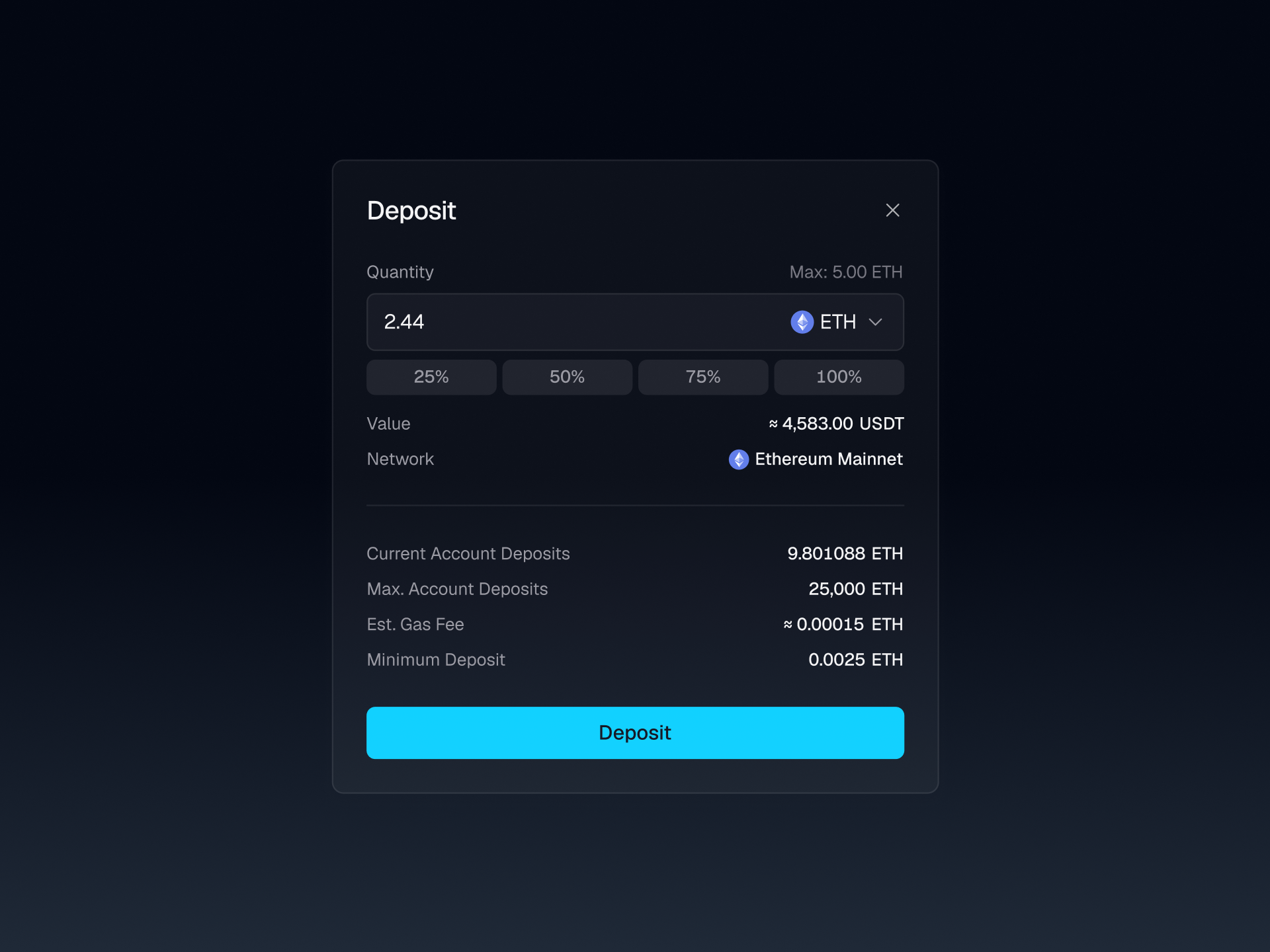
Synthetix, a leading decentralized synthetic asset protocol, has officially launched multicollateral margin capabilities, integrating native Ethereum (ETH) as the inaugural non-USDT asset permissible for collateralizing perpetual futures trades. This development signifies a pivotal moment for the Ethereum ecosystem, allowing users to leverage their ETH directly on the Mainnet for perp trading, an unprecedented feature in the network’s history. Traders can now deposit ETH, engage with any available market, and manage their positions from a unified multicollateral margin account, all without needing to divest or wrap their core ETH holdings. Given that every trade on Synthetix is executed and settled directly on the Ethereum Mainnet, the introduction of its native asset as collateral represents a logical and highly anticipated progression, enhancing capital efficiency and unlocking new strategic possibilities for market participants.
Unlocking Native ETH Margin: A Paradigm Shift for Traders
The integration of native ETH as collateral directly addresses a long-standing challenge for traders: maintaining exposure to a core asset while simultaneously utilizing its value for leveraged positions. Historically, users wishing to trade perpetual futures on decentralized exchanges often had to convert their ETH into stablecoins like USDT or DAI to serve as collateral, thereby relinquishing their direct ETH price exposure. Synthetix’s new feature eliminates this friction. By posting ETH directly as collateral, traders can maintain their underlying bullish conviction in Ethereum while actively managing their trading strategies. Their ETH stack now directly backs their account, with USDT-settled positions running concurrently. This innovative approach allows for a seamless merging of long-term asset conviction with short-term trading margin requirements, all within the robust security and decentralization of the Ethereum Layer 1.
The ability to use native ETH as collateral for perpetual futures on the Mainnet is not merely a technical upgrade; it represents a philosophical alignment with the ethos of decentralized finance. Ethereum’s native asset, its foundational currency, can now play a more integral role in its most sophisticated financial applications. This move could significantly reduce the "opportunity cost" associated with traditional collateral mechanisms, where traders would often miss out on potential ETH price appreciation while their capital was locked in stablecoins. Synthetix’s commitment to on-chain settlement ensures that this capital efficiency is delivered without compromising the decentralized integrity that defines the platform.
Enhanced Capital Efficiency and Strategic Trading Advantages
The unified multicollateral margin account is designed to be inherently smarter and more capital-efficient. With both ETH and USDT residing within a single account, the combined value of these assets collectively backs every open position. This synergistic approach means that collateral held in ETH can offset margin requirements for positions that might otherwise demand stablecoin collateral, creating a more flexible and robust risk management framework for traders. This unified pool of collateral provides a holistic view of a trader’s margin health, simplifying the management of diverse positions.
One of the most immediate and impactful applications of ETH multicollateral margin is the facilitation of more efficient basis trades. Basis trading, a cornerstone strategy in decentralized finance, involves simultaneously buying a spot asset (or holding it) and shorting its perpetual future in an equal notional size. The goal is to create a delta-neutral position, where the value of the collateral and the profit/loss (PnL) of the position largely offset each other, minimizing directional risk. Traders then aim to profit from collecting "funding rates" – periodic payments exchanged between long and short positions to keep the perpetual future’s price aligned with the underlying asset’s spot price.
With Synthetix’s new system, traders can deposit ETH as collateral and directly open a short ETH perpetual position of equivalent size. This streamlines the execution of basis trades, reducing the steps and potential slippage involved in converting ETH to stablecoins before initiating the short. By enabling more efficient basis trading, Synthetix contributes to the overall health of the perpetual futures market. Basis traders play a crucial role in maintaining tight funding rates and ensuring that perp prices remain closely anchored to their spot counterparts. When these sophisticated strategies can be executed with greater efficiency, the entire exchange benefits from increased liquidity, tighter spreads, and more competitive markets, ultimately serving all traders.
The Mechanics of ETH as Margin on Synthetix: Understanding the Details
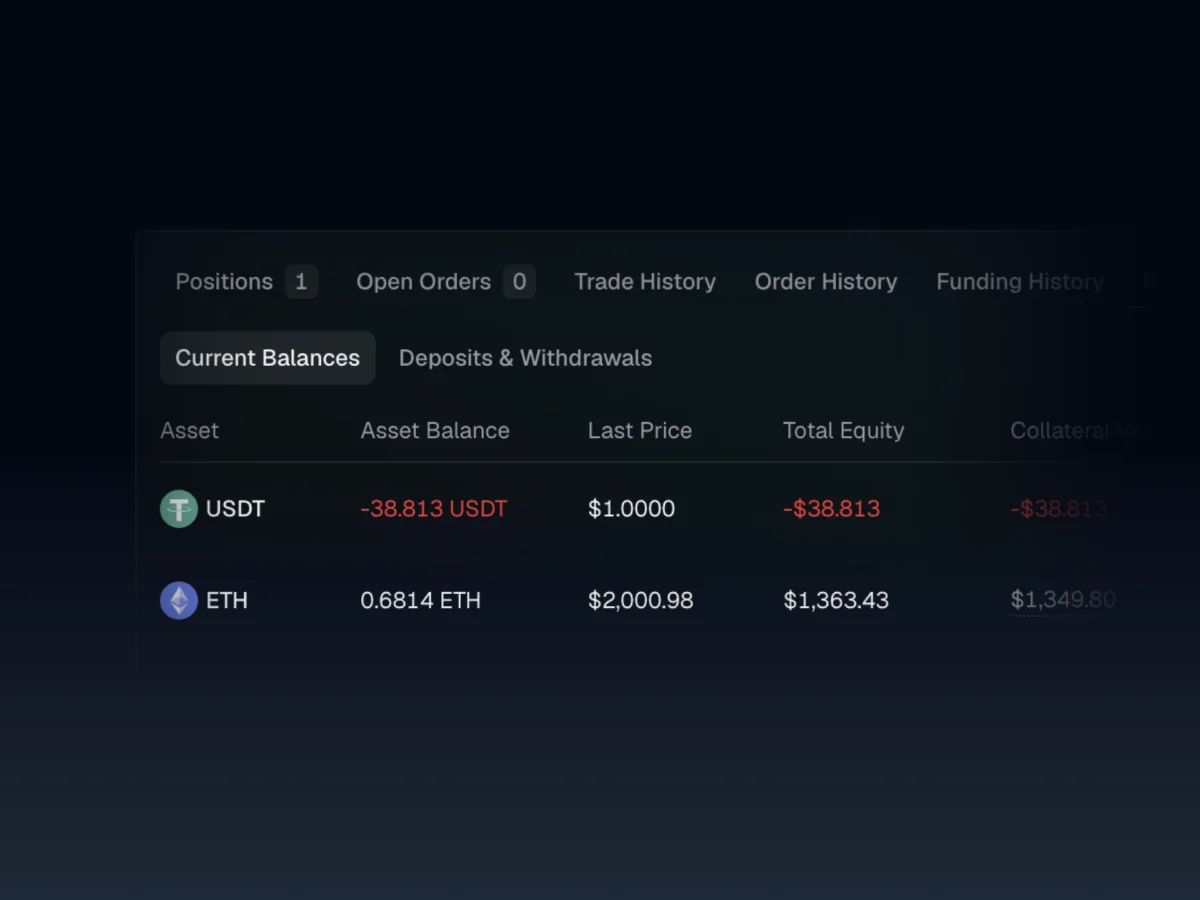
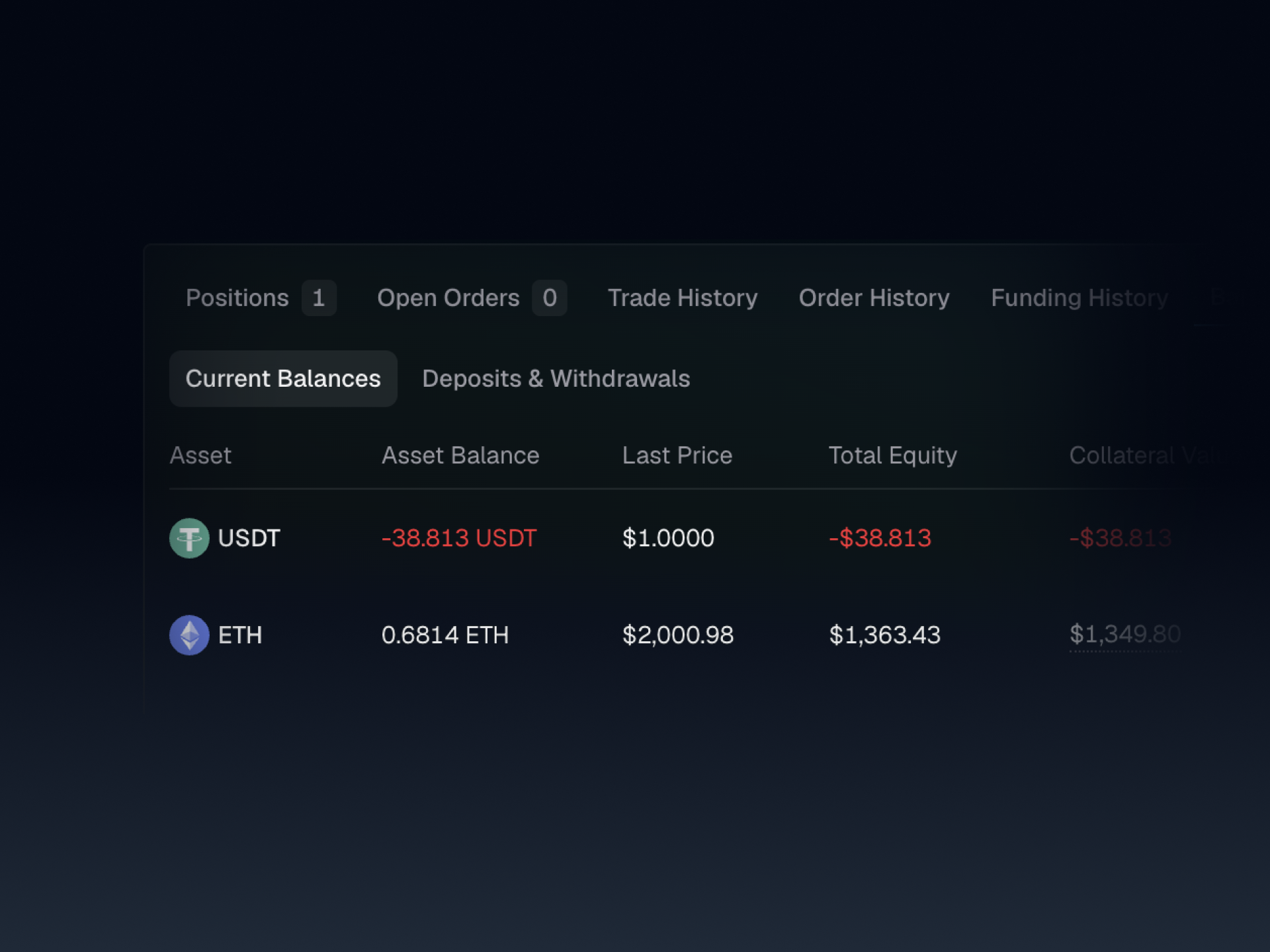
When a user deposits ETH as collateral on Synthetix, its value is determined using its live index price. However, a standard risk discount, known as a "haircut," is applied. This haircut is a common practice in financial markets, particularly for volatile assets or non-stablecoin collateral, to account for potential price fluctuations and mitigate liquidation risks for the protocol. The resulting figure, after the haircut, is the "Collateral Value" – the actual amount of ETH that contributes to the trader’s margin. This value is transparently displayed within the user’s balance table, allowing for real-time monitoring.
A crucial aspect of this system is that while ETH can be used as collateral, all positions, fees, and funding payments continue to be settled in USDT. This design choice simplifies the accounting and standardization of PnL across various markets. Consequently, if a trader is operating solely on ETH collateral without a supplementary USDT balance, their USDT balance within the account can temporarily go negative as fees and funding accumulate or as losses occur. This is an intentional design feature, as the negative USDT balance is directly backed by the underlying ETH collateral.
Traders have the flexibility to repay any negative USDT balance at any time. Synthetix offers an integrated "Swap" function, allowing users to convert a portion of their ETH into USDT directly within their multicollateral account. This provides a convenient mechanism for managing their account health without needing to leave the platform or incur external transaction costs.
Given that ETH collateral is marked to its live index price, traders must remain vigilant about price movements. A significant drop in the market price of ETH will directly reduce their Collateral Value, even if their open positions themselves have not experienced PnL changes. This necessitates a proactive approach to margin management; traders are advised to maintain a sufficient buffer to absorb potential price swings. If the USDT debt within an account escalates beyond the protocol’s predefined limits, an automated mechanism can trigger the conversion of a portion of the ETH collateral into USDT to restore solvency. While this acts as a safeguard, traders are encouraged to voluntarily repay any negative USDT balance before reaching such thresholds to maintain full control over their assets. Comprehensive details regarding haircuts, swap functionalities, withdrawal procedures, and overall account health parameters are available in the official Synthetix documentation, providing full transparency and guidance for users.
Synthetix’s Strategic Vision: More Collateral and Broader Impact
The introduction of ETH as the first non-USDT collateral is merely the initial step in Synthetix’s ambitious roadmap for a truly multicollateral trading environment. The underlying infrastructure has been engineered for scalability, designed to seamlessly integrate a wider array of assets in the future. Upcoming expansions are slated to include additional collateral types, with a particular emphasis on yield-bearing assets. This future development could unlock even greater capital efficiency, allowing traders to earn yield on their collateral while simultaneously using it for leveraged trading, a significant innovation in the DeFi landscape. This evolution promises to transform the trading experience on Ethereum Mainnet into a comprehensive and highly flexible ecosystem.
Tapping into Billions: A Virtuous Flywheel for Ethereum DeFi
The strategic importance of enabling ETH as collateral on a decentralized perpetual futures exchange built directly on Ethereum Mainnet cannot be overstated. Ethereum boasts a market capitalization often exceeding $100 billion, with a substantial portion of this value held in idle ETH. Synthetix’s new feature provides a mechanism to tap into this vast reservoir of capital, offering ETH holders a novel utility for their assets beyond simple holding or staking. By providing a broad surface area of utility for native ETH on the Layer 1, Synthetix aims to foster a "virtuous flywheel" effect for the entire Ethereum ecosystem.
Industry analysts suggest that if Synthetix can capture even a modest share, perhaps 10%, of the average monthly derivatives volume currently seen across the broader crypto market, the implications would be profound. Such an influx of trading activity would not only bolster Synthetix’s own liquidity and fee generation but also cascade positive effects throughout the Ethereum DeFi stack. Increased trading volume translates to higher demand for block space, potentially driving up transaction fees (which are partially burned, benefiting ETH holders). It also generates more activity for other DeFi primitives, such as lending protocols, oracles, and liquidity providers that underpin the Synthetix ecosystem.
This level of synergistic activity would contribute to making the entire Ethereum DeFi stack exponentially more valuable and robust. It reinforces Ethereum’s position as the premier venue for decentralized financial innovation, attracting more developers, users, and capital. Synthetix representatives, while not providing specific statements, have consistently highlighted the protocol’s commitment to enhancing the utility and composability of native assets on Ethereum, emphasizing that this development is a cornerstone of that vision. The long-term goal is to solidify Ethereum Mainnet as the undisputed global hub for perpetual futures trading, leveraging its security, decentralization, and robust developer community.
Broader Market Implications and Future Outlook
The introduction of native ETH collateral on Synthetix Perps is set to have broader implications for the decentralized finance market. By reducing barriers to entry and increasing capital efficiency for sophisticated trading strategies, Synthetix is likely to attract a new wave of institutional and professional traders to its platform. This influx of activity could lead to greater market depth, tighter spreads, and more robust price discovery for various synthetic assets offered on Synthetix. Furthermore, the ability to execute basis trades more efficiently could lead to a more balanced and stable funding rate environment across the crypto derivatives market, reducing arbitrage opportunities and fostering greater overall market stability.
This move also signals a maturing DeFi landscape where protocols are increasingly focused on leveraging native assets directly, rather than relying solely on wrapped versions or stablecoins. It underscores the ongoing innovation in collateral management and risk assessment within decentralized systems, pushing the boundaries of what is possible on a public blockchain. As Synthetix continues to expand its collateral offerings, including yield-bearing assets, it is poised to become an even more compelling platform for a diverse range of traders, from retail participants to large-scale institutional players.
Accessing ETH Margin on Synthetix Today
The native ETH margin functionality is now fully live and accessible on Synthetix Perps. Users can begin depositing ETH and exploring the enhanced trading capabilities immediately. For those seeking assistance or further information, comprehensive guides and support resources are available through the Synthetix documentation portal. Additionally, direct support from the Synthetix team can be accessed via the chat icon located on the documentation site. This launch marks a significant stride in Synthetix’s mission to establish Ethereum Mainnet as the definitive destination for decentralized perpetual futures trading, inviting the global trading community to engage with this transformative new capability.