Brazil’s emergence as a formidable player in the global Bitcoin mining sector has transitioned from a peripheral narrative to a central development in the digital asset infrastructure landscape. Once considered a footnote due to a labyrinthine tax code and a dauntingly complex electrical grid, the nation has witnessed a transformative shift in its operational capacity. Between the third quarter of 2025 and the third quarter of 2026, Brazil’s estimated hashrate contribution surged from approximately 2.5 exahashes per second (EH/s) to 3.5 EH/s, representing a 40% year-over-year growth. This expansion is part of a sustained upward trajectory from a baseline of just 1.5 EH/s in early 2025. While the explosive growth rates of 2024 have stabilized, Brazil’s resilience has become its most significant metric; during a period where the global network hashrate contracted by 6.4%—dropping from 1,004 EH/s to 940 EH/s as operators in the United States, China, and Russia idled machinery—Brazil held its ground at 3.5 EH/s. This steadfastness has elevated Brazil’s global hashrate share to approximately 0.37%, signaling a deep institutional conviction in the country’s energy-first mining model.
The Architecture of the Brazilian Grid
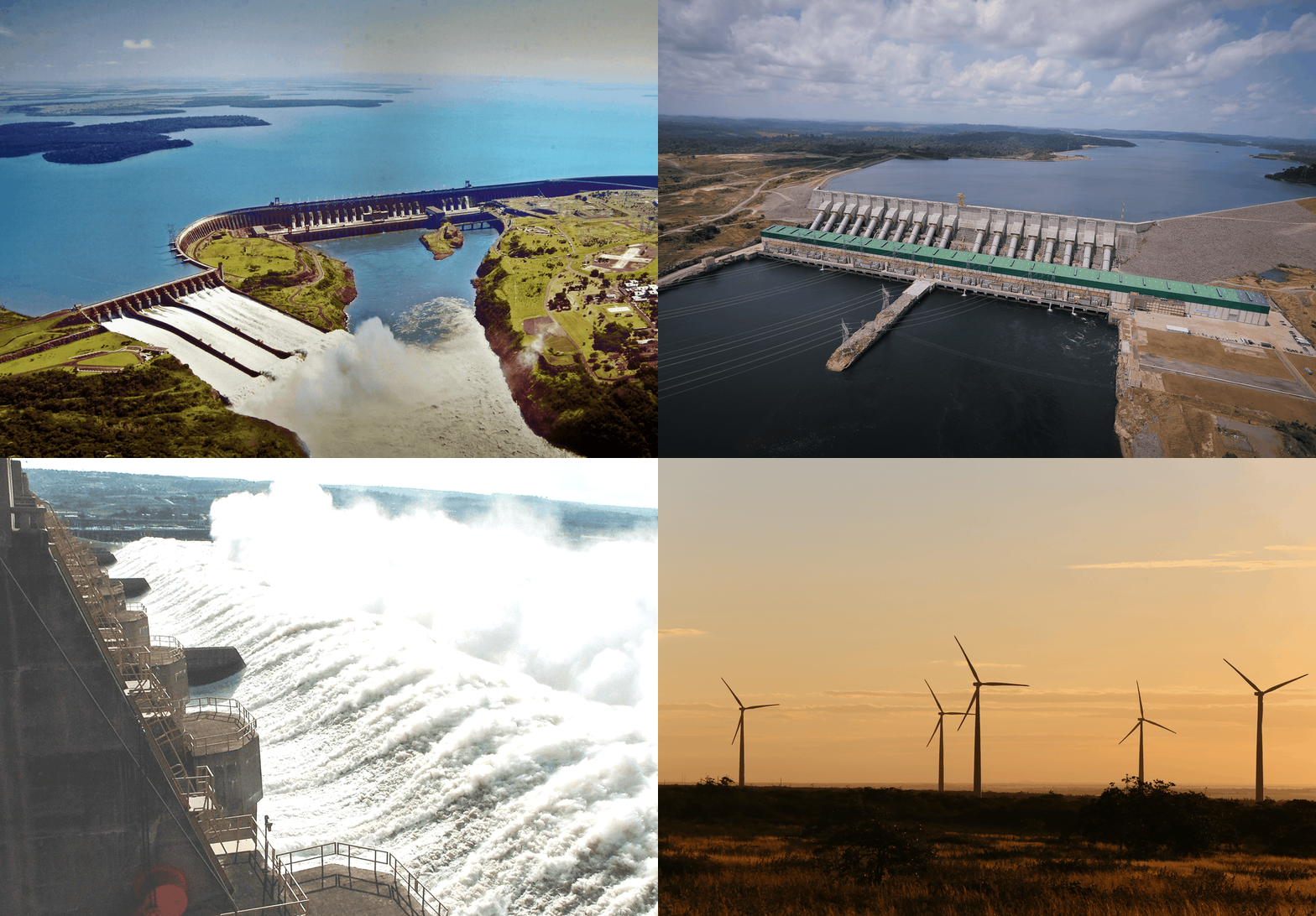
The primary catalyst for this industrial migration is the Sistema Interconectado Nacional (SIN), one of the most robust and renewable-heavy electrical grids in the world. In 2023, the SIN generated 708.1 TWh of electricity, with total installed capacity reaching 232 GW in 2024. Projections indicate this capacity will expand to 268 GW by 2029. The grid’s composition is a global anomaly, consistently operating at 88% to 90% renewable energy. This backbone is supported by massive hydroelectric projects, including the 14,000 MW Itaipu dam and the 11,233 MW Belo Monte facility. Furthermore, the Northeast region has become a renewable powerhouse, hosting 19.6 GW of wind capacity across nearly 700 plants.
For Bitcoin miners, this abundance of renewable energy presents a dual opportunity: access to clean power and a solution to the grid’s structural inefficiencies. In 2024 alone, the Brazilian energy sector faced approximately 400,000 hours of forced interruptions due to curtailment—energy that was generated but could not be transmitted to load centers. Bitcoin miners have stepped in as the "buyer of last resort," absorbing this stranded energy and providing a revenue floor for generators.
Regulatory Evolution: The Opening of the ACL
The most critical regulatory milestone for the industry was the full implementation of Portaria 50/2022 in 2024. This reform opened the Ambiente de Contratação Livre (ACL), or the free contracting market, to all high-tension consumers. Prior to this, only the largest industrial entities could negotiate directly with power generators. The opening of the ACL allowed Bitcoin mining operations to bypass the "captive" distribution network, where industrial tariffs can reach as high as $0.159/kWh due to distribution charges and sectoral costs.
Under the ACL, miners can enter bilateral contracts directly with wind or hydro producers, securing fixed-price agreements and shielding themselves from the "Bandeira Tarifária" system—Brazil’s mechanism for applying surcharges during periods of poor hydrology. By negotiating at the generation level, particularly in the Northeast where curtailed energy is often priced near zero to avoid total loss, miners can achieve energy costs that are globally competitive. However, the fiscal landscape remains challenging; total taxes and sectoral charges still account for roughly 44.8% of gross revenue, necessitating sophisticated tax planning and the utilization of state-level ICMS (consumption tax) exemptions where available.
Institutional Pioneers and Operational Models
The maturation of the Brazilian market is best evidenced by the diverse array of operators currently scaling infrastructure. These companies are moving beyond simple "plug-and-play" setups toward integrated energy-technology partnerships.
Minter Digital and the "Greenabler" Strategy
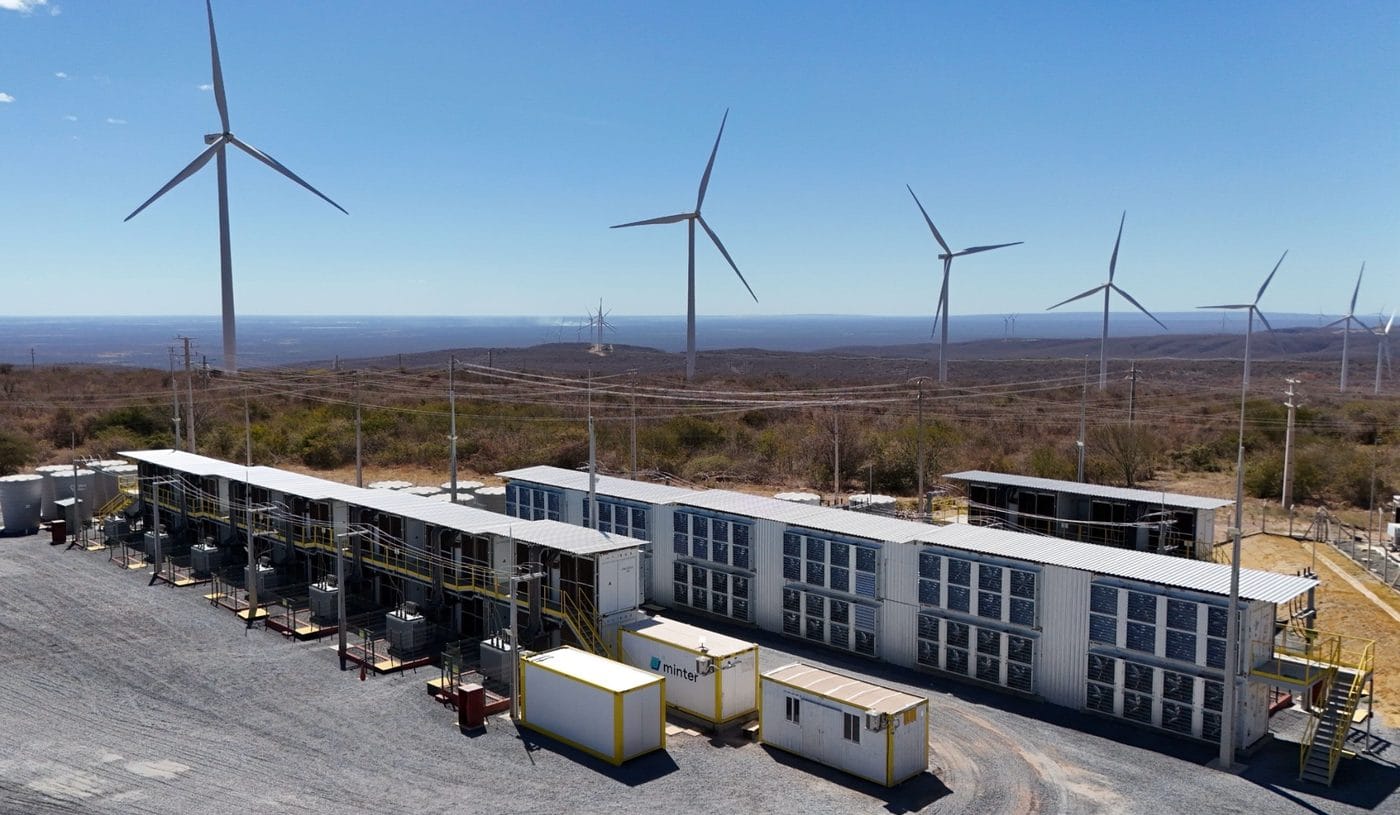
Minter Digital represents the institutional vanguard of the Brazilian market. With a founding team boasting experience from CleanSpark’s public debut and Hashdex’s crypto ETFs, the company treats mining as a financialized energy product. Minter’s "Greenabler" model involves co-locating mining containers directly at generation sites. Rather than paying a fixed fee, the company often utilizes profit-sharing agreements with generators to monetize intermittent energy that would otherwise be curtailed. This approach earned Minter a Series A investment from Itaú Ventures, the venture arm of Latin America’s largest private bank, marking a significant milestone in the institutionalization of the sector.
Radius Mining and the Eletrobras Connection
Radius Mining, led by former Credit Suisse banker Flávio Hernandez, focuses specifically on the "curtailment capture" niche. The company secured a landmark Operation and Maintenance (O&M) contract with Axia, the successor entity to the privatized state giant Eletrobras. Radius is deploying modular data centers at wind sites in the Northeast, converting revenue loss from transmission bottlenecks into operating profit. The company recently closed a R$28 million seed round, attracting capital from high-profile Brazilian financial figures who view Bitcoin mining as a legitimate energy infrastructure asset class.
Vextron Technologies: Localized Manufacturing
Vextron Technologies, based in the technological hub of Florianópolis, has addressed the supply chain challenge by developing proprietary mining modules built entirely from Brazilian-sourced components. By partnering with local industrial giants like WEG and Schneider, Vextron sidesteps the logistical and fiscal hurdles of importing containerized infrastructure. Their proprietary software, MINERA, allows power plant operators to manage the mining load as a dispatchable asset, integrating it directly into the plant’s supervisory systems.
Arthur Mining: The US-Brazil Bridge
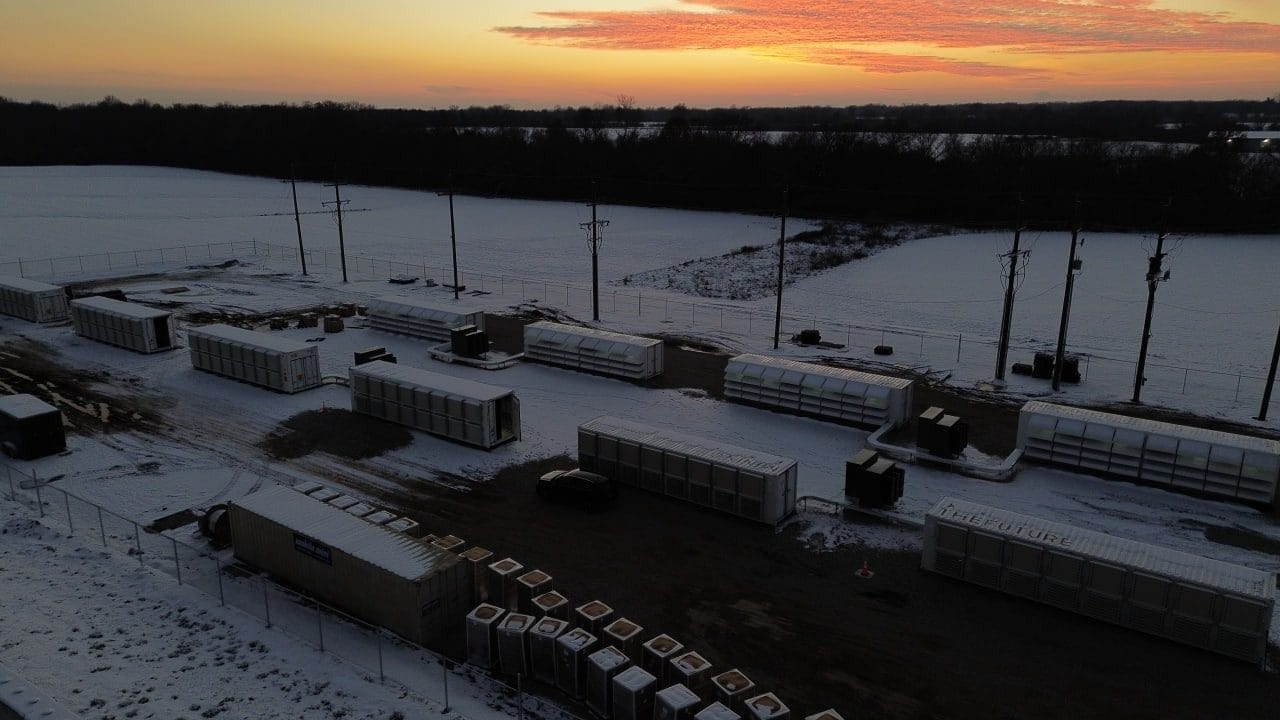
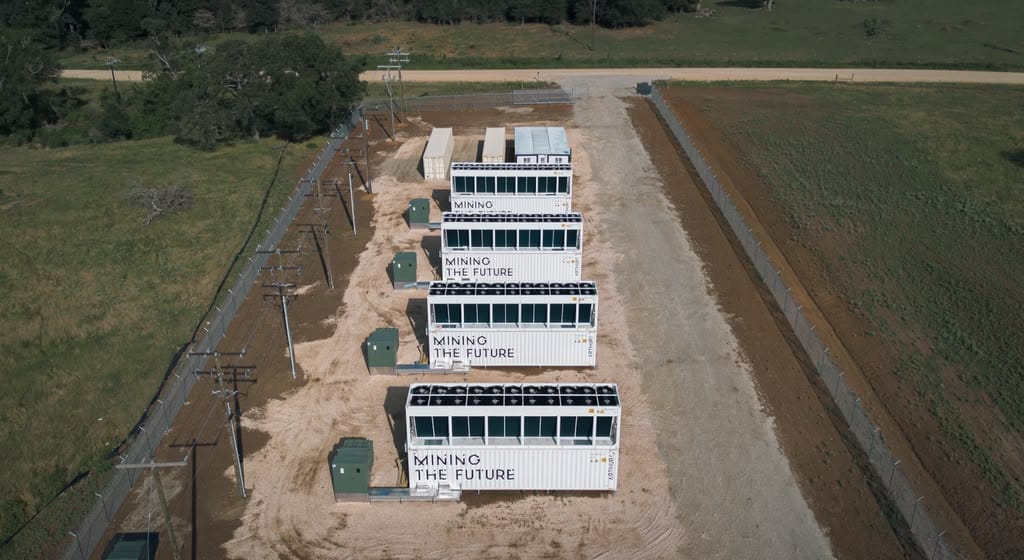
Arthur Mining, an early pioneer in the space, proved the viability of the mobile container model in the United States before expanding back into Brazil. While the company maintains a significant pipeline in the U.S. (approximately 117 MW), it serves as a critical bridge for the Brazilian market, acting as a distributor for infrastructure and providing the "Container-as-a-Service" (CaaS) model to help new entrants navigate the operational complexities of the Brazilian grid.
The Customs and Fiscal Gauntlet
While energy is abundant, the importation of hardware remains the most significant barrier to entry. Brazil’s customs environment is notoriously rigorous, and the lack of domestic ASIC manufacturing means all computing power must be imported. The process is governed by DECEX (the Foreign Trade Operations Department), which requires a non-automatic import license for used equipment. This "similar nacional" test ensures that the imported goods do not compete with a non-existent domestic equivalent, but the process can add 15 to 60 days to deployment timelines.
The tax implications of hardware importation are equally complex. Depending on the NCM (Mercosul Common Nomenclature) classification used, an importer might face a 0% import duty or a rate as high as 16%. When federal social contributions (PIS/COFINS) and state-level VAT (ICMS) are added, the total tax burden on a poorly classified shipment can exceed 55% of the hardware’s value. Successful operators have learned that establishing a robust legal entity and securing RADAR registration (the federal vetting system for foreign trade) are non-negotiable prerequisites that must be handled months before hardware arrives.
Financial Maturation and Future Implications
The arrival of sophisticated financial products is the final piece of the Brazilian mining puzzle. Operators are increasingly exploring "hashrate forward" financing, a mechanism where future production is monetized to fund immediate capital expenditures for hardware. This structure is particularly valuable in Brazil, where traditional bank lending for Bitcoin-related ventures remains limited despite the growing interest from venture arms like Itaú.
The broader implications of Brazil’s 3.5 EH/s hashrate are profound. By maintaining a steady load while the global network contracted, Brazilian miners demonstrated that their operations are not speculative "hashprice" plays but are instead deeply integrated into the national energy strategy. The market is transitioning from an era of experimental pilots to one of industrial-scale infrastructure.
Conclusion and Outlook
Brazil has successfully navigated the "inflection point" where the cost of wasted energy from renewable curtailment has become too high for generators to ignore. The combination of the ACL deregulation, a 90% renewable grid, and a new generation of institutional operators has created a "moat" that protects the Brazilian mining sector from global volatility.
While challenges remain—specifically regarding the high tax burden and the need for further transmission expansion in the Northeast—the trajectory is clear. Brazil is no longer an emerging market in the Bitcoin mining space; it is a maturing jurisdiction that offers a blueprint for how renewable-rich nations can integrate digital asset mining into their national grids. As the global network continues to seek out low-cost, sustainable energy, Brazil’s 3.5 EH/s represents not a peak, but a foundational base for the next phase of growth. The next 24 months will likely determine if Brazil can break into the top five global mining jurisdictions, a feat that seems increasingly plausible as institutional capital continues to flow into the "Greenabler" model.