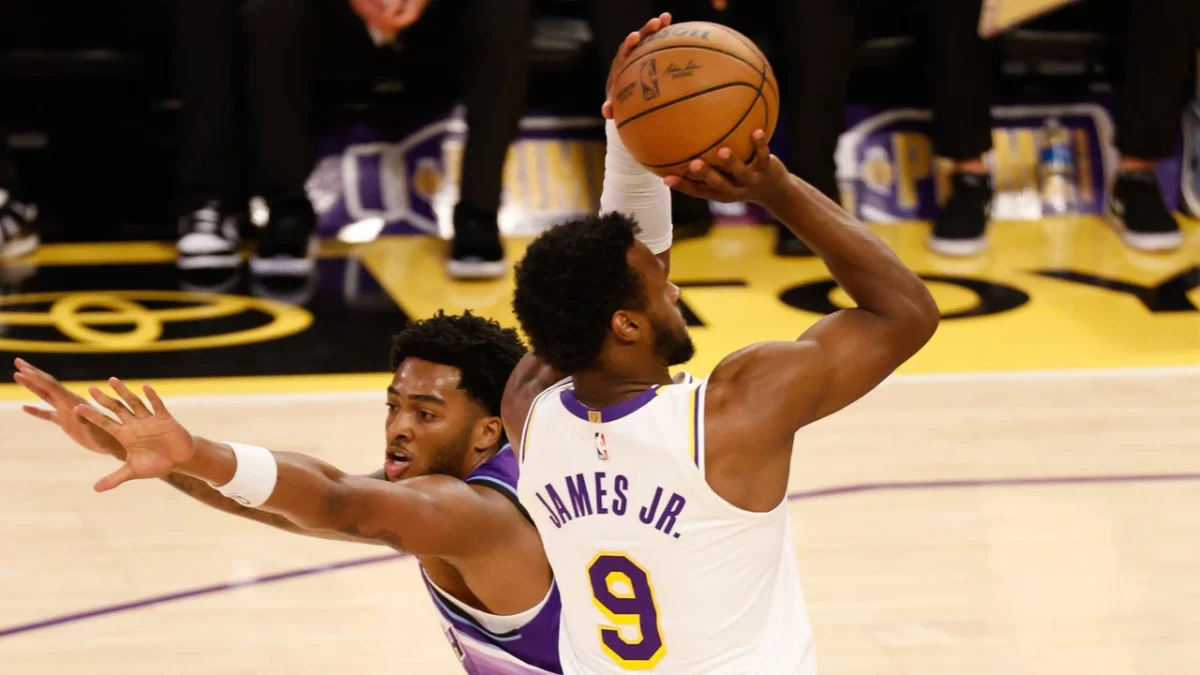
The burgeoning career of Bronny James, son of NBA icon LeBron James, has hit an unexpected snag as his newly unveiled Nike collaboration, featuring a custom logo, faces a trademark challenge. The sportswear giant’s attempt to secure federal trademark protection for James’ "B9" emblem has been met with a swift objection, citing alleged similarities to an existing logo belonging to Austin-based Back 9 Golf Apparel. This development has ignited a firestorm of discussion among fans and industry observers, highlighting the complex and often contentious landscape of brand identity and intellectual property in the modern marketplace.
The Genesis of the Logo and the Dispute
Bronny James, a highly touted basketball prospect himself, has been steadily carving out his own niche in the sports and fashion world. His recent collaboration with Nike, a brand synonymous with his legendary father, was a significant milestone. The centerpiece of this partnership is a distinctive logo, a stylized lowercase "b" with the number "9" artfully integrated within its design. This emblem was intended to adorn a range of Nike products, including footwear, apparel, and sports jerseys, marking James’s entry into the branded merchandise arena.
However, the routine trademark filing submitted by Nike encountered an immediate obstacle. The United States Patent and Trademark Office (USPTO) flagged the application due to a potential conflict with a pre-existing trademark. The opposing mark belongs to Back 9 Golf Apparel, a company that also utilizes a "B9" logo. This discovery has thrust both brands and their respective logos into the spotlight, raising questions about visual distinctiveness and consumer confusion.
Examining the Logos: A Visual Comparison
At the heart of the dispute lies the visual presentation of the two "B9" logos. Nike’s filing for Bronny James’ emblem showcases a modern, fluid design where the curved form of a lowercase "b" seamlessly cradles the numeral "9." This aesthetic is sleek and contemporary, aiming to capture the youthful energy and athletic prowess associated with James.
In contrast, Back 9 Golf Apparel’s existing logo, as depicted in available imagery, features cleaner, bolder letterforms. While also incorporating the "B" and "9," the execution is markedly different, often presented with a more traditional or classic typeface. The golf brand’s logo typically emphasizes straightforward typography, aiming for clarity and immediate recognition within its market.
Despite these apparent visual differences, the USPTO’s preliminary decision suggests that the logos are considered "identical in appearance, sound, connotation, and commercial impression." This assessment is rooted in several factors, including the shared alphanumeric designation ("B9") and, crucially, the fact that both entities operate within the sports apparel sector. The argument posits that consumers, upon encountering these logos on sports-related merchandise, could be led to believe that the products originate from or are endorsed by the same source.
Fan Reactions and Public Perception
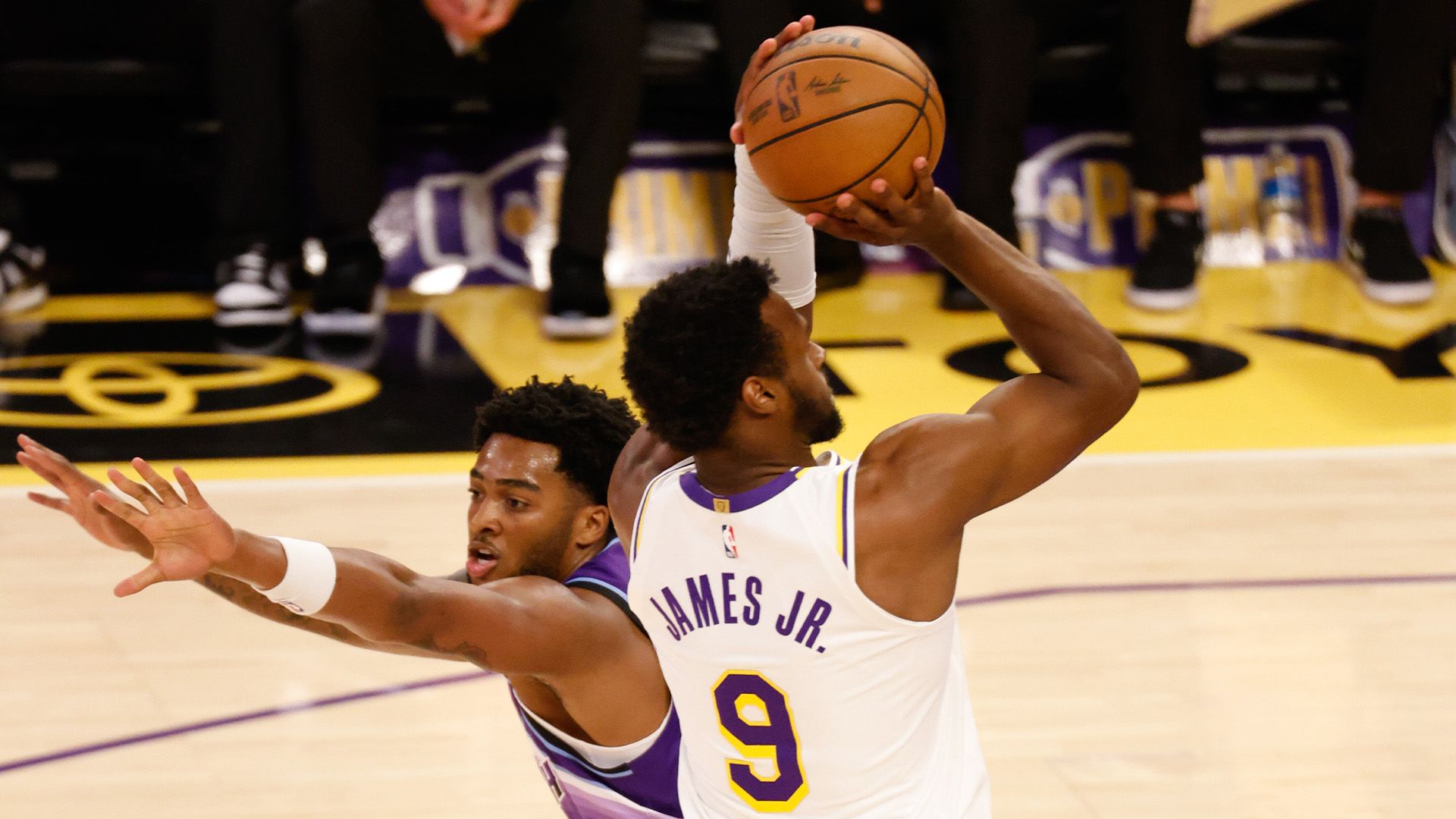
The news of the trademark dispute has been met with a significant outpouring of sentiment from fans, primarily expressed across social media platforms like X (formerly Twitter) and Reddit. A prevailing sentiment among these reactions is one of confusion and disbelief. Many supporters of Bronny James and Nike find it difficult to reconcile the USPTO’s ruling with their own visual interpretations of the logos.
Comments such as "Hard to believe this isn’t the Onion or some parody. Never in a million years would I ever confuse one of those logos for the other if I was shopping in a sports gear store," and "Nahh that’s not similar at all. Are they trademarking putting a number inside of a letter??" reflect a widespread sentiment that the visual distinctions are clear and that the potential for consumer confusion is minimal. This disconnect between official legal interpretation and public perception underscores the subjective nature of brand recognition and the emotional investment fans often have in their favorite athletes and brands.
The Legal Framework of Trademark Law
Trademark law is designed to protect brands from infringement and to prevent consumers from being misled about the origin or affiliation of goods and services. When a company seeks to trademark a logo or name, it undergoes a review process by a trademark office, such as the USPTO. This process involves searching existing databases for similar marks that are already in use or have been registered.
A key consideration in trademark disputes is the "likelihood of confusion" standard. This legal test examines whether a reasonably prudent consumer would be likely to believe that the goods or services offered under the disputed mark originate from, are sponsored by, or are affiliated with the owner of the prior mark. Factors considered include the similarity of the marks themselves (in appearance, sound, and meaning), the similarity of the goods or services, the marketing channels used, and the degree of care likely to be exercised by consumers.
In this case, while the visual designs of the "B9" logos may differ, the USPTO’s objection likely hinges on the shared alphanumeric designation and the overlapping commercial sectors. The sale of sports apparel by both Nike (for Bronny James) and Back 9 Golf Apparel creates a fertile ground for potential confusion, especially if marketing efforts or product placements place them in similar retail environments.
Historical Precedents and Broader Implications
The Bronny James logo dispute is by no means an isolated incident in the world of branding and intellectual property. The history of trademark law is replete with high-profile cases where prominent brands have clashed over similar logos, names, or slogans. These disputes can arise across diverse industries, from fashion and food to technology and entertainment.
For instance, the fashion industry frequently sees legal battles over design similarities. In a separate case, pop superstar Taylor Swift recently engaged in a legal dispute with Swift Homes over the use of a cursive font. Similarly, even automotive giants like Ferrari have found themselves in unexpected legal confrontations, including a notable instance where they lost a logo battle against a lesser-known entity. These examples illustrate that no brand, regardless of its size or prominence, is immune to the complexities of trademark law.
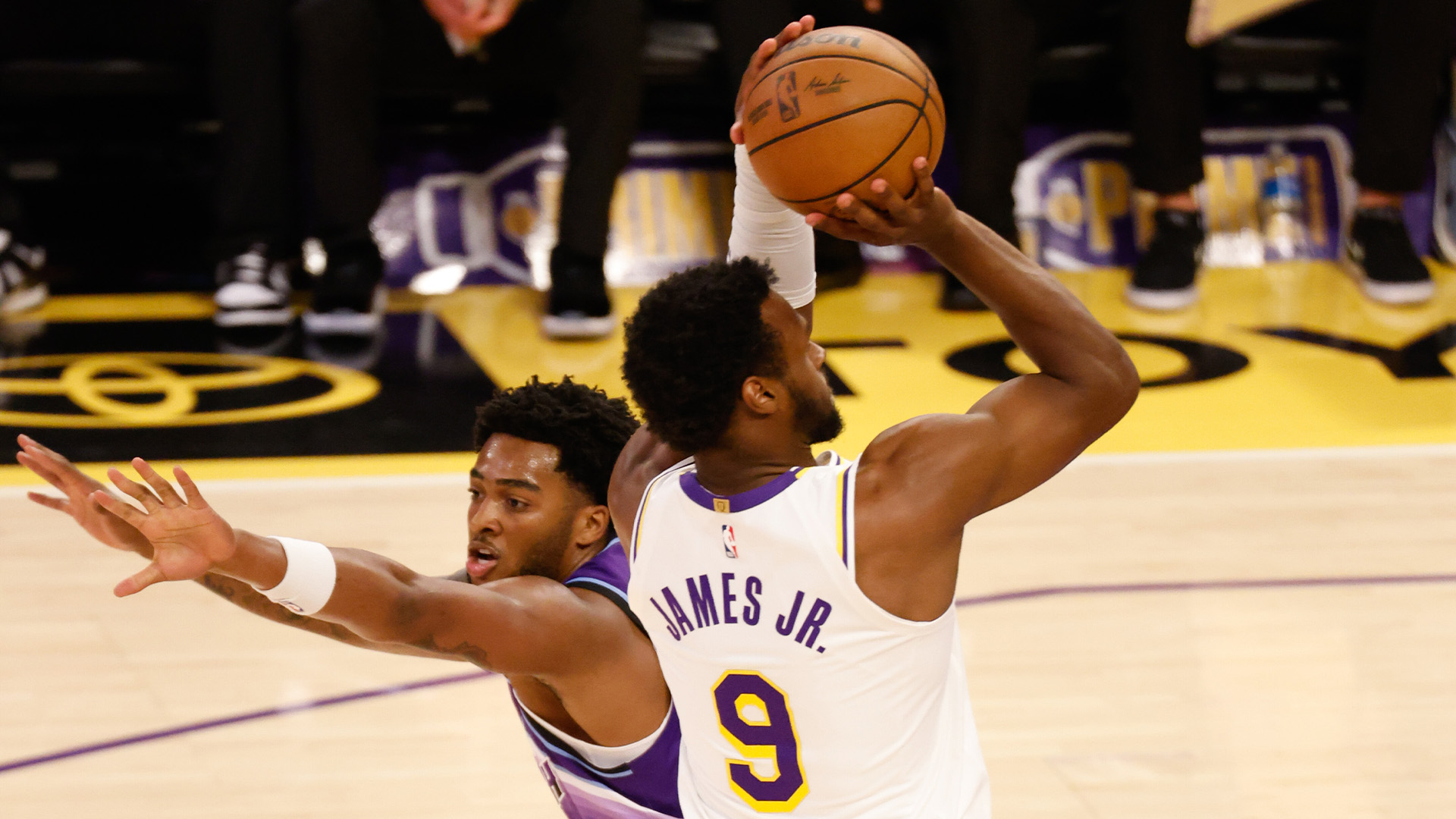
The implications of this trademark challenge for Bronny James and Nike are multifaceted. If Nike is unable to secure the trademark for the "B9" logo, it may be forced to rebrand the collection, develop an entirely new logo, or pursue a settlement with Back 9 Golf Apparel. Such a scenario could lead to delays in product launches, additional design and marketing costs, and potentially a diminished impact on the initial rollout of James’s branded merchandise.
For Bronny James, this situation adds another layer of scrutiny to his burgeoning career. While it presents a challenge, it also offers an opportunity for him and his team to navigate the complexities of intellectual property, a crucial aspect of building a lasting brand.
The Path Forward: Potential Resolutions
Several avenues exist for resolving this trademark dispute. Nike and Back 9 Golf Apparel could engage in negotiations to reach a mutually agreeable settlement. This might involve licensing agreements, where one party pays the other for the right to use the mark, or an outright purchase of the trademark.
Alternatively, the case could proceed through formal legal channels, potentially leading to a ruling from the USPTO or, if appealed, from the courts. Given the subjective nature of trademark law and the potential for lengthy legal battles, parties often seek to resolve such issues outside of protracted litigation.
The outcome of this dispute will not only impact Bronny James’s product line but could also set a precedent for how similar cases involving athletes’ personal brands and major corporations are handled in the future. It serves as a stark reminder of the importance of thorough due diligence in the branding process and the intricate legal framework that governs the creation and protection of intellectual property in today’s competitive global market.
As the situation unfolds, the sports and business worlds will be watching closely, keen to see how this high-profile trademark challenge is resolved and what lessons can be drawn from this legal entanglement. The case underscores that even with a powerful brand like Nike backing a rising star, the journey of establishing a unique and legally protected identity is fraught with potential pitfalls.