
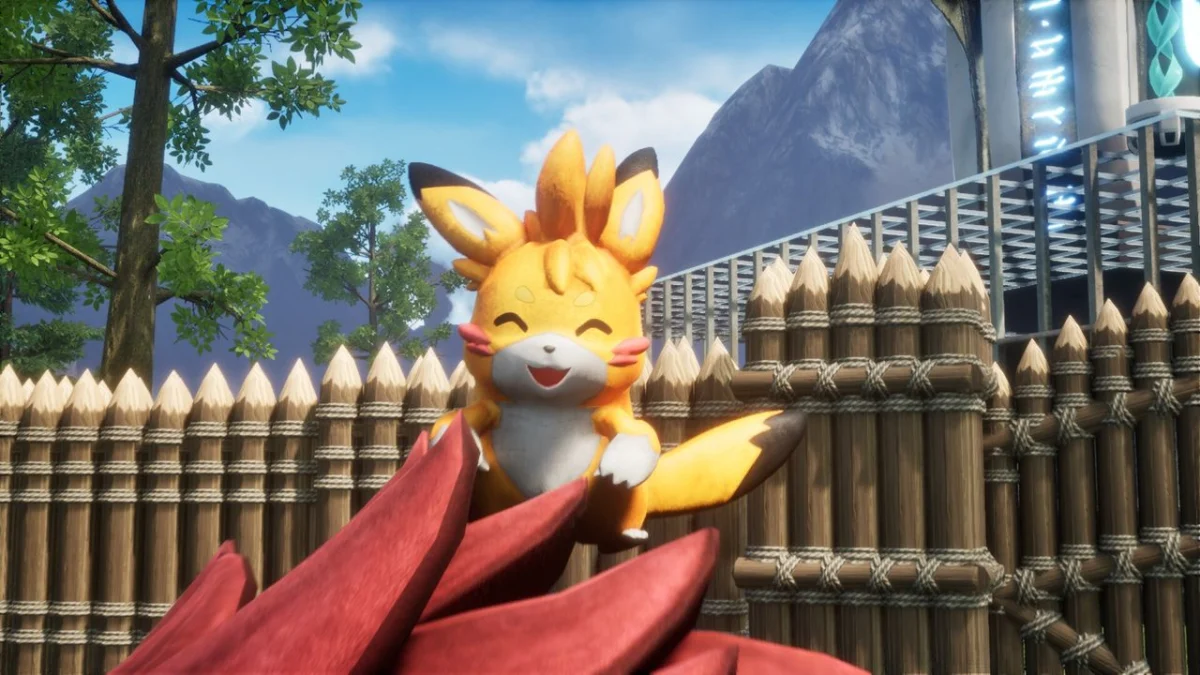
The upcoming 2026 multiplayer open-world survival game, initially known as Pickmon, has ignited a firestorm of controversy, with accusations of blatant plagiarism and art theft dogging its development. The game, slated for PC release, has drawn immediate and widespread criticism for its striking resemblances to Nintendo’s iconic Pokémon franchise, not only in its title but also in the character designs of its creatures. Further scrutiny has revealed allegations of drawing heavily from other beloved Nintendo intellectual properties, most notably The Legend of Zelda, and most damningly, the purported use of Pokémon fan art within the game’s assets. In a recent development, the game’s publisher, PocketGame, has announced a name change to "Pickmos," a move that has done little to quell the growing outcry from the gaming community and intellectual property rights holders.
Genesis of the Controversy: A Familiar Aesthetic
From its initial unveiling, Pickmon’s aesthetic immediately conjured comparisons to the massively successful Pokémon series. Developers presented a world populated by collectible creatures, hinting at gameplay mechanics that seemed to echo the core loop of capturing, training, and battling. However, the visual designs of these creatures, often referred to as "pickmons," bore an uncanny resemblance to established Pokémon characters, leading to accusations that the developers had merely re-skinned existing designs rather than creating original content. This visual déjà vu was compounded by alleged inspirations drawn from other Nintendo properties, including the distinctive art style and environmental design reminiscent of The Legend of Zelda.
The most explosive of these allegations emerged with the claim that Pickmon had incorporated Pokémon fan art directly into its game assets. A report from Creative Bloq detailed how evidence suggested that original artwork created by passionate fans, who often share their creations online, had been lifted and seemingly integrated into the game’s development pipeline without permission or attribution. This specific accusation struck a nerve within the gaming community, as it not only highlighted potential copyright infringement but also a perceived disrespect for the creative contributions of fans who are often the lifeblood of many game communities.
Escalating Backlash and the "Rage Bait" Hypothesis
The mounting accusations quickly translated into a significant backlash on social media platforms, particularly X (formerly Twitter). Gaming enthusiasts, Pokémon fans, and critics alike voiced their displeasure, often using strong language to condemn the perceived lack of originality and ethical breaches. One widely circulated post on X articulated this sentiment forcefully: "You think we’re stupid? Everyone knows that you’re making nothing more than blatant plagiarized slop with no creativity or identity to stand out. I thought Palworld was bad, you made me change my mind after not only plagiarizing Pokémon, but also fakemon, Zelda, Overwatch, etc." This sentiment, shared alongside visual comparisons, encapsulates the broad spectrum of criticism directed at the game.
The developer’s or publisher’s responses to this intense criticism have, in some instances, fueled further speculation. The author of the original article noted a potential undercurrent of sarcasm in certain replies from the game’s official X account. Comments like "I will discuss this with our Art Director immediately" in response to irate fans’ complaints have led to questions about whether the developers are intentionally engaging in "rage bait"—a marketing strategy designed to generate attention and engagement through provocative or controversial content, even if it is negative. This hypothesis suggests that the controversy itself might be a calculated part of the marketing campaign, aiming to generate buzz in the lead-up to the 2026 release.
The Name Change: A Superficial Solution?
In an attempt to address the growing controversy and perhaps rebrand the game’s image, publisher PocketGame announced a name change from "Pickmon" to "Pickmos." In their official statement, the company asserted that the new moniker would "better align with our brand identity and lore." They elaborated that the "-mos" suffix was inspired by the word "cosmos," intending to evoke a "more powerful presence, acting as a better vessel for the fantasy adventure we are building for you."
However, this rebranding appears to be largely cosmetic. The statement provided no indication that the core issues—the alleged plagiarism of character designs and the use of stolen fan art—would be addressed. The creatures within the game are still referred to as ‘pickmons,’ and there has been no announcement of efforts to differentiate the designs or remove any allegedly infringing assets. This selective rebranding has led many to question the sincerity of the publisher’s intentions, viewing the name change as a superficial attempt to distance the game from its controversial origins without making substantive changes to the product itself.
Broader Implications for the Gaming Industry
The Pickmon/Pickmos situation is not an isolated incident in the gaming world, where inspiration can easily cross the line into imitation. However, the scale and nature of the accusations in this case raise significant questions about intellectual property rights, the ethics of game development, and the evolving landscape of online communities and fan contributions.
Intellectual Property and Copyright Law: The core of the controversy lies in potential copyright infringement. Nintendo, a company known for vigorously protecting its intellectual property, could potentially take legal action if the allegations of direct copying are substantiated. The use of fan art, in particular, presents a complex legal and ethical challenge, as it involves the unauthorized use of creative works that may themselves be protected by copyright, even if they were created by fans. The outcome of such a situation could set precedents for how derivative works and fan creations are handled within the industry.
The Role of Fan Art: Fan art is a vital component of many popular franchises, fostering engagement and creativity within communities. However, the alleged use of fan art by developers blurs the lines between community contribution and commercial exploitation. Developers often benefit from the passion and creativity of fans, but this relationship requires clear ethical boundaries and respect for creators’ rights. The Pickmon case highlights the potential for this dynamic to be misused, leading to distrust and resentment.
Marketing and "Rage Bait": The possibility that the controversy is a deliberate marketing tactic is a concerning development. In an era where attention spans are short and competition for visibility is fierce, some developers may be tempted to leverage controversy to generate buzz. While this can be effective in the short term, it risks alienating a significant portion of the potential player base and damaging the long-term reputation of the game and its developers. The gaming community is increasingly sophisticated and often calls out such tactics, potentially leading to a backlash that outweighs any initial benefits.
Impact on Player Trust: Ultimately, the success of any game hinges on player trust. When a game is perceived as being built on a foundation of plagiarism and disrespect for intellectual property, it erodes that trust. Players are more likely to support games that demonstrate originality, creativity, and ethical development practices. The ongoing controversy surrounding Pickmon/Pickmos suggests that this game may face an uphill battle in gaining widespread acceptance and commercial success, regardless of its gameplay mechanics.
Looking Ahead: A Contentious Launch
As Pickmon, now Pickmos, hurtles towards its 2026 release, the controversies surrounding it are likely to persist. The name change, while a procedural step, has done little to address the fundamental accusations of plagiarism and art theft. The gaming community will be watching closely to see if any substantive changes are made to the game’s designs and assets. Furthermore, the legal ramifications, if any, from Nintendo or other rights holders remain to be seen.
The situation serves as a stark reminder of the importance of originality, ethical development, and respect for intellectual property in the competitive landscape of the video game industry. The decision to adopt a name that bears such a striking resemblance to an established franchise, coupled with allegations of art theft, has painted the game in a controversial light from its inception. Whether this controversy will ultimately be a calculated marketing success or a self-inflicted wound remains to be seen, but it has undoubtedly positioned Pickmos as one of the most talked-about, and perhaps most polarizing, games slated for release in the coming years. The industry will undoubtedly observe the fallout of this situation, as it may influence how future games are developed and marketed, and how intellectual property disputes are handled in the digital age. The line between inspiration and imitation has always been a fine one, and the Pickmon/Pickmos saga has amplified the debate around where that line should be drawn.
