
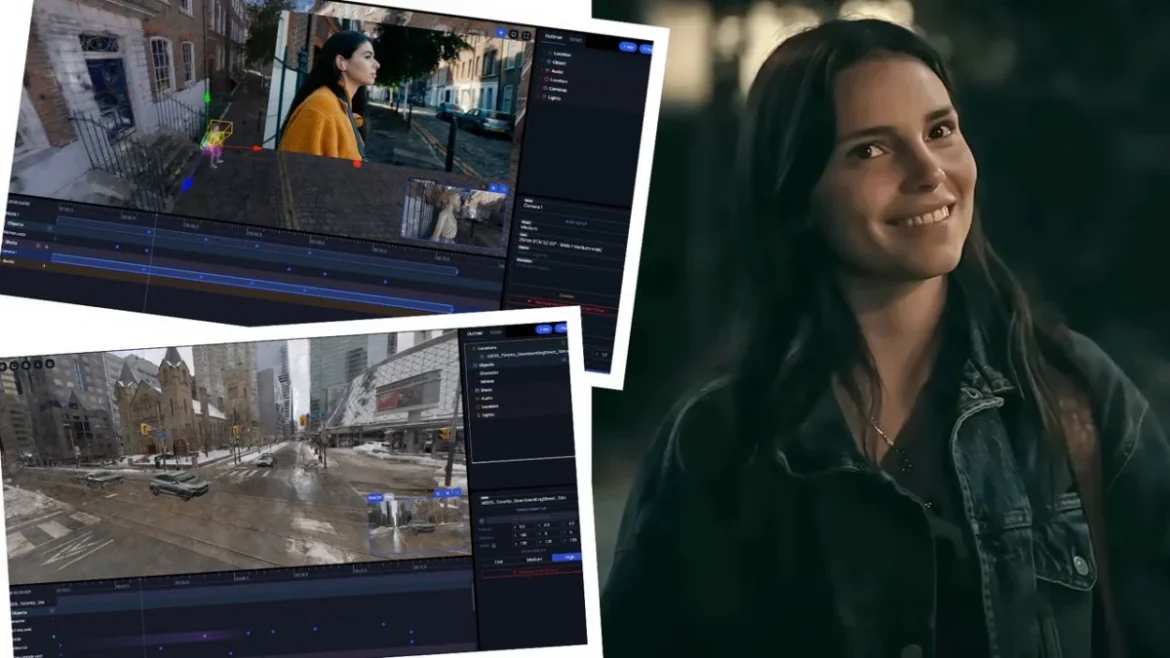
Hollywood has long been a crucible for groundbreaking cinematic experiences, yet the most innovative sparks are increasingly igniting outside the traditional studio system. Films like "Backrooms," born from online lore and meticulously crafted using accessible tools, and the ambitious independent production "Obsession," have captured significant audiences by offering a distinct departure from the conventional Hollywood formula. These projects resonate with a growing segment of viewers hungry for original, visionary storytelling that feels unburdened by committee-driven decision-making. This evolving landscape, where unique voices and bold ideas find fertile ground, is precisely what Lightcraft, a company at the forefront of filmmaking technology, is aiming to amplify with its new Spark Story platform.
Elijah Welch, co-founder and president of Lightcraft, observes this paradigm shift with keen insight. "People are looking online and asking, ‘Where’s an original story? Where’s something I haven’t seen? Where’s something that feels fresh?’" he states, underscoring a palpable demand for novelty in the entertainment sphere. However, translating a compelling creative vision from imagination to tangible reality presents a significant hurdle. A filmmaker might conceive of a breathtaking shot, articulate it in a script, and convey it to their team, but without a universal visual reference, the concept remains susceptible to misinterpretation. As production costs escalate, the space for creative experimentation shrinks, making risk-taking increasingly challenging. This is the critical gap that Lightcraft’s Spark Story platform seeks to bridge.
The Genesis and Evolution of Pre-visualization
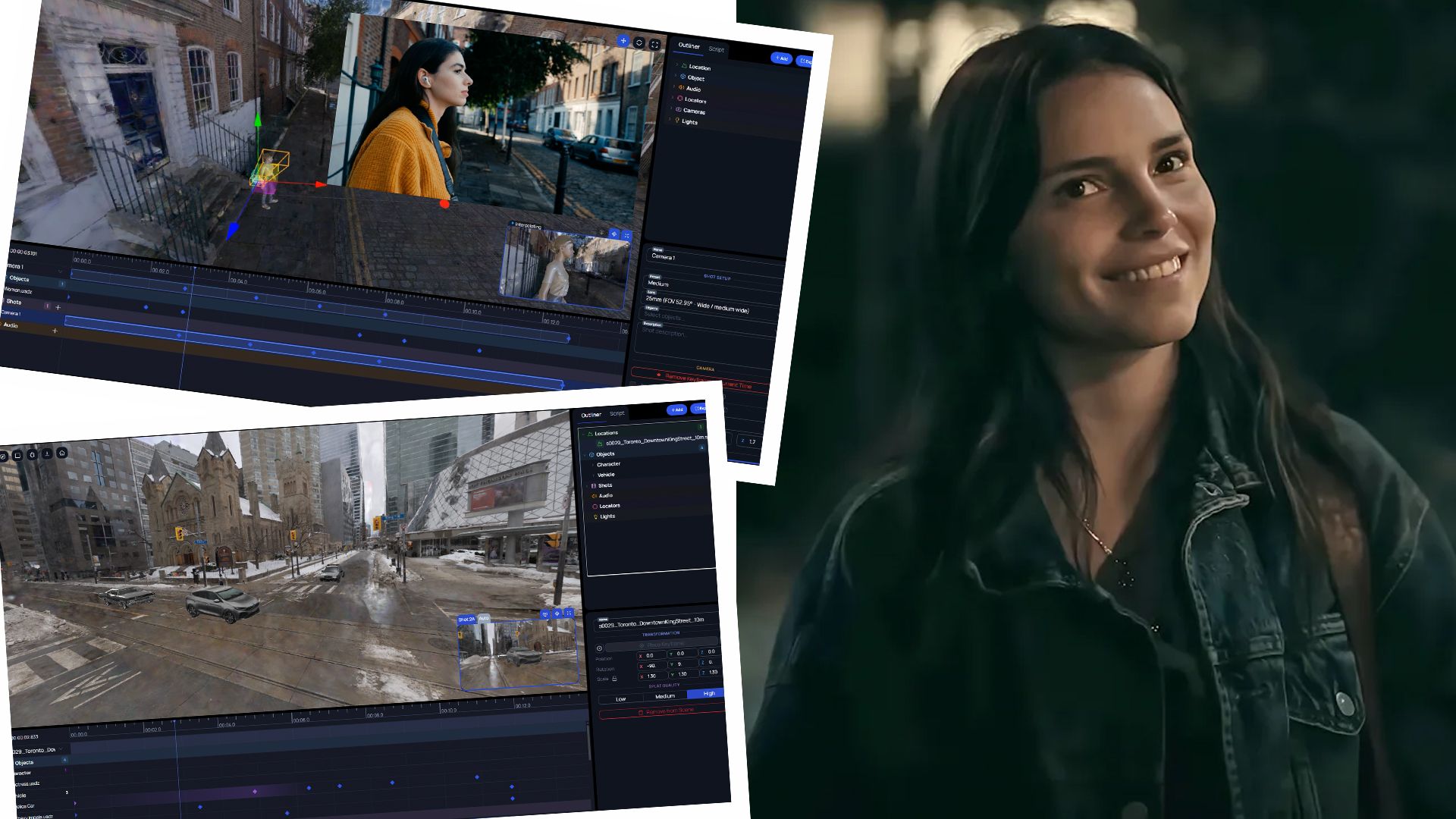
Pre-visualization, or previs, has long been an indispensable, albeit often behind-the-scenes, tool in the Hollywood arsenal. Before multi-million dollar blockbusters commit to complex sequences, production teams meticulously craft digital simulations. These previs sequences allow for the exhaustive testing of camera angles, environmental layouts, and action choreography, ensuring that every element is refined before significant financial investment is made in physical production. This iterative process, historically a privilege of large-scale productions, has been instrumental in streamlining complex shoots, mitigating unforeseen challenges, and optimizing creative outcomes.
The traditional previs pipeline, however, has been characterized by significant barriers to entry. It has typically necessitated the involvement of highly specialized teams, the deployment of sophisticated and often costly software suites, and substantial timelines dedicated to exploration and iteration. This exclusivity has, in turn, limited the accessibility of such powerful pre-production tools to a broader spectrum of creators. The ability to visualize a scene, to experiment with its various facets without incurring the immediate expense of a physical shoot, has been a luxury largely confined to established studios and their significant budgets.
Spark Story: A New Era of Accessible Pre-visualization
Spark Story, set to launch its beta at SIGGRAPH 2026, is engineered as an interactive previs tool designed to empower filmmakers in the crucial pre-production phase. Its core functionality allows creators to construct, explore, and refine scenes before principal photography even begins. The overarching ambition is to democratize access to the planning and visualization capabilities traditionally reserved for major Hollywood productions, extending them to a far wider array of creative individuals and smaller filmmaking collectives.
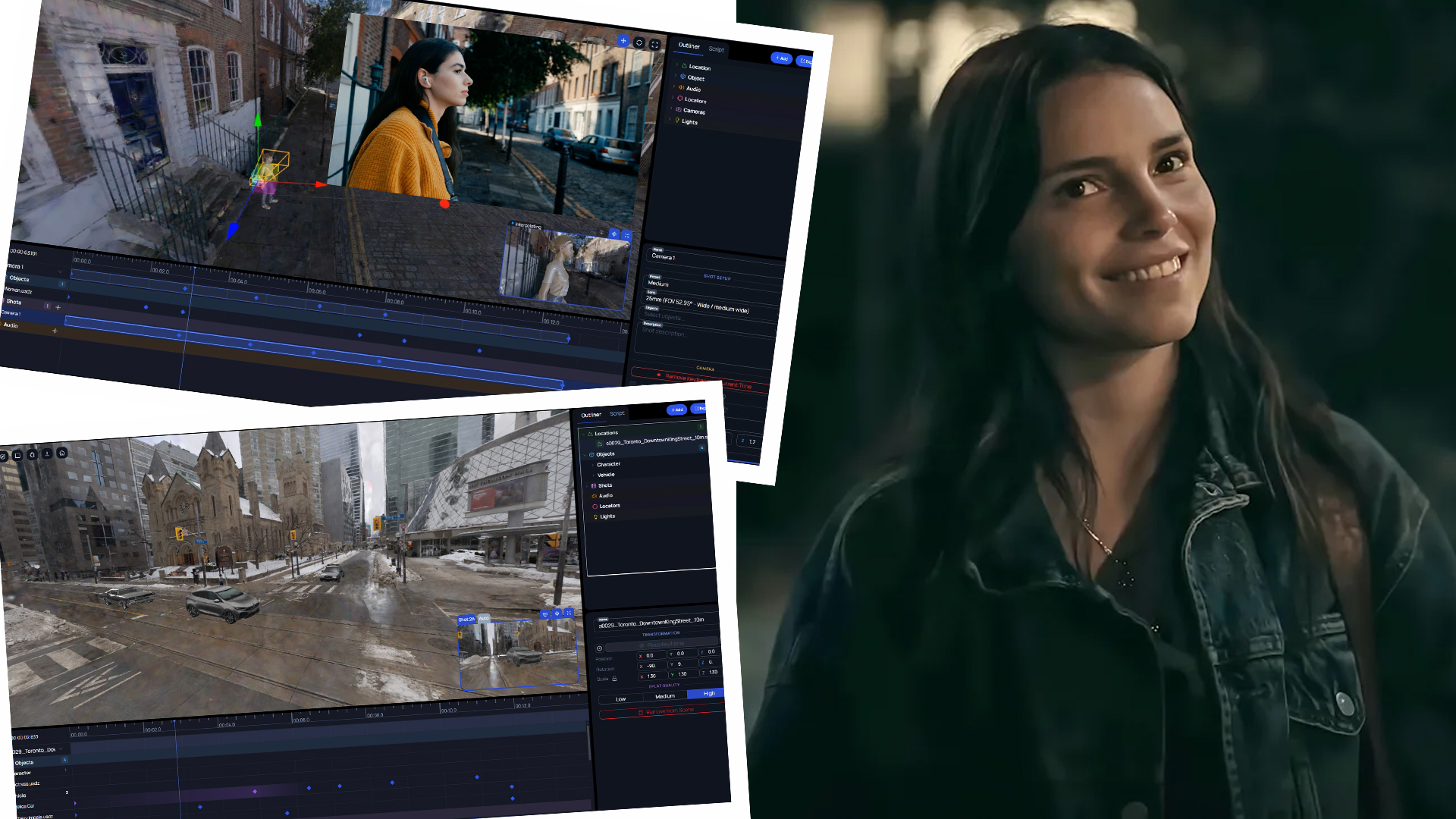
Witnessing a demonstration of Spark Story is to see a glimpse into this democratized future. Welch, armed with an iPhone, can dynamically set up and shoot scenes in augmented reality, rapidly iterating on new ideas as they arise. This fluid, on-the-fly experimentation feels particularly resonant for emerging filmmakers who are seeking to find and solidify their unique artistic voices. "For me, this is coming from the standpoint of really enabling people to get started," Welch elaborates. "Getting folks unstuck from that stage of ‘I have this idea in my head or on paper’ to actually being able to see it is really what Spark Story is all about."
Bridging the Gap: From Script to Screen with Unprecedented Ease
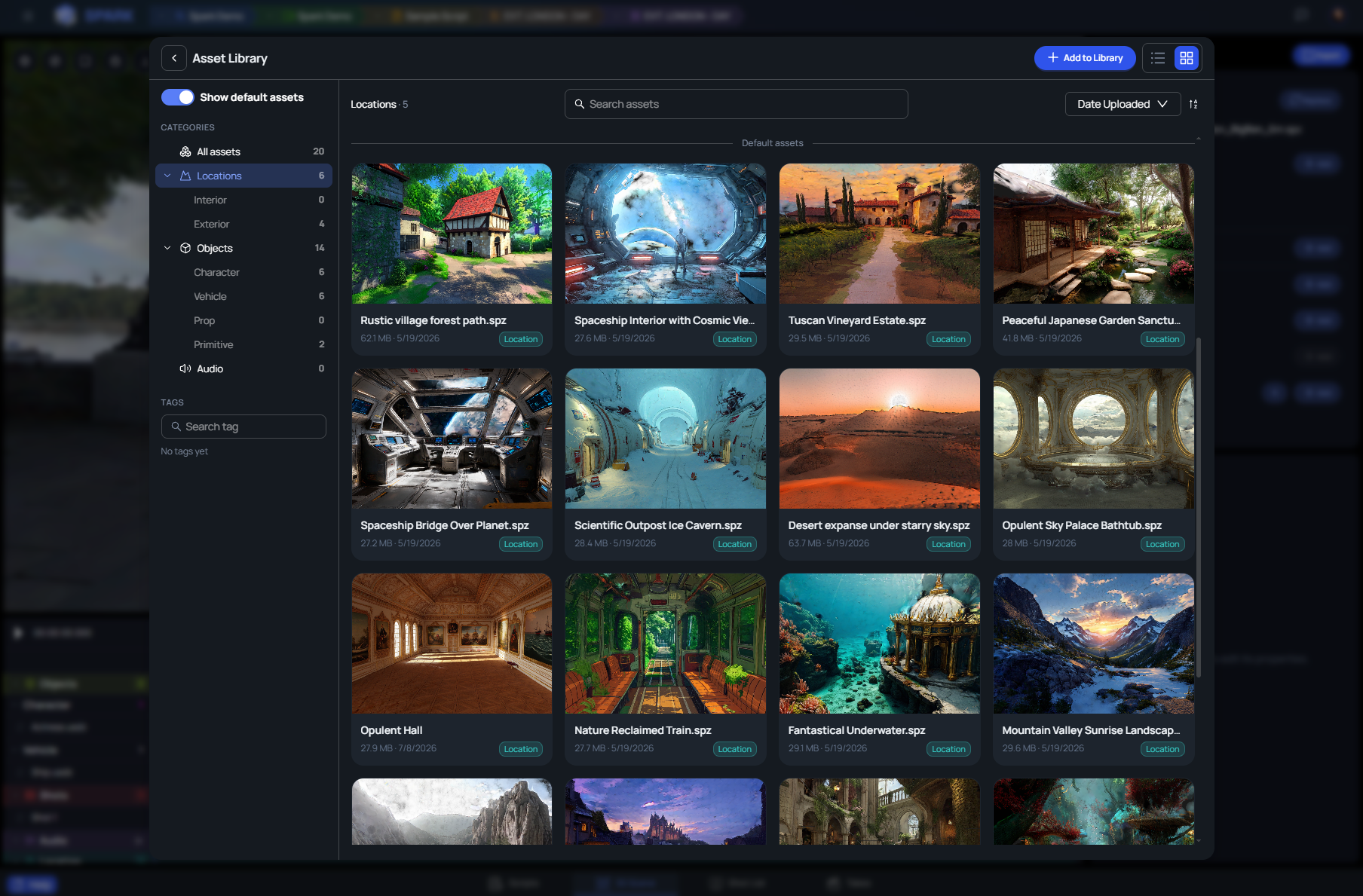
The platform’s design philosophy centers on bridging the chasm between a nascent idea and its visual realization. By enabling filmmakers to manifest their concepts in a tangible, albeit virtual, form early in the process, Spark Story aims to demystify complex production planning. The tool integrates scriptwriting, 3D environment design, camera movement simulation, and production planning into a unified workflow. This integration is further enhanced by a growing library of 3D assets and the capability for real-time compositing. Crucially, Spark Story supports direct import from industry-standard software such as Blender, Unreal Engine, and Maya, ensuring seamless integration into existing creative pipelines.
This approach draws a compelling parallel to the methodologies prevalent in the video game industry. Game developers have, for decades, honed workflows that involve building expansive virtual worlds, rigorously testing ideas, and iteratively refining their creations before committing to final development. Tools like Blender and Unreal Engine have been pivotal in this evolution, providing independent developers and smaller studios with access to sophisticated workflows previously the exclusive domain of AAA game development houses.
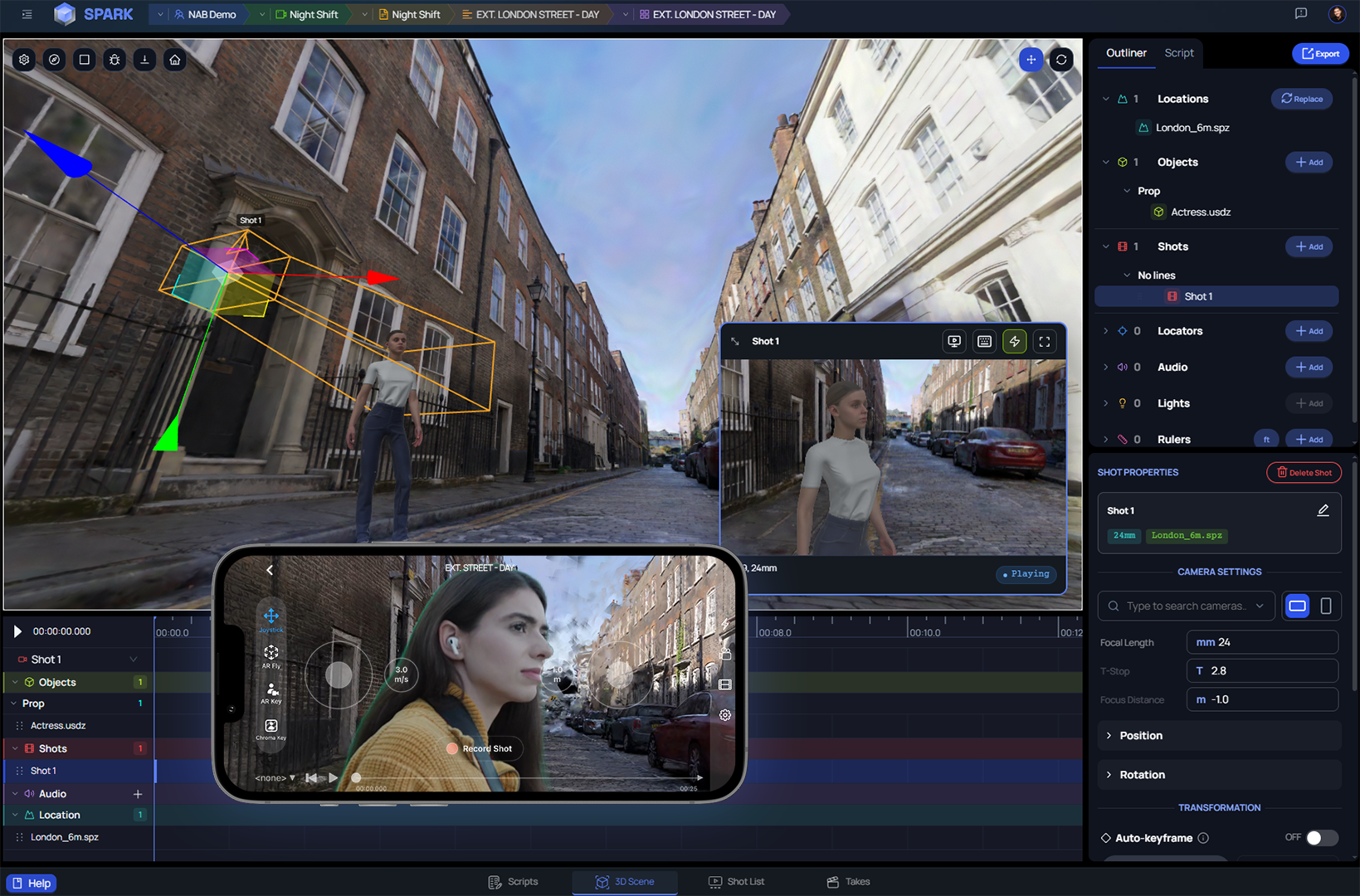
Filmmaking, particularly through the burgeoning field of virtual production, has increasingly adopted this iterative, game-development-inspired mindset. Lightcraft views previs as the next logical step in this evolutionary trajectory. Spark Story aims to provide a comprehensive environment where scripts serve as the foundational blueprint, with every asset, metadata point, and creative decision directly linked back to the narrative core.
Spark Atlas: Unifying the Collaborative Process
As modern productions become increasingly intricate, involving a growing number of digital assets, a dispersed network of collaborators, and a continuous stream of creative decisions, maintaining coherence and alignment across the team becomes paramount. Spark Atlas, a key new feature within the Spark Story platform, directly addresses this challenge. It establishes a robust connection between captured footage, associated metadata, and the precise scene and script section to which they pertain. This meticulous organization facilitates the tracking of creative ideas and assets as they evolve throughout the production lifecycle, ensuring that every team member, regardless of their discipline, is working from a shared and up-to-date understanding of the project.
"Whether you’re working on lighting, cinematography, script writing, directing, producing, there is massive value for every member of the team," Welch emphasizes. "This is a tool built for teams." This collaborative ethos is fundamental to Spark Story’s design, recognizing that filmmaking, at its heart, is an inherently collective endeavor.
Empowering the Next Wave of Storytellers
The potential impact of Spark Story extends beyond mere cost reduction; it lies in its capacity to foster an environment where experimentation is not only possible but actively encouraged. "I think the experimentation and the iteration capability is a huge unlock," Welch states. "Test shots that you might not try – drone shots or things that are just not easy to test until you’re actually out there in the wild. This gives you that just working."
This accessibility is particularly significant for a new generation of creators who have grown up with digital platforms like TikTok, YouTube, and Instagram, becoming adept at producing and sharing short-form video content. Spark Story offers them a pathway to scale their creative ambitions. "Folks from TikTok, folks from YouTube, folks from Instagram who are used to making 10-second, eight-second, 30-second stuff are starting to see, why can’t I make a 30-minute or a five-minute short?" Welch queries, highlighting the platform’s potential to nurture longer-form narrative development among digital natives.
While the future of filmmaking won’t necessarily see every aspiring director producing Hollywood blockbusters from their bedrooms, platforms like Spark Story represent a significant evolutionary leap. Historically, major shifts in filmmaking accessibility, such as the reduction in the cost of entry that empowered filmmakers like Sam Raimi and Peter Jackson in their early careers, or the lo-fi aesthetic popularized by films like "Rec" and "The Blair Witch Project," have democratized filmmaking in distinct ways. However, Spark Story promises something more profound: it offers creators the opportunity to explore ambitious, innovative ideas thoroughly in pre-production, before the specter of prohibitive costs or perceived risks can stifle them. This empowers a new wave of storytellers to bring their unique visions to fruition, potentially reshaping the cinematic landscape for years to come.
