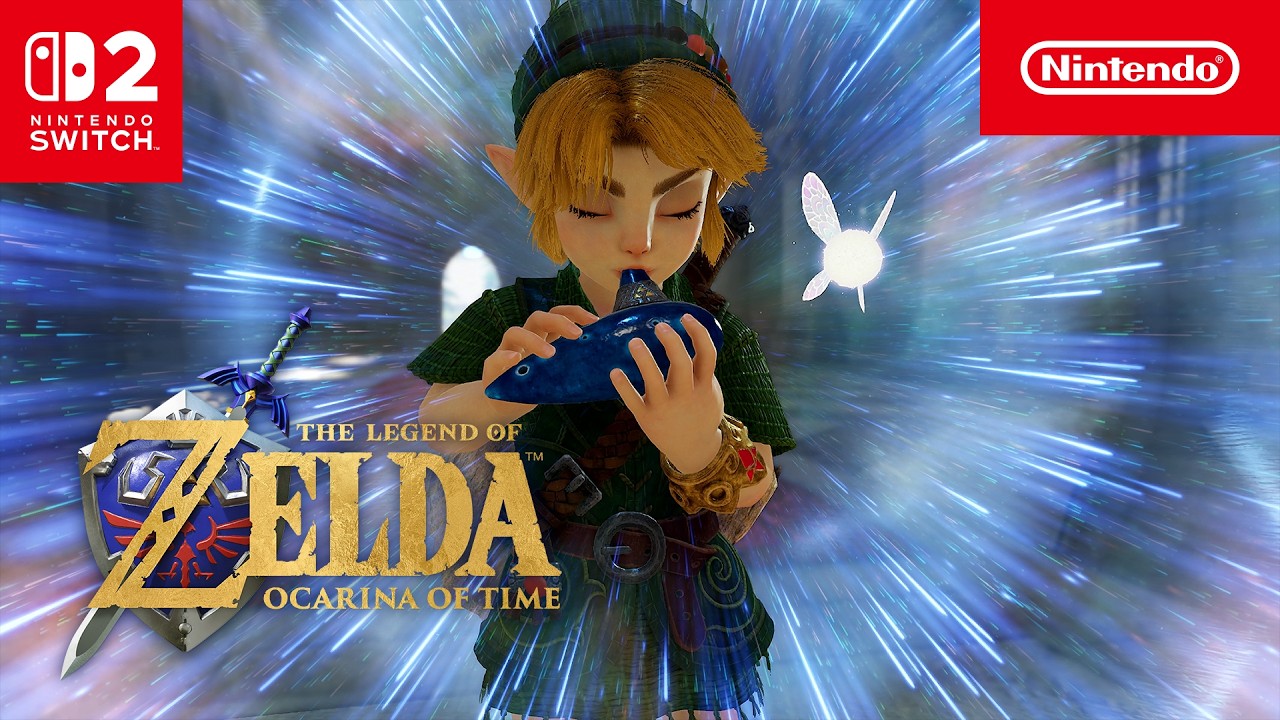
The upcoming release of The Legend of Zelda: Ocarina of Time remake for the Nintendo Switch 2 has generated substantial industry discussion since its initial teaser trailer divided opinion regarding its surprisingly realistic visual approach. However, subsequent hands-on previews and a newly published developer interview series have clarified Nintendo’s creative direction, easing fan concerns while shedding light on the intricate design decisions behind the modern reimagining of the 1998 Nintendo 64 masterpiece.
Set to launch on November 5, 2026, the remake is far more than a simple high-definition remaster. The updated title incorporates modern control schemes, richly detailed environments, expanded dialogue, fully voiced cutscenes, and targeted adjustments to mechanical pain points present in the original hardware release. Yet, newly released insights from Nintendo’s "Ask the Developer" series reveal a strict adherence to the fundamental DNA of the original game, detailing how the development team carefully balanced modern graphical capabilities with the timeless aesthetic spirit of Hyrule.
Establishing a Practical Effects Aesthetic
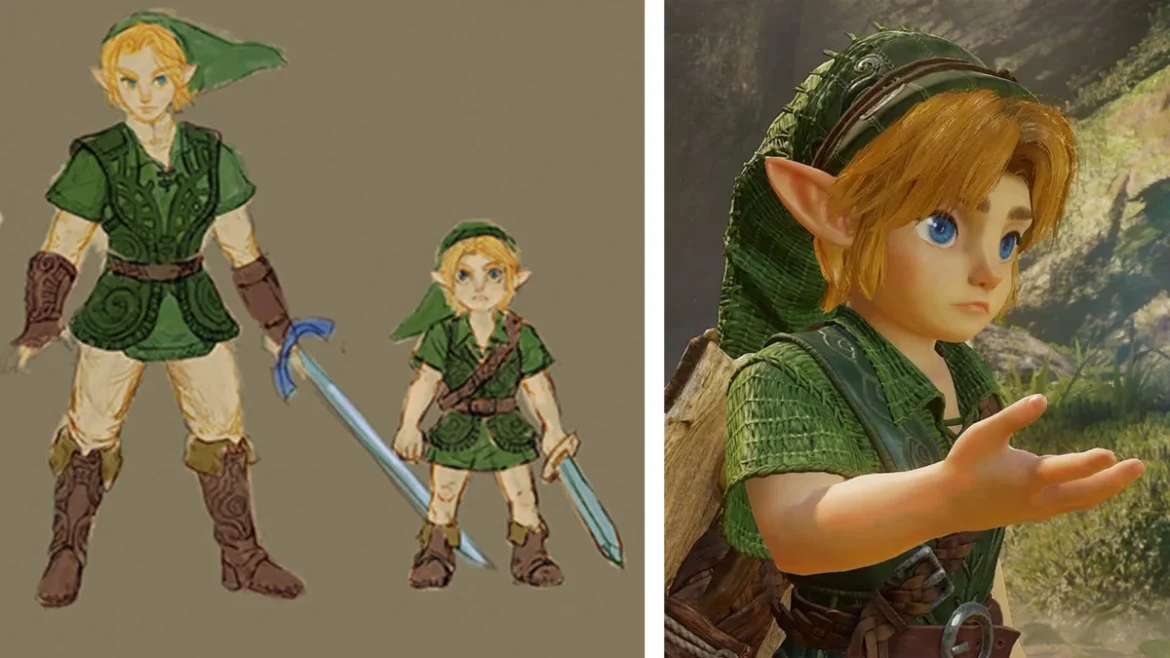
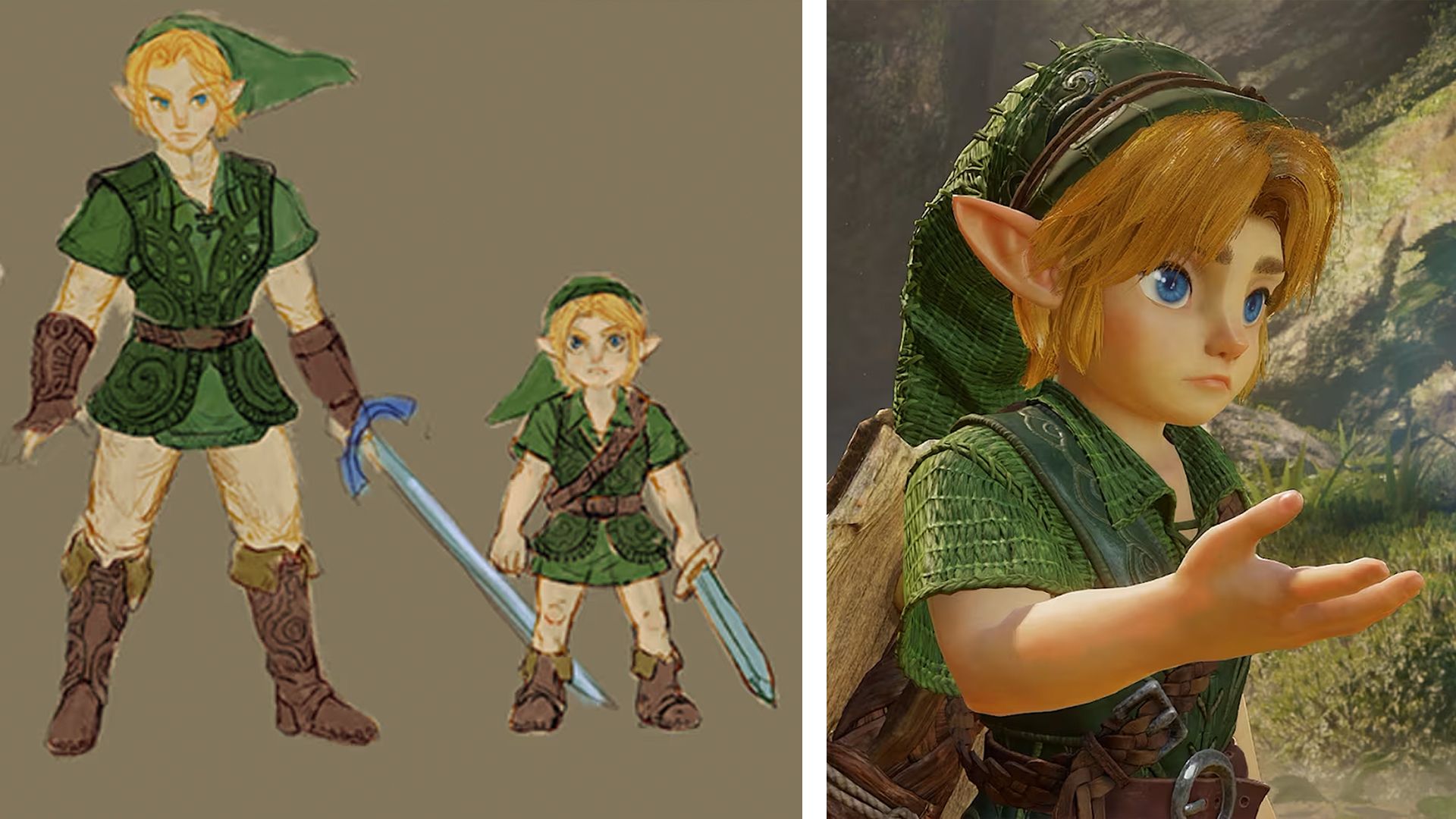
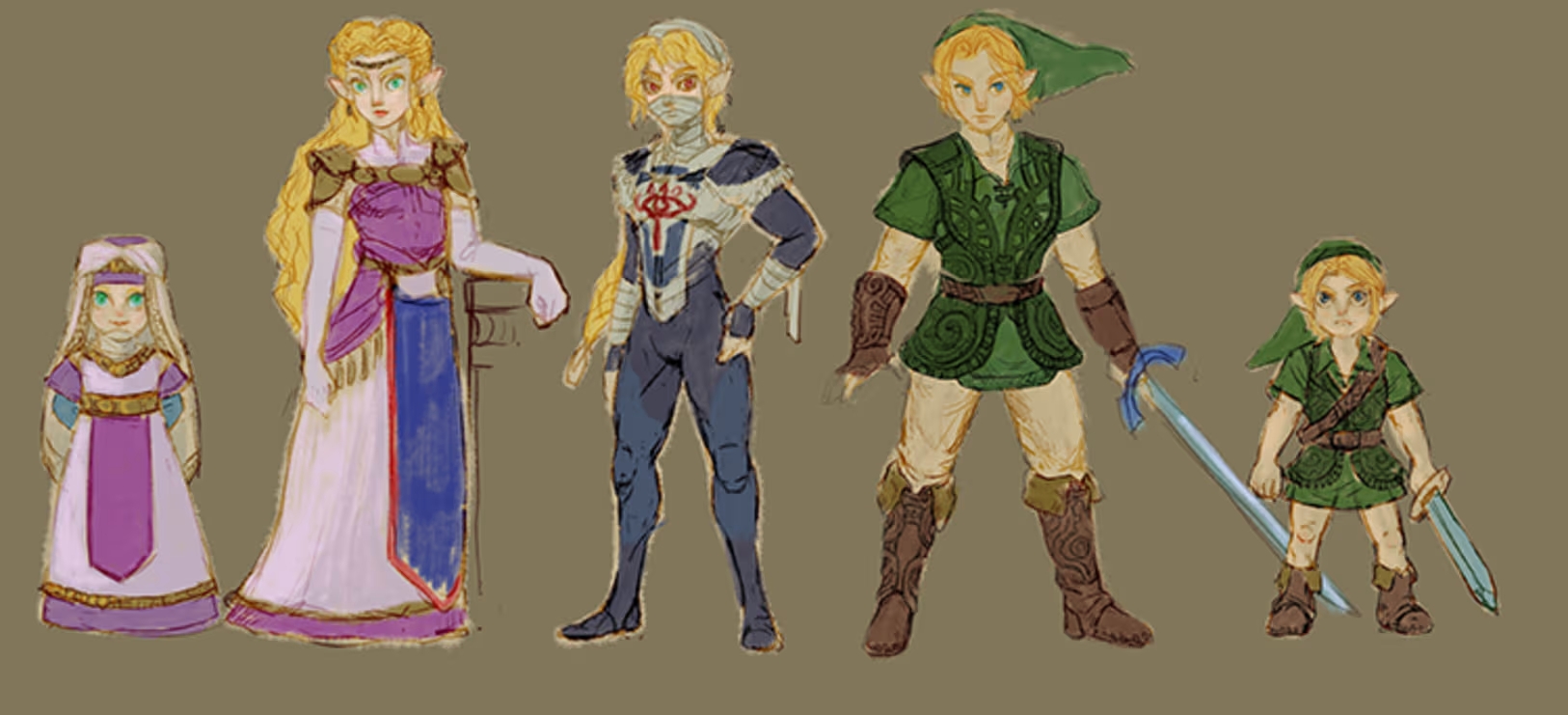
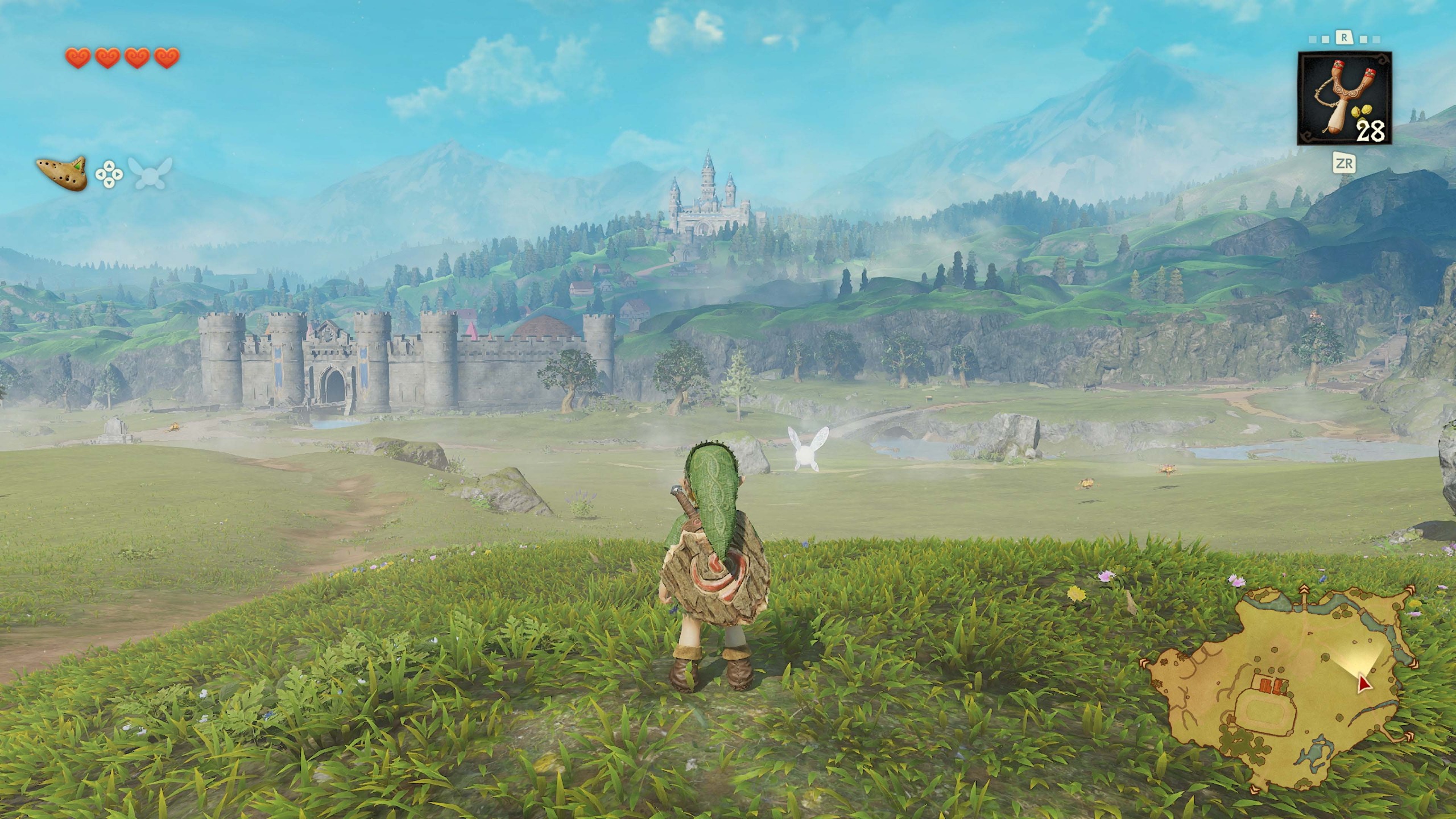
When Nintendo first revealed footage of the Ocarina of Time remake for the upcoming Nintendo Switch 2, the initial impression leaned heavily toward modern photorealism. Given the vast technological leap from the Nintendo 64 to modern gaming hardware, players anticipated an entirely contemporary visual overhaul. However, Art Director Aya Shida explained that the development team deliberately avoided chasing absolute realism, opting instead for concepts centered around a "puppet-show feel" and the "analog feel of practical effects films."
According to Shida, the primary challenge of the art development phase was constructing a dense, believable version of Hyrule that maintained a deep connection to the original game’s geometry and color palette while ensuring its eclectic cast of characters felt native to the environment.
"Neither puppet shows nor practical effects films reproduce reality exactly as it is," Shida noted in the interview. "Even so, both create a convincing sense that the characters truly exist within their respective fantasy worlds."
This philosophy extended down to micro-level design choices, such as the composition of character attire. Rather than rendering clothing textures with digital perfection, the design team researched historical textiles, examined museum exhibits, and even experimented with weaving thread by hand to understand how young Link’s garments should realistically appear. By grounding every object and garment in a plausible narrative history, the developers aimed to preserve the emotional resonance of the original character designs when viewed from any distance, ensuring players instantly recognize the inhabitants of Hyrule despite a 28-year gap between releases.
Scrapping Modern Exploration Mechanics
While visual fidelity received a major contemporary upgrade, structural gameplay elements underwent intense scrutiny to determine what alterations would enhance the experience versus what might disrupt its core pacing. Notably, Series Producer Eiji Aonuma revealed that early builds of the remake experimented with introducing fast-travel warp points akin to those found in modern open-world titles like The Legend of Zelda: Breath of the Wild.
Aonuma explained that the initial motivation to include warp points stemmed from nostalgia-driven observations of how players traversed the original game. In the 1998 release, navigating Hyrule Field efficiently often relied on repetitive forward-rolling inputs to cover ground quickly. Believing this mechanic should be streamlined for contemporary audiences, Aonuma initially championed the integration of instantaneous warp locations.
However, internal playtesting quickly revealed an unforeseen consequence: the inclusion of warp points systematically undermined the organic moments of discovery that define the game’s structural pacing.
"Through this development process, we were reminded once again just how important those moments are to the very structure of The Legend of Zelda: Ocarina of Time," Aonuma stated. Recognizing that instant fast travel compromised the intimate geography and exploration loops of the classic design, the team ultimately removed the warp points entirely, preserving the original layout of Hyrule Field.
Targeted Quality-of-Life Enhancements
Despite preserving the core world structure, the development team did implement targeted gameplay updates designed to alleviate friction points inherent to late-90s 3D game design. Most notably, the remake introduces a dedicated jump button for Link. In the original Nintendo 64 version, Link executed automatic leaps whenever he reached the edge of a ledge. While revolutionary for its time, the automated system occasionally led to imprecise movement during high-stakes combat encounters or complex platforming segments.
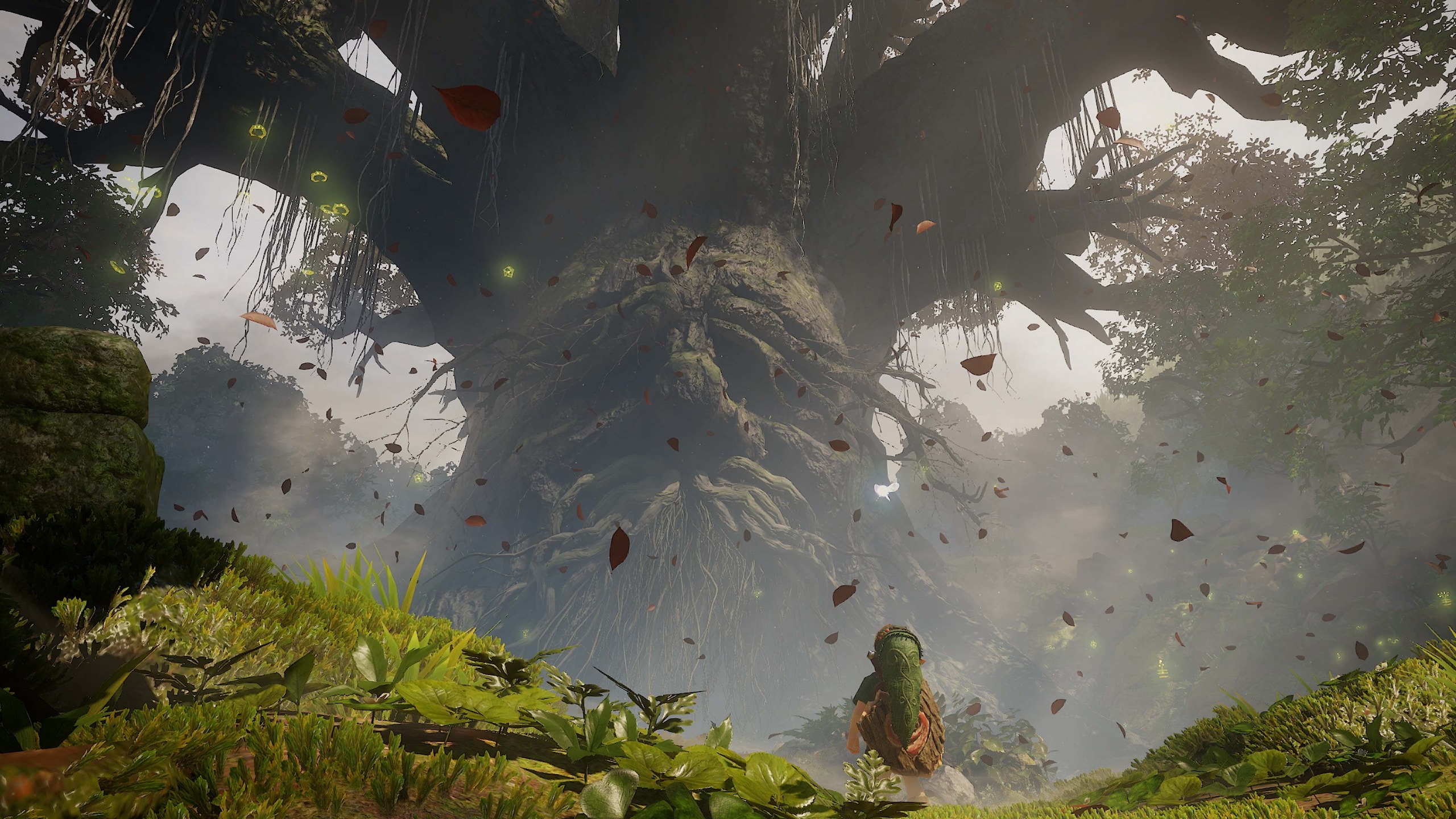
The introduction of manual jumping gives players precise control over positioning and momentum. While developers acknowledge that players accustomed to the original control scheme will require an adjustment period—particularly during mid-combat maneuvers—the change addresses one of the most frequently cited mechanical limitations of the source material. Additionally, modernized camera controls, refined inventory management, and expanded narrative elements aim to smooth out the transition for modern players while maintaining the integrity of the original level design.
Historical Context and Franchise Strategy
The decision to completely rebuild Ocarina of Time arrives at a significant juncture for Nintendo, coinciding closely with the franchise’s upcoming 40th anniversary. Eiji Aonuma emphasized that the project was not merely conceived as a commercial venture for new hardware, but as a crucial educational exercise for the current generation of Zelda developers.
By undertaking a full-scale reconstruction of the title widely regarded as a foundational pillar of 3D action-adventure gaming, contemporary designers were forced to deconstruct and analyze the precise structural mechanics that made the original release a critical and commercial landmark. Aonuma noted that this deep dive into the design philosophy of Ocarina of Time serves to ground current developers in the series’ heritage, potentially providing invaluable insights that will influence future franchise entries on the Nintendo Switch 2 and beyond.
Industry Implications and Market Outlook
The strategic positioning of The Legend of Zelda: Ocarina of Time as a tentpole release for the Nintendo Switch 2 highlights Nintendo’s ongoing strategy of leveraging its rich intellectual property library to drive hardware adoption. Remakes of seminal video game titles carry inherent risks, often walking a fine line between alienating purists through excessive modernization and disappointing modern consumers through outdated mechanics.
By detailing their design choices transparently—explaining why certain features like warp points were rejected while others like manual jumping and textile research were embraced—Nintendo has successfully managed community expectations ahead of the game’s release. The careful balance of nostalgic authenticity and measured modernization suggests that the remake is positioned to satisfy both longtime veterans of the 1998 classic and a new generation of players experiencing Hyrule for the first time.
The Legend of Zelda: Ocarina of Time is scheduled for release on the Nintendo Switch 2 on November 5, 2026. Complete transcripts of the developer interviews remain available via Nintendo’s official corporate web portal.