
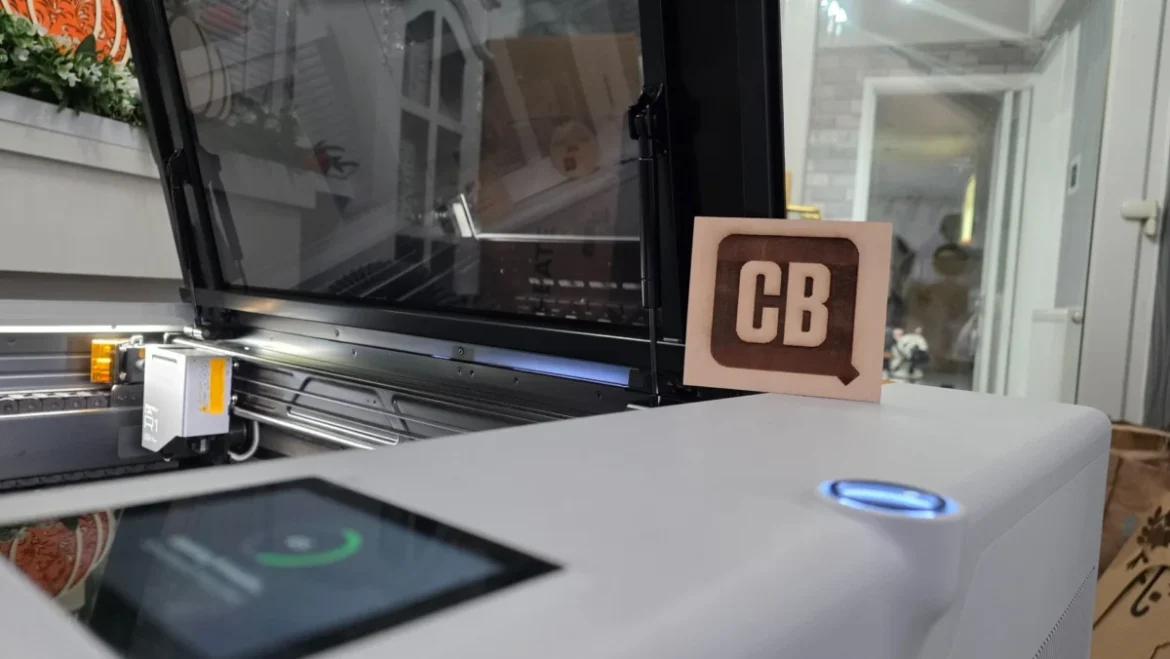
Bambu Lab, a dominant force in the consumer and professional 3D printing sector over the past half-decade, has officially announced its first standalone hardware product entirely detached from its traditional additive manufacturing ecosystem: the R1 55-watt CO2 laser cutter and engraver. Priced at $2,499.00 / £2,249.00 / €2,499.00 / AU$3,849.00 for the base unit, the R1 marks a strategic expansion for the company, pushing it directly into territory traditionally occupied by established laser-cutting brands such as xTool, Glowforge, and Thunder Laser.
The announcement signals a notable shift in market dynamics. While Bambu Lab has spent the last five years cementing its reputation for high-speed, reliable, and user-friendly 3D printers—and more recently experimenting with modular laser and blade cutting attachments on its H-series machines—the R1 represents the company’s first dedicated, heavy-duty subtractive manufacturing appliance designed for standalone desktop and workshop use.
Main Facts and Product Specifications
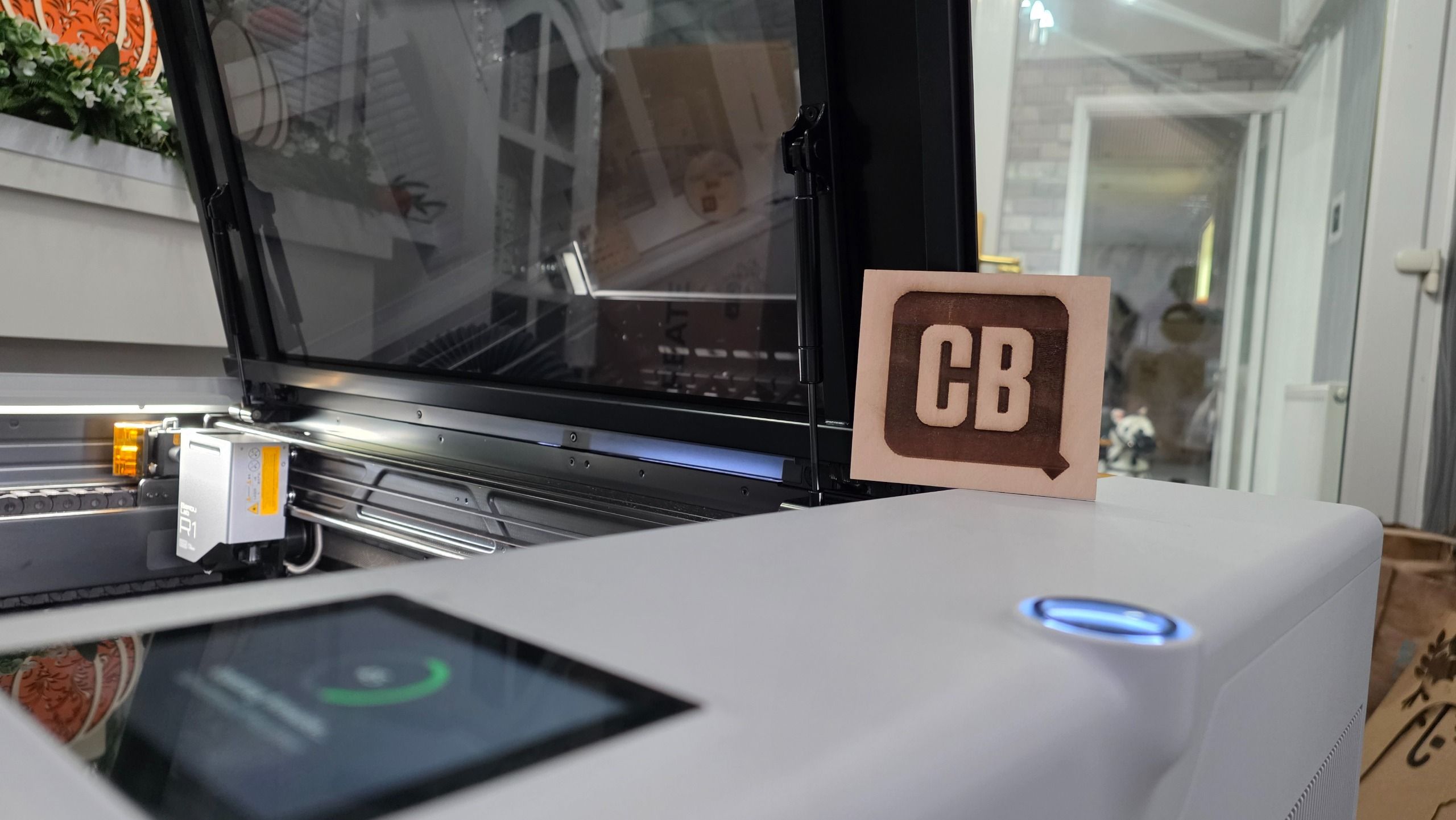
The newly unveiled R1 is a 55-watt CO2 laser cutter engineered to handle a diverse array of fabrication materials. According to preliminary technical specifications and beta-testing observations, the machine is capable of cutting through organic and synthetic substrates including wood, clear acrylic, leather, paper, and fabric. Additionally, it can perform precision engraving on glass, stone, and coated metals.
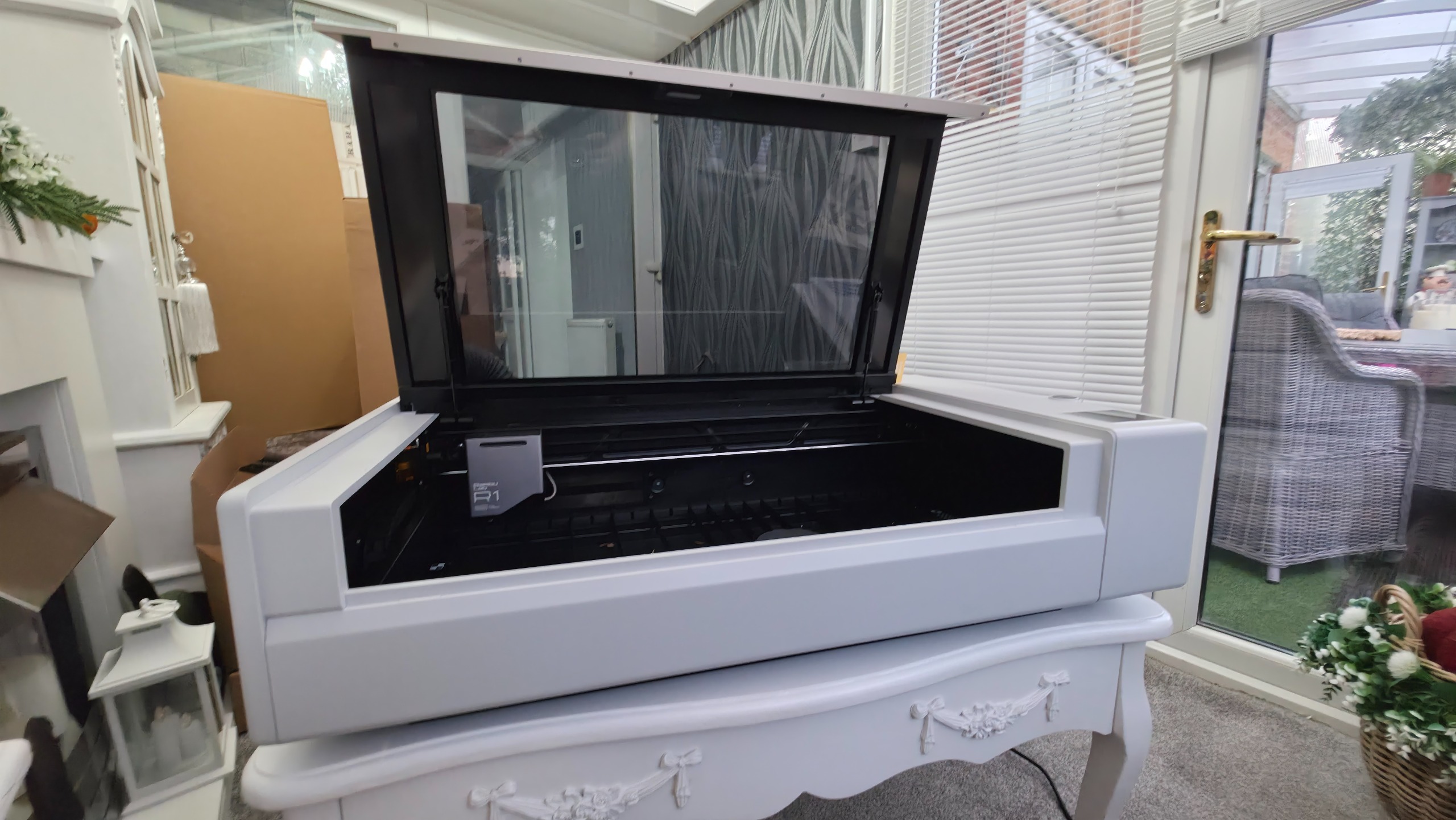
The machine features a standard internal working area of 600 by 300 millimeters, which accommodates two standard sheets of Bambu Lab basswood plywood placed side by side. Despite its robust performance capabilities, the unit is designed to optimize footprint efficiency, reportedly occupying approximately one-third less spatial volume than traditional CO2 laser systems with equivalent working capacities.
Connectivity and software integration remain central to the product’s design philosophy. The R1 utilizes Bambu Suite, a desktop-compatible software application provided free of charge without subscription requirements or AI credit models. The application features built-in background removal and tracing utilities designed to convert raster graphics into vector-based SVG files within seconds. Furthermore, the hardware inherits the familiar touch-pad interface and mobile integration architecture of Bambu Lab’s 3D printing ecosystem, allowing users to pair the device with the Bambu Handy application for mobile management.
Chronology of Development and Market Entry
Bambu Lab’s entry into laser technology did not occur overnight. The company’s trajectory toward a standalone laser cutter can be traced through a methodical evolution of hardware modularity and ecosystem expansion:
- 2019–2023: Bambu Lab establishes itself as a market leader in high-speed CoreXY 3D printers, disrupting the consumer and prosumer maker spaces with the X1 and P1 series.
- 2024: The company introduces modular experimentation via its H-series hybrid machines, such as the Bambu Lab H2S, which integrates interchangeable tool heads capable of 3D printing, laser cutting, and knife-based digital crafting.
- Late 2024 – Early 2025: Private beta testing of the R1 55W CO2 laser begins among select creators and industry reviewers, focusing on optical calibration and cutting performance.
- Mid-2025: Bambu Lab officially announces the R1, marking its departure from hybrid attachments into dedicated, standalone subtractive manufacturing hardware.
- October 2025: Global pre-orders open via the official Bambu Lab store, with initial hardware shipments scheduled to commence.
Technological Innovations: The TriSense System and Safety Features
One of the primary engineering challenges associated with CO2 laser cutters has historically been the optical alignment process. Traditionally, operating a CO2 laser requires manual calibration of internal mirrors using thermal paper and iterative test burns—a painstaking procedure prone to user error and mechanical drift.
To address this friction point, the Bambu Lab R1 introduces the TriSense System, an automated optical alignment technology. The system uses integrated sensors to automatically detect material placement, calculate surface height, and map the tool head’s operational path in a single user-initiated step. To maintain long-term accuracy, users can also utilize an optional Vision Encoder calibration board, which measures and compensates for mechanical drift resulting from prolonged use.
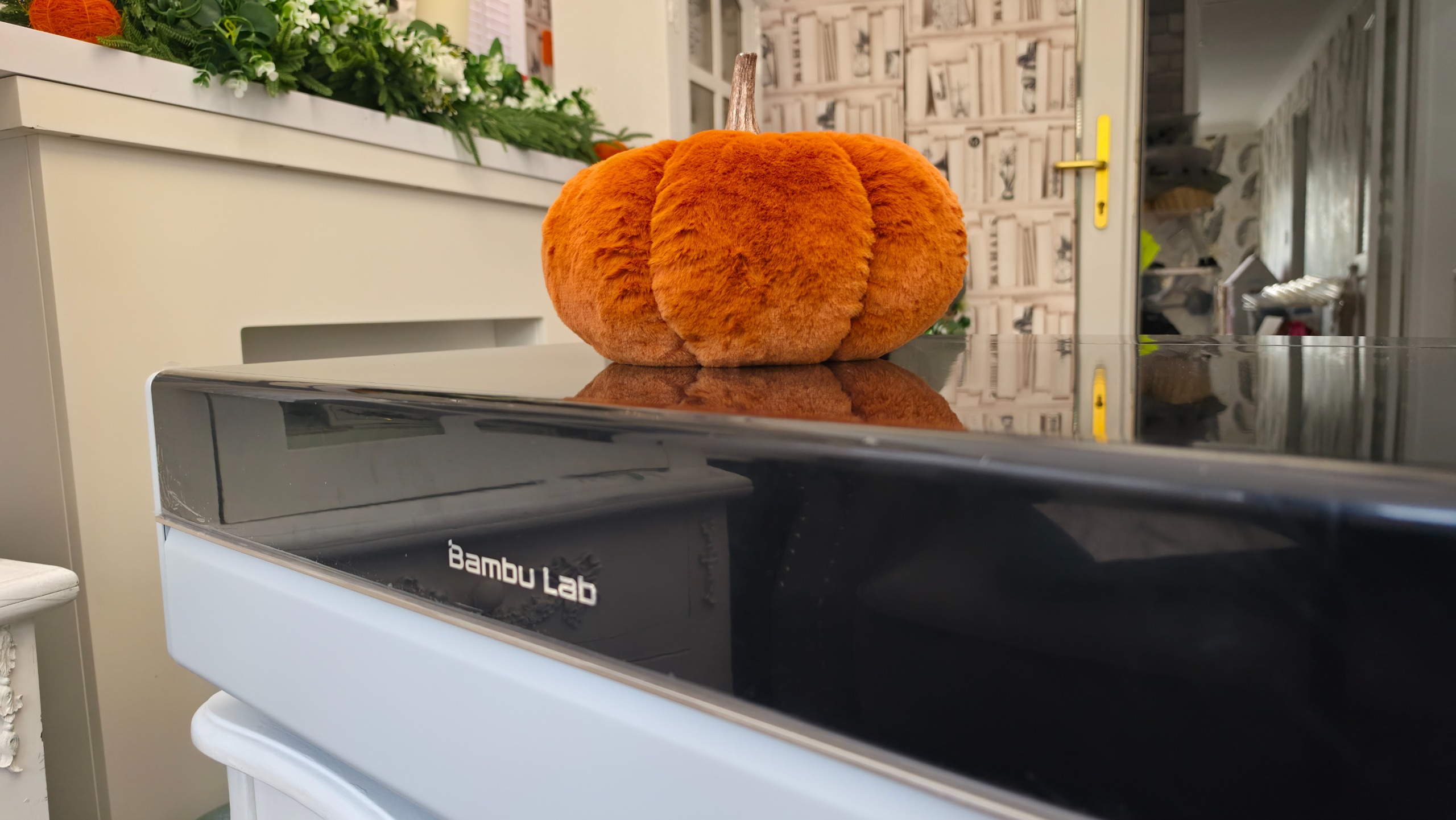
Safety certification has also been a focal point for the hardware’s architecture. The R1 is classified as a Class 1 laser product under standard international safety frameworks, meaning it is engineered with adequate enclosure protections to prevent hazardous laser radiation leakage during normal operation. Additional safety mechanisms include a physical emergency stop button, an automated pause function triggered when the lid is opened, and built-in flame detection sensors designed to interface with an optional Auto Fire Extinguishing System.
Industry Implications and Competitive Landscape
The introduction of the R1 places Bambu Lab in direct competition with established desktop laser manufacturers. Entry-level and prosumer CO2 laser systems, such as the xTool P2S, typically debut at higher price points—often exceeding $4,000 depending on bundled accessories and power variants. By pricing the base R1 unit at $2,499, Bambu Lab is adopting a highly competitive pricing strategy designed to appeal to existing maker communities, small-business owners, and educational institutions.
However, industry analysts note that the machine’s physical dimensions and weight present logistical considerations. The R1 is a heavy, substantial appliance that generally requires a two-person setup process. Additionally, while the internal bed dimensions suit medium-scale projects, users requiring large furniture-scale fabrication must rely on supplementary hardware, such as an optional conveyor attachment capable of extending the working path up to 3,000 millimeters.
Furthermore, the hardware relies on a closed-ecosystem software philosophy similar to that of the company’s 3D printers. While this provides a seamless user experience for individuals already accustomed to Bambu Studio and Bambu Handy, advanced users who prefer third-party software controllers like LightBurn will be watching closely to see how open the R1’s firmware and communication protocols prove to be over time.
Outlook and Availability
Pre-orders for the Bambu Lab R1 are currently live through the manufacturer’s digital storefront, with initial global shipments slated to begin in October. As early units reach consumer workshops and professional studios, comprehensive independent testing will determine whether the R1 can replicate the widespread disruption that Bambu Lab previously brought to the desktop 3D printing market. For now, the release underscores a broader industry trend toward multi-disciplinary digital fabrication tools accessible to prosumers and independent creators.
