
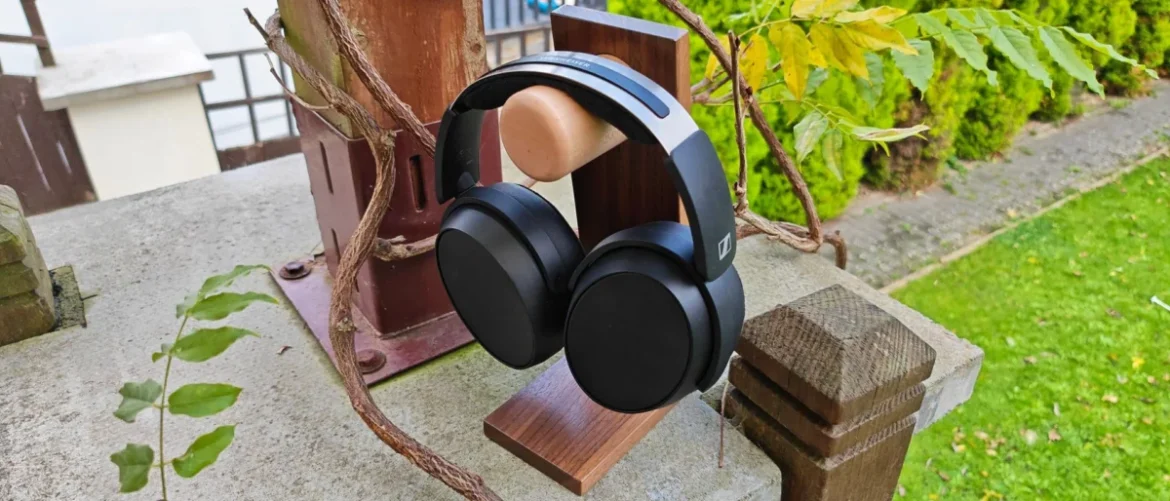
The professional audio landscape has long grappled with a persistent compromise: the superior isolation of closed-back headphones traditionally comes at the expense of soundstage accuracy and low-frequency clarity. Internal acoustic reflections and trapped resonant standing waves within sealed ear cups frequently yield a boomy, muddy bass response that distorts the midrange. Released in April 2026 at a retail price of $399 (£339) for the standalone headphones—or $439 (£369) when bundled with a hard case—the Sennheiser HD 480 Pro arrives to challenge this acoustic paradigm. Positioned primarily for tracking and mixing professionals rather than casual consumer audiophiles, the HD 480 Pro aims to deliver a neutral, balanced, and timbrally correct sound profile that avoids the exaggerated high-frequency "sizzle" or over-hyped V-shaped signatures common in modern consumer monitoring gear.
Technical Specifications and Design Architecture
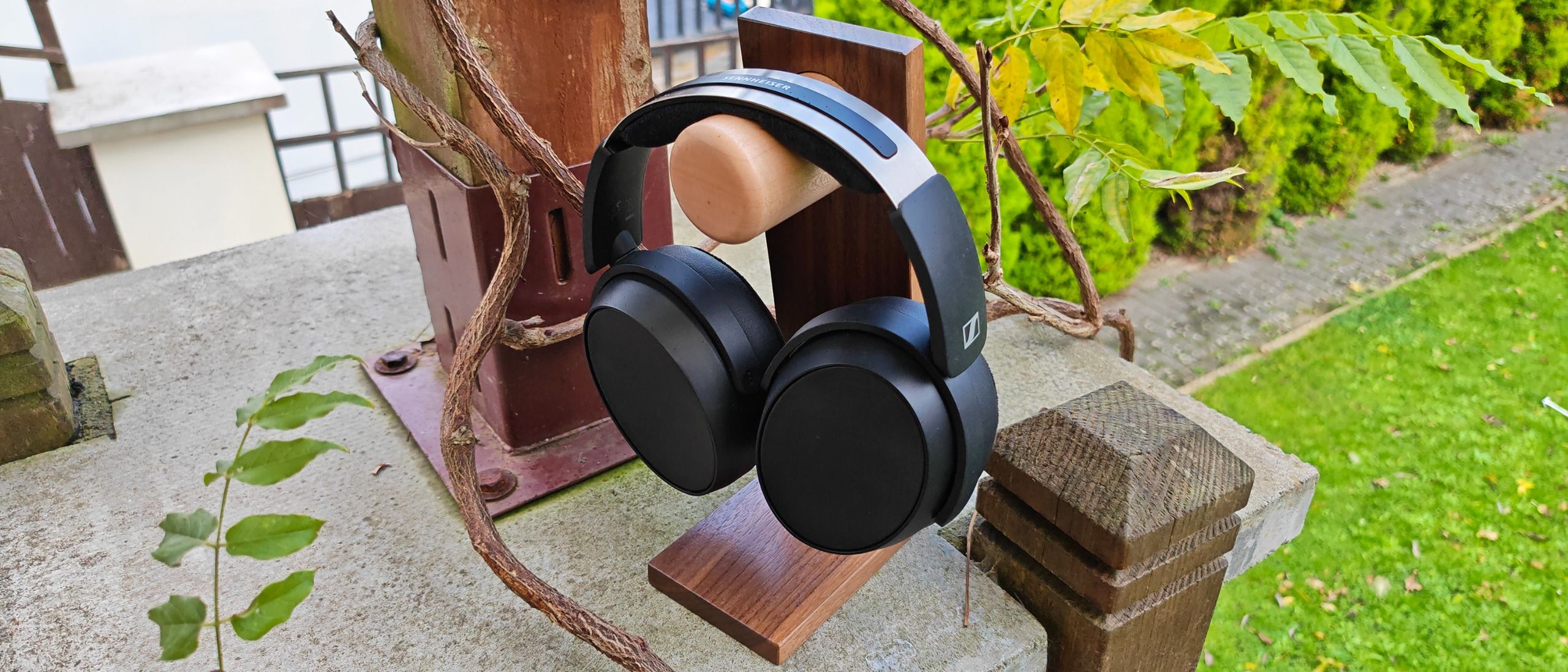
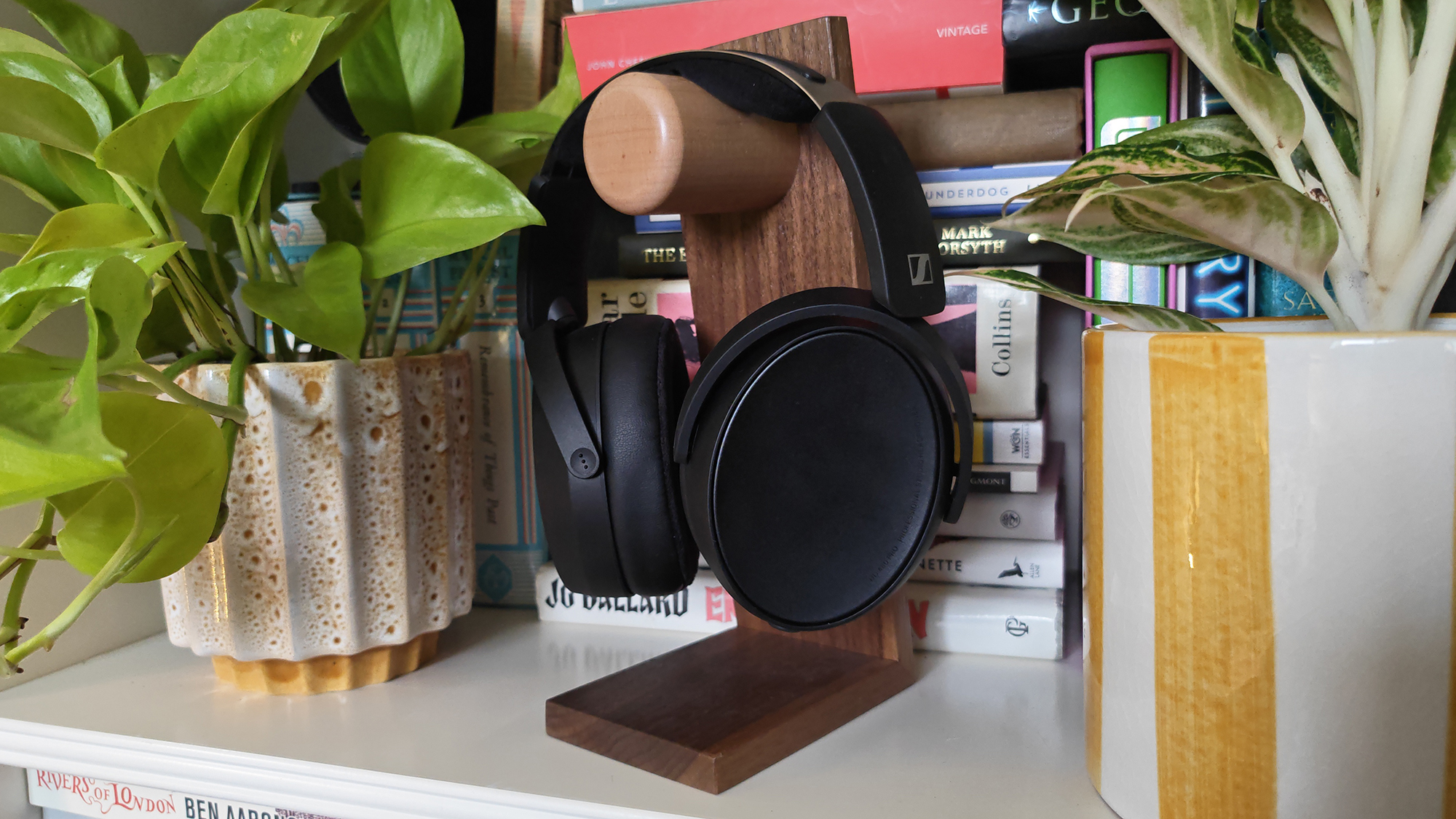
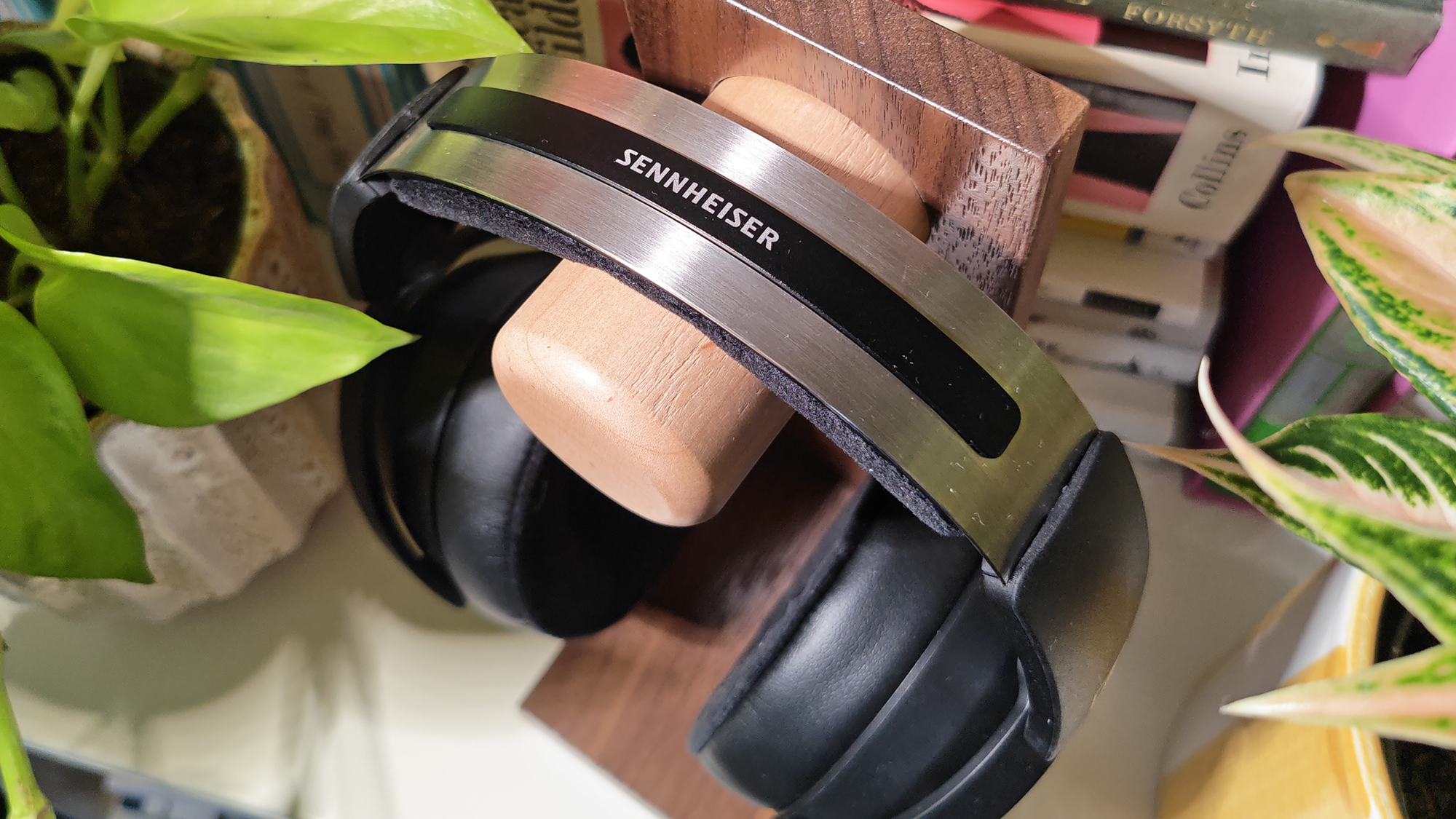
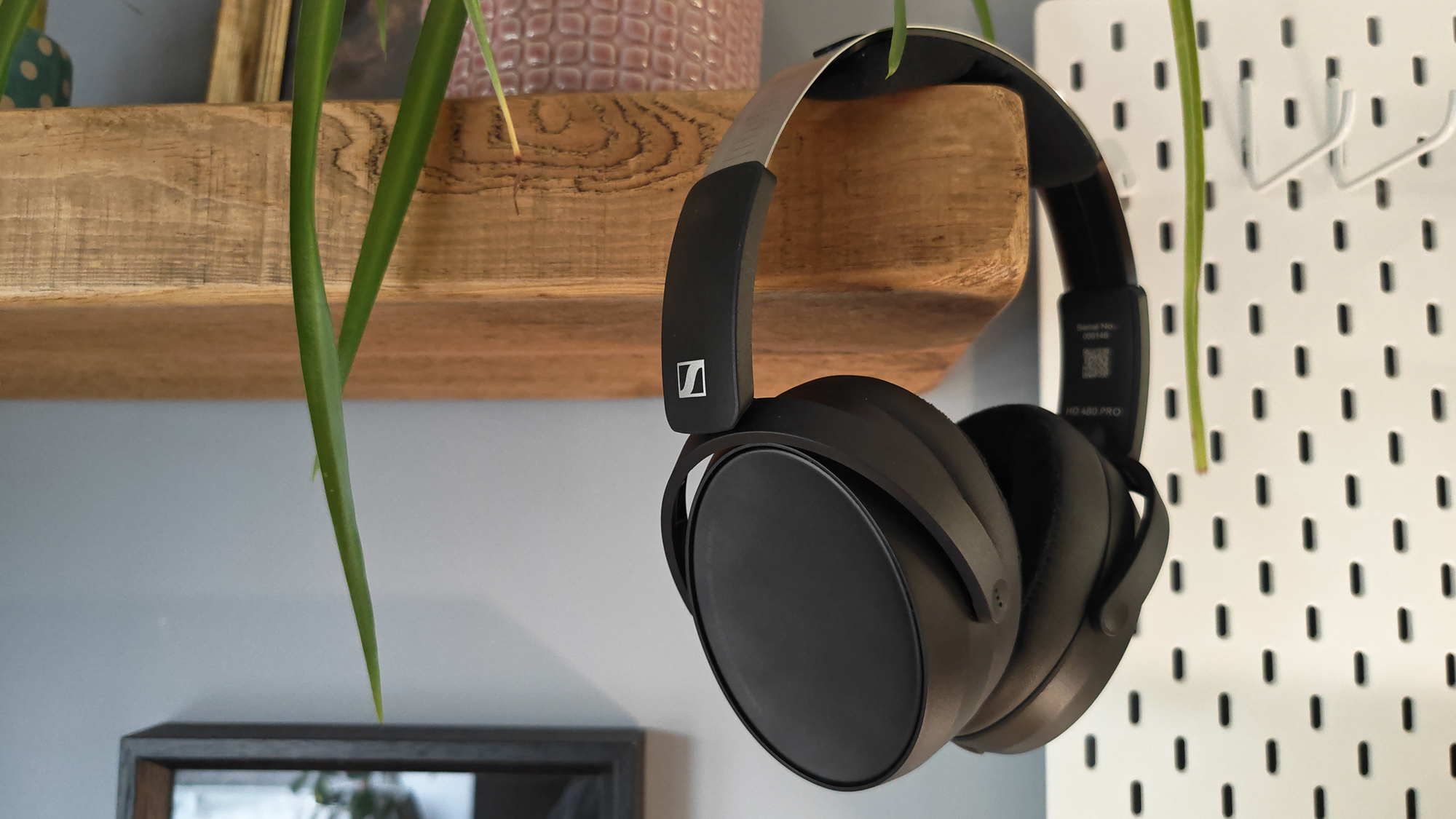
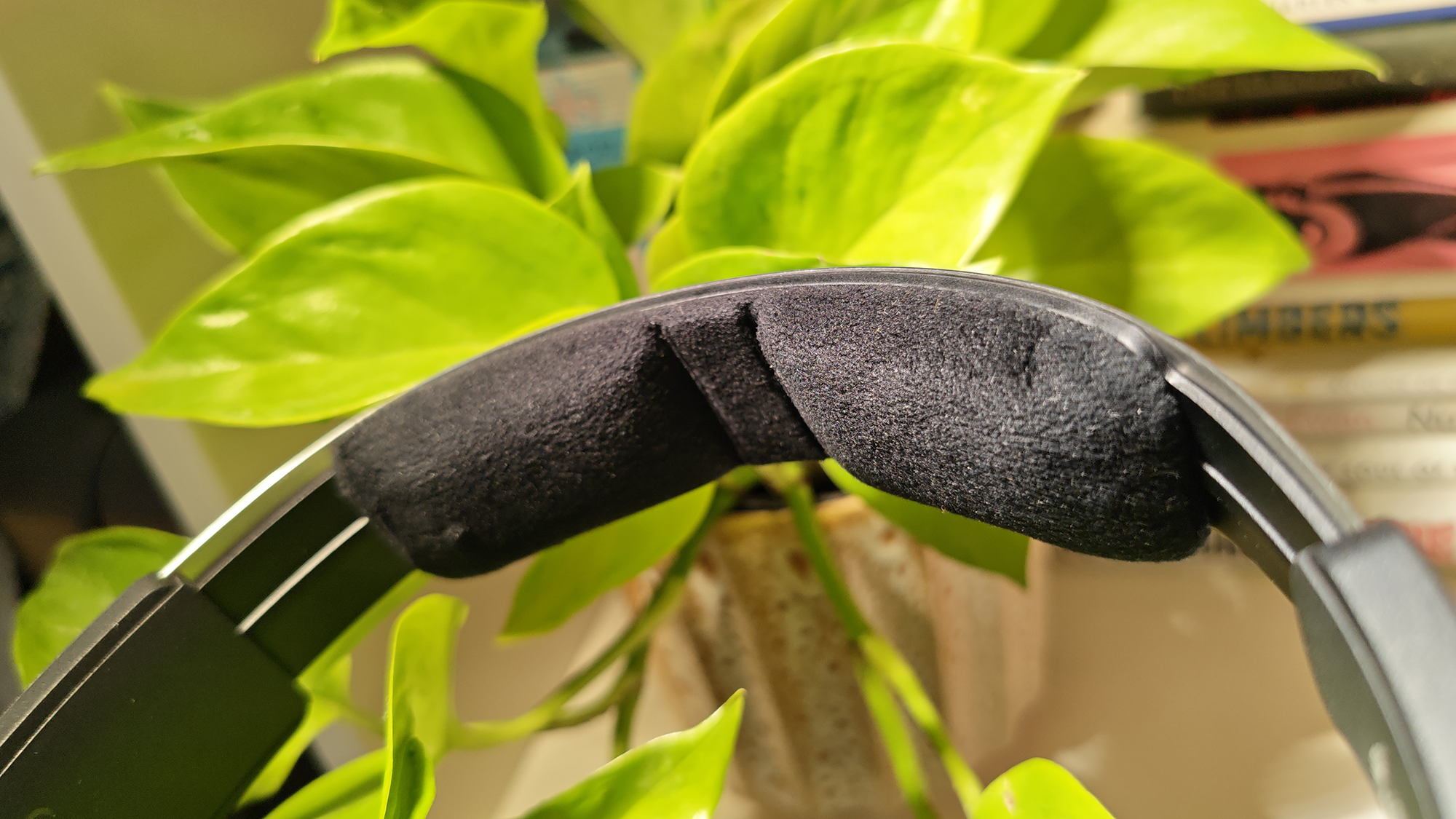
Weighing in at a featherlight 272 grams, the HD 480 Pro utilizes a robust yet lightweight construction blending a matte composite body with a durable stainless steel spring headband slider. This material choice ensures the frame retains its clamping force and structural integrity over years of heavy studio use. The acoustic ear pads are wrapped in washable velour fabric, providing both breathability and passive noise isolation sufficient to block out ambient office or studio chatter without relying on active noise cancellation circuitry.
Internally, the headphones feature 38 mm dynamic drivers housed within closed-back ear cups. They present an impedance of 130 ohms at 1 kHz alongside a sensitivity rating of 107 dB SPL (at 1 kHz / 1 Vrms) or 98 dB SPL (at 1 kHz / 1 mW). Connectivity is handled via a detachable single-sided cable that links through a secure 4-pin mini-XLR port, allowing the user to plug the cable into either ear cup depending on their workstation layout. The cable terminates in a 3.5 mm straight jack complemented by a screw-on 6.3 mm adapter, ensuring seamless integration with both portable interfaces and high-end studio mixing consoles.
Sonic Performance: Bass, Midrange, and Treble Analysis
The defining characteristic of the HD 480 Pro is its meticulously calibrated frequency response. Rather than attempting to artificially stimulate the listener with excessive treble peaks or overwhelming sub-bass, Sennheiser has engineered a presentation that prioritizes absolute accuracy.
The low-frequency response delivers full-bodied sub-bass extension paired with a well-defined mid-bass punch, offering a tactile "grip" without bleeding into the critical midrange frequencies. While purists seeking an absolute flat-line response might find the subtle added warmth slightly non-neutral, the bass execution avoids the common closed-back pitfalls of low-end congestion. Tracks featuring complex basslines maintain structural clarity, allowing intricate lower-register details to remain distinctly audible.
In the midrange, the HD 480 Pro places a calculated emphasis on the upper-midrange and ear-gain regions—specifically displaying controlled elevations around 2.45 kHz and 2.9–3.5 kHz, followed by a dip near 4 kHz. This tuning prevents male and female vocals from sounding recessed or buried beneath instrumentation. Instruments and voices exhibit high timbral accuracy, avoiding the grating or "shouty" artifacts that frequently plague headphones tuned for excessive excitement.
The treble region adopts a smooth, relaxed approach. Rather than employing sharp peaks to artificially manufacture perceived detail—a technique often mistaken for high fidelity—Sennheiser utilizes subtle, purposeful elevations around 6.6–7 kHz and 9 kHz. This smoothing out of harsh sibilant spikes tames notoriously bright recordings, allowing historically sharp tracks to blend cohesively without inducing listening fatigue over extended mixing or listening sessions.
Power Requirements and Source Pairing
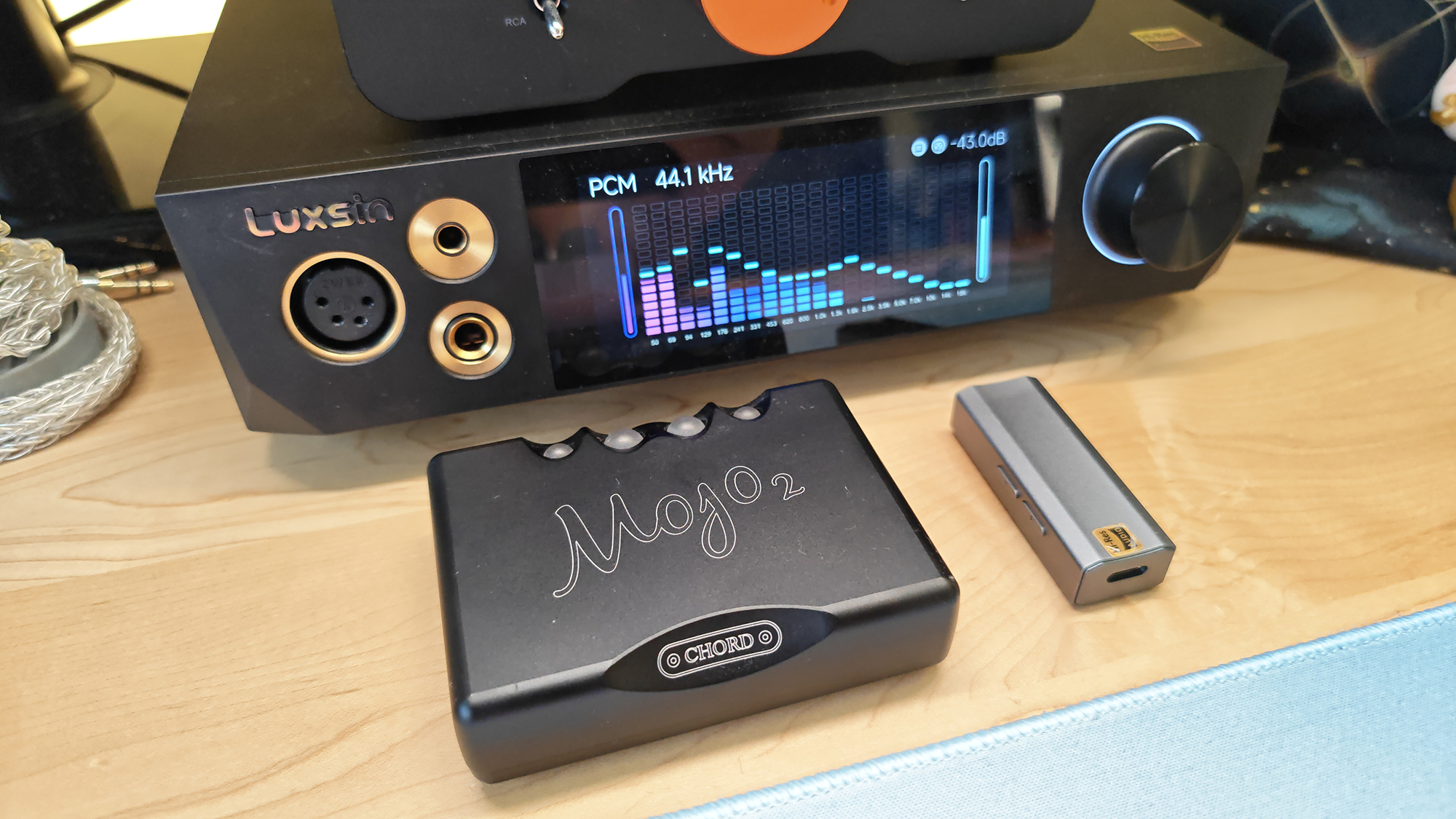
Despite their 130-ohm impedance rating, the HD 480 Pro models are surprisingly efficient to drive due to their high sensitivity. Extensive testing with reference-grade digital-to-analog converters and amplifiers—such as the Chord Mojo 2 and the Luxsin X8 DAC/Amp—demonstrates that the headphones scale exceptionally well with high-end desktop hardware, maintaining an uncolored, transparent signal path.
However, studio engineers and mobile creators do not necessarily require dedicated desktop stacks to achieve optimal performance. Modern hardware equipped with adequate output stages, including Apple’s M-series MacBooks and Windows PCs, provide ample headroom and volume. For everyday playback of compressed or lossless streaming formats, even a standard 9-dollar portable headphone adapter supplies sufficient clean power to drive the headphones to comfortable listening levels without straining the source.
Comparative Market Analysis
Within the $400 professional monitor bracket, the Sennheiser HD 480 Pro faces stiff competition from established workhorses and alternative high-end closed-backs.
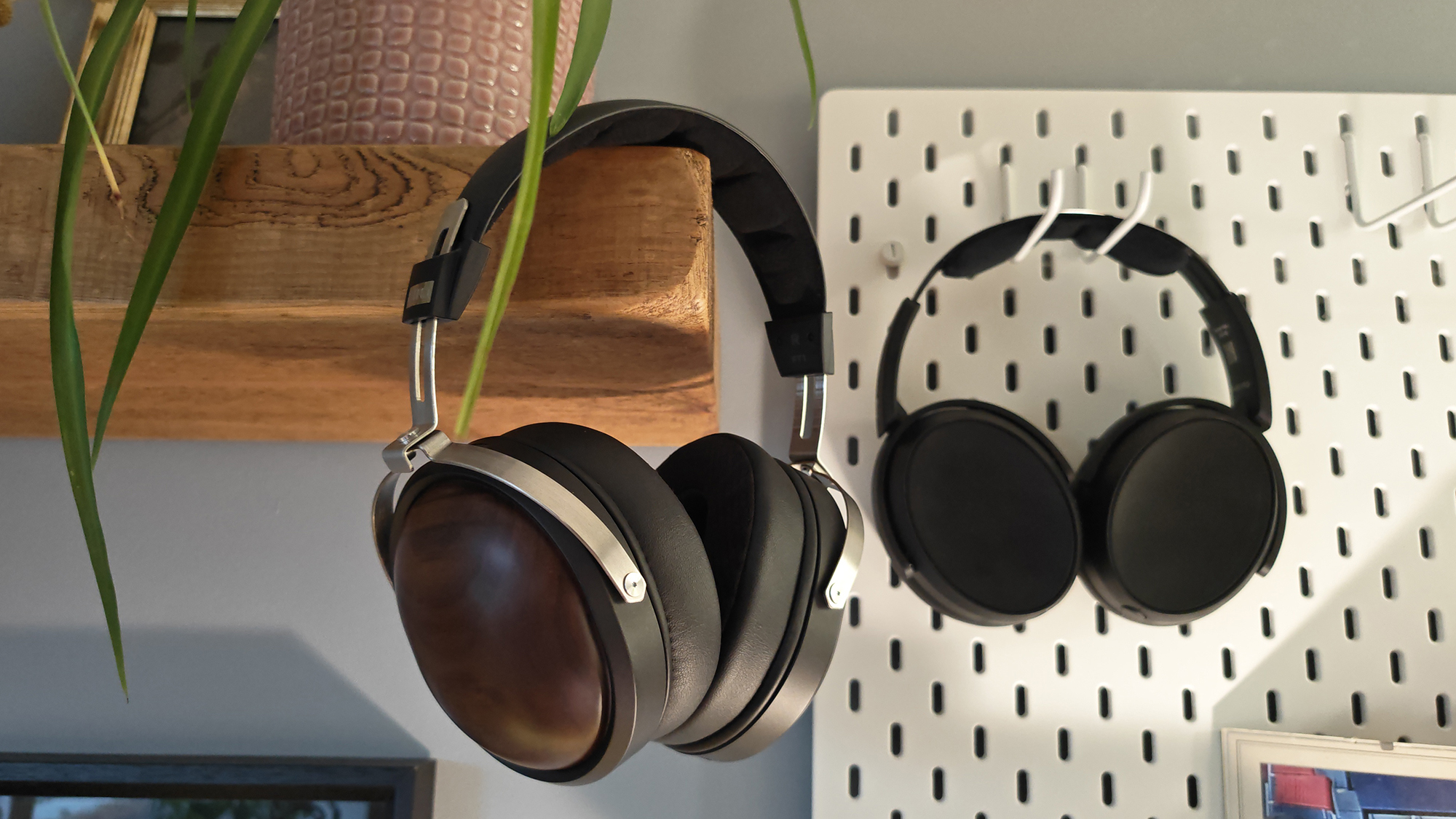
The classic Beyerdynamic DT 770 Pro, historically retailing around $200, offers robust build quality and a high degree of perceived detail, though its significantly elevated treble response can introduce listener fatigue and sibilance over long mixing sessions. In contrast, the HD 480 Pro trades immediate high-frequency sparkle for long-term listening comfort and clinical neutrality.
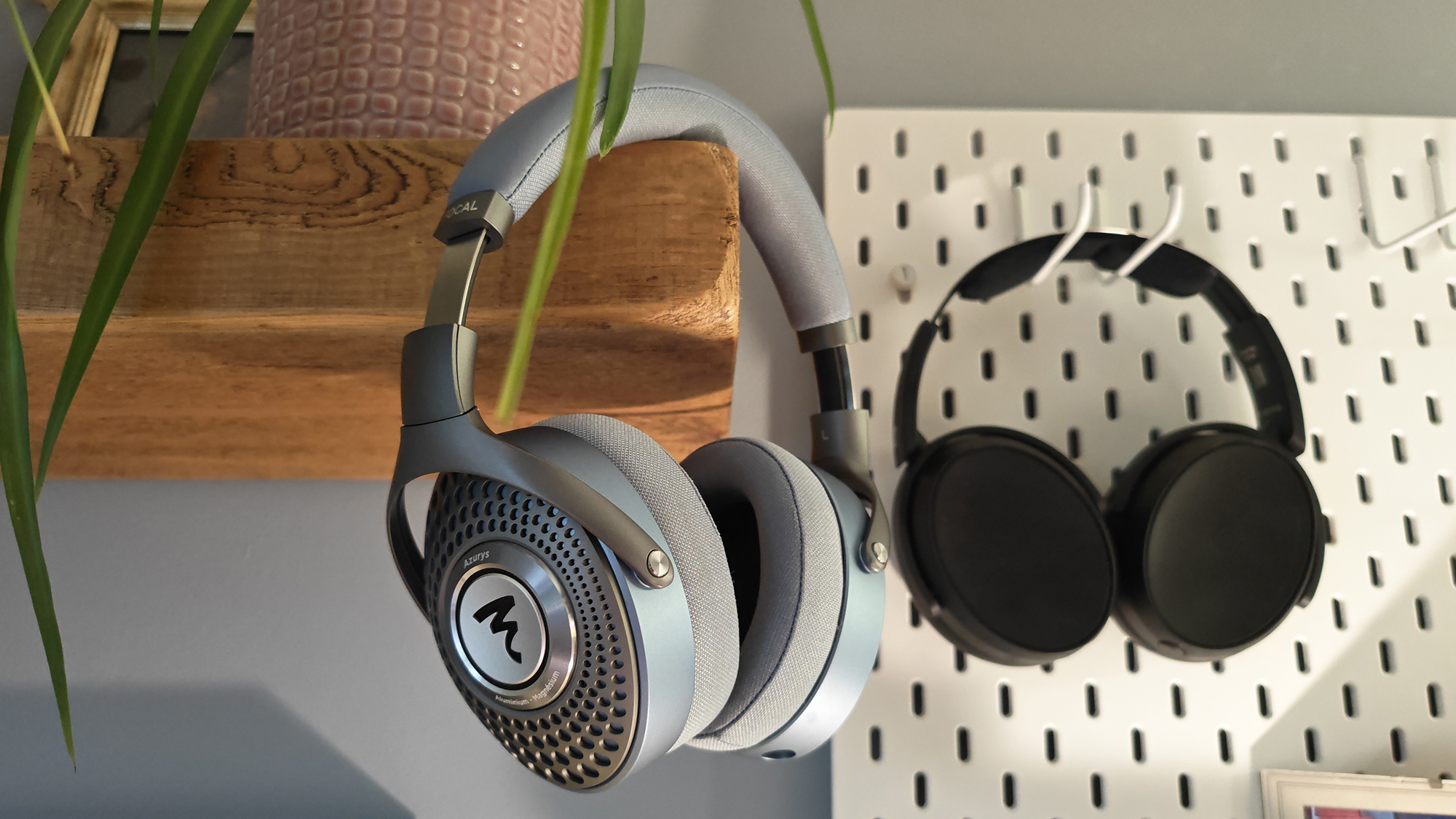
Compared to the Focal Azurys, which retail around $599 (frequently discounted to approximately $449), the HD 480 Pro matches the physical bass slam while maintaining a cleaner, more controlled upper register. While the Azurys leans toward a dynamic V-shaped sound profile that prioritizes excitement—occasionally overshadowing the midrange—the Sennheiser maintains absolute tonal balance across the frequency spectrum.
Against the budget-friendly FiiO FT1, priced near $165, the HD 480 Pro demonstrates superior coherence. While the FT1 delivers impressive sub-bass quantity for its price point, its low-end presence occasionally infringes upon midrange clarity. The HD 480 Pro, conversely, separates low-end weight from vocal and instrumental clarity with surgical precision, operating more like an acoustic scalpel than a blunt instrument.
Ergonomics, Build Longevity, and Repairability
Long-term comfort remains a critical metric for studio professionals, and the HD 480 Pro excels in this category. The clamping force is evenly distributed by the stainless steel and plastic chassis, mitigating hotspot fatigue across the crown of the head—an issue common among single-band designs that typically force users to purchase aftermarket suspension straps.
Furthermore, Sennheiser’s design philosophy emphasizes product longevity and sustainability. The modular nature of the headphones ensures that wearable components, including the detachable cables and washable velour ear pads, can be easily replaced over the product’s lifecycle. By building a repairable ecosystem into a $399 studio tool, Sennheiser addresses the electronic waste concerns increasingly scrutinized by audio professionals and corporate buyers alike.
Market Implications and Final Verdict
The launch of the Sennheiser HD 480 Pro establishes a new benchmark for what audio engineers and discerning listeners should expect from closed-back monitoring headphones. By solving the acoustic compromises historically associated with sealed ear cups—such as internal resonance and muddy bass response—without resorting to fatiguing high-frequency boosts, Sennheiser has crafted a reliable, durable, and highly accurate tool.
While the headphone may lack the visceral sonic fireworks or exaggerated treble sizzle sought by consumers who prefer V-shaped sound signatures, its uncompromising commitment to timbral accuracy, passive isolation, and physical comfort makes it an exemplary investment for tracking, mixing, and critical listening applications. For professionals and enthusiasts seeking an honest, fatigue-free audio reference that will endure decades of daily use, the Sennheiser HD 480 Pro stands as the definitive closed-back option in its class.
