
The rapid ascent of Web3 technologies and the widespread adoption of digital assets have fundamentally altered the landscape of global finance. As decentralized finance (DeFi) platforms, non-fungible tokens (NFTs), and blockchain-based gaming ecosystems continue to expand, they bring with them a new set of sophisticated security challenges. While the promise of financial inclusion and transparency is significant, the lack of centralized oversight in these sectors has created a fertile ground for malicious actors, necessitating a comprehensive understanding of transaction mechanics and security protocols for both institutional and individual participants.

The Evolution of Web3 Financial Infrastructure
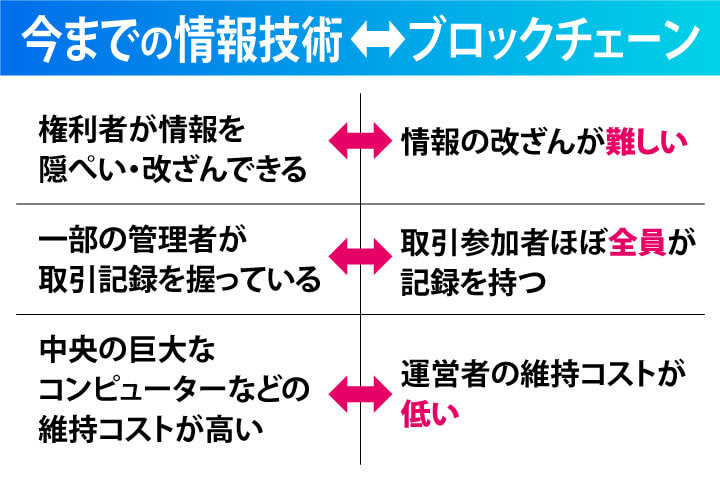
Web3 represents the next iteration of the internet, characterized by decentralized ownership, peer-to-peer transactions, and the removal of traditional intermediaries. At its core, the ecosystem relies on blockchain technology—an immutable, distributed ledger that records transactions across a network of computers. Unlike the legacy banking system, where transactions are verified by a central authority like a commercial bank or a clearinghouse, Web3 transactions are validated through consensus mechanisms and smart contracts.

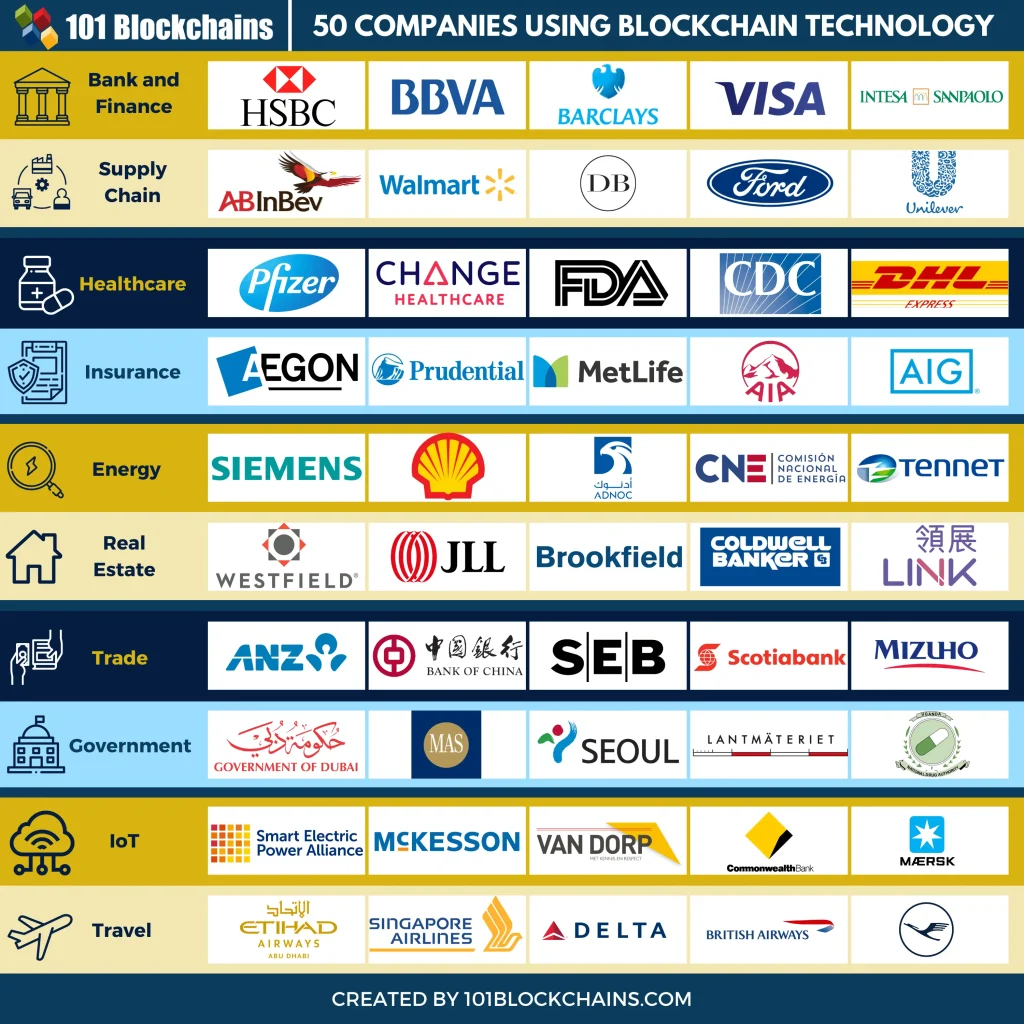
The shift toward this decentralized model has facilitated a surge in innovation, particularly in the realm of Play-to-Earn (P2E) gaming and decentralized autonomous organizations (DAOs). However, this shift has also introduced a paradox: as the barrier to entry for users decreases, the complexity of securing assets against sophisticated cyber threats increases. Financial institutions are increasingly exploring blockchain integration, but the retail sector remains the most vulnerable, often lacking the robust security infrastructure required to mitigate risks associated with private key management and smart contract vulnerabilities.

Analyzing the Mechanics of Digital Asset Transactions
A fundamental pillar of secure engagement with digital assets is the mastery of transaction mechanics. When an individual initiates a transaction, they are essentially interacting with a smart contract—a self-executing agreement with the terms of the contract directly written into lines of code. Unlike traditional bank transfers, blockchain transactions are irreversible. Once a transaction is broadcast to the network and confirmed by miners or validators, the assets are moved permanently.

This permanence is a double-edged sword. While it eliminates the risk of chargebacks and ensures the finality of settlement, it also means that errors or malicious interventions cannot be rectified by customer service departments. Consequently, the onus of security shifts entirely to the user. From wallet management to the vetting of decentralized applications (dApps), the user must operate as their own security audit team. This includes verifying the authenticity of smart contract addresses, understanding gas fees, and ensuring that no unauthorized permissions are granted to third-party platforms.

Security Threats: The Anatomy of a Breach
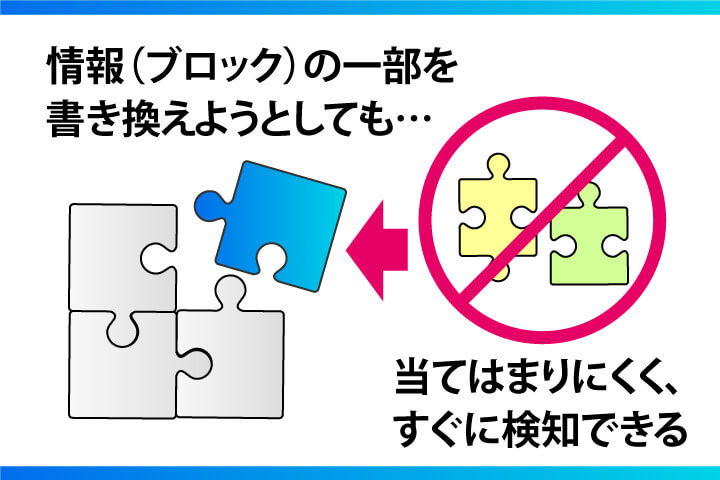
The rise of Web3 has coincided with an increase in malicious activities, ranging from phishing and social engineering to sophisticated smart contract exploits. Phishing remains the most prevalent threat, where attackers create deceptive interfaces that mirror legitimate decentralized exchanges (DEXs) to steal private keys or seed phrases. Once an attacker gains access to a wallet, they can drain all assets, including tokens and NFTs, in seconds.

Furthermore, "rug pulls"—a form of exit scam where developers abandon a project after siphoning off investor funds—have become a significant concern in the DeFi and P2E sectors. These scams are often masked as legitimate development projects, utilizing aggressive marketing and false promises of high returns to attract liquidity. The absence of regulatory frameworks in many jurisdictions makes it difficult for victims to seek legal recourse, highlighting the urgent need for industry-wide security standards and user education.

Chronology of Risk Awareness
The development of security awareness in the Web3 space can be categorized into three distinct phases:

- The Exploratory Phase (2017–2020): During this period, the primary focus was on the technological capabilities of smart contracts. Security was often an afterthought, leading to high-profile hacks of early decentralized exchanges and the loss of millions in user assets.
- The Maturity and Integration Phase (2021–2022): As major institutional players began to explore blockchain technology, the focus shifted toward auditability and formal verification of code. However, this period also saw a massive spike in P2E gaming scams, as the popularity of these platforms outpaced their security measures.
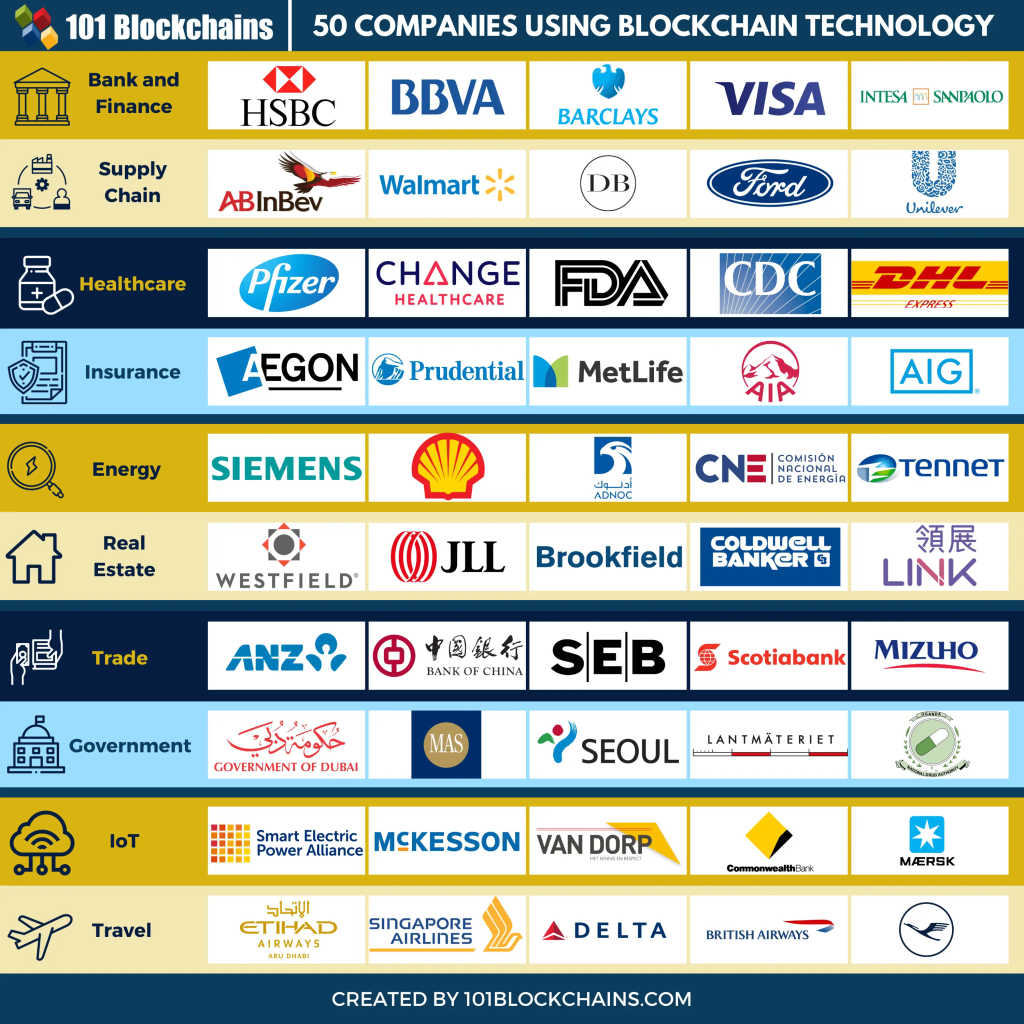
- The Resilient Infrastructure Phase (2023–Present): The current era is defined by a push for robust security frameworks, including multi-signature wallets, hardware security modules, and real-time on-chain monitoring tools. Major institutions like Visa and Mizuho have begun to signal interest in these technologies, which in turn necessitates higher standards for custody and risk management.
Data-Driven Insights on Asset Vulnerability
Statistical analysis of blockchain exploits indicates that the majority of asset losses are not due to vulnerabilities in the underlying blockchain protocol itself, but rather in the application layer—specifically, the smart contracts governing the interaction between users and the protocol. In 2023, data from leading blockchain security firms suggested that over 70% of DeFi hacks were the result of "re-entrancy" attacks or improper access control within smart contracts.
These figures underscore the importance of code audits. A smart contract that has not been thoroughly audited by a reputable third-party firm should be treated as high-risk. Furthermore, the correlation between market volatility and security breaches is notable; during periods of extreme market activity, the volume of attempted exploits increases, suggesting that attackers capitalize on the urgency and fear of missing out (FOMO) that often permeates the crypto market.
Institutional Responses and Regulatory Implications
Governments and international regulatory bodies have begun to respond to the systemic risks posed by the lack of standardization in digital assets. While the ethos of Web3 is inherently decentralized, the need for investor protection has forced a dialogue between developers and regulators. The implementation of Know Your Customer (KYC) and Anti-Money Laundering (AML) standards is becoming increasingly common, even within decentralized protocols, as they seek to gain legitimacy and institutional adoption.
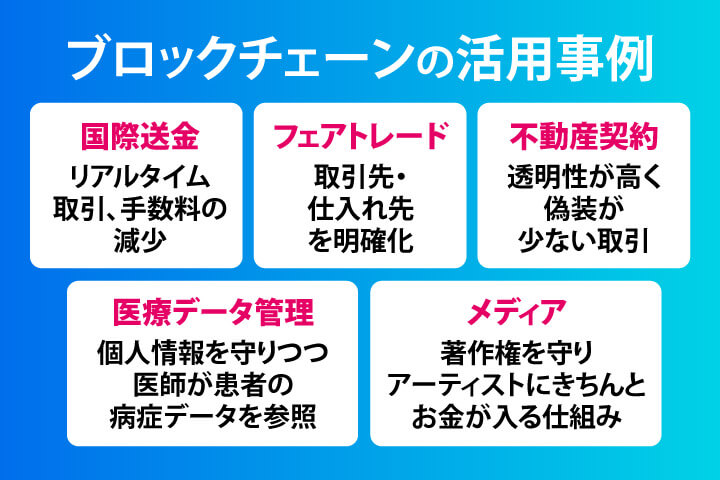
Major financial institutions are adopting a cautious but proactive approach. By partnering with blockchain security firms, these institutions aim to provide "institutional-grade" custody solutions that bridge the gap between traditional finance and the decentralized ecosystem. The goal is to provide the security and insurance of a bank with the speed and transparency of a blockchain.

Broader Implications for the Future of Finance
The long-term viability of Web3 depends on the industry’s ability to solve the "security-usability" trade-off. Currently, the most secure methods of holding assets—such as air-gapped cold storage—are often too cumbersome for the average user. Conversely, the most user-friendly interfaces often abstract away the security risks, leaving users vulnerable to backend exploits.
Looking ahead, we can expect a shift toward account abstraction—a development that allows for more flexible wallet features, such as social recovery of accounts and pre-authorized spending limits. These innovations could drastically reduce the impact of lost private keys or unauthorized access, effectively lowering the barrier to entry for non-technical users.
Furthermore, the rise of decentralized identity (DID) solutions will likely play a critical role in verifying the authenticity of platforms, reducing the effectiveness of phishing attacks. As the ecosystem matures, the focus must shift from pure speculation to the creation of sustainable, secure, and user-centric financial infrastructure.

Conclusion
The transition to a Web3-driven financial system is an ongoing process that carries inherent risks. While the technology offers unparalleled opportunities for efficiency and decentralization, it demands a high level of vigilance and technical understanding. Security in the age of blockchain is not a static goal but a continuous process of auditing, monitoring, and adapting to new threats.

For the individual user, the priority must be education: understanding how transactions are signed, vetting the platforms one engages with, and maintaining a diversified security strategy. For the industry, the challenge lies in building robust standards that protect users without stifling the innovation that makes Web3 a transformative force in the global economy. As we move forward, the convergence of traditional financial rigor and decentralized innovation will likely define the next chapter of digital asset evolution, paving the way for a more secure and accessible financial future for all.
