
The technology sector has spent the past several years saturated with generative artificial intelligence, transforming everything from software development to Hollywood production pipelines. Creative industries, in particular, have experienced unprecedented levels of disruption. Major software suites now integrate machine learning architectures by default, while startups promise radical operational efficiencies. For example, recent interviews with industry figures, such as Flow Studio co-founder Nikola Todorovic, highlight bold claims that artificial intelligence tools can slash film production costs by up to 95 percent and help stabilize a fractured entertainment landscape.
However, this pervasive technological pivot has also infiltrated hardware manufacturing. Consumers and professionals searching for high-performance mobile workstations are increasingly finding themselves unable to purchase traditional configurations. Instead, the market is saturated with devices bearing the letters "AI" appended to their product designations. This hardware-level shift forces many buyers into acquiring specialized processing units and integrated features tailored specifically for heavy neural network workloads, whether they requested them or not.
The Proliferation of AI Branding in PC Hardware
The personal computer market has long relied on marketing buzzwords to drive consumer interest, transitioning from megahertz races and multi-core processor milestones to discrete graphics capabilities. Today, the marketing spotlight rests firmly on the Neural Processing Unit (NPU)—a specialized processor core designed to handle machine learning tasks locally without heavily taxing the central processing unit or graphics card.
Major silicon manufacturers including Intel, AMD, and Qualcomm have completely restructured their roadmaps around NPU integration, promising enhanced battery efficiency and rapid local inference for AI applications. Consequently, original equipment manufacturers (OEMs) like Acer, ASUS, Dell, and HP have pivoted their product lines. Laptops ranging from entry-level consumer machines to high-end mobile workstations now prominently feature branding centered on artificial intelligence.
For many creative professionals—including graphic designers, video editors, and 3D artists—this branding often feels like an aggressive marketing push rather than a genuine utility. Skepticism is naturally high among users who view the acronym as a superficial attempt to drive up retail prices under the guise of next-generation innovation. Critics argue that forcing NPU capabilities into standard consumer tiers alienates buyers who require raw processing power, thermal performance, and color-accurate displays rather than automated background blurring or localized text generation.
Putting Hardware to the Test: Real-World Performance Analysis
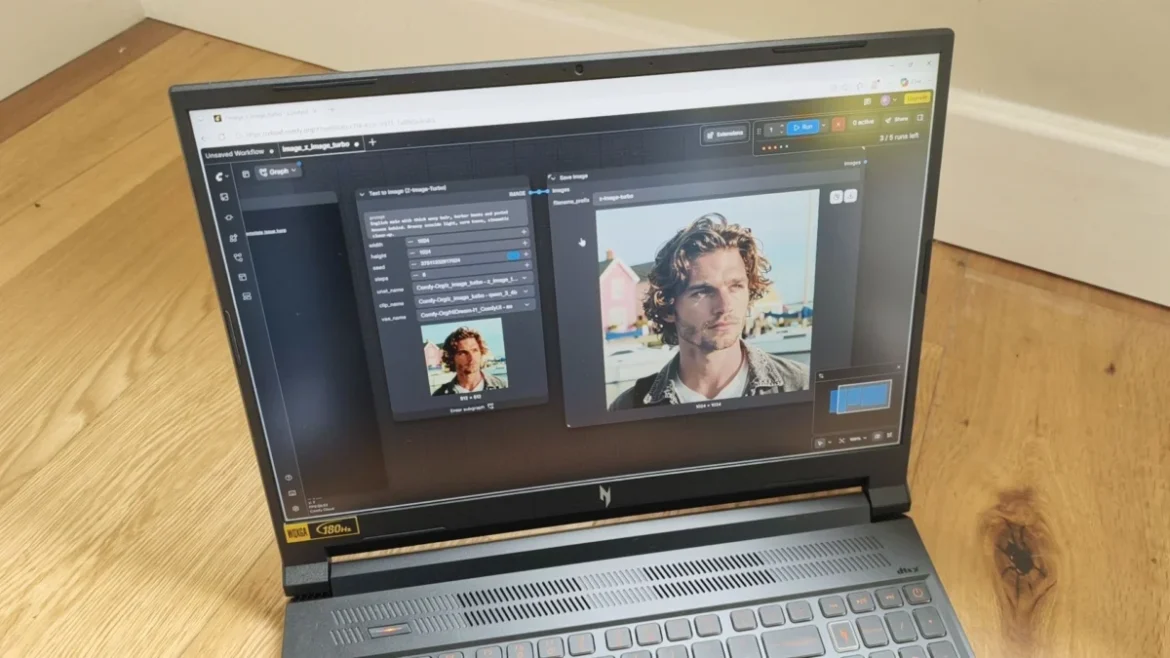
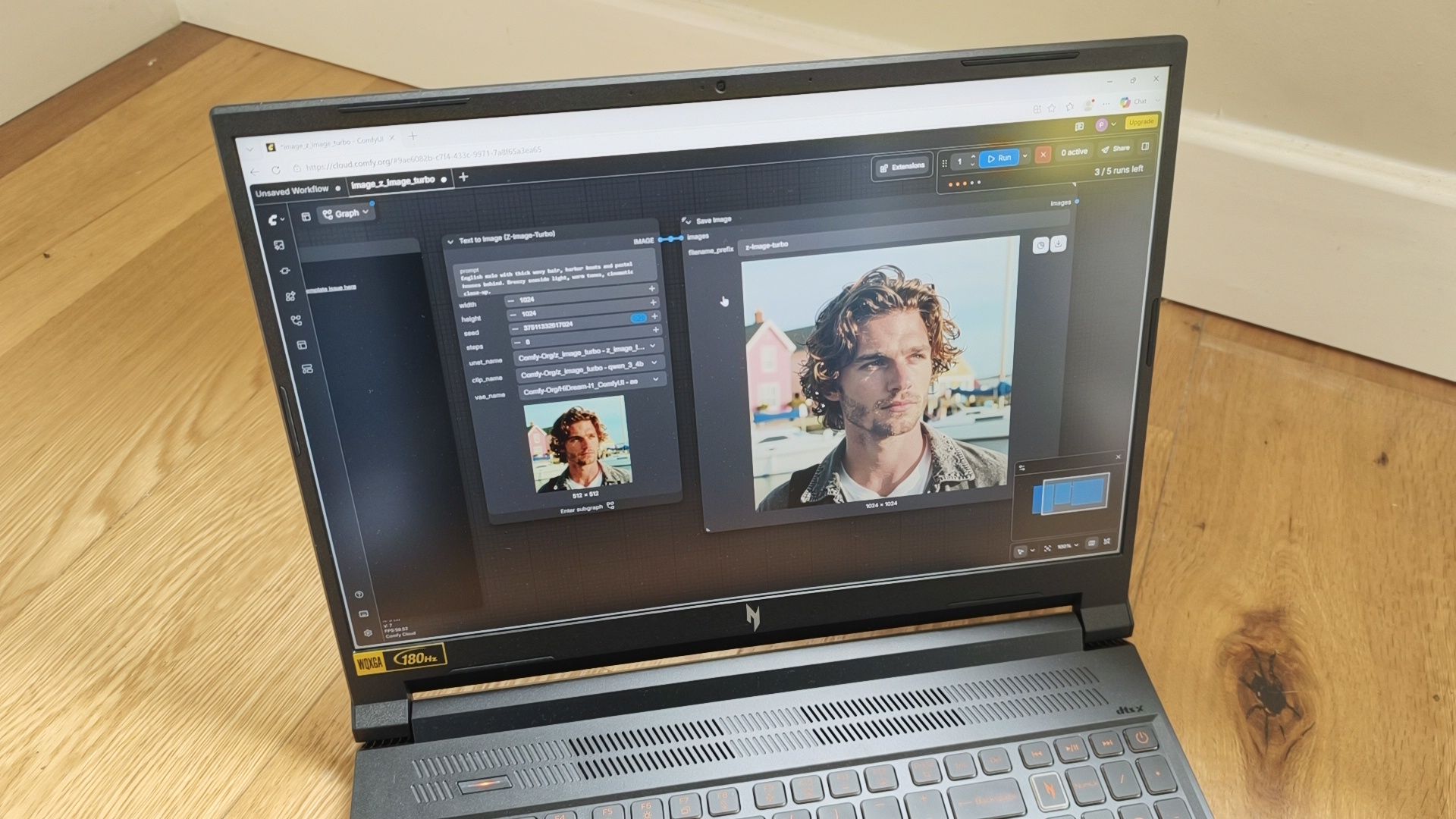
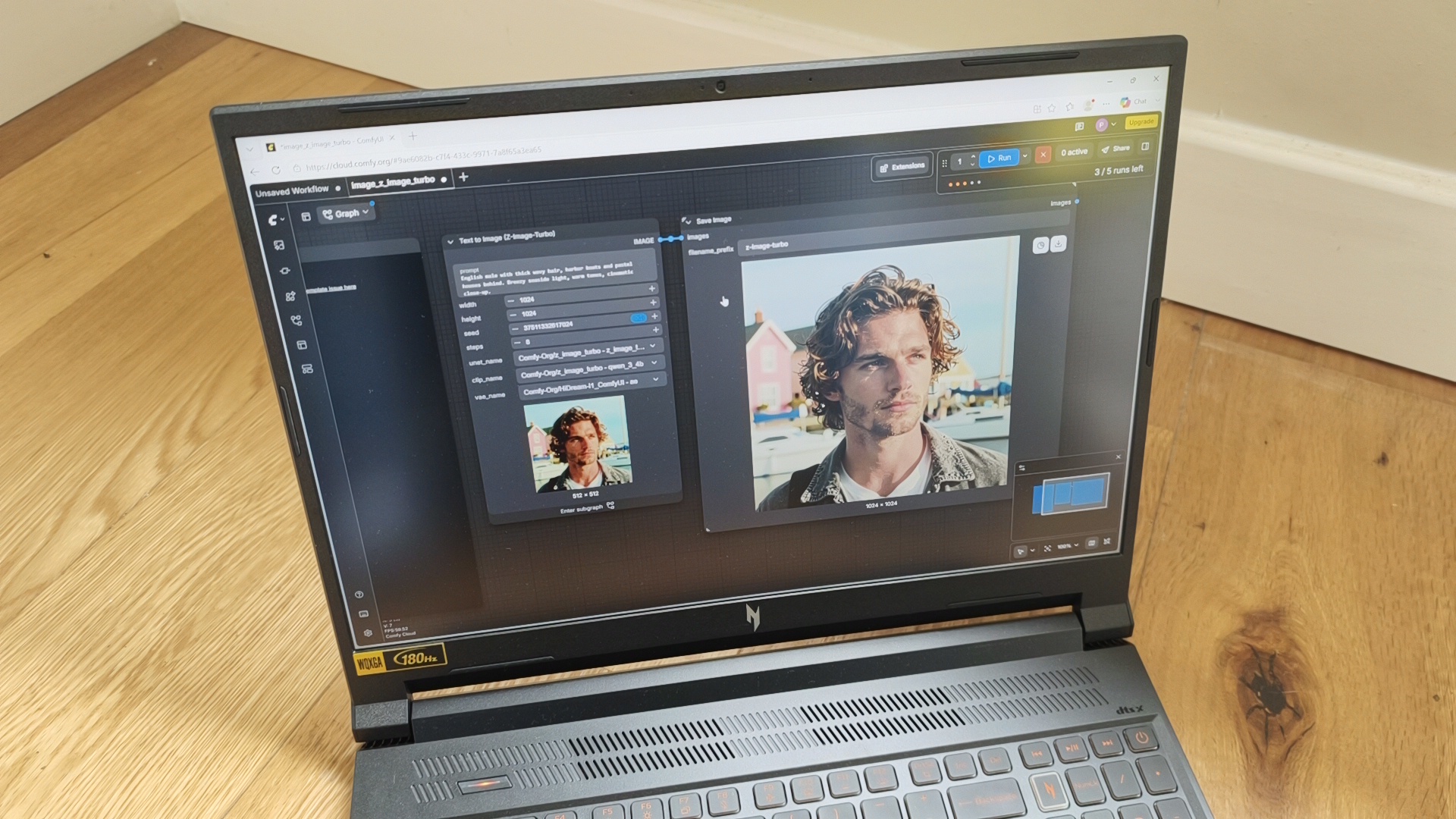
To determine whether these hardware shifts represent a functional upgrade or merely an expensive marketing gimmick, reviewers and technical analysts have begun subjecting these so-called AI laptops to rigorous real-world testing. A recent evaluation of the Acer Nitro V 16 AI, for instance, involved deliberately overwhelming the system with a diverse suite of demanding creative applications reliant on local machine learning processes.
Rather than collapsing under the heavy computational demands—a common expectation given the industry cynicism surrounding the hardware—the device handled complex workflows with unexpected stability. Testing parameters included running local node-based image generation platforms like ComfyUI, heavy generative fill and background manipulation tasks within Adobe Photoshop, and real-time AI-powered video and audio enhancements through NVIDIA Broadcast software.
The results indicated that modern hardware equipped with dedicated NPUs and robust graphical processing units can deliver responsive, reliable performance for specific creative tasks. Applications that previously required offloading intensive processing to cloud servers or straining traditional CPU architectures executed locally with notable speed. This practical validation suggests that while the marketing terminology surrounding these devices is undeniably aggressive and frequently overhyped, the underlying silicon architecture offers tangible benefits for distinct professional workflows.
Industry Implications and the Future of Creative Workstations
The intersection of AI-branded hardware and creative software development points toward a fundamental restructuring of how digital media is produced. As software developers increasingly optimize their tools to leverage localized NPUs, the demand for hardware capable of handling these specialized workloads will likely transition from an optional luxury to an industry standard.
However, hardware manufacturers must navigate consumer sentiment carefully. The risk of consumer fatigue is palpable; excessive buzzword utilization risks alienating the very demographic that relies most heavily on high-performance mobile workstations. If manufacturers continue to push aggressive labeling without clearly demonstrating distinct, measurable performance advantages for traditional non-AI tasks, they risk triggering buyer backlash.
Furthermore, industry analysts note the potential danger of market stratification. Should manufacturers introduce tiered categories such as "AI Pro" or specialized enterprise neural tiers, the baseline cost of professional-grade creative equipment could rise significantly. For independent artists, small studios, and educational institutions operating on strict budgets, access to reliable, high-performance computing hardware must remain a priority.
Ultimately, the current generation of AI-branded laptops sits at an awkward crossroads between aggressive marketing and genuine technological progress. While the branding often outpaces the practical utility for many everyday users, the underlying hardware improvements—particularly in energy efficiency and local processing capabilities—demonstrate that onboard machine learning components have a legitimate role to play in the future of creative production. The challenge for manufacturers moving forward will be to let the performance of their hardware speak for itself, rather than relying on ubiquitous buzzwords to drive sales.
