
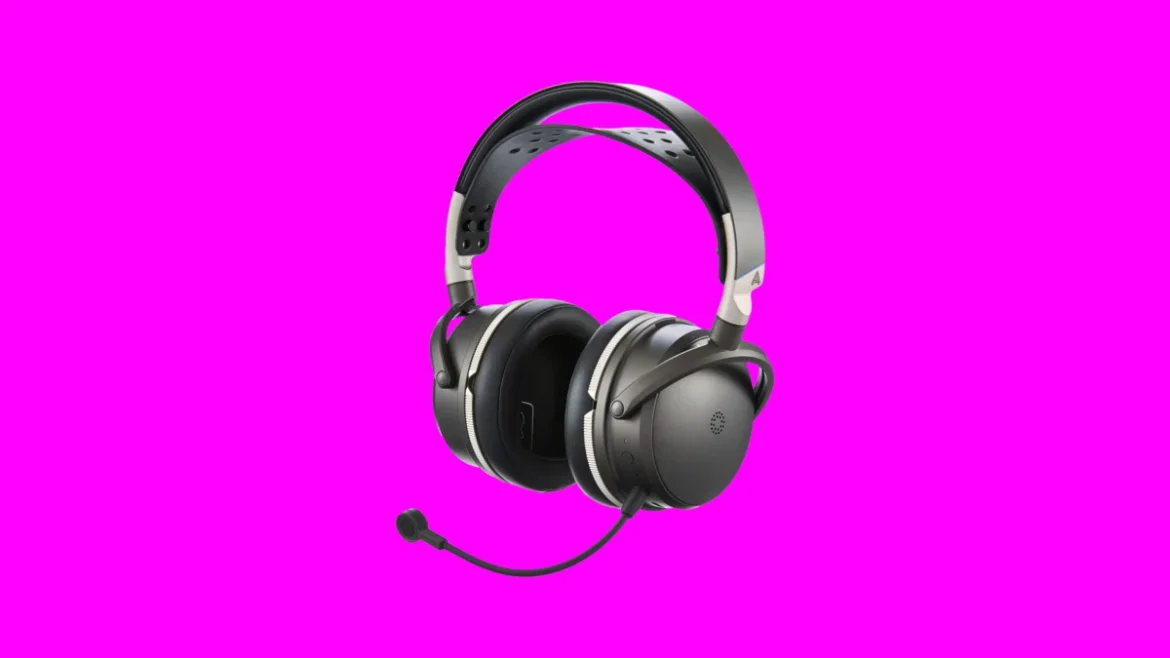
The consumer electronics market has witnessed a significant retail development as high-end audio manufacturer Audeze implements a rare price reduction on its flagship peripheral. For the current Black Friday shopping period, the first-generation Audeze Maxwell wireless gaming headset has dropped from its standard retail price of $299 to $199 directly through the manufacturer’s official sales channels. This $100 markdown represents a notable departure from the product’s historically stubborn pricing structure, offering consumers a rare opportunity to acquire studio-grade acoustic equipment at a substantially reduced cost.
Within the audio and gaming hardware industries, the Maxwell has maintained a reputation for excellence since its initial market introduction in January 2023. Unlike mainstream gaming peripherals that often prioritize exaggerated treble to highlight incidental competitive audio cues—such as distant footsteps—the Audeze Maxwell was engineered to bridge the gap between consumer gaming accessories and professional audiophile equipment. The resulting market response established a new benchmark for wireless audio fidelity, creating sustained consumer demand that has largely insulated the product from aggressive promotional discounting until now.
Historical Context and Market Release Chronology
To understand the significance of the current discount, it is necessary to examine the product’s release trajectory and market positioning over the past several years. When Audeze launched the Maxwell series in January 2023, the lineup was divided into two distinct configurations: a PlayStation-compatible variant priced at $299 and an Xbox-compatible version priced at $329. Both iterations immediately disrupted the competitive landscape by introducing planar magnetic drivers—technology typically reserved for high-end, studio-grade open-back headphones—into a closed-back wireless gaming headset framework.
The integration of 90mm planar magnetic drivers allowed the Maxwell to deliver a remarkably wide, accurate soundstage with exceptionally low harmonic distortion. Consequently, demand quickly outstripped initial production capacities throughout 2023 and much of 2024. Industry analysts noted that because the product sold consistently at or near its full retail value, third-party retailers and the manufacturer saw little commercial incentive to introduce widespread price cuts. The current Black Friday promotion marks one of the few instances where prospective buyers can access this tier of audio engineering below the $200 threshold.
Technical Specifications and Acoustic Engineering
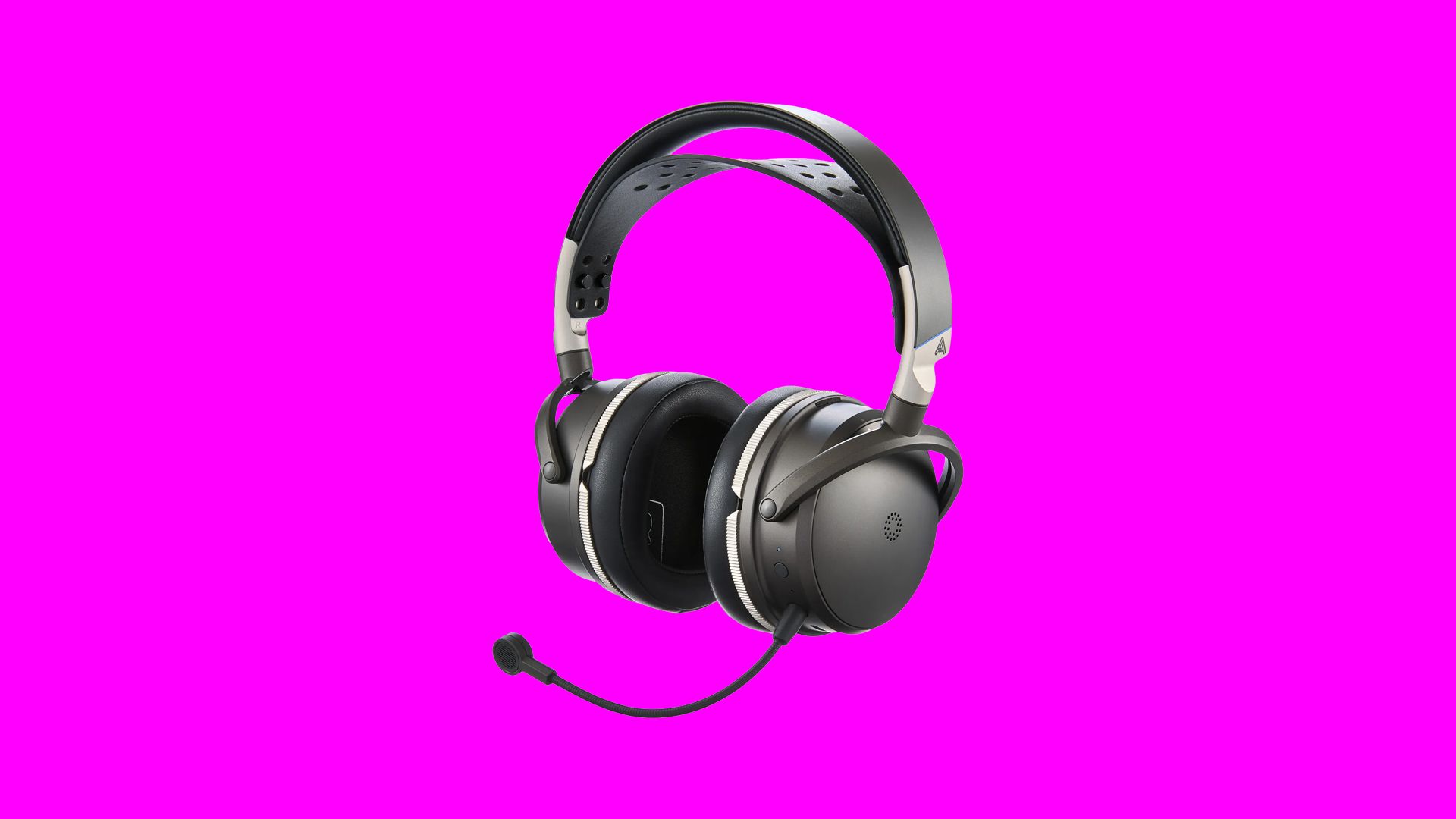
The enduring appeal of the first-generation Audeze Maxwell lies in its uncompromising hardware specifications. Central to its acoustic performance are the aforementioned 90mm planar magnetic drivers, which utilize ultra-thin diaphragms suspended in a magnetic field to move air uniformly across the surface area. This design yields rapid transient response times, superior clarity across the frequency spectrum, and precise instrument separation.
In addition to its acoustic drivers, the Maxwell incorporates advanced wireless connectivity features, supporting ultra-low-latency 24-bit/96kHz lossless audio via a proprietary USB dongle, alongside Bluetooth 5.3 with support for high-resolution codecs including LDAC. Battery performance further distinguishes the headset within the market, offering an industry-leading runtime of up to 80 hours on a single charge via USB-C fast charging. Communication capabilities are bolstered by a detachable boom microphone featuring Advanced
Noise Filter technology, powered by a dedicated AI processor designed to eliminate background room noise without degrading vocal clarity.
Comparative Analysis: Generation 1 Versus Generation 2
The timing of the current discount is particularly relevant given the recent market rollout of the Audeze Maxwell 2, which introduced updated cosmetic faceplates and minor structural revisions earlier in the year. However, the release of the successor has prompted considerable discussion among audio enthusiasts and product reviewers regarding acoustic tuning preferences.
While the Maxwell 2 aimed to refine certain ergonomic and aesthetic aspects of the original design, audio purists have noted distinct differences in sound profile tuning. The first-generation Maxwell is widely regarded by industry specialists as possessing a richer, more visceral low-frequency response and greater warmth out of the box. Conversely, subsequent retuning in the second-generation model resulted in a tighter bass response that some critics argue sacrifices a portion of the original model’s immersive bodily impact. Furthermore, structural modifications in the newer iteration introduced a slight increase in overall weight. Consequently, the discounted availability of the first-generation Maxwell offers consumers not only a financial incentive but, in the eyes of many purists, access to the superior acoustic profile of the two generations.
Broader Implications for the High-End Gaming Audio Market
The strategic discounting of a premier-tier peripheral highlights broader shifts within the competitive audio landscape. As manufacturing costs fluctuate and consumer electronics brands vie for market share during peak retail periods such as Black Friday, even high-end, enthusiast-focused brands are increasingly utilizing targeted promotions to capture price-sensitive consumers who might otherwise settle for mid-tier alternatives.
For the broader industry, the longevity of the Audeze Maxwell demonstrates that hardware built upon fundamental acoustic engineering—such as planar magnetic transducers—can maintain relevance and consumer appeal across multiple product cycles. As competitors continue to introduce iterative updates emphasizing software features like active noise cancellation and spatial audio processing, the enduring demand for the Maxwell underscores a sustained consumer preference for raw driver performance and acoustic accuracy.
The $100 price reduction on the first-generation Audeze Maxwell is currently active through official retail channels, though inventory levels are expected to fluctuate given the heightened demand typical of the holiday shopping season.
