
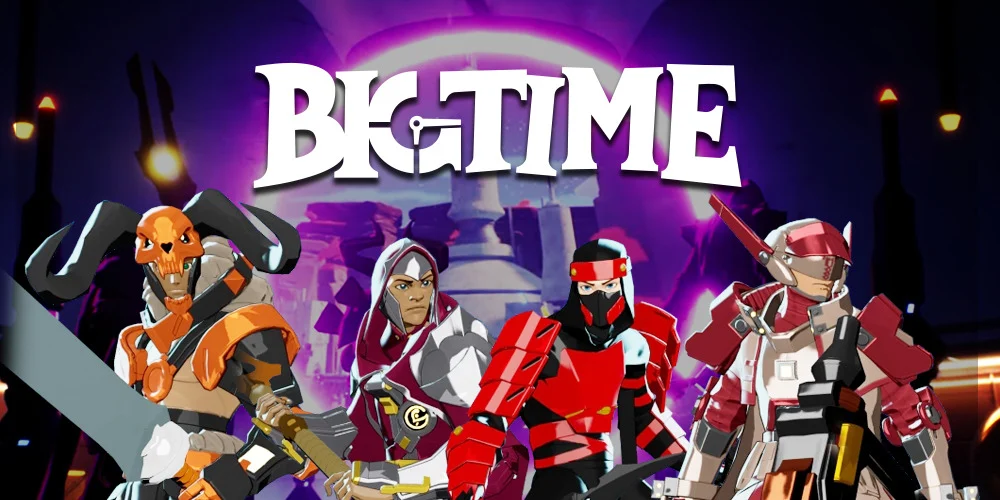
The landscape of global gaming is undergoing a seismic shift as the boundaries between traditional high-fidelity entertainment and decentralized finance continue to blur. At the forefront of this evolution is Big Time, a multiplayer online role-playing game (MMORPG) that has captured the attention of both the gaming community and blockchain enthusiasts. Developed by Big Time Studios, the project represents a significant departure from the early, simplistic "click-to-earn" models that characterized the first wave of blockchain gaming. By prioritizing high-quality gameplay, intricate lore, and a sustainable player-owned economy, Big Time seeks to prove that Web3 integration can enhance rather than detract from the core gaming experience. This comprehensive analysis explores the game’s mechanics, its complex economic structure, and its broader implications for the future of the digital entertainment industry.
The Genesis of a AAA Blockchain Experience
The development of Big Time began with a clear mission: to build a game that players would want to play regardless of its blockchain features. The project is led by Ari Meilich, the co-founder of Decentraland, and features a veteran team with experience at iconic studios such as Epic Games, Blizzard, Electronic Arts, and Riot Games. This pedigree is evident in the game’s production values, which include stylized, high-definition graphics and fluid, fast-paced combat mechanics.
Unlike many early NFT-based games that required significant upfront investment, Big Time adopted a free-to-play model. This decision was pivotal in lowering the barrier to entry, allowing the game to compete directly with mainstream titles in the action-RPG genre. The game is set in a sprawling metaverse where players travel through time and space to uncover a mystery threatening the fabric of reality. This narrative framework provides a diverse backdrop for the game’s environments, ranging from prehistoric jungles to futuristic citadels.
Core Gameplay and Cooperative Mechanics
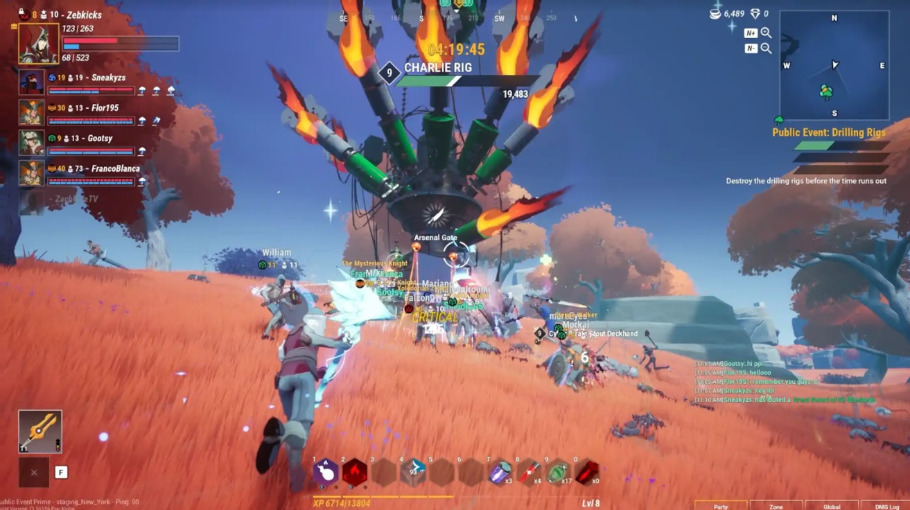
At its heart, Big Time is a cooperative action MMORPG that emphasizes group strategy and real-time combat. Players form parties of up to six members to explore procedurally generated dungeons, complete narrative-driven quests, and defeat challenging bosses. The game’s combat system is designed to be visceral and skill-based, requiring players to master timing, positioning, and class-specific abilities.
Character Classes and the Pocket Watch System
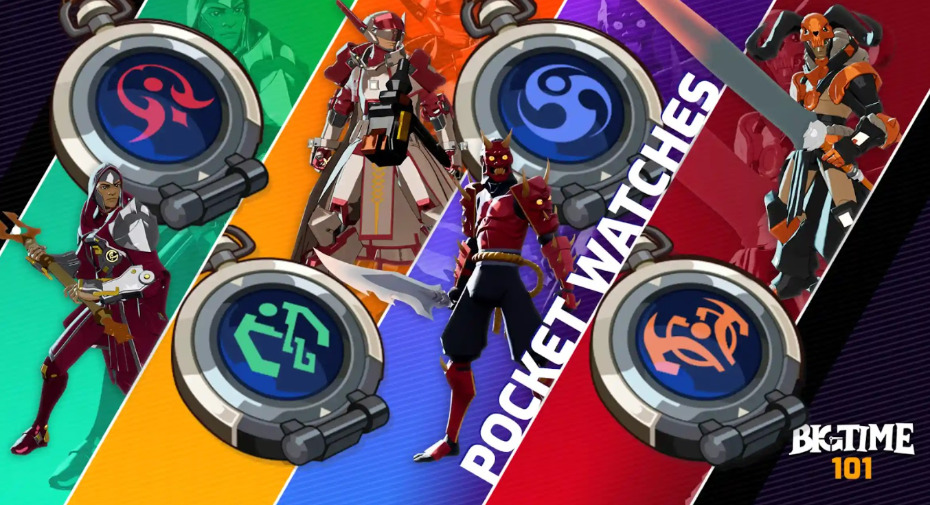
One of the most innovative features of Big Time is its flexible class system. Players are not locked into a single role; instead, they use "Pocket Watches" to switch between different classes as they progress. These watches act as character slots that store experience and skill points for specific roles. The four primary classes include:
- Time Warrior: The frontline tank and melee specialist. This class excels at absorbing damage and controlling the battlefield with high-impact physical attacks.
- Chronomancer: A powerful mage capable of dealing massive area-of-effect damage and manipulating time to slow enemies or accelerate allies.
- Shadowblade: The stealth-oriented assassin. This class focuses on high burst damage, agility, and the ability to strike from the shadows.
- Quantum Fixer: The essential support and healer role. This class utilizes advanced technology to mend allies and provide tactical buffs during combat.
The ability to switch classes allows players to adapt to the needs of their party without the necessity of creating multiple characters. This versatility is crucial for high-level dungeon raiding, where specific class compositions are often required to overcome complex mechanics.
The Tripartite NFT Ecosystem: Cosmetic, Utility, and Space
Big Time utilizes a sophisticated NFT structure that separates visual prestige from functional gameplay power. This distinction is vital for maintaining competitive balance, ensuring that players cannot simply "buy" victory.
Cosmetic NFTs
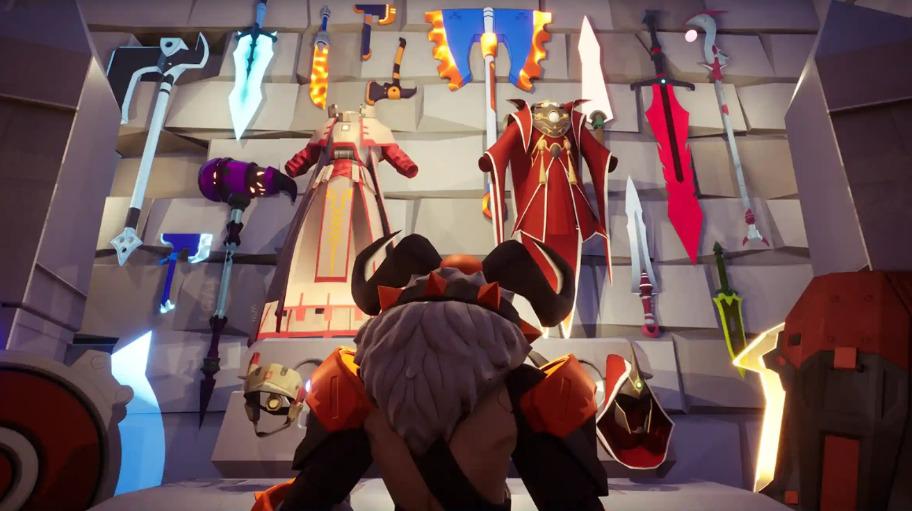
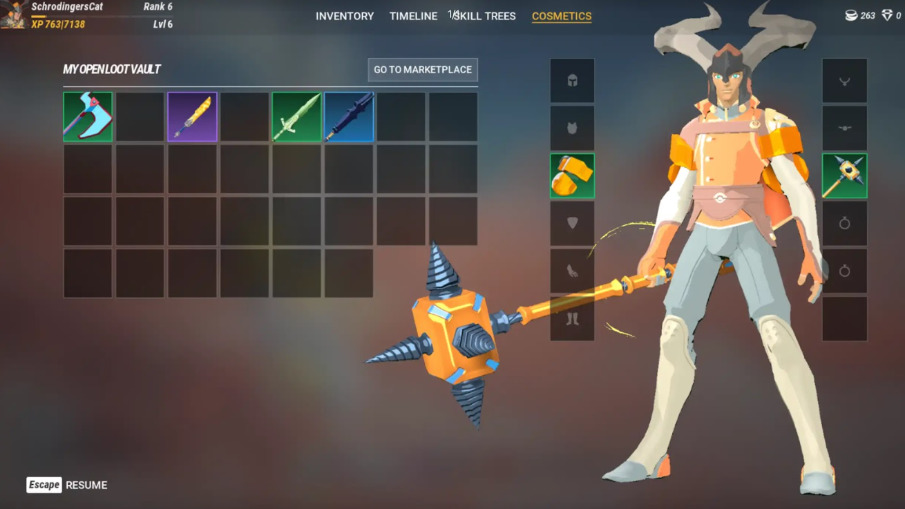
Cosmetic NFTs are the primary focus of the game’s collection aspect. These items, which include weapon skins and armor sets, alter the visual appearance of a character and provide unique animations or sound effects. Crucially, these items do not provide statistical advantages in combat. Their value is derived from rarity, aesthetic appeal, and the prestige associated with owning limited-edition digital assets.
Utility NFTs: Time Wardens and Armories
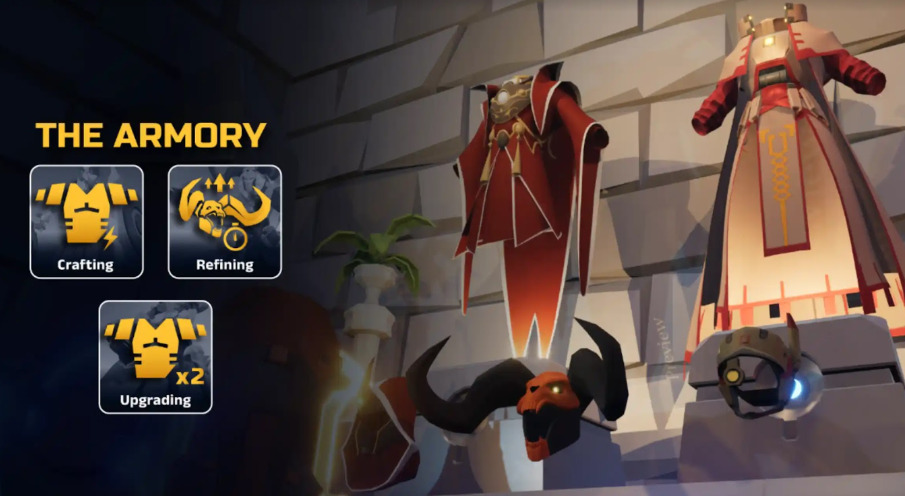
Utility NFTs are the engines of the game’s economy. The "Time Warden" is perhaps the most significant utility asset. These NFTs allow players to craft and upgrade "Hourglasses," which are required to earn the $BIGTIME token during gameplay. Other utility NFTs, such as Armories and Forges, allow players to craft cosmetic NFTs and refine the materials found within the game world.
Space NFTs: The Personal Metaverse
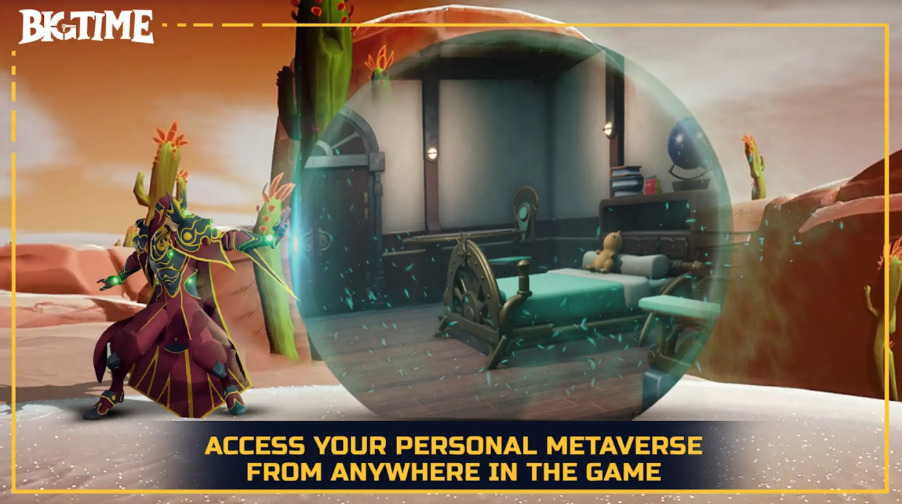
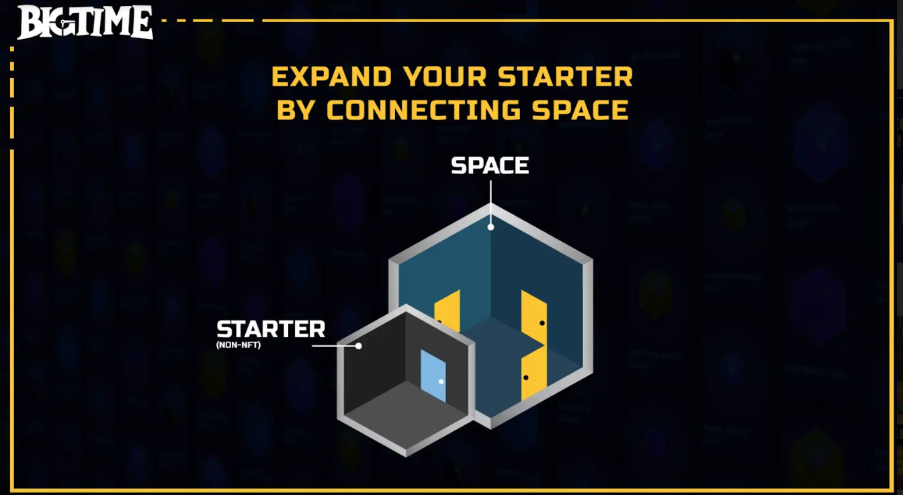
"Space" serves as the foundational land element in Big Time. It is a personal pocket dimension that players can customize and expand. Space NFTs come in various sizes (Small, Medium, Large, Epic, Legendary) and rarities. The size and rarity of a Space NFT determine how many utility NFTs (like Time Wardens) can be installed within it. This creates a tiered progression system where dedicated players or "digital artisans" can build large-scale production hubs to fuel the game’s marketplace.
The $BIGTIME Token and Game Economy
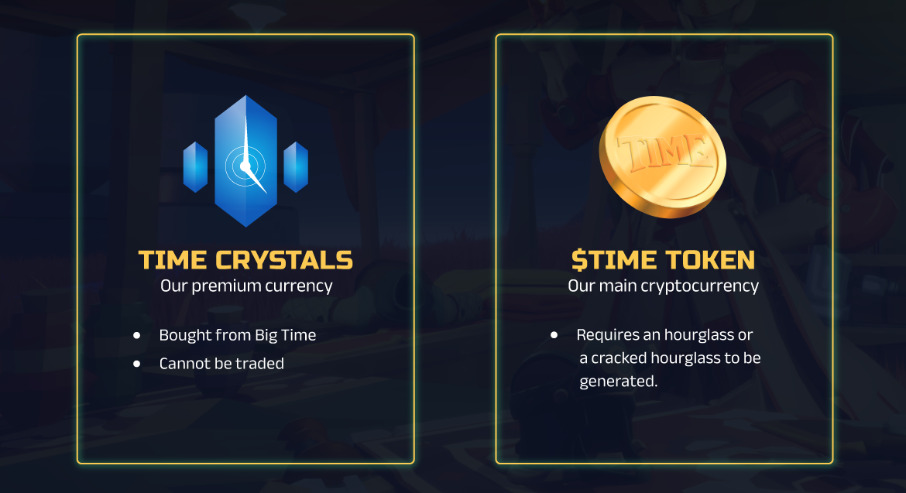
The $BIGTIME token is the native utility token of the ecosystem. In a strategic move to ensure long-term stability, the developers opted against a public pre-sale or initial coin offering (ICO) for the token. Instead, $BIGTIME is earned primarily through active gameplay.

Earning Mechanisms
To earn $BIGTIME, players must equip a functional Hourglass (produced by a Time Warden) and participate in high-level content. The rate of token generation depends on the rarity of the Hourglass and the difficulty of the challenges completed. This "proof-of-play" model ensures that the token supply is directly tied to actual engagement within the game.
Token Utility
The $BIGTIME token is used for various essential functions, including:
- Refining and crafting materials at Forges and Armories.
- Speeding up crafting timers.
- Accessing exclusive prestige portals and high-stakes dungeons.
- Purchasing premium items within the internal marketplace.
By creating a constant demand for the token through crafting and entry fees, the developers aim to balance the circulating supply, mitigating the inflationary pressures that have plagued previous blockchain gaming projects.
Chronology of Development and Market Impact
The journey of Big Time has been marked by a deliberate, phased rollout. Following its initial announcement in 2021, the game entered a "Gold Pass" early access phase in early 2022. This allowed a limited number of players to test the core mechanics and provide feedback.
Throughout 2022 and 2023, the game received several major updates, including the introduction of the "Space" expansion and the refinement of the crafting system. In late 2022, Big Time gained significant industry recognition when it was named "Game of the Year" at the inaugural GAM3 Awards, an event dedicated to the blockchain gaming sector. This accolade served as a validation of the team’s "gameplay-first" philosophy.
In October 2023, the game reached a major milestone with the launch of its Pre-Alpha economy and the listing of the $BIGTIME token on major global exchanges, including Bitget. This transition transformed Big Time from a closed testing environment into a live, functioning digital economy.

Supporting Data and Financial Implications
The economic impact of Big Time is reflected in its marketplace activity. Since its inception, the game has generated hundreds of millions of dollars in secondary market sales. During the initial "Space" NFT sale, the project saw unprecedented demand, with many assets selling out within seconds.
According to data from blockchain analytics platforms, Big Time consistently ranks among the top-performing Web3 games in terms of daily active users (DAU) and transaction volume. Unlike many competitors that saw a 90% drop in activity following the 2022 market downturn, Big Time maintained a resilient player base, largely attributed to its engaging combat loop and the perceived value of its cosmetic ecosystem.
Broader Impact on the Gaming Industry
Big Time serves as a critical case study for the mainstream gaming industry. Major publishers like Ubisoft and Square Enix have watched the project closely to understand how players react to digital ownership. The "Big Time Model" suggests that players are willing to embrace blockchain elements if they are presented as an optional layer that enhances the meta-game rather than a mandatory requirement for fun.
Furthermore, the game’s success has sparked a conversation about the "creator economy" within games. By allowing players to own the tools of production (Time Wardens and Forges), Big Time empowers its community to act as digital entrepreneurs, creating a symbiotic relationship between the developers and the player base.
Future Outlook and Roadmap
The future of Big Time involves a transition toward a full "Open Beta" and eventually a 1.0 release. The roadmap includes the introduction of new biomes, expanded social features, and the highly anticipated "Social Hubs" where players can interact in a shared metaverse space.
The developers have also hinted at cross-chain expansions and deeper integrations with third-party platforms, aiming to make Big Time a central node in the emerging interoperable Web3 ecosystem. As the technology matures, the goal remains to refine the balance between accessibility for casual players and the deep economic complexity required by the hardcore community.
In conclusion, Big Time represents a sophisticated synthesis of high-end game design and decentralized economics. By successfully navigating the pitfalls of early blockchain gaming and delivering a product that stands on its own merits as an action MMORPG, Big Time Studios has set a new benchmark for the industry. Whether it can maintain this momentum as it scales to a global audience will be the ultimate test of the "play-and-earn" philosophy. For now, it remains the standard-bearer for the next generation of digital entertainment.
