
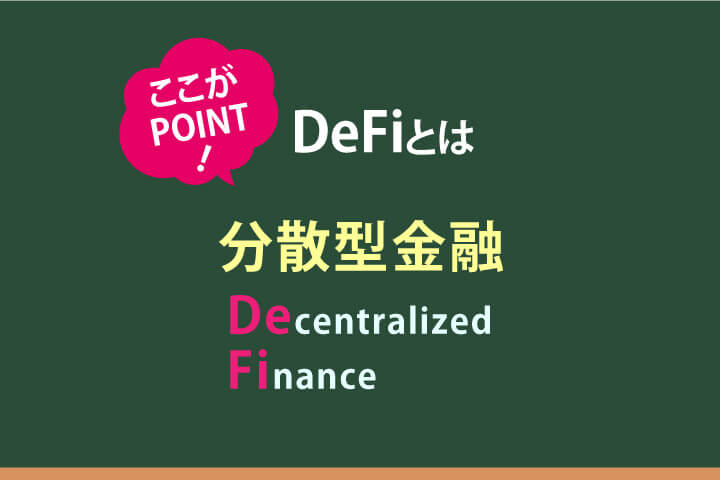
Decentralized Finance, commonly referred to as DeFi, represents a paradigm shift in the global financial landscape, moving away from traditional centralized intermediaries toward a trustless, automated system built on blockchain technology. As the digital economy matures, the promise of transparent, permissionless, and efficient financial services has moved from a theoretical concept to a multi-billion-dollar reality. By utilizing smart contracts on distributed ledgers, DeFi protocols enable users to engage in lending, borrowing, trading, and earning interest without the need for traditional banks, brokers, or clearinghouses.
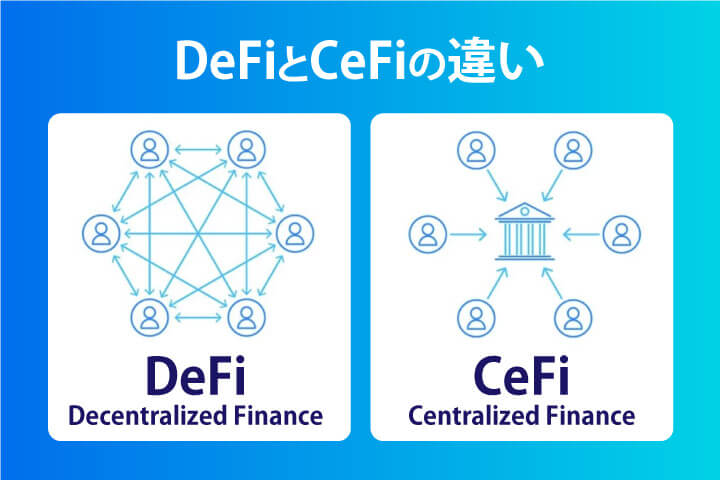
The evolution of DeFi is inextricably linked to the broader development of the Web3 ecosystem. While traditional finance—often categorized as CeFi (Centralized Finance)—relies on institutions like banks and exchanges to verify identities and manage transactions, DeFi replaces these gatekeepers with code. This shift is not merely technological but ideological, aiming to democratize access to financial tools for anyone with an internet connection.
The Foundational Architecture of DeFi
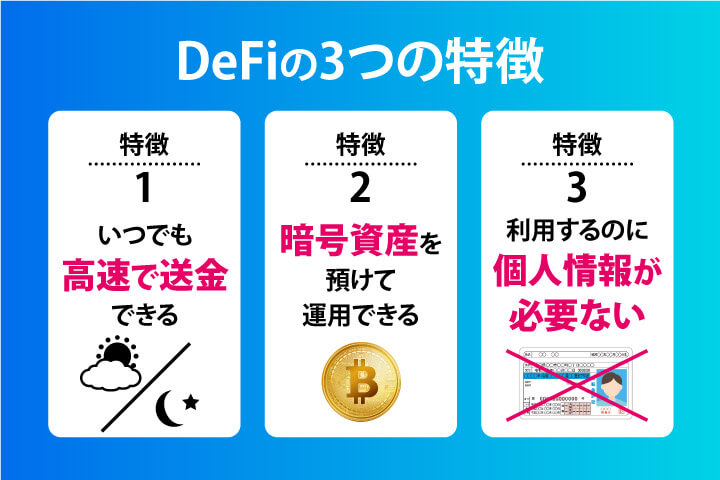
At its core, DeFi functions through Decentralized Applications (dApps) that operate on public blockchains, most notably Ethereum. Unlike conventional banking, which operates during specific business hours and often involves lengthy verification processes, DeFi protocols are available 24/7, 365 days a year.

The primary components that facilitate this include automated market makers (AMMs), lending protocols, and decentralized exchanges (DEXs). AMMs, for instance, utilize mathematical algorithms to price assets, removing the need for an order book where buyers and sellers must match. This innovation allows for near-instant liquidity and execution, provided the protocol has sufficient capital locked within its liquidity pools.
Chronology and Growth: From Experimentation to Mainstream Integration
The rise of DeFi was catalyzed in the summer of 2020, an era often dubbed "DeFi Summer." During this period, the implementation of "yield farming"—a process where users provide liquidity to a protocol in exchange for governance tokens—led to a massive influx of capital into the ecosystem. The Total Value Locked (TVL), a key metric measuring the assets deposited into DeFi protocols, surged from under $1 billion in early 2020 to over $100 billion by late 2021.
This rapid expansion was not without volatility. The market experienced several "black swan" events, including the collapse of high-profile algorithmic stablecoins and various high-profile protocol exploits. These incidents highlighted the inherent risks of smart contract vulnerabilities and the importance of thorough security auditing. Despite these setbacks, the sector has shown resilience, with developers focusing on "DeFi 2.0" initiatives that emphasize sustainable liquidity, improved capital efficiency, and enhanced security protocols.
Comparative Analysis: DeFi vs. CeFi
To understand the implications of DeFi, one must compare it against the established CeFi model. In CeFi, institutions maintain custody of user funds. This provides a safety net—such as customer support, account recovery, and regulatory oversight—but it also introduces a single point of failure and the potential for censorship or fund freezing.
In contrast, DeFi prioritizes self-custody. Users retain control over their private keys, meaning no central authority can arbitrarily restrict access to their assets. However, this freedom places the entire burden of security on the user. If a user loses their private keys or interacts with a malicious smart contract, there is no "reset password" button or customer service desk to appeal to. This trade-off between institutional protection and individual sovereignty is the defining characteristic of the DeFi experience.
Supporting Data and Market Metrics
The scale of the DeFi market is best understood through its TVL metrics. Leading protocols such as Uniswap, Curve Finance, and PancakeSwap consistently rank among the highest in terms of volume and user engagement. These platforms provide the infrastructure necessary for the broader crypto market to function, allowing for the seamless exchange of tokens across borders.

Data from 2023 indicates that while the speculative fervor of the 2020-2021 bull market has cooled, the underlying utility of DeFi continues to grow. Institutional interest is shifting toward "Real World Assets" (RWA) tokenization, where physical assets like real estate, bonds, or commodities are brought onto the blockchain. This integration is expected to bridge the gap between traditional finance and DeFi, potentially unlocking trillions of dollars in liquidity.
Regulatory Implications and Future Outlook
The rapid growth of DeFi has not gone unnoticed by global regulators. Organizations such as the Financial Action Task Force (FATF) and various national security commissions are actively evaluating how to apply anti-money laundering (AML) and know-your-customer (KYC) regulations to decentralized entities.
The core challenge for regulators is the decentralized nature of these protocols. If there is no central headquarters or CEO, who is held accountable for compliance? This has led to the emergence of "permissioned DeFi," where institutions can participate in liquidity pools that require verified identities, attempting to balance the benefits of blockchain efficiency with the requirements of financial law.
Industry leaders suggest that the future of finance lies in a hybrid model. Rather than replacing traditional systems entirely, DeFi is likely to serve as the backend infrastructure for the future financial system. Banks may eventually run their internal ledgers on private versions of the same blockchains that power public DeFi protocols, creating a more interoperable and efficient global financial network.

Strategic Considerations for Participants
For individuals and institutions entering the DeFi space, the technical barrier to entry remains significant. The complexity of managing wallets, understanding gas fees, and evaluating the risk of impermanent loss in liquidity pools requires a baseline level of technical literacy.
Furthermore, users must prioritize the evaluation of smart contract risks. Before depositing funds into a protocol, market participants should look for:
- Audits: Has the code been reviewed by reputable third-party security firms?
- Governance: How are protocol changes decided, and is there a decentralized voting mechanism?
- Liquidity Depth: Is there enough TVL to ensure that the protocol can withstand market shocks?
Conclusion: The Road Ahead
Decentralized Finance stands at a critical juncture. It has proven its ability to create robust, automated, and global financial markets, yet it faces significant challenges regarding security, user experience, and regulatory alignment. As the technology matures, the focus is shifting from pure speculative yield generation to practical, real-world utility.
Whether DeFi will eventually supplant traditional banking or simply become a layer within it remains a topic of intense debate. What is clear, however, is that the principles of transparency, immutability, and decentralization are fundamentally altering the way the world perceives and interacts with money. As infrastructure improvements continue—such as the scaling solutions on Ethereum and the rise of multi-chain interoperability—the barriers to entry for mainstream users will continue to lower, paving the way for a more open and equitable financial future.

The journey of DeFi is a testament to the power of open-source innovation. It serves as a reminder that the most significant technological shifts often start on the periphery, driven by a community of developers and enthusiasts committed to building a system that is transparent by design and accessible by default. For those navigating this space, the imperative is clear: remain diligent, prioritize security, and stay informed as the industry continues to redefine the boundaries of what is possible in finance.
