
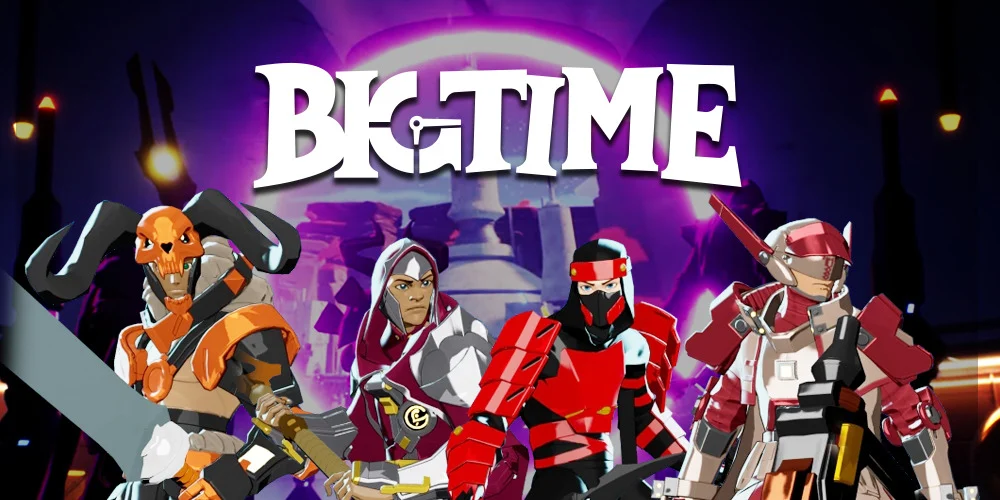
The intersection of blockchain technology and AAA video game development has long been a subject of intense industry scrutiny and cautious optimism. At the forefront of this convergence is Big Time, an ambitious multiplayer online role-playing game (MMORPG) that merges traditional action-RPG gameplay with decentralized digital asset economies. As the digital entertainment sector continues to mature, developers are increasingly tasked with balancing high-fidelity player experiences with sustainable financial mechanics, making Big Time a critical case study in the evolution of Web3 gaming.
Overview and Core Gameplay Mechanics
Big Time is designed as a multiplayer action role-playing game that marries fast-paced, dungeon-crawling combat with persistent player progression. Unlike many early Web3 titles that prioritized tokenomics over core gameplay, Big Time places a primary emphasis on delivering an engaging, AAA-quality experience reminiscent of traditional PC games. Players navigate procedurally generated dungeons, battle diverse enemy factions, and cooperate in parties to secure rare loot and specialized equipment.
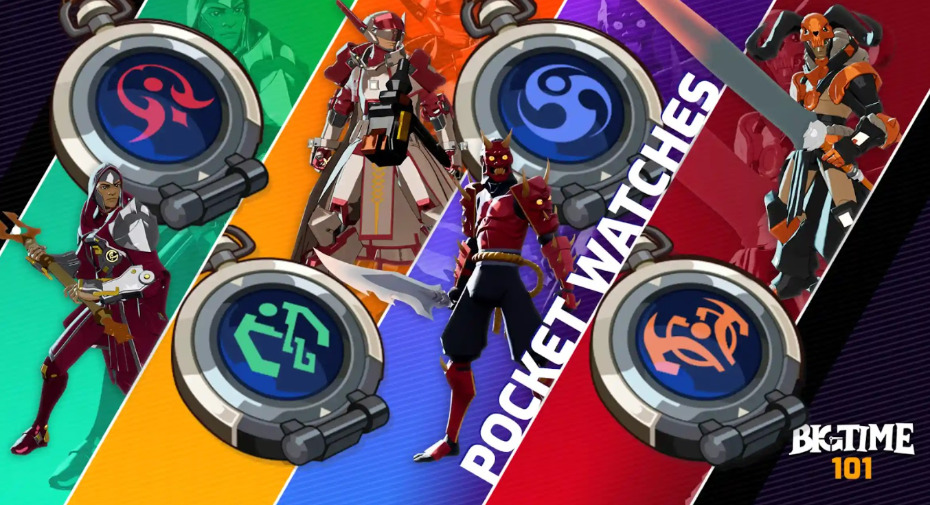
The game’s infrastructure leverages blockchain technology not as a disruptive overlay, but as an integrated utility layer designed to facilitate item ownership and trading. By incorporating features like pocket watches—rare items that allow players to switch character classes fluidly—Big Time offers a dynamic approach to class systems. This flexibility enables users to adapt to changing party needs without being permanently locked into a single playstyle, significantly enhancing replay value and strategic depth within party-based cooperative sessions.
Chronology and Development Timeline
The development of Big Time has been marked by strategic alpha releases and incremental community testing phases designed to stress-test both server infrastructure and economic loops.
In its initial rollout phases, Big Time Studios focused heavily on closed alpha tests restricted to early supporters, NFT holders, and community VIPs. These early windows allowed developers to gather crucial telemetry regarding server loads, combat responsiveness, and inventory management. By mid-2022, the project introduced expanded party systems, allowing groups of up to six players to tackle increasingly difficult cooperative dungeons together.
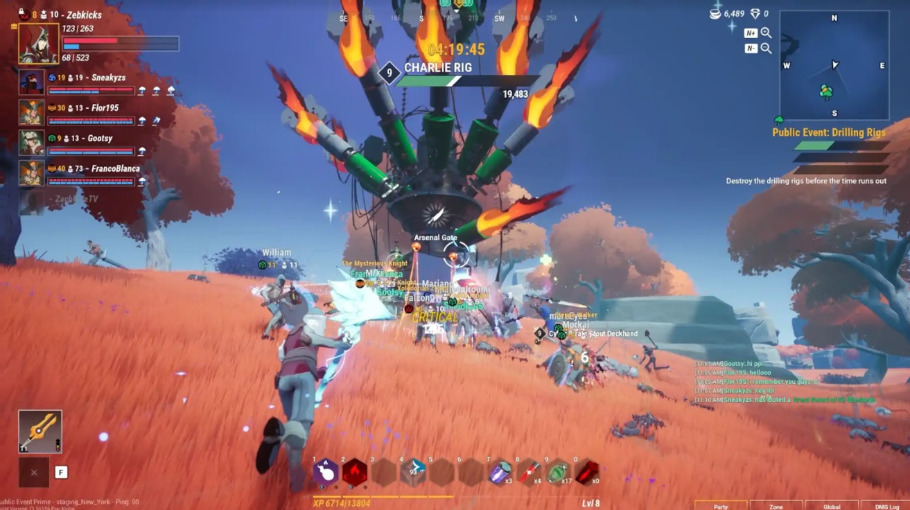
Subsequent updates introduced specialized mechanics such as in-game flares to help teammates locate one another across vast, procedurally generated maps, alongside the gradual rollout of sophisticated crafting systems. Throughout these phases, the development team maintained an iterative approach, adjusting drop rates and token generation speeds based on real-time player behavior to prevent hyperinflation and economic stagnation.
In-Game Economy and Asset Classification
The economic architecture of Big Time relies heavily on non-fungible tokens (NFTs) to establish digital scarcity and player ownership. Unlike centralized games where virtual items remain locked within closed servers, Big Time utilizes blockchain standards to ensure that cosmetics, weapons, and utility items can be traded freely among players.
The game categorizes its NFT offerings into three primary classes, each serving a distinct function within the ecosystem:
- Cosmetic NFTs: These digital assets provide purely aesthetic enhancements, allowing players to customize their avatars with unique armor skins, weapon effects, and visual flair without conferring direct statistical advantages in combat. This separation ensures that gameplay remains competitive and skill-based, preventing "pay-to-win" scenarios.
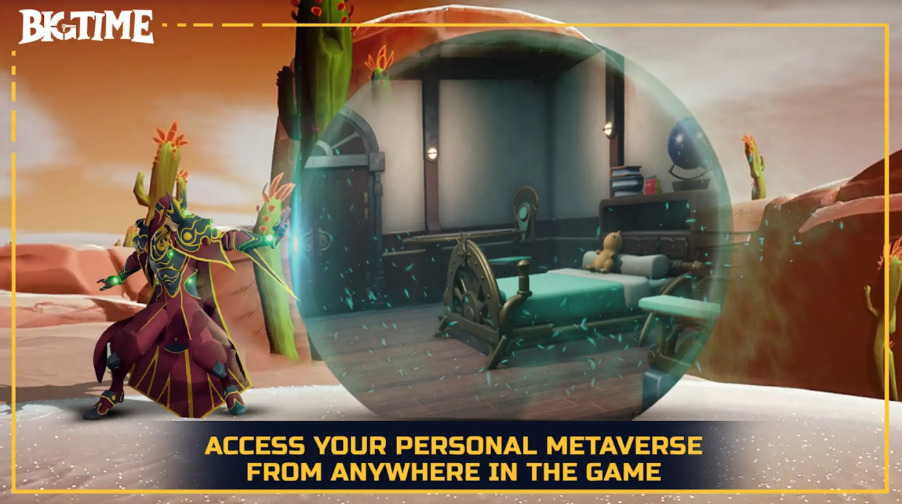
- Utility-Based NFTs: Designed for functional progression, utility NFTs grant access to specialized crafting stations, personal space modules (such as SPACE), and advanced dungeon tiers. These items are integral for players looking to actively participate in the game’s crafting and resource-generation loops.
- Space NFTs: Functioning as virtual real estate within the game universe, Space NFTs act as land plots where players can construct crafting forges and time-warden portals. These virtual land holdings are finite in supply, driving demand among active participants and guilds seeking to establish a dominant economic footprint.
Tokenomics and Dual-Currency Structure
To maintain long-term economic stability, Big Time utilizes a dual-token model consisting of Time Tokens ($BIGTIME) and Time Crystals. This separation of concerns allows developers to manage governance and utility separately from premium convenience features.
Time Tokens ($BIGTIME) function as the primary utility token within the ecosystem. Their distribution is tied directly to gameplay achievement, meaning players earn tokens by actively participating in dungeon runs, crafting items, and contributing to the community rather than through direct fiat purchases. This play-to-earn mechanism is supported by a fixed total supply, ensuring that token distribution rewards genuine engagement.
Conversely, Time Crystals serve as the premium currency within the game. Primarily used to accelerate crafting timers, repair durability, and unlock specific convenience features, Time Crystals are acquired through direct purchases or platform-supported channels. By separating the two currencies, Big Time prevents the rapid devaluation typically associated with single-token economic models while still offering monetization pathways for the studio.

Broader Market Implications and Industry Outlook
The rollout of Big Time reflects a broader maturation trend within the blockchain gaming sector. As initial speculative bubbles surrounding digital assets have deflated, developers and investors have shifted their focus toward sustainable gameplay loops and robust economic fundamentals.
The integration of blockchain mechanics into a AAA framework demonstrates that high-fidelity graphics and engaging combat can successfully coexist with decentralized ownership models. However, challenges remain. Balancing the influx of speculative capital with the needs of traditional gamers requires constant oversight, anti-inflationary measures, and responsive community management.
As Big Time continues to refine its open economy and expand its cross-platform accessibility, its performance will likely serve as a benchmark for future Web3 titles. Whether the industry can successfully transition from speculative hype to sustainable, player-driven economies depends heavily on the execution of models pioneered by projects like Big Time. Industry analysts and gamers alike will continue to monitor these developments as the boundary between traditional gaming and decentralized digital ownership continues to blur.
