

The intersection of cryptocurrency mining and national energy infrastructure has increasingly become a geopolitical and economic friction point across the globe. Nowhere is this tension more visible than in Iran, where intensive energy consumption by digital asset miners has exacerbated a severe national electricity crisis. Facing widespread power blackouts, severe water shortages, and mounting civil unrest, Iranian authorities have intensified their campaign against unauthorized crypto mining operations. In a span of just five months, law enforcement agencies—prompted by persistent grid instability—discovered and dismantled over 9,000 illicit mining farms, highlighting a systemic battle between the allure of digital currency and the hard limits of national power grids.
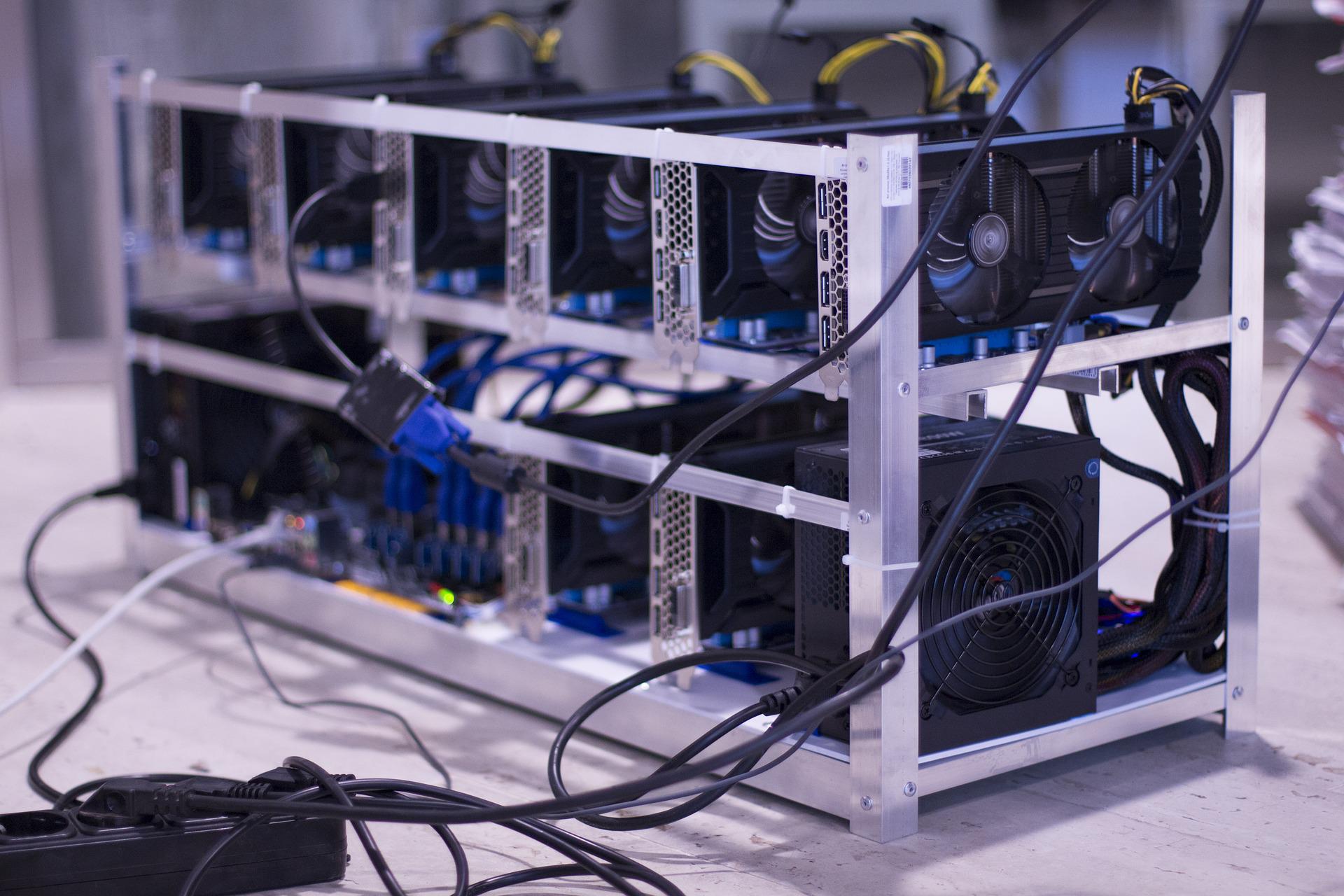
The scale of the crackdown reflects the immense pressure placed on Iran’s electrical grid. According to statements made by Kambiz Nazerian, the head of the Tehran Electricity Distribution Company, law enforcement and municipal authorities uncovered thousands of energy-guzzling devices hidden in various districts across the capital city of Tehran alone. These seizures are part of a broader, long-term national initiative aimed at curbing unauthorized energy drain. Earlier in the year, Iranian police confiscated approximately 7,000 illicit mining machines in a single sweeping operation, underscoring the pervasive nature of underground mining networks that operate outside the purview of state regulators.
To understand the severity of Iran’s current predicament, one must examine the economic and structural factors that initially drew miners to the nation. Iran boasts abundant reserves of fossil fuels, resulting in heavily subsidized electricity prices for its citizens. For tech enthusiasts, opportunistic entrepreneurs, and organized syndicates—including several foreign groups, notably from China—this cheap power represented a lucrative arbitrage opportunity. Mining cryptocurrencies like Bitcoin requires massive computational power, which translates directly into continuous, high-volume electricity consumption. By plugging into Iran’s subsidized grid, miners could generate digital assets at a fraction of the cost they would incur in nations with market-rate energy costs.
Compounding the issue, unregistered miners frequently bypassed standard commercial or industrial tariffs by setting up operations in public institutions and community spaces. Investigative reports indicate that a significant portion of these clandestine farms were established inside public infrastructure, including schools and mosques. By exploiting these locations, illegal operators not only stole electricity intended for public service and education but also leveraged government-subsidized utility frameworks designed to support communities rather than speculative digital asset generation.
The explosive growth of these operations did not occur in a vacuum; it had a direct, measurable impact on the daily lives of Iranian citizens. According to data from the Cambridge Bitcoin Electricity Consumption Index, Iran accounted for approximately 7.5% of the global Bitcoin hashrate during peak periods. However, this digital gold rush coincided with severe domestic strain. The country has repeatedly suffered from debilitating power outages and water shortages, phenomena exacerbated by both climate factors and the disproportionate draw of heavy computing machinery on an aging, oil-reliant energy grid.
These persistent blackouts have historically acted as catalysts for widespread national protests, placing immense political pressure on the government to stabilize the electrical supply. In response, authorities have deployed a dual strategy of seasonal bans and aggressive enforcement actions. In May, the Iranian government implemented a comprehensive four-month ban on all cryptocurrency mining operations across the country, aiming to reduce peak summer electricity demand and prevent grid collapse. Even with this blanket restriction in place, authorities found it necessary to proactively cut power to 118 licensed mining platforms during the hottest summer months when air conditioning and residential cooling systems pushed the grid to its absolute limits.
The regulatory environment for crypto mining in Iran has been characterized by shifting, often punitive measures. While licensed platforms are theoretically permitted to operate under specific state-approved guidelines, they are frequently subjected to mandatory shutdowns during periods of high seasonal demand in both summer and winter. Meanwhile, illegal operators face relentless policing. At the beginning of the previous year, state energy providers and law enforcement officials seized a staggering 45,000 Application-Specific Integrated Circuit (ASIC) machines—the specialized hardware used exclusively for mining proof-of-work cryptocurrencies. Tavanir, the state-run power generation and transmission company, has spearheaded many of these operations, actively tracing abnormal power consumption spikes to uncover hidden mining rigs.

The enforcement tempo has remained unabated. Earlier in the month leading up to the recent reports, authorities shuttered an additional 1,620 crypto mining operations nationwide. Utility data revealed that these closed entities alone had consumed an estimated 250 megawatts of electrical power over an 18-month period—an amount equivalent to the energy consumption of a small city, diverted entirely away from public utility use and into the accumulation of digital wealth.
The broader implications of Iran’s crackdown extend far beyond local law enforcement statistics. They point to a fundamental vulnerability in nations that combine heavily subsidized energy sectors with permissive or ambiguous regulatory frameworks for emerging technologies. When national infrastructure begins to buckle under the weight of digital asset generation, governments are forced to choose between supporting emerging technological sectors and ensuring the basic welfare of their citizens through stable electricity and water supplies.
Furthermore, the situation in Iran mirrors similar crises in other developing or energy-constrained nations. For instance, countries like Kosovo have similarly implemented absolute bans on cryptocurrency mining following emergency power crises that threatened national grid stability. These international parallels suggest that as global energy demands rise and climate pressures mount, governments will increasingly view intensive crypto mining not as an innovative financial frontier, but as a direct threat to national security and critical infrastructure.
As Iran continues its aggressive campaign to purge its grid of unauthorized mining hardware, the future of legal cryptocurrency mining in the country remains deeply uncertain. With state-run utility companies maintaining round-the-clock vigilance, utilizing advanced power-tracking algorithms, and coordinating directly with law enforcement, the era of easy, cheap crypto mining in oil-rich states is rapidly coming to a close. For miners operating in the shadows of Tehran and other major Iranian cities, the high risk of confiscation, hefty fines, and criminal prosecution now far outweighs the potential rewards of exploiting state-subsidized power grids.
