

The modern video game industry has continually sought intersections between traditional blockbuster entertainment and emerging financial technologies, yet few projects have commanded as much attention, capital, and high-profile creative direction as Off The Grid. Developed by Gunzilla Games, the groundbreaking third-person shooter (TPS) merges competitive multiplayer mechanics with an optional, player-driven economy built on blockchain technology. Designed for modern hardware platforms including PC, PlayStation 5, and Xbox Series X/S, the title represents a monumental shift in how AAA gaming studios approach digital ownership, player progression, and decentralized ecosystems.
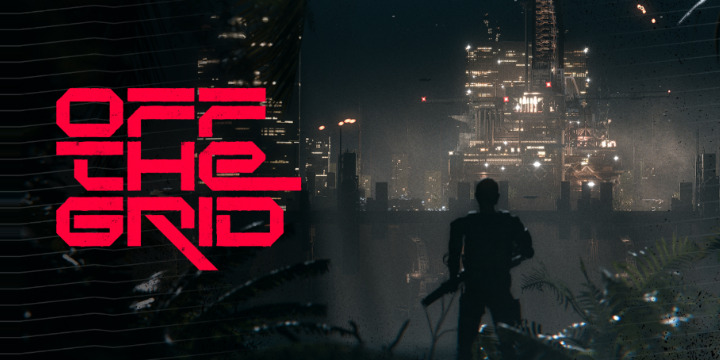
Conceived as a cyberpunk battle royale experience, Off The Grid distinguishes itself by abandoning traditional purely competitive structures in favor of a hybrid model. The game accommodates up to 150 players in intense PvP (Player versus Player) skirmishes while simultaneously weaving narrative-driven PvE (Player versus Environment) missions directly into the active live-fire zone. Players are not merely eliminated and sent back to a lobby; instead, they engage in dynamic, evolving storylines where every tactical decision affects the overarching operational landscape. This integration of a deep narrative campaign within a massive multiplayer battle royale framework has drawn favorable comparisons to genre giants while introducing unprecedented mechanics to the console market.
At the core of the title’s innovation is the proprietary GunZ blockchain network, developed specifically to support seamless in-game asset management without disrupting the core gameplay loop for traditional gamers. Digital items, ranging from custom weapons to cosmetic armor, can be discovered, earned, manufactured, and traded as Non-Fungible Tokens (NFTs). However, Gunzilla Games has repeatedly emphasized that the blockchain mechanics are entirely optional. Users who prefer a standard, non-crypto gaming experience can play through the entire title without ever interacting with digital wallets or marketplaces. For those who choose to participate, the ecosystem allows players to extract in-game gear, trade items with other users on decentralized marketplaces such as the GUNZ marketplace or via integrated platforms like Bitget Wallet, and maintain genuine ownership of their digital achievements.

The development pedigree behind Off The Grid further elevates its market significance. The project is helmed by visionary filmmaker Neill Blomkamp, best known for his Academy Award-nominated sci-fi masterpieces such as District 9, Elysium, and Chappie. Blomkamp’s creative influence permeates the title’s gritty, dystopian aesthetic, heavily featuring biomechanical prosthetics, corporate dystopian warfare, and visually striking industrial environments. Furthermore, Gunzilla Games boasts an executive roster composed of industry veterans from major publishing powerhouses, including Electronic Arts and Ubisoft, alongside strategic backing from prominent consulting firms like Boston Consulting Group (BCG). This heavy infusion of traditional AAA development talent has provided the studio with the institutional knowledge necessary to secure substantial financial backing.
The chronological evolution of Off The Grid reflects a calculated, multi-year deployment strategy designed to build anticipation while refining complex technical infrastructures. Initial conceptual phases began years prior to the official launch window, with major funding rounds closing successfully to establish the foundation of the GunZ platform. Early development milestones were punctuated by developer showcases, weapon reveals—such as the VA M172 assault rifle—and cinematic trailers that highlighted the title’s distinctive cyberpunk art style. By positioning the game across multiple platforms simultaneously, Gunzilla Games ensured that the technical hurdles associated with cross-play functionality and high-fidelity graphics were addressed early in the production cycle.

The economic framework supporting Off The Grid centers around its native utility token, designated as $GUN. Operating as the primary economic fuel for the GUNZ ecosystem, $GUN facilitates transactions, marketplace trades, and player rewards. The token bridges the gap between traditional gaming rewards and decentralized finance, allowing dedicated players to monetize their time and skill investment within the game. Market integration with established Web3 infrastructure, including Bitget Wallet, ensures that users can execute secure transactions, swap tokens, and manage digital assets with institutional-grade security. Industry analysts have closely monitored the deployment of $GUN as a potential litmus test for whether utility tokens can successfully sustain long-term player economies within AAA multiplayer environments without succumbing to inflationary pressures or speculative volatility.
The broader market implications of Off The Grid extend well beyond individual player experiences. For years, the intersection of blockchain technology and traditional gaming has faced skepticism from mainstream gamers, largely due to concerns regarding intrusive monetization, pay-to-win mechanics, and subpar game quality associated with early crypto-gaming projects. By prioritizing AAA

production values, engaging narrative design, and fluid combat mechanics first, Gunzilla Games has attempted to redefine the narrative surrounding Web3 gaming. If Off The Grid successfully maintains high concurrent player counts across PC, PlayStation 5, and Xbox consoles while keeping its blockchain elements seamlessly integrated yet strictly optional, it could establish a new blueprint for future titles seeking to incorporate player-owned economies.
As the industry moves through its ongoing development and operational phases, the performance of Off The Grid on major console ecosystems will be scrutinized by developers, investors, and consumers alike. The convergence of Hollywood-caliber cinematic direction, massive 150-player multiplayer scaling, and advanced digital ownership models positions the title as one of the most ambitious technological experiments in contemporary gaming history. Whether this hybrid model becomes the standard for future multi-platform releases or remains a unique outlier will depend on sustained player engagement, economic stability within the GUNZ marketplace, and the continued delivery of compelling narrative content.
