
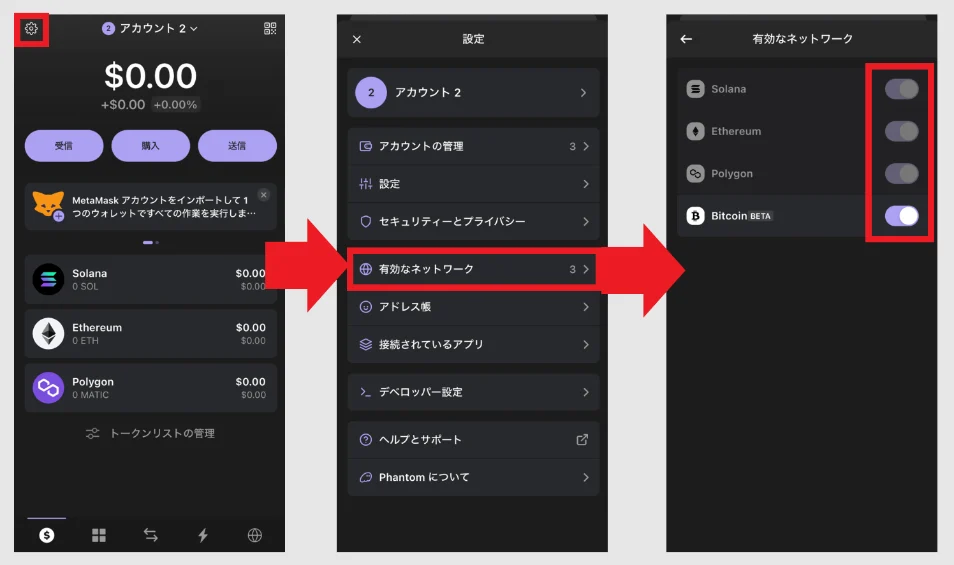
As the decentralized finance (DeFi) landscape and non-fungible token (NFT) ecosystems continue to expand exponentially, the demand for secure, intuitive, and multi-functional cryptocurrency wallets has never been more critical. Originally launched in April 2021 as a native digital asset storage solution tailored specifically for the Solana blockchain, Phantom Wallet has rapidly evolved into a powerhouse multi-chain application. Over the years, Phantom has transitioned from a specialized browser extension into a comprehensive Web3 gateway, supporting major blockchains such as Ethereum, Polygon, and Bitcoin. With its user-centric interface, robust security measures, and integrated trading tools, Phantom has positioned itself as an essential tool for both novice cryptocurrency enthusiasts and seasoned market participants. This extensive guide explores the core functionalities of Phantom Wallet, detailing its installation process, security protocols, multi-chain capabilities, and advanced trading features.
Background Context and the Evolution of Phantom Wallet
The inception of Phantom in early 2021 coincided with the explosive growth of the Solana network, which quickly gained traction due to its high transaction throughput, minimal fees, and sub-second finality. Developers realized that for Solana to achieve mainstream adoption, users required an interface that could seamlessly bridge the gap between complex smart contracts and everyday utility. Phantom emerged as the answer, offering a sleek, user-friendly experience reminiscent of MetaMask on Ethereum, but optimized for the speed and architecture of Solana.
Over subsequent updates, Phantom broadened its scope beyond a single-chain environment. Recognizing the fragmentation of liquidity across different blockchains, the development team integrated support for Ethereum and Polygon, allowing users to manage assets across multiple networks within a single interface. Furthermore, Phantom introduced robust hardware wallet integration, advanced token swapping capabilities, native staking options, and direct marketplace integration for NFTs. This strategic pivot transformed Phantom from a mere Solana tool into a universal Web3 command center, capturing significant market share in the competitive digital wallet sector.
Getting Started: Installation and Setup of Phantom Wallet
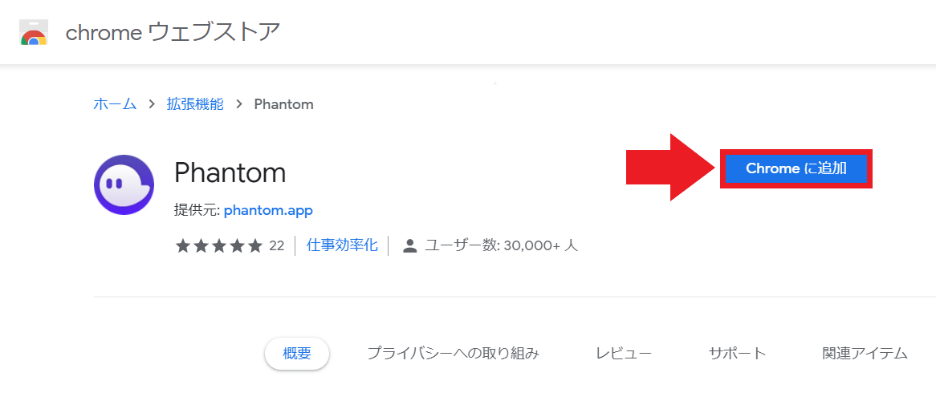
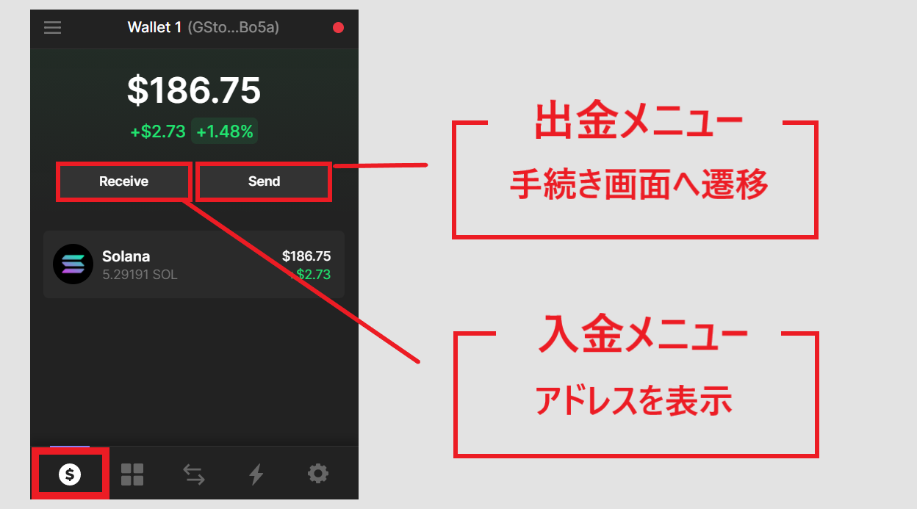
Setting up Phantom Wallet is designed to be straightforward, ensuring that users can transition from installation to asset management within minutes. The wallet is primarily available as a browser extension for Chromium-based browsers (such as Google Chrome, Brave, and Microsoft Edge) as well as Firefox, and it also features mobile applications for iOS and Android devices.
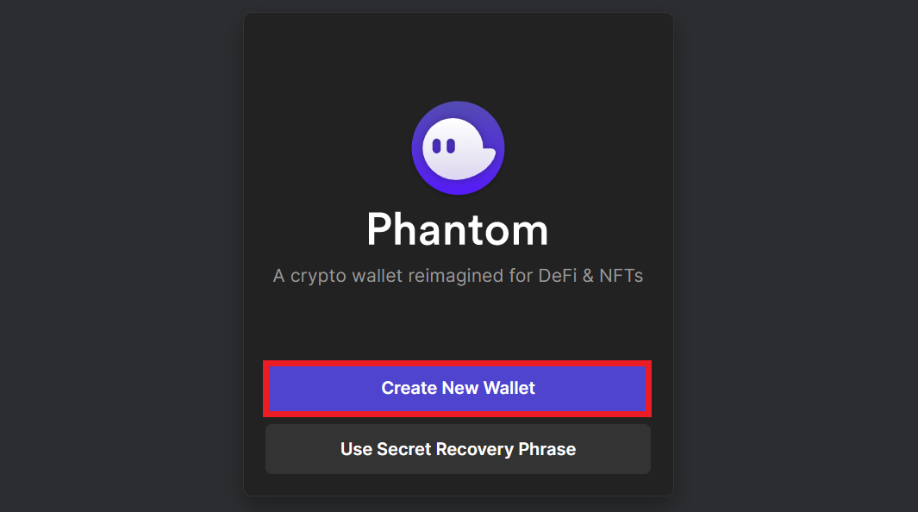
To begin the installation process on a desktop browser, users must navigate to the official Phantom website or trusted browser extension stores, ensuring they verify the URL to avoid phishing scams. Once the extension is added to the browser, users are greeted with a welcome screen that offers two primary options: creating a new wallet or importing an existing one via a secret recovery phrase or private key.
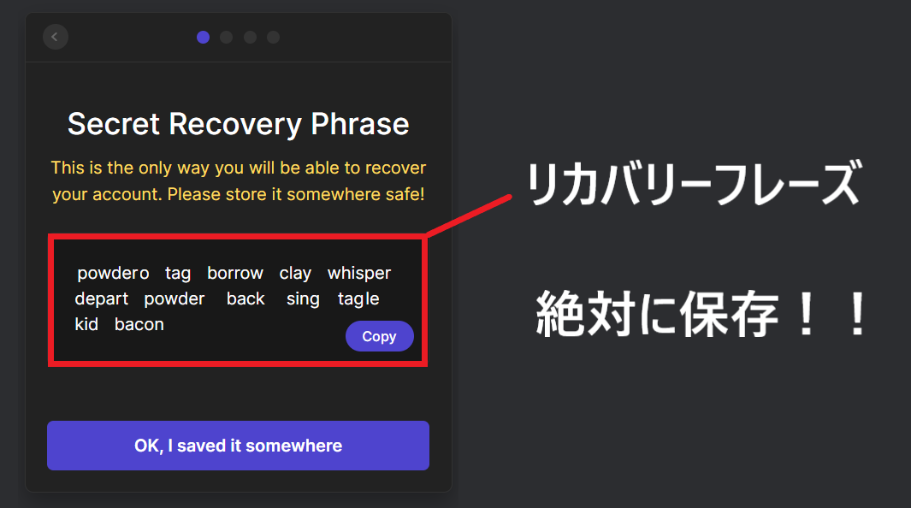
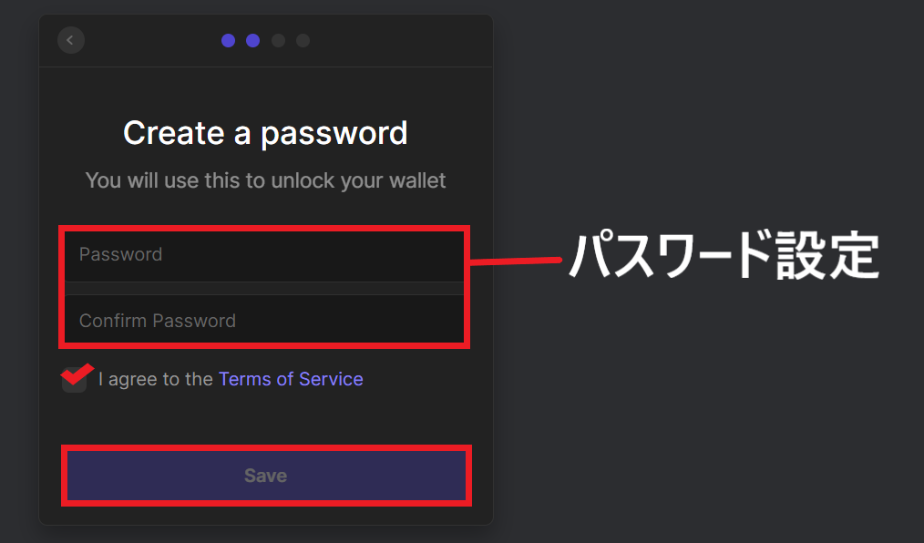
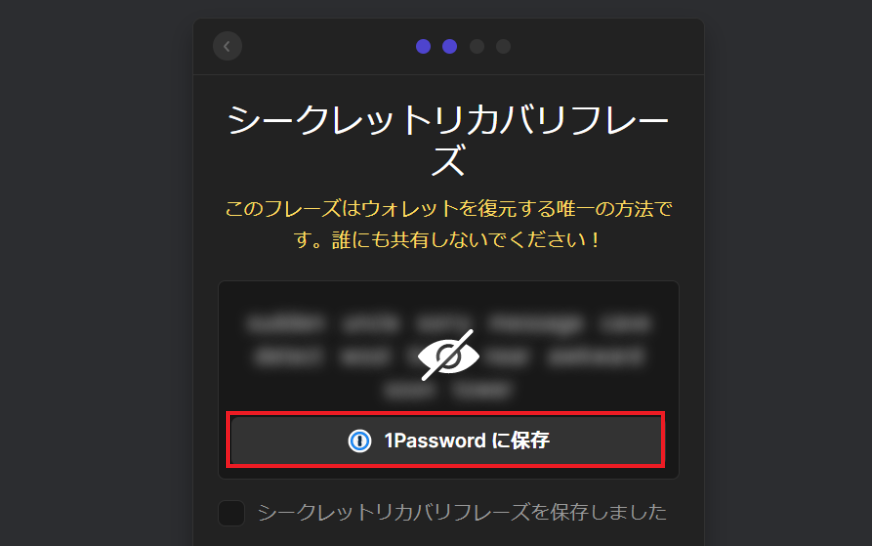
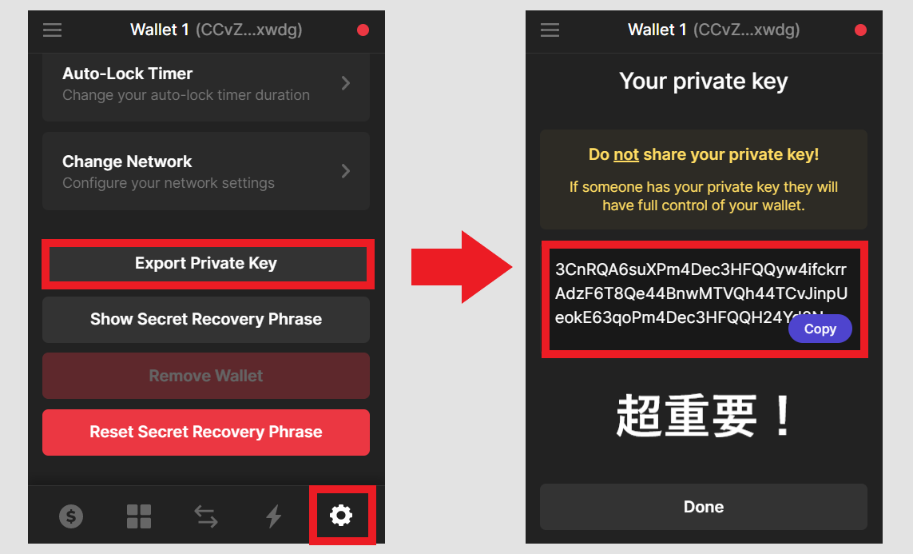
For new users selecting "Create New Wallet," the system generates a unique secret recovery phrase, typically consisting of 12 words. This phrase is the master key to the wallet and must be recorded accurately and stored offline in a secure location. Phantom prompts users to confirm this phrase before proceeding to prevent accidental loss of access. Following this, users establish a strong password, which serves as the local decryption key for the browser extension or mobile app. To streamline access further, users can integrate password managers like 1Password to securely store and autofill their credentials, though maintaining a physical backup of the seed phrase remains non-negotiable for disaster recovery.
Security Best Practices and Asset Protection
Security is the cornerstone of self-custodial cryptocurrency management. Because users retain absolute control over their private keys and funds, they also bear sole responsibility for their security. Phantom implements several layers of local encryption, but users must remain vigilant against common attack vectors, including phishing websites, malicious smart contracts, and unauthorized token approvals.
One of the most critical security features available within modern Web3 wallets is the ability to manage and revoke token approvals. When interacting with decentralized applications (dApps), users often grant protocols permission to spend specific tokens on their behalf. If a malicious or compromised dApp is later exploited, these standing allowances can pose a severe risk to the user’s remaining funds. Phantom allows users to review connected sites and revoke unnecessary or outdated approvals, mitigating long-term vulnerability. Utilizing dedicated third-party revocation tools or native wallet settings to audit and clean up active permissions is a vital habit for active DeFi participants.
Multi-Chain Support: Solana, Ethereum, and Beyond
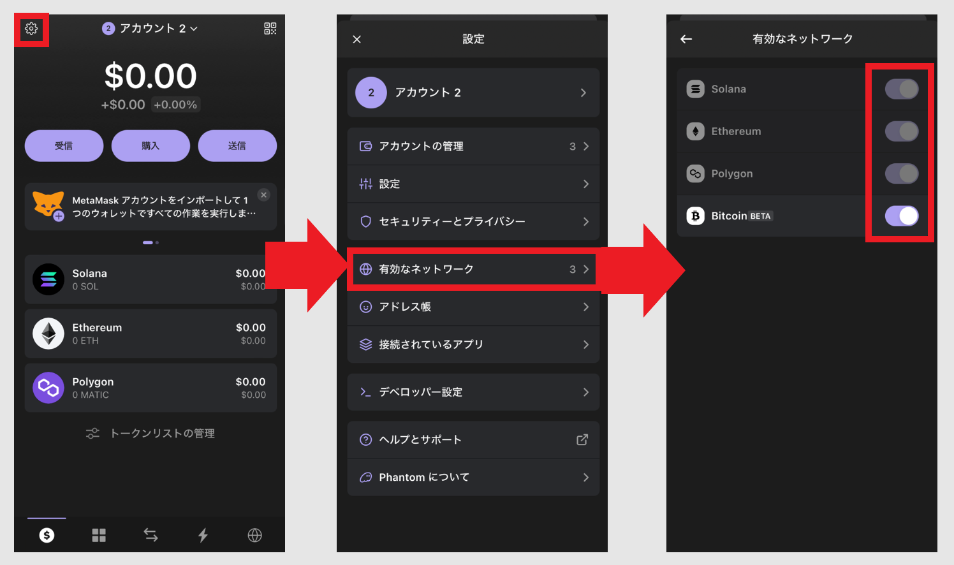
While Phantom built its reputation on Solana, its expansion into a multi-chain architecture represents a monumental leap forward in user experience. Users can now manage Ethereum and Polygon assets alongside their Solana holdings without needing to juggle multiple disparate extensions.
The multi-chain integration is powered by automated network detection and unified address management. When a user navigates to an Ethereum-based decentralized exchange or NFT marketplace, Phantom automatically prompts the user to switch networks or execute transactions on the appropriate chain. This cross-chain versatility eliminates friction, allowing traders to execute swaps, mint NFTs, and participate in liquidity pools across different ecosystems using a single master recovery phrase.
Native Staking and Yield Generation
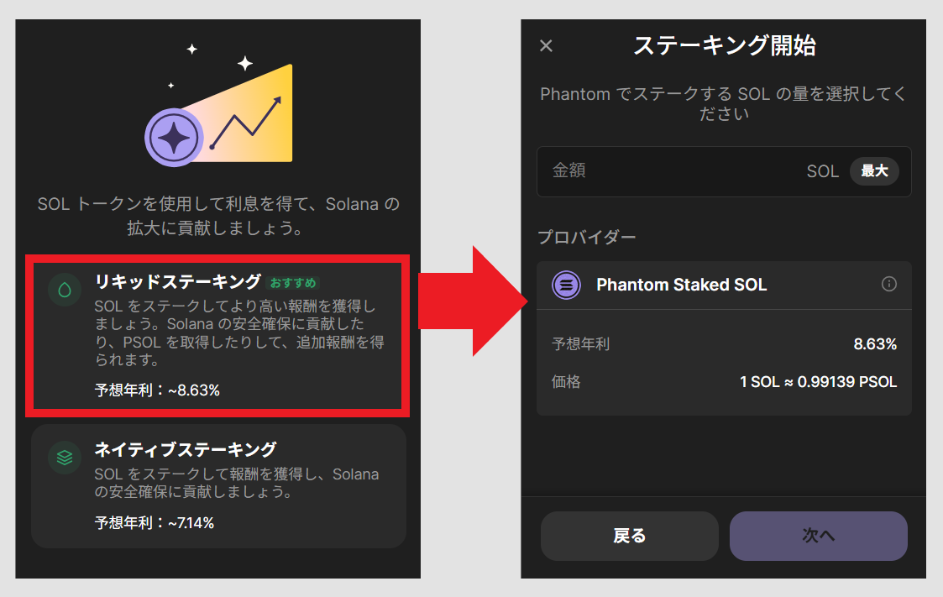
For holders of Solana (SOL) and select liquid staking tokens (LSTs), Phantom offers built-in staking mechanisms that allow users to earn passive rewards directly from their wallet interface. Staking helps secure the underlying blockchain network while providing delegators with regular percentage yields.
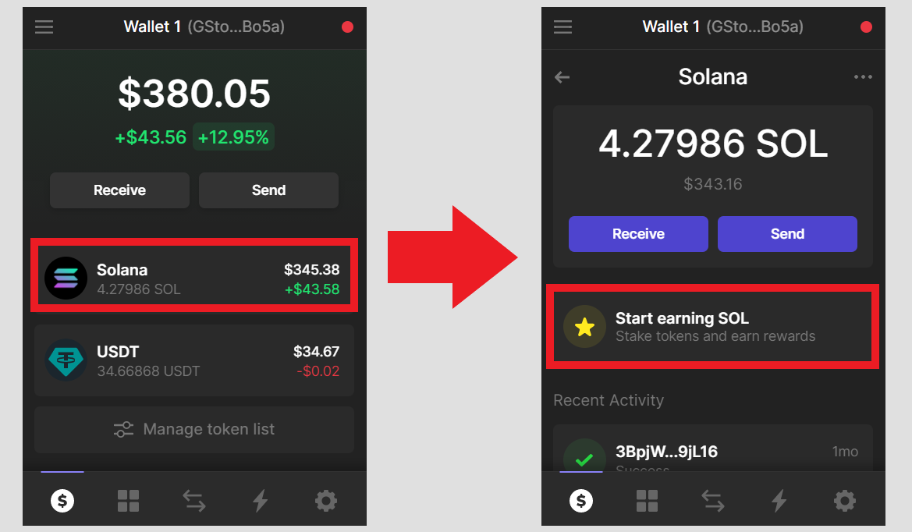
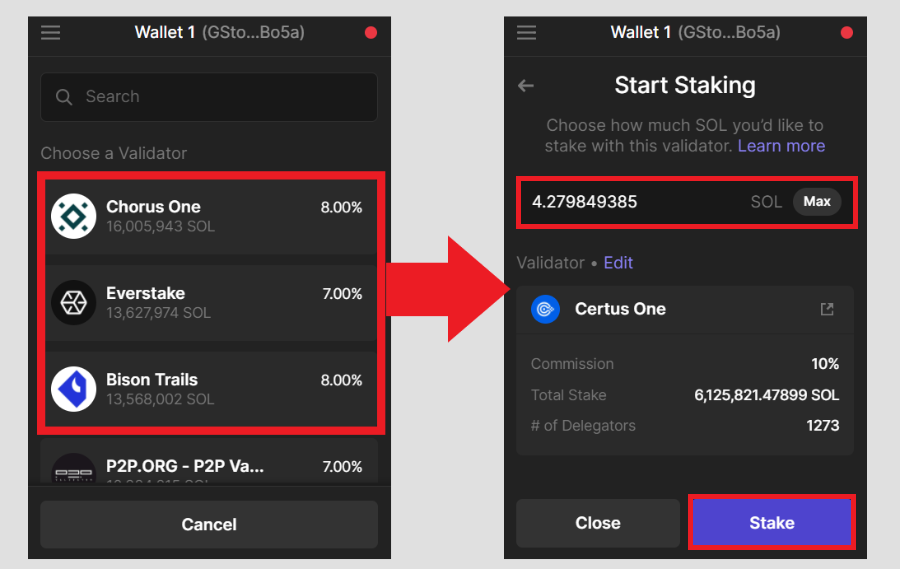
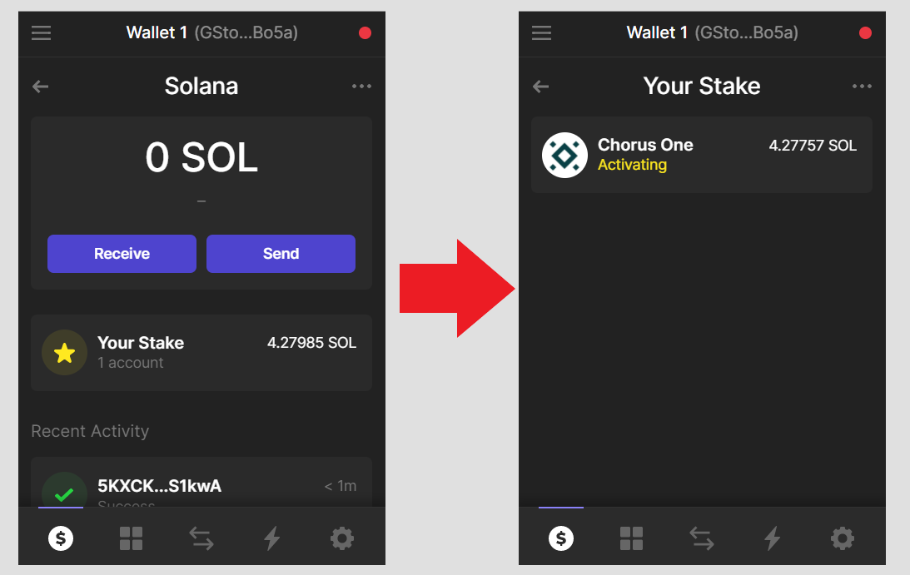
To initiate staking in Phantom, users simply select their SOL balance within the wallet dashboard and click on the "Start earning SOL" prompt. The wallet provides a curated list of reliable validators, allowing users to compare performance metrics, commission rates, and uptime history before delegating their tokens. Once a validator is chosen and the transaction is confirmed, the staked SOL begins generating rewards automatically.
To optimize capital efficiency, Phantom also supports Liquid Staking Tokens (LSTs) such as PSOL. Liquid staking allows users to earn staking rewards while retaining the liquidity of their staked assets, enabling them to utilize derivative tokens within DeFi protocols for lending, borrowing, or trading simultaneously.
NFT Management and Marketplace Integration
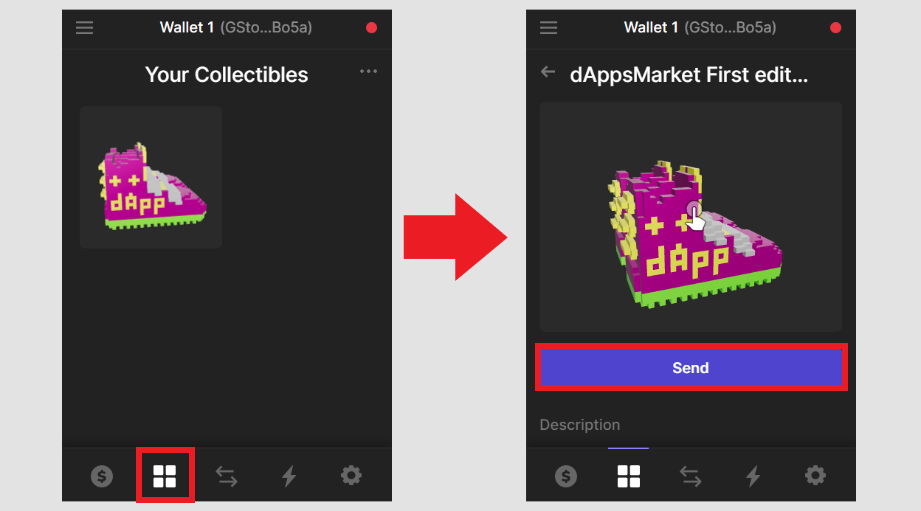
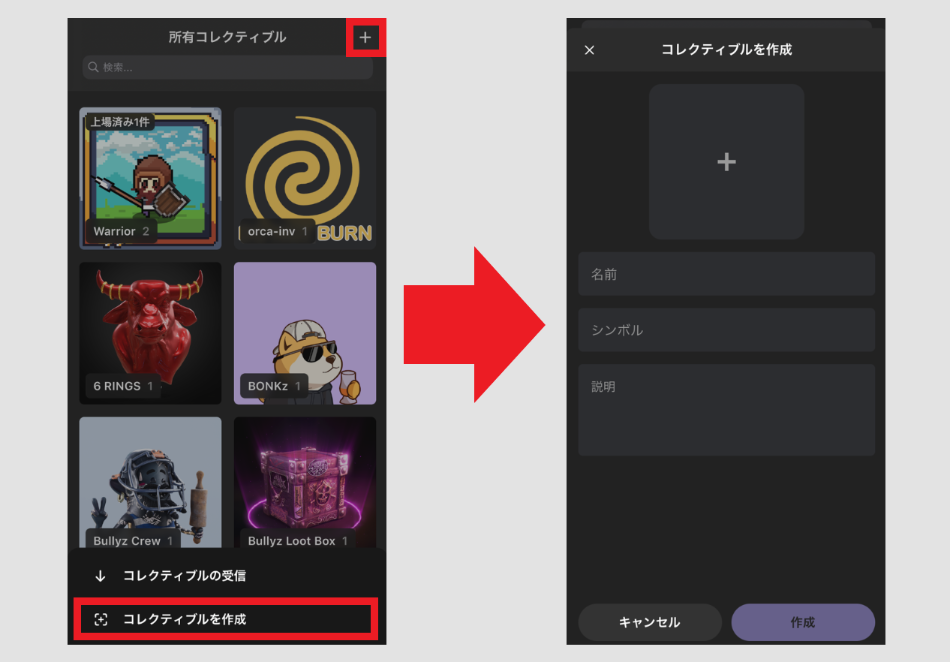
Non-fungible tokens represent one of the most vibrant sectors of the digital asset economy, and Phantom provides a dedicated, visually immersive tab specifically for NFT storage and management. Unlike traditional wallets where NFTs might appear as generic tokens, Phantom organizes digital collectibles into a clean, gallery-style interface complete with metadata, floor prices, and collection branding.
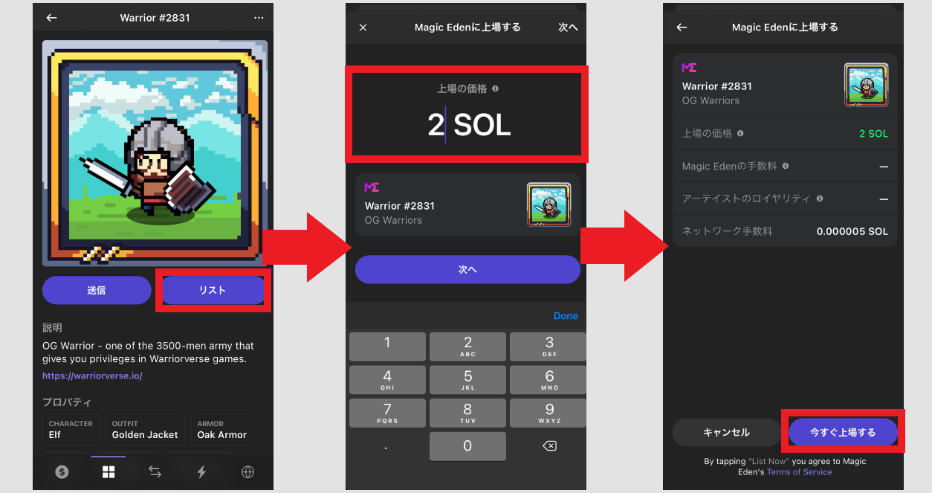
Phantom’s integration with Magic Eden—the leading multi-chain NFT marketplace—allows users to buy, sell, and list NFTs directly from the wallet interface. Users can execute marketplace trades, accept bids, and sweep floors with minimal friction. Furthermore, Phantom supports compressed NFTs (cNFTs), a scalable technology native to Solana that significantly reduces the cost of minting and distributing large collections of digital assets, making NFT ownership accessible to a broader audience.
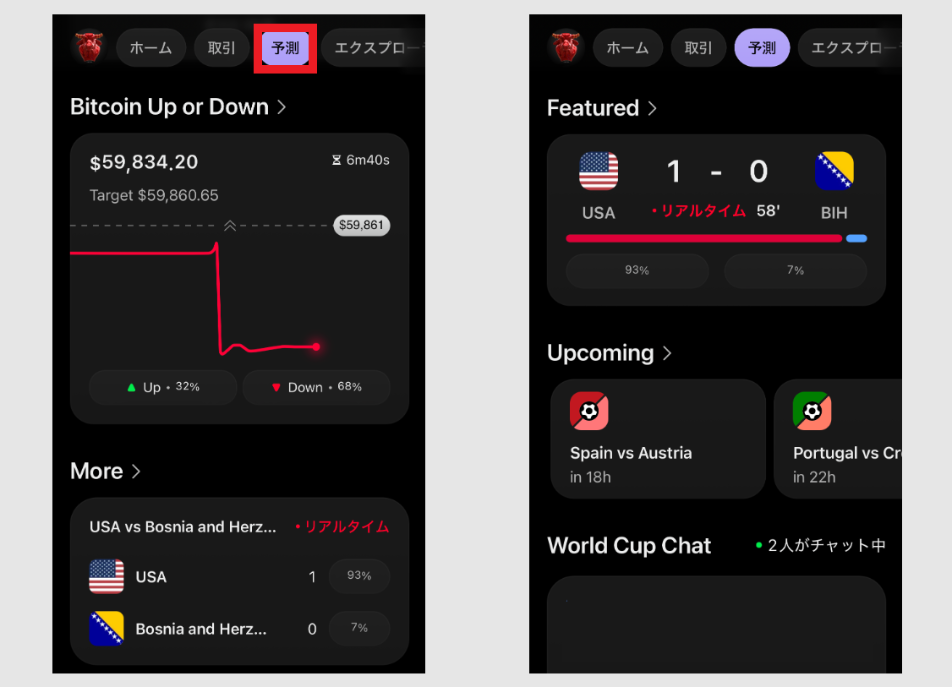
Integrated Swap Functionality and Perpetual Trading

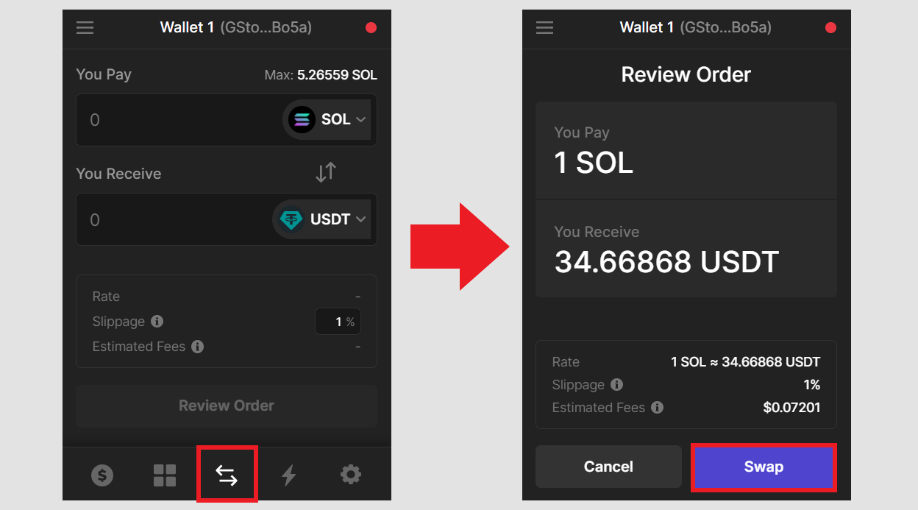
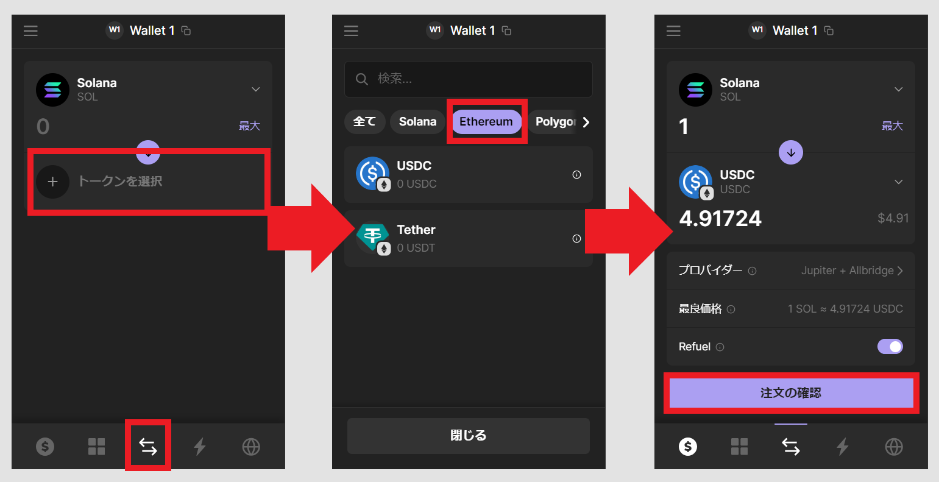
Trading digital assets has never been more streamlined thanks to Phantom’s built-in decentralized exchange (DEX) aggregator. Instead of navigating to external liquidity pools or third-party DEXs, users can execute token swaps directly within the wallet interface. The aggregator automatically routes trades across multiple liquidity providers to secure the best possible execution price while minimizing slippage and network fees.
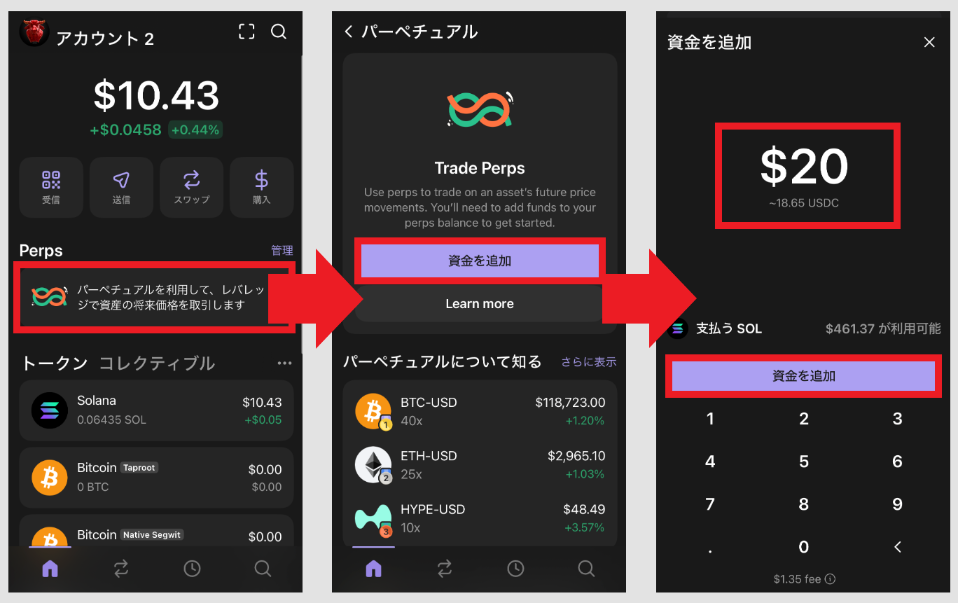
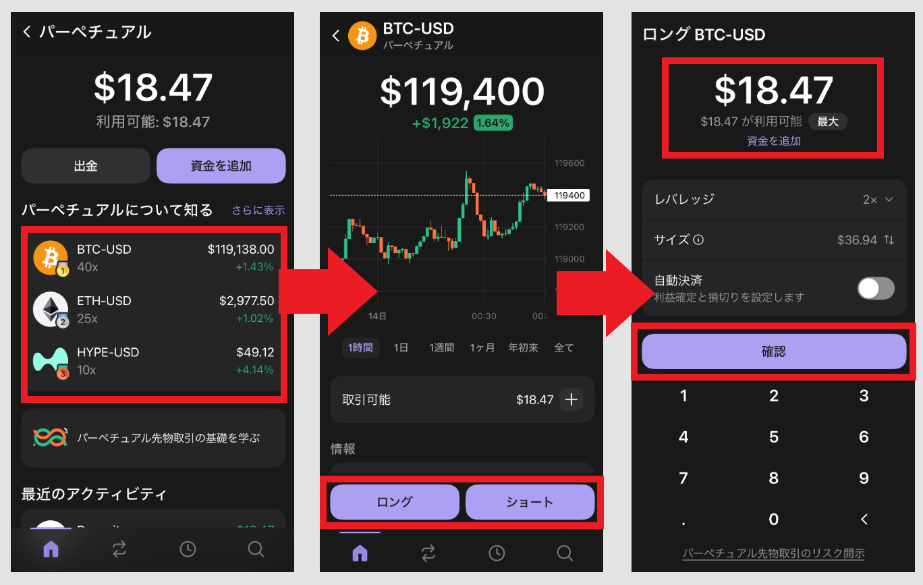
In addition to standard token swaps, Phantom has integrated advanced trading features, including perpetual contract trading in collaboration with platforms like Hyperliquid. This allows users to access high-leverage derivatives markets, trading major assets like Bitcoin (BTC) and Ethereum (ETH) with up to 40x leverage directly from a self-custodial environment. Advanced order types, limit orders, and margin management tools provide professional-grade trading capabilities without sacrificing the security of self-custody.
Conclusion: The Ultimate Web3 Companion
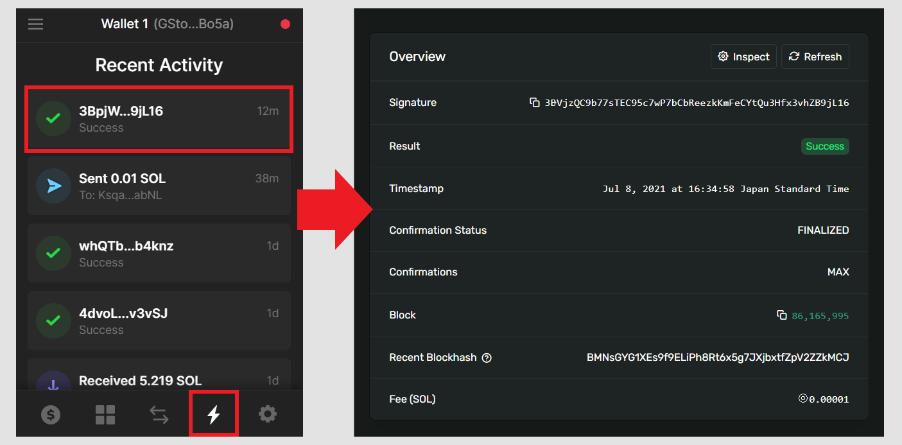
Phantom Wallet has successfully redefined what users should expect from a digital asset manager. By combining a clean, intuitive user interface with powerful multi-chain capabilities, native staking, robust NFT management, and advanced trading features, Phantom bridges the gap between accessibility and professional-grade functionality. Whether a user is minting their first digital collectible, staking Solana for passive yields, or executing leveraged perpetual trades, Phantom delivers a secure, cohesive experience. As the Web3 ecosystem continues to mature, tools like Phantom Wallet will undoubtedly remain at the forefront of digital finance, empowering users worldwide to navigate the decentralized future with confidence and ease.
