
The landscape of decentralized finance (DeFi) and automated digital asset management has reached a new milestone with the official rollout of Minara, an advanced Web3 artificial intelligence platform designed to streamline cryptocurrency trading through sophisticated automated systems. Operating at the intersection of machine learning and blockchain infrastructure, Minara introduces its signature "Autopilot" feature, empowering retail and institutional traders to execute algorithmic trading strategies with unprecedented precision. By leveraging Circle’s trusted USDC stablecoin infrastructure, the platform establishes a secure, transparent, and highly efficient environment for programmatic digital asset management.

Background and Ecosystem Evolution
The rapid evolution of decentralized finance over recent years has created a demand for sophisticated tools that can navigate volatile market conditions without requiring constant manual oversight. Traditional crypto trading often demands intense analytical scrutiny, exposing participants to emotional decision-making, latency issues, and human error. Minara was developed to address these structural inefficiencies by deploying institutional-grade artificial intelligence directly to decentralized networks.

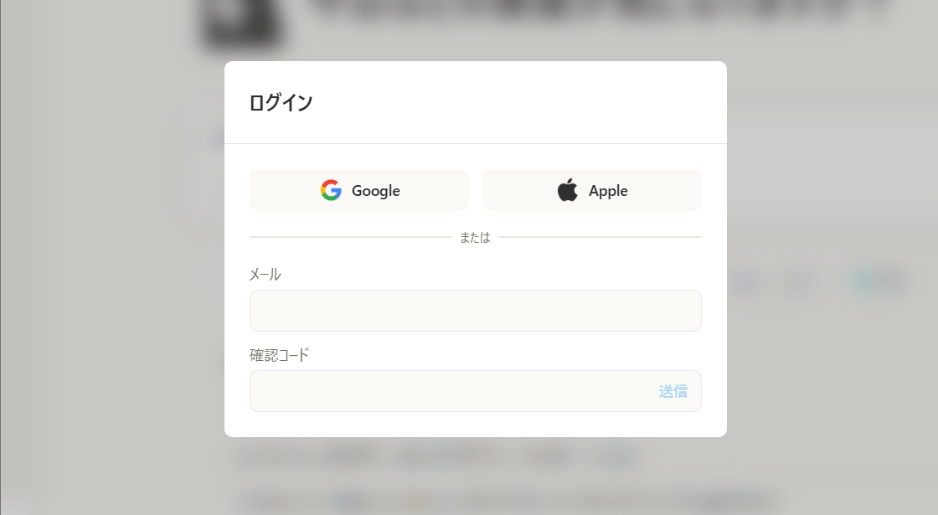
The platform’s core architecture is built around user accessibility and robust security protocols. By integrating natively with major non-custodial Web3 wallets such as MetaMask and Phantom, Minara ensures that users retain full self-custody of their funds while granting algorithmic permissions to execute targeted trading strategies. This hybrid model bridges the gap between decentralized autonomy and centralized trading efficiency, offering a compelling proposition for modern digital asset investors.
Core Architecture and Autonomous Trading Mechanisms
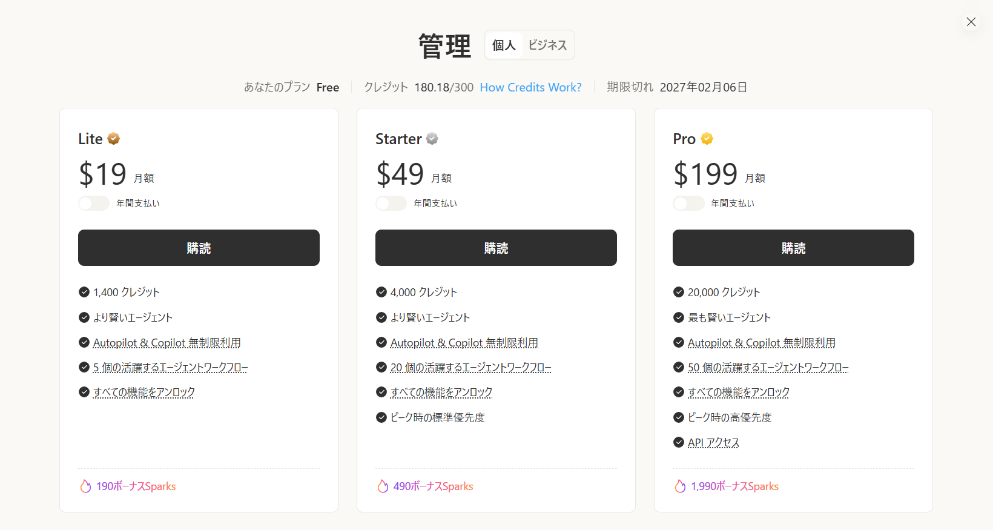
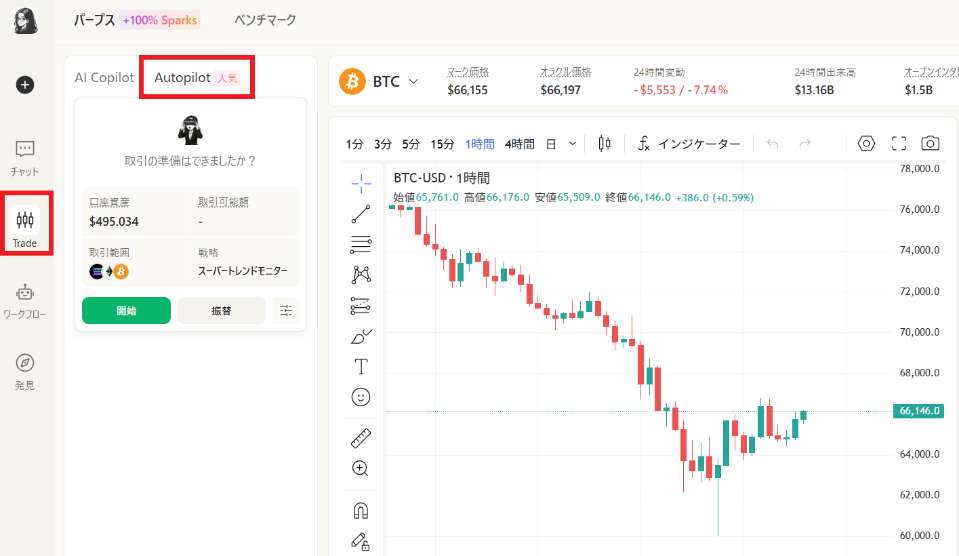
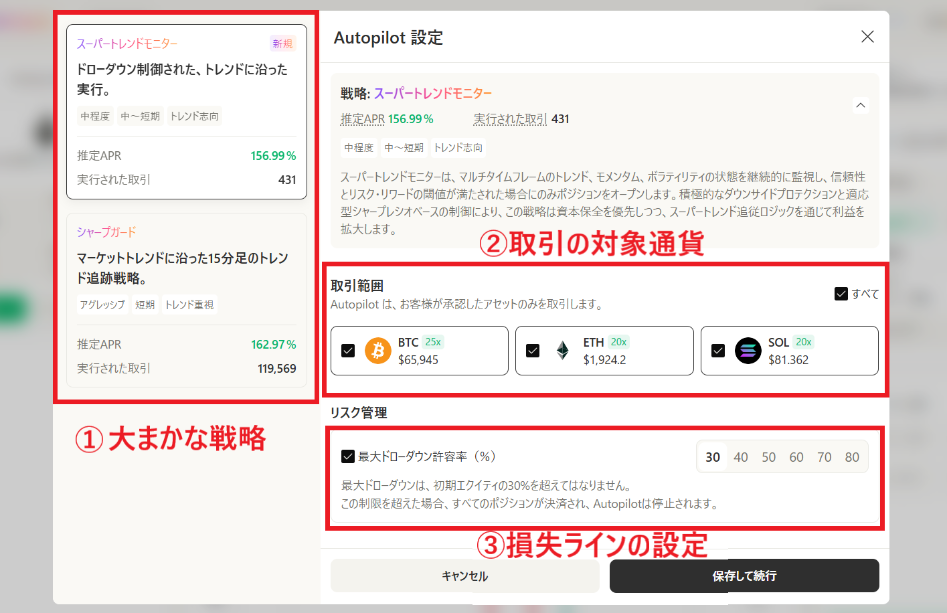
At the heart of Minara’s ecosystem is the Autopilot engine, a multi-tiered algorithmic suite designed to cater to varying risk appetites and strategic objectives. The platform categorizes its automated offerings into distinct tiers, ranging from Lite configurations tailored for novice users to advanced multi-asset strategies designed for seasoned portfolio managers.
The operational workflow of the Autopilot system revolves around seamless asset allocation, real-time market data ingestion, and rapid execution loops. When a user activates an AI-driven strategy, the system continuously scans order books, liquidity depth, and macroeconomic indicators across major trading pairs, including Bitcoin (BTC), Ethereum (ETH), and Solana (SOL). The underlying machine learning models process millions of data points per second, executing adjustments within milliseconds to capture optimal entry and exit points.
Furthermore, Minara supports both spot and perpetual futures trading strategies. While spot trading configurations focus on steady, long-term asset accumulation and risk mitigation, the perpetual futures (Perp) strategies allow users to capitalize on leveraged positions under strict risk management guidelines. The inclusion of automated stop-loss and take-profit parameters ensures that positions are systematically closed when predefined thresholds are met, significantly reducing the likelihood of catastrophic losses during sudden market downturns.

Integration of Circle USDC and Deposit Procedures
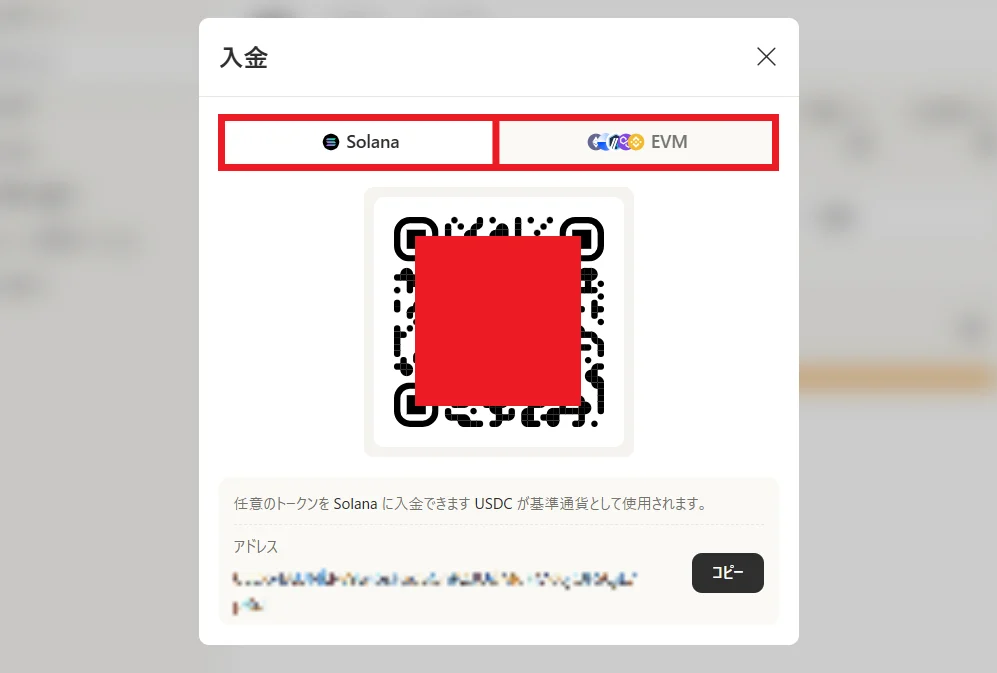
A critical pillar of Minara’s operational framework is its deep integration with Circle’s USDC stablecoin. By utilizing USDC as the primary base currency for its trading pools, Minara minimizes the foreign exchange and volatility risks typically associated with altcoin-denominated platforms.
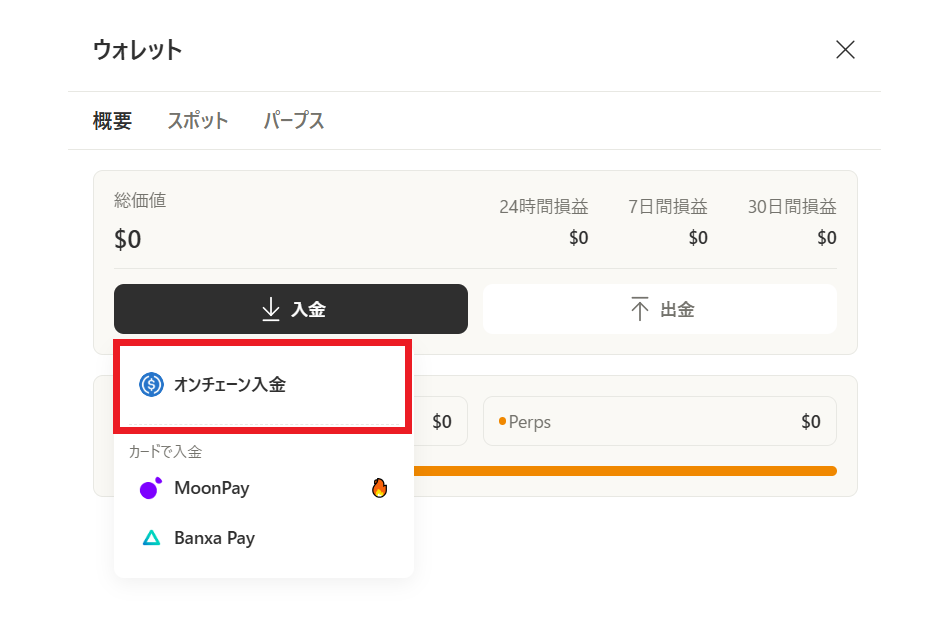
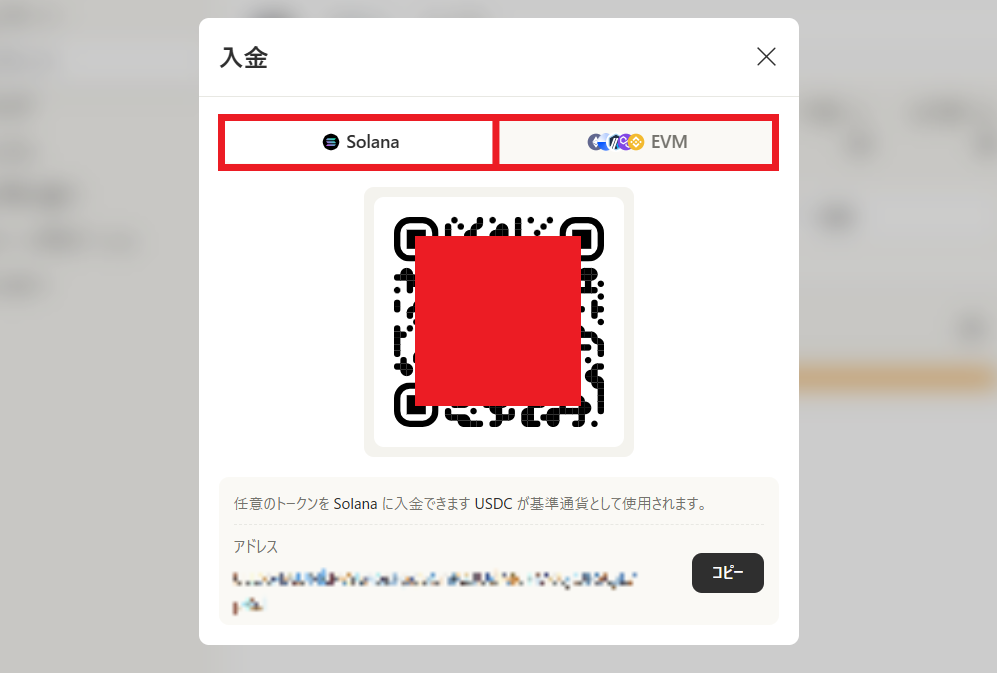
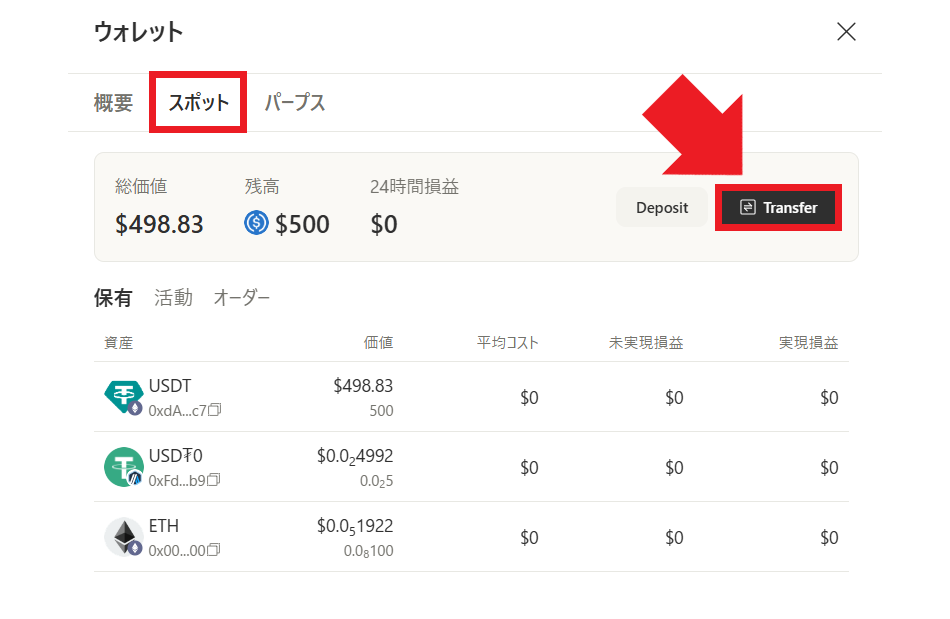
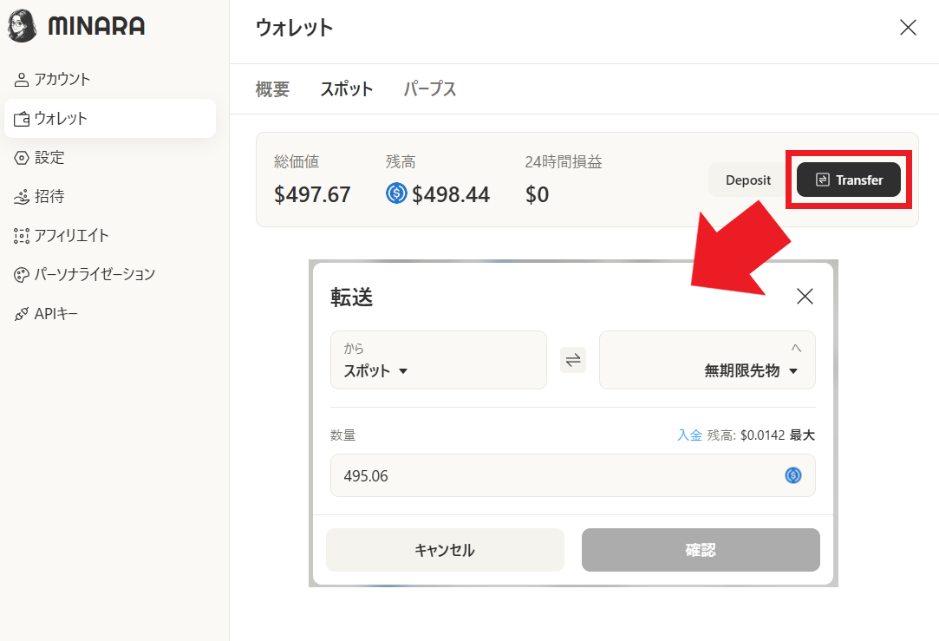
Depositing funds into the platform is engineered to be intuitive yet secure. Users begin by connecting their preferred Web3 wallet to the Minara dashboard. Once connected, participants transfer USDC into the protocol’s designated smart contracts. The platform provides comprehensive step-by-step guidance for both MetaMask and Phantom wallet users, detailing how to approve transactions and verify network gas fees.
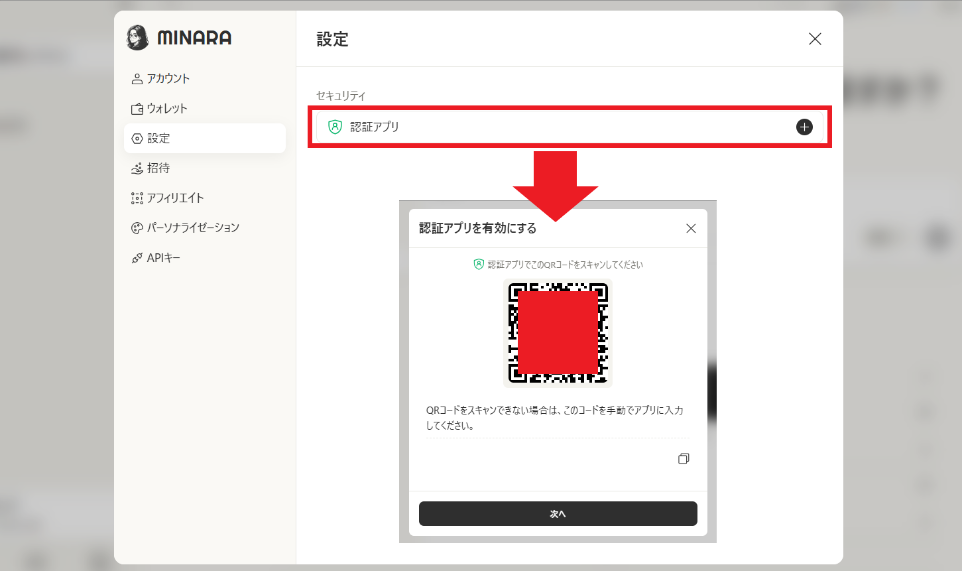
To ensure institutional-grade security, Minara mandates strict account protection measures, including Two-Factor Authentication (2FA) via authenticator applications and cryptographic signature verification for all major portfolio modifications. These security layers protect user assets from unauthorized access while maintaining high transaction throughput.
Chronology and Platform Expansion Milestones
The development and deployment of Minara follow a structured roadmap designed to scale safely alongside market demand. Initial conceptualization and private testing phases began early in the development cycle, focusing on the core machine learning models responsible for predictive market analysis.
As the platform transitioned into public beta, user adoption surged significantly. Recent deployment data indicates that Minara has successfully onboarded nearly 500 active referral networks, with total network participation expanding rapidly across international markets. This expansion has been supported by continuous software updates, performance optimizations, and the introduction of advanced risk-management dashboards that allow users to monitor real-time portfolio performance, asset allocation distributions, and historical trade logs.
Industry analysts note that Minara’s aggressive expansion strategy mirrors the broader maturation of the AI crypto sector. By combining algorithmic execution with transparent, verifiable smart contract logic, the platform has managed to attract a diverse user base ranging from retail enthusiasts to quantitative trading syndicates.
Market Implications and Future Outlook
The introduction of AI-driven automation platforms like Minara signals a broader shift in how retail investors interact with decentralized financial markets. By abstracting the complexity of technical analysis and trade execution, these systems democratize access to sophisticated financial instruments that were previously restricted to institutional quantitative funds.

However, financial experts emphasize the importance of understanding the inherent risks associated with automated trading and leveraged perpetual contracts. While AI algorithms can process data at superhuman speeds, unforeseen macroeconomic events or systemic blockchain anomalies can still impact market stability. Consequently, platform developers continually urge users to exercise prudent risk management, diversify their portfolios, and utilize the platform’s customizable risk parameters to align with their individual financial goals.

Looking ahead, Minara plans to expand its multi-chain compatibility, integrating additional Layer-1 and Layer-2 networks to further reduce transaction costs and increase execution speed. As artificial intelligence continues to redefine the boundaries of digital asset management, platforms bridging automated execution with self-custodial security are expected to play a foundational role in the next generation of financial technology.
