
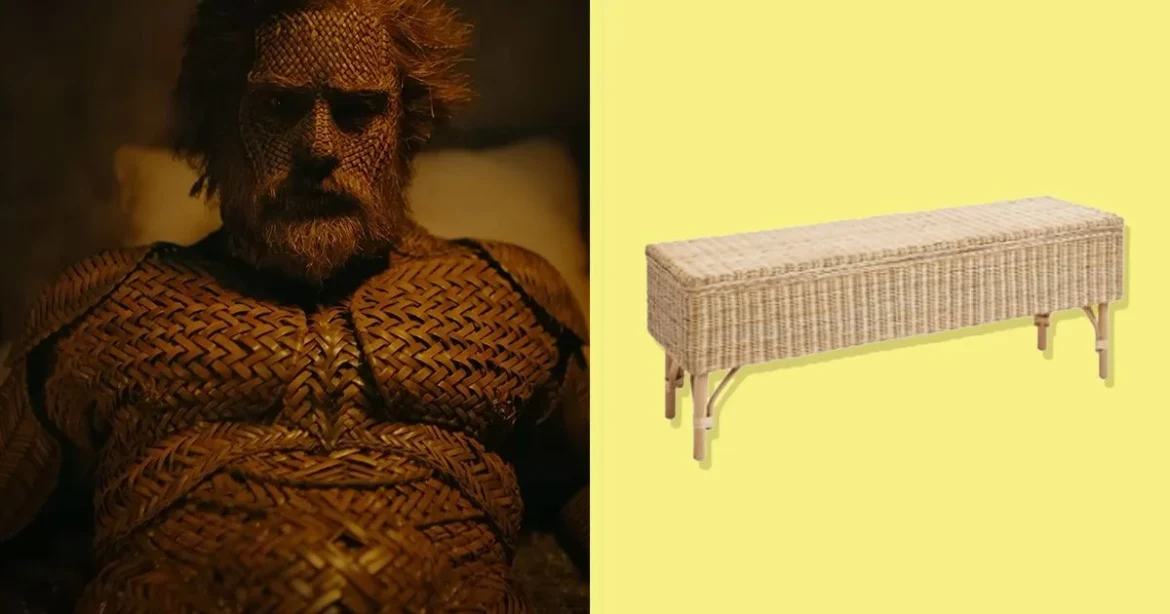
The intersection of modern cinema and interior design has historically produced unexpected trends, but few have captured the public imagination quite as swiftly or bizarrely as the emergence of "Wickercore" in early 2026. Sparked by a cinematic adaptation that reimagines classic gothic tropes through a rustic, organic lens—featuring a wooden, plant-based iteration of Frankenstein’s monster portrayed by Alexander Skarsgård—consumers have launched an unprecedented buying spree for woven furnishings. Osier, rattan, and cane furniture, once relegated to conservative conservatory settings or vintage thrift stores, have suddenly transformed into the most sought-after commodities in the global retail market.
This cultural phenomenon underscores how contemporary media consumption directly influences consumer goods, driving manufacturers to rapidly pivot production to meet sudden spikes in demand for natural, braided textures. What began as a bold stylistic choice for a high-concept film costume has rapidly matured into a defining aesthetic of the mid-2020s, bridging the gap between avant-garde cinema and mainstream domestic architecture.
The Cinematic Catalyst and the Rise of Wickercore
The origins of the 2026 wicker renaissance trace directly back to pre-release promotional material and early festival screenings of the season’s most-discussed fantasy feature. In the film, Alexander Skarsgård stars as a botanical rendition of the legendary literary monster—a creature constructed largely from interwoven organic materials. The intricate design of the character’s physical form required specialized craftsmanship, utilizing advanced 3D-modeling techniques combined with traditional basketry to create a flexible, durable, and remarkably convincing botanical exoskeleton.
Industry insiders and film critics quickly fixated on the unprecedented tactile nature of the character’s design. Social media platforms were swiftly flooded with commentary analyzing the craftsmanship involved in the production, shifting public perception of wicker from a dated interior design trope to something visceral, modern, and unexpectedly alluring. As audiences sought to replicate the rustic, organic aesthetic within their own living spaces, interior designers noticed an immediate surge in inquiries regarding woven cane, rattan accent chairs, and handcrafted osier room dividers.
Retail analysts note that this cultural shift represents a broader consumer fatigue with minimalist, sterile, and mass-produced synthetic furnishings. The desire for tactile, artisanal, and nature-adjacent materials has been steadily growing, but the cinematic spotlight provided by the film served as the definitive catalyst that pushed the trend into the mainstream consciousness.
Market Response and Retail Adaptation
Retailers have been forced to react swiftly to the sudden and intense consumer demand for woven home goods. Major international furniture chains, most notably Scandinavian giant IKEA, have reported staggering spikes in searches and purchases for pre-existing woven inventory. IKEA’s Tolkning bench, a piece crafted from braided rattan that had previously enjoyed moderate, steady sales, experienced a dramatic resurgence, quickly selling out across multiple European and North American markets.
To capitalize on the momentum, retail merchandising teams have begun restructuring displays to highlight natural fibers, positioning items traditionally viewed as supplementary storage solutions or porch furniture as primary living room statements. Supply chain managers have indicated that while existing stockpiles of rattan and cane have largely absorbed the initial shock of demand, procurement departments are actively renegotiating contracts with artisan cooperatives in Southeast Asia—the primary global hub for rattan harvesting and weaving—to prevent long-term deficits.
Interestingly, the film’s production methodology has also bled into consumer behavior. While the motion picture utilized a sophisticated hybrid of traditional weaving and high-resolution additive manufacturing to construct the actor’s suit, tech-savvy consumers have begun experimenting with consumer-grade 3D printers to fabricate bespoke decorative objects, miniature replicas, and structural accents inspired by the movie’s organic architecture.
Chronology of the Trend
The trajectory of the Wickercore movement accelerated at a remarkable pace over a remarkably short timeframe:
- Late Q4 2025: Initial trailers and promotional imagery for the film are released, featuring prominent close-ups of Alexander Skarsgård’s intricate, plant-based prosthetic suit and organic set designs.
- Early January 2026: Online design forums and entertainment blogs begin dissecting the craftsmanship of the film, coining the colloquial term "Wickercore" to describe the fusion of gothic horror and pastoral cottage aesthetics.
- Mid-January 2026: Retail data reveals a sharp, unexpected 140% increase in online searches for rattan, osier, and cane furniture compared to the same period in the previous year.
- Late January 2026: Major furniture brands, including IKEA and various boutique design houses, report inventory depletions on key woven product lines, prompting emergency restock initiatives.
- February 2026: Design publications release comprehensive buying guides detailing how to incorporate industrial-grade and artisanal wicker into contemporary urban apartments, cementing the trend as a permanent fixture of early 2026 interior design forecasts.
Economic and Material Implications
The sudden surge in popularity for osier, rattan, and cane carries significant economic and environmental implications for the global forestry and agricultural sectors. Unlike timber, which requires decades to mature, rattan is a rapidly renewable climbing palm that grows abundantly in tropical regions, particularly in Indonesia, Malaysia, and the Philippines. Harvesting rattan often provides a sustainable economic livelihood for indigenous rural communities, provided that harvesting practices remain regulated and environmentally conscious.
However, market analysts warn of potential ecological risks associated with sudden spikes in demand. Rapidly scaling up the harvest of wild rattan without adequate sustainability frameworks can lead to overexploitation, deforestation, and economic instability for local artisans who rely on stable, long-term yields. Industry trade groups have already begun calling for increased transparency in supply chains to ensure that the materials fueling the Wickercore phenomenon are ethically sourced and environmentally certified.
Furthermore, the trend has challenged traditional notions of interior durability and functionality. Woven furniture requires specific maintenance to prevent drying, cracking, and structural wear over time. As consumers unfamiliar with the properties of natural fibers rush to purchase these items, interior maintenance experts have published a flurry of advisory content detailing how to properly condition and care for rattan and cane surfaces in climate-controlled indoor environments.
Broader Cultural Impact on Contemporary Design
The phenomenon surrounding the film’s aesthetic highlights the increasing power of speculative world-building in shaping consumer culture. In an era dominated by digital screens and virtual experiences, physical media that evokes a strong sense of touch and material reality holds heightened value for consumers. The organic, imperfect nature of woven plant fibers provides a stark psychological counterweight to the smooth, digital perfection of modern screens and synthetic materials.
Interior design theorists suggest that the Wickercore movement may pave the way for a more permanent integration of "biophilic design"—an architectural and interior design philosophy that seeks to connect building occupants more closely to nature. By bringing raw, unvarnished botanical materials directly into domestic living spaces, consumers are actively seeking psychological grounding through their physical surroundings.
As the theatrical run of the film continues and home-release windows approach, market researchers anticipate that the trend will continue to evolve, branching out from traditional furniture into wall coverings, lighting fixtures, and architectural textiles. Whether this peculiar intersection of cinematic horror and artisanal craftsmanship proves to be a fleeting viral moment or the foundation of a lasting design movement remains to be seen, but its immediate impact on the global retail landscape is undeniable.
