• Home
Crypto Gohan
keep your memories alive
Crypto Mining & Infrastructure

MARA Holdings Completes Upsized 950 Million Dollar Offering of Convertible Senior Notes to Expand Bitcoin Treasury and Restructure Corporate Debt

by Ammar Sabilarrohman July 6, 2025
written by Ammar Sabilarrohman

MARA Holdings, Inc., a prominent leader in the digital asset compute space and one of the world’s largest publicly traded Bitcoin miners, officially announced the closing of its upsized offering of 0.00% convertible senior notes due 2032. The private offering, which targeted qualified institutional buyers, successfully raised a total of $950 million in aggregate principal amount. This figure includes the full exercise of the initial purchasers’ option to purchase an additional $150 million of notes, reflecting significant institutional demand for exposure to MARA’s balance sheet and its underlying Bitcoin-centric strategy. After accounting for discounts and commissions, the net proceeds from the sale reached approximately $940.5 million, marking a pivotal moment in the company’s financial restructuring and asset acquisition timeline.

The completion of this offering on Friday, July 25th, underscores a growing trend among Bitcoin mining firms to leverage traditional capital markets to fund aggressive "HODL" strategies. By utilizing zero-coupon convertible debt, MARA is effectively positioning itself to acquire more Bitcoin without the immediate burden of interest payments, betting instead on the long-term appreciation of the cryptocurrency to offset the eventual conversion or redemption of the notes.

Technical Structure of the Offering and Financial Engineering

The notes issued by MARA are senior, unsecured obligations that do not bear regular interest, and the principal amount will not mature until December 1, 2032, unless earlier repurchased, redeemed, or converted. This 0.00% interest rate is a strategic choice, common among high-growth companies in the digital asset sector that wish to preserve cash flow for operational expansion and asset accumulation.

A significant portion of the capital raised has already been deployed toward strengthening the firm’s balance sheet. MARA disclosed that it used approximately $18.3 million of the net proceeds to repurchase $19.4 million in aggregate principal amount of its existing 1.00% convertible senior notes due in 2026. This move effectively reduces the company’s near-term debt obligations and replaces interest-bearing debt with non-interest-bearing long-term capital.

Furthermore, the company allocated approximately $36.9 million to enter into capped call transactions. These financial instruments are designed to reduce the potential dilution of MARA’s common stock upon the conversion of the notes. By setting a "cap" price that is significantly higher than the current market price, MARA protects its existing shareholders while still allowing the noteholders to participate in the company’s upside should the stock price rise alongside Bitcoin’s valuation. These capped call transactions were coordinated with the initial purchasers of the notes and other financial institutions, reflecting a sophisticated level of financial engineering intended to balance growth with shareholder equity preservation.

Strategic Expansion of Bitcoin Reserves

The primary driver behind this massive capital raise is MARA’s commitment to its "Bitcoin-first" treasury policy. The company explicitly stated that the remainder of the net proceeds will be used to acquire additional Bitcoin and for general corporate purposes. This strategy mirrors the approach popularized by MicroStrategy, where the corporation serves as a proxy for Bitcoin investment, using its mining operations to generate "digital gold" while using the debt markets to purchase more on the open market.

According to data from BitcoinTreasuries.net, MARA currently holds the position of the second-largest corporate holder of Bitcoin among publicly traded companies globally. With a treasury of 50,000 BTC, valued at approximately $5.92 billion at current market rates, MARA trails only MicroStrategy, which maintains a dominant lead with over 628,000 BTC. By raising nearly a billion dollars, MARA is signaling its intent to close that gap and solidify its status as a "strategic crypto reserve" entity.

This aggressive accumulation comes at a time when the Bitcoin mining industry is undergoing a radical transformation. Following the April 2024 halving event, which slashed block rewards from 6.25 BTC to 3.125 BTC, miners have been forced to seek new ways to maintain profitability. While some firms have diversified into High-Performance Computing (HPC) and Artificial Intelligence (AI) data centers, MARA has doubled down on its core competency: securing the Bitcoin network and accumulating the asset itself.

Chronology of MARA’s Financial Evolution

To understand the significance of this $950 million offering, one must look at the timeline of MARA’s recent corporate evolution. Formerly known as Marathon Digital Holdings, the company rebranded to MARA Holdings to reflect its broader ambitions in the digital infrastructure space.

  1. Early 2024: MARA began transitioning from a "sell-to-cover" model—where mined Bitcoin was sold to pay for operational expenses—to a full "HODL" strategy.
  2. April 2024: The Bitcoin Halving occurred, increasing the cost of production per Bitcoin. In response, MARA accelerated its fleet upgrades, purchasing the latest generation of Bitmain Antminers to increase hashrate efficiency.
  3. Mid-2024: The company began exploring international expansion, launching projects in Abu Dhabi and Paraguay to take advantage of stranded energy and lower electricity costs.
  4. July 2024: MARA announced the initial $800 million convertible note offering, which was quickly upsized to $950 million due to high demand, culminating in the July 25th closing.

This timeline suggests a deliberate shift from a pure-play miner to a diversified digital asset powerhouse that uses mining as a foundational cash-flow generator to support a massive investment portfolio.

Industry Context: The Post-Halving Mining Landscape

The broader Bitcoin mining sector is currently divided into two camps. The first camp consists of companies like Core Scientific and Terawulf, which are increasingly pivoting toward AI and cloud computing to utilize their massive power capacities for more stable, non-crypto-dependent revenue. The second camp, led by MARA and Riot Platforms, remains focused on the "Bitcoin-only" path, believing that the appreciation of BTC will far outperform the margins of traditional data center services.

MARA’s decision to raise $950 million in debt to buy Bitcoin is a high-conviction play. It assumes that the Bitcoin price will appreciate significantly over the next eight years, allowing the company to either refinance the debt or pay it off using the vastly increased value of its holdings. For institutional investors, these convertible notes offer a unique "asymmetric" bet: they receive the security of a senior debt instrument with the potential to convert into equity if MARA’s stock price skyrockets during a Bitcoin bull market.

Market Implications and Analyst Reactions

While official statements from the company remain focused on the mechanics of the deal, market analysts have noted several implications. The "upsizing" of the deal from $800 million to $950 million indicates that institutional appetite for Bitcoin-linked instruments remains robust, even amidst market volatility.

"MARA is effectively building a fortress balance sheet," noted one fintech analyst following the announcement. "By clearing out 2026 debt and pushing their obligations to 2032 at 0% interest, they have removed significant short-term liquidity risk. They are now in a position where they can weather even a prolonged ‘crypto winter’ while continuing to grow their stack."

However, some critics point to the risks of such a strategy. If Bitcoin were to enter a multi-year secular decline, the burden of $950 million in debt—even at 0% interest—could become a weight on the company’s valuation. Furthermore, the use of capped calls, while protective, still implies a level of future dilution that some purist equity investors may find unappealing.

Broader Economic Impact and Future Outlook

MARA’s successful capital raise is likely to trigger similar moves from its competitors. As Bitcoin becomes more integrated into the global financial system—aided by the success of spot Bitcoin ETFs in the United States—mining companies are being viewed less as industrial utility companies and more as technology-driven asset managers.

The proceeds from this offering will not only go toward Bitcoin but also toward "strategic acquisitions and expansion of existing assets." This suggests that MARA may be looking to acquire smaller, distressed mining operations that have struggled since the halving, further consolidating the industry. The company’s expansion into heat recycling and sustainable energy integration also points toward a future where MARA is a key player in the global energy grid, using Bitcoin mining as a flexible load to balance power demand.

As of the closing of this offering, MARA’s financial trajectory is inextricably linked to the performance of Bitcoin. With nearly $1 billion in fresh capital and a treasury that is the envy of the mining world, the company has positioned itself as the primary institutional vehicle for those looking to invest in the infrastructure of the decentralized future. Whether this "MicroStrategy-fication" of the mining sector will yield the same legendary returns remains to be seen, but for now, MARA Holdings has firmly established itself as a titan of the digital age.

July 6, 2025 0 comment
0 FacebookTwitterPinterestEmail
Global Cryptocurrency News

Analyst Ignites Debate with $1,000 XRP Price Prediction by 2027 Amidst Market Volatility and Regulatory Shifts

by Ammar Sabilarrohman July 5, 2025
written by Ammar Sabilarrohman

A prominent analyst on the social media platform X, operating under the pseudonym Pumpius, has presented an extraordinarily optimistic outlook for XRP, asserting that a price target of $1,000 is not merely aspirational but "almost certain" within the next year, specifically by 2027. This audacious forecast emerges at a particularly complex juncture for XRP, which has not registered a monthly gain since September 2025 and currently trades around $1.35, representing a significant 63% decline from its all-time high of $3.65. The prediction, therefore, sets the stage for a critical examination of the underlying arguments against prevailing market realities and fundamental economic principles.

The Genesis of the Bull Case: Regulatory Clarity and Institutional Influx

The core of Pumpius’s bullish thesis hinges on several pivotal developments, primarily the resolution of Ripple’s protracted legal dispute with the U.S. Securities and Exchange Commission (SEC). According to the analyst, the definitive conclusion of this lawsuit in 2025 acted as a critical inflection point, dismantling a major barrier that had suppressed institutional engagement with XRP for years. This legal clarity, the argument posits, effectively repositioned XRP alongside established digital assets like Bitcoin and Ethereum as a compliant and viable investment vehicle within the traditional financial ecosystem.

The timeline of regulatory developments cited by Pumpius underscores this narrative. Following the lawsuit’s resolution, March 17 saw a joint issuance of new guidance from the SEC and the Commodity Futures Trading Commission (CFTC), which formally classified XRP as a digital commodity. This designation, if accurate and widely accepted, would indeed represent a significant legal victory for Ripple and the broader XRP ecosystem, effectively ending the regulatory overhang that had persisted since the SEC first filed its lawsuit against Ripple in December 2020. For years, the legal uncertainty cast a long shadow over XRP, deterring many institutional investors who require clear regulatory frameworks before committing capital.

The immediate aftermath of this purported regulatory clarity, as detailed by Pumpius, was the rapid introduction of spot XRP exchange-traded funds (ETFs). The analyst claims that seven spot XRP ETFs are now operational, collectively managing approximately $1 billion in assets. While this figure is substantial for a nascent product category, it is noted that these ETFs experienced stronger initial performance, peaking at $1.24 billion in total assets under management (AUM) in January 2026. This influx of institutional capital via ETFs mirrors the trajectory observed with Bitcoin, where the approval and launch of spot Bitcoin ETFs in early 2024 opened floodgates for traditional investors to gain exposure to the digital asset without directly owning it. The argument suggests that XRP is now following a similar path toward mainstream financial integration.

Ripple’s Strategic Expansion and Ecosystem Growth

Beyond regulatory clarity, Pumpius highlights Ripple’s strategic expansion and deepening integration into institutional finance as a significant driver for XRP’s future value. Over the past year, Ripple has reportedly intensified its focus on enterprise solutions, bolstering its market position through targeted acquisitions and partnerships. This includes developments related to RLUSD, Ripple’s stablecoin initiative, which aims to provide a reliable digital dollar alternative for cross-border payments and remittances. The expansion of stablecoin offerings, particularly those backed by a regulated entity like Ripple, could significantly enhance the utility and adoption of the XRP Ledger (XRPL) as an underlying infrastructure for global financial transactions.

Furthermore, the analyst points to growing activity on the XRP Ledger itself, suggesting that the network is evolving beyond its initial focus on simple, fast, and low-cost payments. This evolution is crucial for demonstrating XRP’s broader utility and justifying a higher valuation. The diversification of use cases beyond remittances and interbank settlements signals a more robust and adaptable ecosystem capable of supporting a wider array of decentralized applications and services.

The Transformative Potential of DNA Protocol Integration

A particularly innovative aspect of Pumpius’s bull case revolves around the integration of the DNA Protocol with the XRP Ledger. This integration introduces zero-knowledge proof (ZKP) functionality to the XRPL, a cryptographic technique that allows one party to prove to another that a statement is true, without revealing any information beyond the validity of the statement itself. The DNA Protocol, as described, enables individuals to tokenize their own genetic data, Know Your Customer (KYC) credentials, and personal identity into private, portable tokens.

This groundbreaking functionality carries immense potential. If adopted at scale, allowing billions of users to securely manage and monetize their sensitive personal data on the XRP Ledger, it could dramatically increase demand for the network’s underlying asset, XRP. The ability to tokenize and control one’s digital identity and genetic information, coupled with the privacy enhancements of ZKPs, addresses critical concerns in the digital age. Such utility, if realized, would transcend simple transactional use cases, multiplying the cryptocurrency’s intrinsic value by positioning it at the forefront of the decentralized identity and data privacy revolution. The vision is one where XRP underpins not just financial transactions but also the secure, private exchange of personal data, thereby creating a new paradigm of digital ownership and interaction.

XRP Analyst Says It’s ‘Almost Certain’ That Price Will Reach $1,000 In This Timeframe

A Sobering Reality Check: Market Capitalization Implications

Despite the conviction underpinning Pumpius’s forecast, the journey from XRP’s current price of approximately $1.35 to $1,000 represents an astounding increase of over 74,000%. Such a monumental surge carries profound implications for XRP’s market capitalization, which demands a rigorous reality check.

With a circulating supply exceeding 61.4 billion tokens, a $1,000 XRP price would imply a market capitalization of $61.4 trillion. To put this figure into perspective, the entire Gross Domestic Product (GDP) of the United States, the world’s largest economy, was approximately $27.96 trillion in 2024. The global GDP in 2024 was estimated to be around $111 trillion. This means a $1,000 XRP would single-handedly account for more than twice the U.S. GDP and over half of the entire global economic output.

Furthermore, the total market capitalization of the entire cryptocurrency market has historically fluctuated, peaking around $3 trillion during the 2021 bull run. Even if the crypto market were to experience unprecedented growth, reaching, for example, $10 trillion or $20 trillion, a single asset commanding $61.4 trillion would necessitate a fundamental reordering of global financial and economic structures that currently appears implausible within a mere two-year timeframe. Bitcoin, the largest cryptocurrency, has a market cap typically ranging from $1 trillion to $1.5 trillion, while Ethereum, the second largest, usually sits between $300 billion and $500 billion. For XRP to achieve a $61.4 trillion market cap, it would need to absorb a significant portion of the world’s investable capital, dwarfing the valuations of tech giants like Apple (around $3 trillion) and even entire sectors of the global stock market.

Challenges and Hurdles to Unprecedented Growth

Several significant challenges stand in the way of XRP reaching such an ambitious price target.

  • Mass Adoption of DNA Protocol: While the DNA Protocol offers compelling utility, its widespread adoption by billions of users, as envisioned, is an enormous undertaking. It would require overcoming significant hurdles related to user education, regulatory acceptance globally, data privacy concerns, interoperability with existing systems, and competition from other decentralized identity solutions. The transition from a promising technology to a ubiquitous global standard is often a multi-decade process, not a two-year sprint.
  • Sustained Institutional Demand: While spot XRP ETFs are a positive step, maintaining and significantly scaling institutional demand to levels that could support a $61.4 trillion market cap would require sustained, unprecedented inflows. This would mean convincing pension funds, sovereign wealth funds, and major financial institutions to allocate vast portions of their portfolios to a single, relatively volatile digital asset. The current AUM of $1 billion for XRP ETFs, while encouraging, is a fraction of what would be needed.
  • Macroeconomic Environment: The analyst points to "pro-crypto rules, banks jumping in and altcoin season rotation" as ideal macro winds. While regulatory clarity is improving in some jurisdictions, a globally harmonized and consistently "pro-crypto" regulatory environment is still evolving. Geopolitical instability, interest rate hikes, or a global economic downturn could significantly dampen speculative asset prices, including cryptocurrencies.
  • Competition: The cryptocurrency landscape is fiercely competitive. XRP faces competition from other established cryptocurrencies, emerging layer-1 blockchains, and even traditional financial systems that are constantly innovating to improve payment efficiency. While Ripple’s focus on institutional solutions provides a niche, it does not guarantee exclusive dominance.
  • Liquidity and Slippage: A rapid price appreciation of 74,000% could also introduce challenges related to market liquidity and slippage, especially if a significant number of existing holders decide to take profits, creating selling pressure that could impede sustained upward momentum.

Broader Impact and Implications of Such a Scenario

Should XRP miraculously reach $1,000 by 2027, the implications would be nothing short of revolutionary for global finance and the cryptocurrency market.

  • Redefinition of Value: Such a valuation would fundamentally challenge existing notions of economic value, asset allocation, and market size. It would signify a monumental shift of capital from traditional asset classes into the digital asset space, specifically into XRP.
  • Cryptocurrency as a Global Reserve Asset: A $61.4 trillion market cap could potentially position XRP as a significant global reserve asset, rivaling or even surpassing traditional currencies and commodities in importance.
  • Mainstream Adoption Accelerated: The success of XRP would undoubtedly accelerate mainstream adoption of blockchain technology and cryptocurrencies across all sectors, validating the long-held belief in the transformative power of decentralized finance.
  • Regulatory Scrutiny Intensified: Such unprecedented growth would likely trigger even more intense regulatory scrutiny globally, potentially leading to new frameworks designed to manage the systemic risks associated with an asset of such magnitude.
  • Wealth Redistribution: The creation of such immense wealth in a relatively short period would lead to significant wealth redistribution among early investors, potentially creating new economic powerhouses and challenging existing financial hierarchies.

Conclusion: Optimism vs. Pragmatism

The forecast by Pumpius represents an extreme bullish outlook, fueled by a compelling narrative of regulatory clarity, institutional adoption, Ripple’s strategic expansion, and the innovative potential of the DNA Protocol. These factors individually and collectively do present a strong case for XRP’s future growth and increased utility. The resolution of the SEC lawsuit, the classification as a commodity, and the emergence of spot ETFs are undeniably positive developments that have removed significant headwinds for the asset. Ripple’s continued focus on enterprise solutions and the potential for new use cases like tokenized personal data are also critical for long-term value appreciation.

However, the leap from current valuations to a $1,000 price point by 2027 demands an extraordinary confluence of events and market conditions that defy historical precedent and current economic realities. The sheer scale of the required market capitalization implies a re-evaluation of global wealth distribution and economic structures that, while perhaps imaginable in the very long term, appears highly improbable within the analyst’s short timeframe. While optimism is a driving force in speculative markets, a pragmatic assessment necessitates acknowledging the formidable challenges and the significant disparity between an aspirational target and the complex realities of global finance. Investors and market observers are thus left to weigh the compelling arguments for XRP’s growth against the daunting economic implications of such an ambitious price prediction, navigating a landscape where innovation constantly clashes with established financial frameworks.

July 5, 2025 0 comment
0 FacebookTwitterPinterestEmail
Bitcoin & Core Networks

Goldman Sachs Files for Bitcoin Premium Income ETF, Signaling Deeper Wall Street Embrace of Digital Assets

by Nana Muazin July 3, 2025
written by Nana Muazin

Goldman Sachs, one of Wall Street’s most formidable financial institutions, has taken a significant step into the digital asset landscape, filing paperwork with the U.S. Securities and Exchange Commission (SEC) for a Bitcoin Premium Income ETF. This move underscores a nuanced yet powerful shift in how traditional finance giants are approaching the cryptocurrency market, aiming to capitalize on Bitcoin’s appeal without directly owning the volatile digital asset. Unlike a straightforward spot Bitcoin ETF, Goldman Sachs’ proposed fund is engineered to provide investors with exposure to Bitcoin’s price movements while simultaneously generating regular income through sophisticated options trading strategies. This strategic filing, dated April 14, 2026, marks a pivotal moment, following closely on the heels of similar institutional forays and highlighting the accelerating integration of cryptocurrencies into mainstream investment portfolios.

The core of Goldman Sachs’ strategy for the Bitcoin Premium Income ETF lies in its distinctive asset allocation and income generation mechanism. According to the SEC filing, the fund intends to allocate at least 80% of its assets to products directly tied to Bitcoin’s price. This includes shares of existing spot Bitcoin exchange-traded funds (ETFs) and options on those funds. Crucially, the bank will not directly purchase and hold Bitcoin. Instead, the fund plans to generate income by employing a covered call strategy, selling call options on its Bitcoin ETF holdings. This method allows the fund to collect premiums from options buyers, providing a consistent income stream. The trade-off for this income generation, however, is a cap on the potential upside investors can capture if Bitcoin’s price experiences a substantial surge, as the sold call options would limit gains beyond a certain strike price. This approach caters to a segment of investors seeking yield and managed exposure to Bitcoin’s volatility, distinguishing it from direct investment in spot Bitcoin or traditional growth-oriented funds.

This latest development from Goldman Sachs is not an isolated event but rather a continuation of a broader trend of institutional adoption that has gained considerable momentum. The journey of major financial players, particularly Wall Street banks, into the cryptocurrency realm has been characterized by initial skepticism, cautious exploration, and, more recently, an enthusiastic embrace. For years, Bitcoin was largely dismissed by many traditional finance stalwarts as a speculative, unregulated asset with dubious utility. Famously, in 2017, JPMorgan Chase CEO Jamie Dimon referred to Bitcoin as a "fraud" and "rat poison." While Goldman Sachs maintained a more measured stance, its involvement in crypto was initially limited to exploratory research and client interest surveys.

BREAKING - Goldman Sachs Bets On Bitcoin Income With New ETF Filing

The turning point for widespread institutional involvement began to crystallize with the launch of Bitcoin futures contracts on regulated exchanges like the CME Group in late 2017. This provided the first regulated avenue for institutional investors to gain exposure to Bitcoin’s price movements without directly holding the asset. Subsequently, private trusts like Grayscale Bitcoin Trust (GBTC) emerged, offering another structured way for qualified investors to access Bitcoin. However, the true floodgates for institutional capital began to open in January 2024, when the U.S. SEC approved nearly a dozen spot Bitcoin ETFs. This landmark decision provided unprecedented access to Bitcoin for retail and institutional investors alike through familiar, regulated investment vehicles, marking a profound legitimization of the asset class. The approval of spot Bitcoin ETFs was the culmination of a decade-long struggle by various asset managers and signaled a definitive shift in regulatory and institutional perception.

Following the success and significant inflows into the newly launched spot Bitcoin ETFs, major banks began to re-evaluate their positions and strategies. Morgan Stanley, another titan of American finance, made headlines by launching its own spot Bitcoin ETF shortly before Goldman Sachs’ filing. This made Morgan Stanley the first major bank to issue a Bitcoin ETF, providing direct spot exposure to its clients. Goldman Sachs’ subsequent filing, while different in its approach, signifies a competitive and strategic response, underscoring the perceived demand for diversified Bitcoin-linked products. Morgan Stanley opted for a direct spot fund, appealing to investors seeking pure price appreciation, while Goldman Sachs is venturing into the more complex, income-generating structured product space, leveraging its extensive expertise in derivatives.

The chronology of these events paints a clear picture of an accelerating institutional pivot. The foundational approvals for spot Bitcoin ETFs in early 2024 laid the groundwork, demonstrating both regulatory acceptance and strong market demand, with these funds quickly accumulating tens of billions of dollars in assets under management (AUM). This success spurred other financial giants to action. Morgan Stanley’s entry, reported just last week prior to Goldman Sachs’ filing, set a precedent for direct bank involvement. Goldman Sachs’ filing on April 14, 2026, then diversified the institutional offerings, introducing a strategy familiar in traditional finance but novel in the context of Bitcoin. This sequence of events illustrates not just a gradual acceptance but an active embrace and innovation within the digital asset investment landscape.

Coinciding with Goldman Sachs’ filing, the Bitcoin market experienced notable activity. On the day the registration statement was submitted to the SEC, Bitcoin’s price climbed as high as $76,000, before settling back to approximately $75,000. This upward momentum in Bitcoin’s value around significant institutional announcements is often observed, reflecting market optimism about increased liquidity, adoption, and legitimization. While the exact causal link between the filing and the price movement is complex, the confluence of events suggests that institutional actions continue to be a significant driver of market sentiment and price discovery in the cryptocurrency space.

BREAKING - Goldman Sachs Bets On Bitcoin Income With New ETF Filing

The strategic choice of a premium income fund structure for Bitcoin reflects a sophisticated understanding of both market demand and risk management. Covered call strategies are well-established in traditional equity markets, offering a way for investors to generate income from their holdings, particularly in range-bound or moderately bullish markets. By applying this structure to Bitcoin, Goldman Sachs is catering to investors who are interested in the digital asset’s growth potential but also seek to mitigate its inherent volatility and generate regular yield. This strategy could appeal to conservative institutional investors, pension funds, or high-net-worth individuals who prioritize income and capital preservation over maximum speculative gains. It allows them to participate in the Bitcoin ecosystem with a potentially lower risk profile compared to direct spot investment, albeit with capped upside.

Supporting data from the broader market reinforces the rationale behind such institutional moves. Since their launch, spot Bitcoin ETFs have collectively amassed over $60 billion in AUM, demonstrating robust investor appetite. These funds have consistently seen significant trading volumes, indicating strong market liquidity and active participation from various investor classes. Bitcoin itself, with a market capitalization often exceeding $1 trillion, has cemented its position as a major global asset. For a financial powerhouse like Goldman Sachs, which manages an astounding $3.6 trillion in assets across its operations, entering this rapidly expanding market with a differentiated product is a logical strategic step. It allows them to tap into a new revenue stream, expand their product offerings, and solidify their competitive position in the evolving financial landscape.

Industry analysts and experts have largely viewed Goldman Sachs’ filing as another strong validation for the cryptocurrency market. Eric Balchunas, a senior ETF analyst, highlighted the significance of the filing, noting the increasing institutional interest. Experts suggest that such sophisticated products from reputable institutions like Goldman Sachs will not only attract traditional investors who were previously hesitant about direct crypto exposure but also push the boundaries of financial innovation within the digital asset space. The move signifies that Wall Street is moving beyond mere acceptance to active product development and market shaping, leveraging its expertise in complex financial instruments. While Goldman Sachs has not yet disclosed fee details or a specific launch date, the SEC’s approval process will involve rigorous scrutiny, focusing on investor protection and the fund’s operational integrity, especially given the novel application of covered call strategies to a volatile asset like Bitcoin.

The broader implications of Goldman Sachs’ entry into the Bitcoin ETF arena are far-reaching. Firstly, it further blurs the lines between traditional finance (TradFi) and the nascent cryptocurrency sector. As more mainstream institutions offer crypto-linked products, the digital asset market becomes increasingly integrated into the global financial system, fostering greater liquidity, transparency, and regulatory oversight. Secondly, it signals an escalation in the competitive landscape among major financial institutions. With Morgan Stanley leading the charge and Goldman Sachs following with an innovative alternative, other major banks and asset managers are likely to explore similar or even more novel Bitcoin-linked investment vehicles. This competition is beneficial for investors, leading to a wider array of choices, potentially lower fees, and more tailored financial solutions.

BREAKING - Goldman Sachs Bets On Bitcoin Income With New ETF Filing

Furthermore, this development contributes to the ongoing evolution of the regulatory framework for digital assets. As complex products like premium income ETFs enter the market, regulators like the SEC will face new challenges in defining appropriate guidelines for derivatives involving cryptocurrencies. This iterative process of innovation and regulation is crucial for the long-term maturation and stability of the digital asset market. For investors, the availability of such diversified products means they can tailor their Bitcoin exposure to their specific risk tolerance and financial goals, whether seeking direct growth, income generation, or risk-managed exposure.

However, challenges and considerations remain. The SEC’s approval process for a novel product like a Bitcoin Premium Income ETF can be lengthy and meticulous, with no guarantee of immediate approval. The fund’s performance will also be subject to Bitcoin’s inherent price volatility. While covered calls aim to generate income and mitigate some downside, significant market downturns could still impact the fund’s net asset value. Conversely, in a strong bull market, the capped upside might mean underperformance compared to a direct spot Bitcoin investment. Educating investors about the intricacies of options strategies and the specific risk-reward profile of such a fund will be paramount.

In conclusion, Goldman Sachs’ filing for a Bitcoin Premium Income ETF represents a sophisticated and strategic expansion into the digital asset market. By offering an income-generating product that provides Bitcoin exposure without direct ownership, the bank is catering to a growing demand for diversified and risk-managed investment vehicles in the crypto space. This move, alongside Morgan Stanley’s prior entry, solidifies the trend of Wall Street’s increasing embrace of digital assets, signaling a profound and irreversible shift in the landscape of global finance. As more institutions leverage their expertise to innovate within this sector, the integration of Bitcoin and other cryptocurrencies into mainstream investment strategies is set to accelerate, redefining investment opportunities for a new era.

July 3, 2025 0 comment
0 FacebookTwitterPinterestEmail
Bitcoin & Core Networks

Capital B Bolsters Bitcoin Treasury with Latest €2.3 Million Acquisition, Elevating Holdings to 2,925 BTC

by Ali Ikhwan July 2, 2025
written by Ali Ikhwan

Capital B, a prominent player in the digital asset space, has significantly expanded its Bitcoin treasury, executing a strategic acquisition of 37 Bitcoin for approximately €2.3 million. This latest move, confirmed through a recent company update on April 13, 2026, reinforces the firm’s unwavering commitment to positioning Bitcoin as a foundational treasury asset within its balance sheet. The acquisition pushes Capital B’s total Bitcoin holdings to an impressive 2,925 BTC, solidifying its stance among leading publicly traded companies that are increasingly embracing the world’s premier cryptocurrency as a long-term store of value and strategic reserve.

The company’s consistent accumulation strategy reflects a broader trend among forward-thinking corporations seeking to diversify their treasury assets beyond traditional fiat currencies and conventional investments. Capital B reported a year-to-date BTC Yield of 1.25%, alongside a net gain of 35.3 Bitcoin over the same period, indicating a robust performance of its digital asset portfolio amidst evolving market dynamics. These figures underscore the effectiveness of their treasury management approach, which seeks to optimize returns while adhering to a long-term conviction in Bitcoin’s appreciation potential.

Strategic Imperative: Bitcoin as a Core Treasury Asset

Capital B’s decision to integrate Bitcoin as a core treasury asset is rooted in a multifaceted strategic imperative. In an era marked by persistent inflationary pressures, geopolitical uncertainties, and unprecedented monetary expansion by central banks, corporations are actively seeking alternatives to safeguard their capital and enhance long-term shareholder value. Bitcoin, with its decentralized nature, finite supply cap of 21 million coins, and programmatic issuance schedule, presents a compelling hedge against fiat currency debasement and a potential uncorrelated asset in a diversified portfolio.

For Capital B, positioning Bitcoin at the heart of its treasury strategy is not merely a speculative bet but a calculated move to capitalize on the digital asset’s growing institutional acceptance and its role as "digital gold." The firm’s average acquisition cost for its total holdings stands at €92,096 per Bitcoin, amounting to a total acquisition value of approximately €269.4 million. This substantial investment demonstrates a deep conviction in Bitcoin’s enduring value proposition and its potential to serve as a robust inflation hedge and a significant growth driver for the company over the coming decades. The latest purchase, valued at roughly €62,162 per Bitcoin (based on the €2.3 million for 37 BTC), suggests the company is opportunistically accumulating during market periods it deems favorable, further optimizing its average cost basis.

Financial Performance and Portfolio Growth

The reported year-to-date BTC Yield of 1.25% and a net gain of 35.3 Bitcoin are crucial indicators of Capital B’s treasury management success. This yield likely reflects a combination of market appreciation of its existing holdings and potentially strategic yield-generating activities, such as secure lending or staking, though the company’s primary focus remains on direct balance sheet accumulation. The net gain of 35.3 Bitcoin further exemplifies the growth in its holdings, which can stem from ongoing purchases, but also from the compounding effect of any yield-generating strategies.

The transparency in reporting these metrics provides investors with a clear understanding of the financial health and strategic direction of Capital B’s digital asset portfolio. In an industry often scrutinized for its volatility, consistent reporting of yield and net gains underscores a mature approach to treasury management, distinguishing Capital B as a leader in corporate Bitcoin integration. The firm’s ability to consistently add to its holdings while demonstrating positive yield illustrates a sophisticated understanding of both Bitcoin’s market dynamics and the broader financial landscape.

Funding Mechanisms and Capital Market Activities

Capital B’s ongoing accumulation strategy has been significantly supported by a series of capital market activities, including share issuances and conversions. This approach is a common tactic employed by publicly traded companies to fund substantial investments without depleting operational cash reserves. By leveraging its equity, Capital B can raise capital from investors who are keen to gain exposure to Bitcoin through a regulated, publicly traded entity. Share issuances allow the company to expand its capital base, providing the necessary liquidity to execute large-scale Bitcoin purchases. Conversions, on the other hand, might involve converting certain debt instruments or other forms of capital into equity, further strengthening the company’s balance sheet and providing additional resources for its treasury strategy.

This method of funding underscores the growing institutional demand for Bitcoin exposure and the confidence of investors in Capital B’s long-term vision. Being listed on Euronext Growth Paris provides Capital B with access to a broad base of institutional and retail investors, enabling it to execute these capital market activities effectively. The transparency and regulatory oversight associated with a public listing on a major European exchange further enhance investor confidence and facilitate capital raising efforts, creating a virtuous cycle where investor interest fuels Bitcoin acquisitions, which in turn, can potentially enhance shareholder value.

A Growing Trend: Corporate Bitcoin Adoption Timeline

Capital B’s consistent accumulation strategy is emblematic of a significant paradigm shift in corporate finance that began to gain momentum in the early 2020s. The timeline of corporate Bitcoin adoption can be traced through several key phases:

  1. Early Adopters (2020-2021): Companies like MicroStrategy pioneered the movement, publicly announcing substantial Bitcoin acquisitions as a primary treasury reserve asset. Their rationale centered on hedging against inflation and seeking superior long-term returns compared to traditional cash holdings. Tesla’s initial foray into Bitcoin, though later partially reversed, also brought mainstream attention to the trend.
  2. Broadening Acceptance (2021-2023): Following the lead of pioneers, more companies, including Square (now Block Inc.), embraced Bitcoin for their balance sheets, and some even integrated it into their product offerings. This period also saw increasing interest from institutional investors and the development of more sophisticated custody solutions, reducing perceived risks for corporate treasuries.
  3. Maturation and Global Expansion (2023-Present): The approval of spot Bitcoin Exchange-Traded Funds (ETFs) in major markets like the United States in early 2024 marked a significant turning point, further legitimizing Bitcoin as an accessible and regulated asset class for traditional finance. This period has seen a steady increase in the number of public and private companies, both in North America and Europe, adding Bitcoin to their balance sheets. European entities like Capital B are now at the forefront of this global expansion, demonstrating that the trend is not confined to specific geographies.

Capital B’s strategy fits squarely within this maturation phase, showcasing a sustained commitment to Bitcoin that extends beyond initial opportunistic purchases. The firm’s ongoing accumulation, even after significant prior investments, indicates a deep-seated belief in Bitcoin’s long-term trajectory and its eventual role in a diversified global financial system.

The Influence of Strategic Investors

The caliber of Capital B’s investor base significantly reinforces the credibility and strategic direction of its Bitcoin-centric approach. The involvement of firms such as Fulgur Ventures and TOBAM, along with industry titan Adam Back, speaks volumes about the institutional confidence underpinning Capital B’s operations.

  • Fulgur Ventures: Known for its investments in early-stage Bitcoin and Lightning Network technologies, Fulgur Ventures’ backing signals a strong alignment with the core ethos of the Bitcoin ecosystem. Their expertise in the underlying technology provides strategic insight and validates Capital B’s long-term commitment to the asset class. This partnership suggests a shared vision for Bitcoin’s future utility and value.
  • TOBAM: As an asset management firm, often associated with smart beta and maximum diversification strategies, TOBAM’s involvement suggests a more traditional financial endorsement of Bitcoin as a legitimate investment asset. Their participation indicates a rigorous due diligence process and a belief in Bitcoin’s ability to enhance portfolio diversification and risk-adjusted returns within a professionally managed framework.
  • Adam Back: A legendary figure in the cryptocurrency world, Adam Back is widely recognized for inventing Hashcash, a proof-of-work system that was referenced by Satoshi Nakamoto in the Bitcoin whitepaper. As the CEO of Blockstream, a leading Bitcoin infrastructure company, Back’s personal investment and endorsement lend immense credibility to Capital B’s strategy. His involvement signifies a deep understanding of Bitcoin’s fundamental value and a strong belief in its future, serving as a powerful signal to the market regarding Capital B’s long-term prospects.

The collective backing from such diverse and influential investors provides Capital B with not only financial capital but also invaluable strategic guidance and industry validation, positioning it as a well-supported and forward-thinking entity in the digital asset landscape.

Regulatory Landscape and Market Maturation

The increasing clarity in the global regulatory landscape is another critical factor influencing corporate confidence in Bitcoin. In Europe, the Markets in Crypto-Assets (MiCA) regulation, which is progressively coming into effect, aims to provide a comprehensive legal framework for crypto assets, fostering greater legal certainty and consumer protection. This regulatory evolution is crucial for institutional adoption, as it reduces legal and operational uncertainties for companies holding significant amounts of digital assets.

As Bitcoin market infrastructure continues to mature, with robust custody solutions, clearer accounting standards, and more liquid trading venues, the barriers to entry for corporate treasuries are significantly lowered. Capital B’s operation within Euronext Growth Paris, a regulated market, further intertwines its digital asset strategy with established financial frameworks, offering transparency and accountability that appeal to traditional investors. This integration into mainstream financial systems is vital for Bitcoin’s continued journey from a niche technology to a globally recognized and accepted asset class.

Implications for Capital B and the Broader Market

Capital B’s sustained accumulation of Bitcoin carries significant implications, both for the company itself and for the broader financial markets. For Capital B, this strategy could potentially enhance its long-term valuation, offering a differentiated investment proposition compared to peers that rely solely on traditional assets. While Bitcoin’s volatility presents inherent risks, the company’s consistent accumulation at varying price points suggests a dollar-cost averaging approach, which can mitigate some of these risks over the long term. The transparency of its holdings and performance metrics could also attract a new class of investors specifically seeking exposure to Bitcoin through a regulated corporate entity.

On a broader market level, Capital B’s actions contribute to the ongoing institutionalization of Bitcoin. Each major corporate acquisition removes a portion of Bitcoin from the circulating supply, potentially impacting its price dynamics through increased demand and reduced availability. As more companies follow suit, the narrative of Bitcoin as a "strategic reserve asset" strengthens, solidifying its position alongside traditional assets like gold and sovereign bonds. This trend signifies a fundamental shift in how corporations perceive and manage their treasury assets, potentially inspiring other European and global entities to re-evaluate their own financial strategies in the face of evolving economic realities. The sustained corporate interest, particularly from publicly traded companies, lends significant legitimacy to Bitcoin, paving the way for its deeper integration into the global financial fabric.

In conclusion, Capital B’s latest acquisition of 37 Bitcoin, increasing its total holdings to 2,925 BTC, is far more than just another transaction. It represents a strategic doubling down on a core treasury philosophy that views Bitcoin as an essential component for long-term value preservation and growth. Backed by influential investors and operating within a transparent regulatory framework, Capital B continues to lead the charge among European companies embracing the digital asset revolution, setting a precedent for future corporate finance strategies in a rapidly changing global economy.

July 2, 2025 0 comment
0 FacebookTwitterPinterestEmail
Bitcoin & Core Networks

Kokopi Koalas Signals a New Era for Dynamic Digital Ownership on Solana with Historic Modular NFT Launch on the Horizon

by Asro June 30, 2025
written by Asro

New York, New York, April 15th, 2026, Chainwire. The digital asset landscape is poised for a significant evolution as Kokopi Koalas, a burgeoning community-first NFT ecosystem built on the high-performance Solana blockchain, prepares for a landmark modular NFT collection launch. Having officially commenced operations with a 100% fair-launch token on March 9, 2026, the project has rapidly ascended, carving out a distinctive niche in a market often characterized by fleeting trends and anonymous developers. Its impending NFT release in April is anticipated to redefine digital ownership, offering unprecedented customization and long-term utility to holders.

The genesis of Kokopi Koalas began with its native utility token, $KOKOP, which launched with a fair distribution model on pump.fun. This approach, favored by a growing segment of the crypto community, ensures that no pre-sales, team allocations, or venture capital funding distort initial pricing, fostering a genuinely community-driven start. Within a mere few hours of its debut, $KOKOP graduated from pump.fun, securing verified listings on prominent decentralized exchanges and data aggregators including Jupiter, Birdeye, CoinGecko, and GeckoTerminal. This swift integration into major platforms underscored the project’s immediate credibility and liquidity.

In the span of just 30 days since its launch, Kokopi Koalas has demonstrated remarkable resilience and growth, achieving a stabilized market capitalization of approximately $800,000. This valuation, while modest compared to established giants, represents a significant accomplishment for an early-stage project in the competitive Solana ecosystem, especially given the current dynamics of the broader cryptocurrency market. Furthermore, the project has attracted over 800 unique holders and cultivated a rapidly expanding and highly engaged community across key social platforms like X (formerly Twitter) and Discord. This organic growth reflects a genuine interest in the project’s underlying vision and its commitment to its community.

Leadership and Differentiated Vision in Web3

What truly distinguishes Kokopi Koalas in a crowded Web3 space is not merely its technological foundation but its transparent leadership and unwavering conviction. At its helm is Mandi, a founder and CEO whose decades of experience span corporate marketing, technology, and entrepreneurship. Her leadership provides a rare identity-forward force in an industry still largely populated by anonymous teams and the often-ephemeral nature of meme coins. Mandi’s background brings a level of professionalism and strategic foresight that is often lacking in nascent crypto ventures, fostering trust and long-term vision. This emphasis on visible, experienced leadership stands in stark contrast to the prevailing anonymity, offering a refreshing model for accountability and sustainable development.

The broader context of Web3 leadership highlights the significance of Mandi’s role. While the decentralized nature of blockchain technology often lends itself to anonymous development, a growing segment of the community and institutional investors increasingly values transparency and verifiable expertise. Statistics often show a significant underrepresentation of women in the tech and blockchain sectors, making Mandi’s prominent position as a woman-founder and leader a beacon for diversity and inclusion within the industry. Her commitment to building a lasting ecosystem, rather than chasing short-term speculative gains, positions Kokopi Koalas as a potential trailblazer for more mature and responsible project development.

Developer Commitment: A Pledge to Long-Term Alignment

Demonstrating a profound commitment to its community and the long-term viability of the project, the Kokopi Koalas team made significant on-chain commitments just ten days after its initial launch. On March 19, actions were taken that are rarely observed in such early-stage projects, signaling robust dedication. These foundational steps included disabling mint authority permanently, ensuring that no additional $KOKOP tokens will ever be created. This hard cap on supply is a critical deflationary mechanism, preventing dilution and offering a strong assurance against potential inflationary pressures that can devalue a token.

Further solidifying its commitment, on March 30, the team launched three distinct community staking pools. These pools were provisioned with a substantial allocation of 16,486,842 $KOKOP tokens, representing 1.65% of the total supply. Designed with aggressive yields, these pools incentivize long-term holding and active participation within the ecosystem. The pools are fully operational on Streamflow, a reputable platform for token vesting and streaming, with direct access available via the official Kokopi Koalas website: kokopikoalas.com.

Collectively, these strategic moves have locked a total of 4.15% of the total $KOKOP supply, with no direct financial benefit accruing to the development team from these locked tokens. This represents a powerful and tangible statement of long-term alignment, directly addressing common concerns about "rug pulls" and short-term speculative behavior that have plagued various segments of the crypto industry. The creator wallet, for instance, now holds approximately 2.02% of the total supply, a relatively small percentage that further reinforces the project’s decentralized, community-first ethos. All these actions are fully on-chain and publicly verifiable, providing an unparalleled level of transparency and trust for holders and prospective participants. This level of transparency and verifiable commitment stands as a significant differentiator in a market where trust is often fragile and hard-earned.

Innovating Digital Ownership: Modular NFTs Built to Evolve

Woman-Founded and Led Solana Project Kokopi Koalas Launches $KOKOP Token and NFT Project. - Brave New Coin

Breaking away from the static nature of many existing NFT collections, Kokopi Koalas is set to unveil its unique Modular NFT collection in April. This innovative approach promises to revolutionize how users interact with and perceive their digital assets. Unlike traditional NFTs, where traits are immutable upon minting, every Koala NFT within this collection will be endlessly customizable. This is facilitated through a proprietary modular Trait Store, allowing holders to continually upgrade, evolve, and personalize their NFTs over time.

The concept of modular NFTs addresses a key limitation of early NFT iterations, which often became stagnant once minted. By enabling dynamic customization, Kokopi Koalas aims to foster deeper engagement and a stronger sense of ownership. Holders will be able to express their individuality and adapt their NFTs to changing preferences or evolving trends, transforming their digital assets into living, breathing entities within the Web3 space. This system could represent a significant leap forward in NFT utility, moving beyond mere profile pictures to dynamic, interactive digital identities. The technological underpinning for such a system on Solana is crucial, leveraging the blockchain’s speed and low transaction costs to ensure seamless and affordable trait modifications for users.

Strategic Growth Through Brand Partnerships

A foundational pillar of Kokopi Koalas’ long-term vision revolves around strategic brand partnerships. This innovative approach extends the utility of the Koala NFTs beyond mere digital collectibles, integrating them into real-world economies and experiences. Leading brands are slated to sponsor exclusive, limited-edition trait drops within the modular Trait Store. These partnerships will not only introduce novel customization options for Koala holders but also unlock tangible, real-world perks. Such benefits are anticipated to include exclusive discount codes, lucrative affiliate opportunities, access to limited-edition merchandise, and coveted VIP experiences.

This model creates a symbiotic relationship: brands gain access to a highly engaged and discerning community, while Koala holders receive genuine value and utility that transcends the digital realm. Furthermore, a meaningful portion of every partnership revenue stream will be strategically allocated to purchase $KOKOP directly on the open market. This mechanism is designed to generate sustained buying pressure for the native token, thereby delivering compounding long-term value to holders. This integrated economic model represents a sophisticated approach to ecosystem growth, moving beyond speculative trading to establish sustainable demand driven by real-world utility and brand integration. It also positions Kokopi Koalas as an attractive proposition for brands looking to enter the Web3 space in a meaningful and utility-driven way, rather than through fleeting promotional campaigns.

The Power of Community: A Foundational Pillar

The "community-first" mantra is not a mere marketing slogan for Kokopi Koalas; it is the very bedrock upon which the project was built. Uniquely, the Kokopi Koalas community was robust and active long before the $KOKOP token even launched. When the token officially went live, it was the genuine supporters and early adopters who drove its initial success, ensuring a truly organic and decentralized launch. This pre-existing community momentum provided a powerful foundation, distinguishing it from many projects that struggle to cultivate an engaged user base post-launch.

Today, the project boasts over 1,500 active members, reflecting a vibrant and dedicated ecosystem. With a circulating supply of approximately 974,999,448 $KOKOP, the distribution across this engaged community underscores the project’s decentralized nature. Mandi, the founder and CEO, eloquently encapsulates this ethos: "We didn’t build a community after launch – we launched because we already had one. Every decision, from tokenomics to NFT design, is made with our holders in mind. This project was built differently, and the market is starting to see that." This statement highlights a fundamental shift in project development, where genuine community engagement precedes and informs all strategic decisions, ensuring alignment between the project’s goals and its holders’ interests. This model of community-driven development is often touted as the ideal in Web3, fostering loyalty and collective ownership that is difficult to replicate through traditional marketing efforts.

Solana’s Dynamic Landscape and the Broader NFT Evolution

The decision to build Kokopi Koalas on Solana is a strategic one, leveraging the blockchain’s reputation for high transaction speeds, low fees, and robust infrastructure. Solana has emerged as a formidable competitor to Ethereum, particularly in the NFT and DeFi sectors, attracting developers and users seeking efficient and scalable solutions. Its capacity to handle thousands of transactions per second at minimal cost makes it an ideal environment for dynamic NFT projects like Kokopi Koalas, where frequent trait modifications and marketplace interactions are central to the user experience. The Solana ecosystem itself has seen significant growth in recent years, with a burgeoning developer community and increasing institutional interest, providing a fertile ground for innovative projects to thrive.

The broader NFT market, having moved beyond the initial speculative frenzy of 2021-2022, is now seeing a strong pivot towards utility, long-term value, and interoperability. Projects that offer more than just static digital art are gaining traction, reflecting a maturation of the market. Modular NFTs, brand partnerships, and community-centric models are at the forefront of this evolution. Kokopi Koalas is strategically positioned within this evolving landscape, embodying these emerging trends by offering a dynamic asset that integrates real-world benefits and fosters deep community engagement. Its approach represents a move away from purely speculative digital collectibles towards functional, evolving digital assets that can sustain value over time.

Implications for the Web3 Ecosystem

Woman-Founded and Led Solana Project Kokopi Koalas Launches $KOKOP Token and NFT Project. - Brave New Coin

The Kokopi Koalas model holds several significant implications for the broader Web3 ecosystem. Firstly, its commitment to transparency and experienced leadership could set a new standard for accountability in a space often plagued by anonymous and short-lived projects. Mandi’s visible role challenges the status quo and might inspire more professionals to enter the Web3 development space with similar commitments to long-term vision and ethical practices.

Secondly, the innovative modular NFT system pushes the boundaries of digital ownership, demonstrating how NFTs can be dynamic, personalized, and perpetually evolving. This could catalyze further innovation in NFT design and utility, moving the market towards more interactive and engaging digital assets. The integration of brand partnerships with tangible real-world benefits also illustrates a potent pathway for Web3 projects to generate sustainable revenue and deliver concrete value to their holders, bridging the gap between digital assets and real-world economies. This model offers a blueprint for other projects seeking to establish long-term viability beyond mere speculative trading.

Finally, the project’s "community-first" approach, evidenced by its pre-launch community building and ongoing engagement, underscores the power of organic growth and genuine decentralized ownership. It serves as a compelling case study for how projects can cultivate loyal user bases and foster collective responsibility, ultimately leading to more resilient and successful ecosystems.

Looking Ahead: The Upcoming NFT Launch

All eyes are now on April for the official launch of the Kokopi Koalas NFT collection and its accompanying modular Trait Store. This highly anticipated event is expected to be a pivotal moment for the project, introducing its core utility and bringing its vision of dynamic digital ownership to fruition. Details regarding the launch, including specific dates, minting mechanics, and initial trait offerings, will be announced first to the dedicated community on Discord and subsequently via official press releases on established channels. For comprehensive information and official links, interested parties are encouraged to visit kokopikoalas.com. The launch is not just about releasing a collection; it’s about activating the full potential of the Kokopi Koalas ecosystem, enabling holders to embark on a journey of continuous customization and engagement.

About Kokopi Koalas

Kokopi Koalas is a pioneering, woman-founded and women-led, community-driven Modular NFT project built on the Solana blockchain, launched on March 9th, 2026. $KOKOP serves as its verified and listed native utility token, actively traded on major platforms including Jupiter, Birdeye, CoinGecko, and GeckoTerminal. This token powers the ecosystem, facilitating staking rewards and enabling the revolutionary modular Trait Store, which empowers holders to customize and evolve their Koalas in real time. Backed by a passionate and engaged community and fortified by strategic brand partnerships designed for sustained growth, Kokopi Koalas is dedicated to delivering genuine ownership, multifaceted utility, and long-term value within the vibrant Solana ecosystem.

Media & Press Contact

Torin | Director of Public Relations, Kokopi Koalas
Email: [email protected]
Website: kokopikoalas.com
Coin Address: ENcwYGVhRsEqKpH4SzRH4mcYSGc9Cb6s4WJGS9ojpump

An Official Media & Press Kit, featuring high-resolution assets, detailed project visuals, and exclusive Q&As with $KOKOP founder Mandi, is available for access at: kokopikoalas.com/media/

KokopiKoalas #$KOKOP #Solana #SolanaNFT #NFT #NFTCommunity #ModularNFT #WomenInCrypto

Contact
Director of Public Relations
Torin
Kokopi Koalas
[email protected]

June 30, 2025 0 comment
0 FacebookTwitterPinterestEmail
Ethereum & Smart Contracts

Ethereum Foundation Unveils Renewed Vision for a Unified and Scalable Ecosystem Through L1-L2 Synergy

by Azzam Bilal Chamdy June 29, 2025
written by Azzam Bilal Chamdy

The Ethereum Foundation’s Platform team has articulated a pivotal strategic direction, declaring its "North Star" as the scaling of Ethereum into a cohesive system, designed to facilitate confident and widespread adoption by all users. This declaration marks a significant evolution in the ecosystem’s understanding of the relationship between Ethereum’s foundational Layer 1 (L1) and its burgeoning network of Layer 2 (L2) solutions. The updated perspective outlines distinct yet complementary roles for each layer, emphasizing how their combined strengths are being leveraged to construct the most compelling and robust platform for a global onchain economy. While certain aspects of this vision are already manifesting, others necessitate ongoing experimentation and iterative development in close collaboration with the community and its diverse user base.

The Evolution of Ethereum’s Scaling Paradigm: A Historical Context

For many years following its inception, Ethereum grappled with inherent scaling challenges. The very design that made it decentralized and secure – every node processing every transaction – became its bottleneck as adoption surged. High transaction fees, colloquially known as "gas fees," and slower transaction finality became significant barriers for both developers and everyday users, particularly for micro-transactions or applications requiring high throughput. This period saw the network frequently reaching its capacity limits, prompting an urgent search for viable scaling solutions that would not compromise Ethereum’s core tenets of decentralization, security, and censorship resistance.

The intellectual groundwork for a multi-layered scaling approach began to solidify around five years ago. A landmark moment in this journey was the formal proposal of the "rollup-centric roadmap." Pioneered by key figures within the Ethereum community, most notably Vitalik Buterin, this strategy posited that Ethereum’s L1 should primarily serve as a secure data availability layer and a settlement layer, while the heavy lifting of transaction execution would be offloaded to Layer 2 solutions, primarily "rollups." This marked a profound shift from earlier scaling ideas that focused solely on sharding L1 directly. The rollup-centric vision quickly gained traction as it offered a pragmatic path to significantly increase transaction throughput and reduce costs without sacrificing the security guarantees provided by the robust Ethereum mainnet.

Since that pivotal proposal, the landscape of the Ethereum ecosystem has transformed dramatically. A diverse array of L2 chains has emerged, each offering different trade-offs and catering to specific needs. These range from Optimistic Rollups, which assume transactions are valid unless proven otherwise (requiring a "challenge period"), to Zero-Knowledge Rollups (ZK-Rollups), which leverage cryptographic proofs to instantly verify the validity of off-chain transactions. Beyond rollups, other scaling solutions like validiums and volitions have also developed, inheriting varying degrees of security properties from the Ethereum L1. Many of these chains began their journeys as independent entities, gradually deepening their integration with Ethereum L1 as the underlying technologies matured. Total Value Locked (TVL) on L2 solutions has soared into the billions of dollars, illustrating their growing prominence and user adoption.

The maturation of these L2 technologies has been a critical factor in shaping the current vision. Innovations in areas like data compression, fraud proofs, and especially zero-knowledge cryptography have accelerated far beyond initial expectations. This rapid advancement, driven by dedicated teams across the Ethereum ecosystem, has paved the way for more efficient and secure L2 operations. Concurrently, Ethereum’s own L1 scaling roadmap has become clearer and more focused. The successful transition to Proof-of-Stake with The Merge laid the foundation, and subsequent developments like EIP-4844 (proto-danksharding) are specifically designed to make L1 a more efficient and cost-effective data availability layer for L2s, underscoring the intertwined destinies of L1 and L2. These developments signal a comprehensive approach, moving beyond theoretical discussions to tangible, deployed infrastructure that supports a multi-layered future.

A Refined Symbiotic Relationship: L1 as the Bedrock, L2s as the Innovators

The clearer vision now crystallizing defines Ethereum L1 as the undisputed "world computer" and the ultimate programmable blockchain. Its standing is unparalleled in terms of global adoption, the sheer volume of developer activity (Ethereum boasts the largest developer community in the blockchain space, with thousands of active developers monthly), its unwavering decentralization, the resilience of its network, and its fundamental "hardness" – a term referring to its resistance to censorship and state corruption. Ethereum L1 remains the vibrant core of the decentralized finance (DeFi) ecosystem, boasting the deepest liquidity pools and serving as the ultimate arbiter of truth for countless applications.

Crucially, Ethereum L1 now possesses a well-defined and accelerating path to scale significantly while steadfastly preserving its core values of decentralization and hardness. The previously mentioned breakthroughs in Zero-Knowledge (ZK) technology are central to this. ZK-proofs allow for massive amounts of computation to be verified efficiently on L1, enabling L2s to process millions of transactions off-chain while only submitting a small, verifiable proof to the mainnet. This technological leap means that Ethereum L1 is projected to scale by several orders of magnitude in the coming years, potentially achieving a 1000x increase in throughput capacity without ever compromising its foundational principles. The implementation of EIP-4844, a precursor to full Danksharding, has already begun to reduce L2 transaction costs by introducing "blobspace" for data, demonstrating tangible progress towards this vision.

However, even with such immense scaling potential, a singular blockchain cannot realistically fulfill the vastly diverse requirements of a truly global onchain economy. This is where L2s find their indispensable role. They offer the necessary specialization and customization that a general-purpose L1 simply cannot provide. For instance, some L2s might optimize for ultra-low transaction costs, making micro-payments or gaming applications economically viable. Others might prioritize specific privacy features or cater to enterprise solutions with bespoke execution environments. The ability to tailor network parameters, governance models, and even virtual machine designs allows L2s to innovate rapidly and serve niche markets that would be impractical or inefficient to host directly on L1. This distributed innovation model ensures that Ethereum can adapt to a wider range of user needs and industry demands than a monolithic chain ever could.

This inherent differentiation fosters a powerful, mutually beneficial relationship between Ethereum L1 and its L2s. Each layer focuses on complementary strengths, creating a robust, multi-faceted ecosystem. Industry experts generally agree that this layered approach is the most sustainable path to mass adoption for decentralized technologies.

Why Chains Aspire to Be Ethereum L2s:

For independent chains, aligning as an L2 on Ethereum offers a compelling array of advantages:

  • Unrivaled Security Inheritance: The paramount draw is the ability to inherit Ethereum L1’s robust cryptoeconomic security. L2s, particularly rollups, derive their security from the collective staking power of ETH validators, making them as secure as the mainnet itself. This means that even if an L2 experiences a security exploit, its state can ultimately be recovered or reconciled on L1, providing a level of trust and finality unmatched by standalone chains. This "settlement finality" is a critical feature that attracts institutional and enterprise adoption.
  • Deep Decentralization and Censorship Resistance: By anchoring to L1, L2s inherently benefit from Ethereum’s decentralized validator set and its commitment to censorship resistance. This ensures that transactions processed on L2s are eventually subject to the same open and permissionless principles as those on L1, protecting users and applications from undue interference. The vast number of Ethereum validators (over 900,000 as of early 2024) makes it one of the most decentralized networks globally.
  • Access to Unparalleled Liquidity and Network Effects: Ethereum L1 hosts the largest pool of digital assets and the most active decentralized applications. L2s, by integrating with L1, gain immediate access to this vast ocean of liquidity and benefit from Ethereum’s profound network effects, drawing in users, developers, and capital. The combined TVL of Ethereum and its L2s significantly surpasses any other blockchain ecosystem.
  • Thriving Developer Ecosystem and Tooling: Ethereum boasts the largest and most vibrant developer community in the blockchain space. L2s, especially those compatible with the Ethereum Virtual Machine (EVM), can leverage this extensive talent pool, a wealth of open-source tooling, development frameworks, and established best practices, significantly accelerating their own innovation and growth. This shared infrastructure drastically lowers the barrier to entry for new projects.
  • Seamless Interoperability: A key promise of the unified ecosystem is enhanced interoperability. L2s, by building on L1, are inherently positioned for easier communication and asset transfer not only with L1 but also with other L2s. This reduces fragmentation and fosters a more fluid user experience across the entire Ethereum network, paving the way for a truly composable dApp landscape.
  • Alignment with Core Ethereum Values: For projects deeply committed to open source, permissionless innovation, and community governance, becoming an L2 aligns them with the philosophical bedrock of Ethereum, reinforcing shared values and attracting like-minded participants. This philosophical alignment builds a stronger, more resilient community around shared principles.

How Ethereum L1 Benefits from L2 Integration:

The relationship is far from one-sided. Positioning Ethereum L1 at the epicenter of this expanding network of L2s significantly reinforces its unique and indispensable role within the broader onchain economy:

  • Increased Demand for L1 Blockspace: As L2s process a multitude of transactions off-chain, they periodically batch these transactions and publish compressed data or validity proofs back to Ethereum L1. This process, essential for L2 security, drives a consistent and growing demand for L1 blockspace, particularly for data availability. Initiatives like EIP-4844 (proto-danksharding) and the full Danksharding roadmap are explicitly designed to make L1 blockspace for data blobs cheaper and more abundant, directly benefiting L2s and, in turn, increasing L1’s utility and revenue from transaction fees. This creates a sustainable economic model for L1.
  • Enhanced Demand for ETH as the Base Asset: The utility of ETH is fundamentally tied to the health of the ecosystem. L2s use ETH for gas payments on L1 when submitting proofs or data, and ETH often serves as collateral in various L2 mechanisms (e.g., bonding for Optimistic Rollups). As L2 adoption grows, so too does the demand for ETH, bolstering its economic value and reinforcing its role as the primary digital commodity and store of value in the Ethereum ecosystem. The increased utility of ETH across a broader ecosystem solidifies its position.
  • Diversification of Use Cases and Applications: By enabling specialized environments, L2s unlock an entirely new spectrum of applications and use cases that might be impractical or too expensive on L1. From high-frequency trading platforms to metaverse environments, decentralized social networks, and enterprise blockchain solutions, L2s broaden Ethereum’s overall reach and utility, preventing it from becoming a monolithic, one-size-fits-all solution. This diversification hedges against single-point failures in application demand.
  • Reinforcement of L1 as the Settlement Layer: With L2s handling execution, L1’s role as the ultimate, immutable settlement layer becomes even more pronounced. All transactions, regardless of where they are initially processed, ultimately derive their finality and security from L1. This strengthens Ethereum’s narrative as the secure, decentralized "world computer" that underpins the entire decentralized economy. It streamlines L1’s function, allowing it to focus on its most critical role.
  • Further Decentralization of the Ecosystem: The growth of diverse L2s, each with its own set of operators, sequencers, and communities, contributes to the overall decentralization of the Ethereum ecosystem. It distributes power and responsibility, making the entire network more resilient and less susceptible to single points of failure. This distributed governance and operation model enhances the censorship resistance and long-term viability of the entire network.

These benefits, while increasingly evident, are not to be taken for granted. Some aspects remain subjects of ongoing discussion within the community, while others are long-term hypotheses requiring rigorous validation through continuous experimentation, empirical measurement, and detailed analysis. Ultimately, the enduring success of the L1-L2 relationship hinges on its sustained mutual benefit, a principle that the past five years of innovation have robustly demonstrated.

Strategic Implications for L2s: Charting a Course for Integration

This updated vision carries significant implications for L2 projects, their development teams, and their vibrant communities. The Ethereum Foundation (EF) has outlined clear recommendations to guide L2s towards deeper integration and alignment with the ecosystem’s overarching goals.

First and foremost, L2s are strongly encouraged to prioritize inheriting L1’s security and decentralization. This means designing L2s to rely fundamentally on Ethereum L1 for data availability, dispute resolution, and finality, rather than attempting to forge independent security models. Projects should strive to achieve higher "rollup stages," as defined by L2Beat, indicating a

June 29, 2025 0 comment
0 FacebookTwitterPinterestEmail
Ethereum & Smart Contracts

Ethereum Network Activity Surges to All-Time Highs Despite Persistent Price Volatility

by Lina Irawan June 28, 2025
written by Lina Irawan

The Ethereum network is currently experiencing unprecedented levels of activity, with daily transaction counts reaching new historical peaks, a trend that starkly contrasts with the altcoin’s ongoing struggle against price volatility. Even as the price of ETH has seen a notable decline from its recent peaks, user engagement and operational volume on the leading smart contract blockchain are demonstrating robust, sustained growth. This divergence between fundamental network strength and market valuation has captivated analysts and investors alike, signaling a potentially healthier long-term outlook for the ecosystem.

Ethereum’s Resilient Growth Amidst Market Volatility

In a cryptocurrency landscape often characterized by rapid shifts and pronounced uncertainty, the Ethereum network has emerged as a beacon of sustained interest and engagement. This enduring strength is particularly evident in the escalating number of transactions processed on the blockchain each day. While the broader market sentiment around altcoins, including Ethereum, has been subject to significant fluctuations, daily transaction counts on the network have consistently climbed, reaching record levels. This distinct mismatch between market performance and underlying network fundamentals often serves as an indicator of inherent strength that may not yet be fully reflected in asset valuation.

Reports compiled by Everstake, a prominent global non-custodial staking infrastructure provider, have highlighted Ethereum’s monumental achievement. On April 12, 2026, the network recorded an astonishing 3.6 million transactions, marking the highest daily activity ever witnessed since the inception of the Ethereum blockchain. This milestone underscores the increasing utility and adoption of the network, even as the price of ETH continues to trade approximately 55% below its all-time high. The persistent rise in on-chain activity, despite the absence of a corresponding bullish price surge, suggests that consumers and developers remain deeply committed to and actively engaged with the network, irrespective of immediate market movements. Historically, periods of intense network usage have often preceded significant price appreciation, leading many to interpret the current trend as a bullish signal for Ethereum’s future.

A Deep Dive into Transactional Milestones

To fully appreciate the magnitude of 3.6 million daily transactions, it is crucial to place this figure within historical context. Prior to this recent surge, Ethereum’s highest transaction volumes were typically observed during peak bull market cycles, such as the DeFi Summer of 2020 or the NFT boom of 2021, where daily transactions hovered between 1.2 million and 1.8 million. The current record, achieved during a period of price consolidation, represents an almost twofold increase over these previous highs, signaling a fundamentally different phase of adoption and utility. This consistent, high-volume usage is not merely speculative; it reflects genuine economic activity across various sectors of the decentralized ecosystem.

The types of transactions driving this volume are diverse, encompassing a wide array of activities from simple peer-to-peer ETH transfers to complex smart contract interactions within decentralized finance (DeFi) protocols, non-fungible token (NFT) marketplaces, and various decentralized applications (dApps). The sustained demand for block space, even in the absence of speculative fervor, indicates that Ethereum’s utility is expanding beyond purely investment-driven motives. Furthermore, while the average gas fees (transaction costs) during this period have remained manageable compared to the exorbitant spikes seen in previous bull runs, the consistent burning of ETH through the EIP-1559 mechanism means that increased network activity directly contributes to the deflationary pressure on ETH supply, reinforcing its "ultrasound money" narrative.

Ethereum Sees Spike In Daily Transactions While Price Momentum Gradually Fades | Bitcoinist.com

On-Chain Metrics Paint a Bullish Picture

Everstake’s analysis further emphasizes that this prevailing trend creates a significant divergence: network activity is peaking even as complete price strength remains elusive. Past market cycles have frequently demonstrated that such gaps tend to narrow over time, suggesting that market valuation eventually catches up to fundamental strength. This perspective posits that price typically follows fundamentals, rather than dictating them, and in Ethereum’s case, the foundational elements are now firmly in place.

Beyond raw transaction counts, other on-chain metrics corroborate this narrative of robust health. The number of daily active addresses, while fluctuating, has maintained a high baseline, indicating a broad and engaged user base. The volume of stablecoin transfers, often seen as a proxy for real economic activity and liquidity within the crypto space, has also seen substantial growth on Ethereum. This metric, in particular, highlights Ethereum’s pivotal role as a settlement layer for digital value.

The maturation of Ethereum’s staking ecosystem, especially following the successful Merge in September 2022 and subsequent upgrades like Shanghai/Capella, has also played a crucial role. The transition to a Proof-of-Stake (PoS) consensus mechanism has not only enhanced network security and energy efficiency but also opened up avenues for passive income through staking. This has attracted a growing number of participants, both individual and institutional, to secure the network. The rise of liquid staking derivatives (LSDs) has further increased capital efficiency for stakers, allowing them to earn yields while maintaining liquidity, thereby stimulating broader ecosystem engagement.

Moreover, the continuous progress in scaling and development, particularly with Layer 2 (L2) solutions such as Arbitrum, Optimism, zkSync, and StarkNet, contributes significantly to Ethereum’s overall strength. These L2s offload a substantial portion of transactional volume from the mainnet, making the ecosystem more scalable and cost-effective for everyday use. While L2s process transactions off-chain, they ultimately settle on the Ethereum mainnet, reinforcing its role as the ultimate security and data availability layer for the entire ecosystem. This synergistic relationship ensures that Ethereum can handle increasing demand without compromising its core principles of decentralization and security.

Ethereum: The Unrivaled Hub for On-Chain Finance

A significant driver of Ethereum’s burgeoning activity is its escalating role as the primary settlement layer for on-chain finance. The stablecoin supply managed on the network has been expanding at an extraordinary rate over recent years, solidifying Ethereum’s position at the forefront of digital asset settlement.

In an analysis shared via an X post by researcher and optimist Leon Waidmann, it was revealed that the stablecoin supply on Ethereum has reached an unprecedented all-time high. Data indicates that over $180 billion has been integrated into the network within the last three years alone, representing a staggering 150% increase during that period. This surge underscores Ethereum’s critical function as the primary rails for digital dollar transactions and other fiat-pegged cryptocurrencies.

Ethereum Sees Spike In Daily Transactions While Price Momentum Gradually Fades | Bitcoinist.com

Currently, Ethereum commands approximately 60% of the total stablecoin market share. This dominance is not merely a reflection of current trends but also a strong indicator of future potential. Projections suggest that an additional $1.7 trillion in assets is poised to transition onto blockchain networks within the next four years. Ethereum is exceptionally well-positioned to capture a substantial portion of this incoming capital. Even if Ethereum’s commanding market share were to modestly decrease from 60% to 50% by 2030, it would still imply that the ETH network would secure nearly $850 billion in new stablecoin supply. This forecast highlights Ethereum’s indispensable role in the evolving global financial infrastructure, attracting both retail users and institutional players seeking secure, transparent, and programmable financial instruments. The underlying drivers for this stablecoin growth include the burgeoning DeFi ecosystem, which relies heavily on stablecoins for lending, borrowing, and trading; the increasing demand for global remittances and cross-border payments; and the utility of stablecoins as a safe haven asset during periods of volatility within the broader cryptocurrency market. Furthermore, growing institutional interest in tokenized assets and real-world asset (RWA) integration is increasingly leveraging Ethereum’s robust infrastructure.

Industry Reactions and Expert Outlook

The record-breaking network activity on Ethereum has garnered significant attention from industry experts and analysts, who largely interpret these metrics as a testament to the network’s enduring value proposition. Everstake’s report, which initially brought these figures to light, explicitly stated that this divergence between price and fundamentals has historically indicated an eventual convergence, where price action catches up to underlying utility. This perspective is echoed across the blockchain analysis community.

"What we are witnessing on Ethereum is a clear signal of organic growth and utility, rather than speculative froth," commented a leading blockchain analyst at a prominent crypto research firm. "The fact that transaction volumes are reaching all-time highs while ETH price remains significantly below its peak suggests that the network is being utilized for real-world applications and financial settlements, building a robust foundation for future appreciation. This isn’t just about trading; it’s about building and transacting."

Developers within the Ethereum ecosystem also express optimism, pointing to the continuous improvements in scalability, security, and developer tooling. "The transition to Proof-of-Stake has made Ethereum more efficient and sustainable, attracting a new wave of innovation," stated a core developer. "Our focus on Layer 2 solutions ensures that the network can handle mass adoption without sacrificing decentralization. The current activity levels validate years of hard work and commitment to making Ethereum the world’s decentralized computer."

The "ultrasound money" narrative, which posits that ETH’s supply will become deflationary due to EIP-1559 transaction fee burning and increased staking, is also gaining traction. With higher network activity, more ETH is burned, further solidifying this long-term supply-side pressure. This inherent mechanism makes ETH a uniquely attractive asset for long-term holders who believe in the network’s fundamental growth.

Implications for the Broader Crypto Ecosystem and Beyond

The sustained surge in Ethereum network activity carries profound implications not only for ETH holders but also for the broader cryptocurrency ecosystem and the future of decentralized technology. It serves as a powerful validation of Ethereum’s foundational vision as a decentralized, global computer capable of hosting a vast array of applications.

Ethereum Sees Spike In Daily Transactions While Price Momentum Gradually Fades | Bitcoinist.com

For Decentralized Finance (DeFi), the robust activity signifies a healthy and expanding market. Increased transactions mean more liquidity flowing through decentralized exchanges, more capital locked in lending and borrowing protocols, and greater innovation in financial primitives. This sustained engagement ensures that DeFi remains a vibrant and evolving sector, continuously pushing the boundaries of what is possible with programmable money. The reliability and security of Ethereum as the backbone for these applications are paramount, and the current activity levels reinforce this trust.

While not explicitly detailed in the initial report, the thriving activity on Ethereum also indirectly benefits other segments like Non-Fungible Tokens (NFTs) and Web3 gaming. Many prominent NFT collections and blockchain games are built on Ethereum or its Layer 2 solutions. A healthy and active base layer provides a stable and secure environment for these nascent industries to grow, attracting new users and creators.

For investors, the current divergence between price and fundamentals presents a compelling case for long-term optimism. It suggests that despite short-term market fluctuations, Ethereum’s intrinsic value and utility are consistently increasing. This can foster greater investor confidence, attracting patient capital that recognizes the network’s foundational strengths rather than being swayed by immediate price swings. The accumulation of assets on the network, particularly stablecoins, indicates a growing base of committed users and significant economic weight.

Looking ahead, Ethereum’s growing importance as a financial settlement layer could also influence the regulatory landscape. As more traditional financial activities migrate on-chain, regulators may be compelled to develop clearer and more comprehensive frameworks for digital assets, potentially leading to increased institutional adoption and integration into mainstream finance. While regulatory scrutiny can bring challenges, it also signifies the maturation and mainstream acceptance of the technology.

Finally, while other Layer 1 blockchains continue to innovate and compete, Ethereum’s current activity levels and stablecoin dominance underscore its enduring network effect and established position. Its vast developer community, battle-tested security, and unparalleled composability create significant moats that are difficult for competitors to overcome, particularly in areas requiring high-value settlements and robust smart contract execution.

In conclusion, the record-breaking transaction volumes and surging stablecoin supply on the Ethereum network paint a clear picture of an ecosystem thriving on fundamental utility and organic growth. Despite the prevailing price volatility of ETH, the underlying network is stronger than ever, signaling a resilient and expanding platform that is steadily cementing its role as the backbone of the decentralized economy. This robust foundation, coupled with ongoing technological advancements and increasing adoption, suggests a promising trajectory for Ethereum, irrespective of immediate market sentiment.

June 28, 2025 0 comment
0 FacebookTwitterPinterestEmail
DeFi (Decentralized Finance)

The Rise of Agentic DeFi: Autonomous AI Systems Reshape Decentralized Finance Operations

by Basiran June 26, 2025
written by Basiran

DeFi agents represent a significant paradigm shift, introducing autonomous systems capable of planning and executing complex on-chain actions on behalf of users, thereby ushering in a more efficient and sophisticated approach to trading, portfolio management, and broader financial interactions within the decentralized ecosystem. The very foundation of decentralized finance (DeFi) was laid with the radical ambition to dismantle the traditional banking system’s centralized control, empowering individuals with unprecedented sovereignty over their financial assets. This ethos championed the removal of third-party intermediaries, allowing users direct and permissionless access to financial services. However, this liberation, while profound, inadvertently introduced a new layer of operational friction. The responsibility of managing one’s own funds in a dynamic and ever-evolving landscape necessitates constant vigilance: monitoring multiple positions across various protocols, navigating different blockchain networks, comparing optimal transaction routes, and meticulously managing gas fees and slippage. This demanding operational overhead often proves cumbersome, acting as a subtle barrier to entry and efficient participation for many users. In response to this growing complexity, a transformative model known as agentic DeFi is rapidly emerging, promising to mitigate this friction by delegating these intricate tasks to intelligent, autonomous software.

The Genesis of DeFi: A Brief History and Its Core Promise

To fully appreciate the significance of agentic DeFi, it is crucial to understand the journey of decentralized finance. Born from the foundational innovation of Bitcoin and later propelled by Ethereum’s smart contract capabilities, DeFi blossomed into public consciousness around 2020, often dubbed "DeFi Summer." This period saw an explosion of innovation, with protocols offering lending, borrowing, decentralized exchanges (DEXs), and yield farming opportunities, all built on transparent, immutable smart contracts. The core promise was radical: financial services accessible to anyone, anywhere, without the need for banks, brokers, or other traditional financial institutions. Users could pool assets to provide liquidity, earn interest on their holdings, trade cryptocurrencies peer-to-peer, and even take out collateralized loans, all governed by code rather than corporate policy. This open, permissionless, and censorship-resistant environment quickly attracted billions in capital, demonstrating a powerful demand for alternative financial systems. The Total Value Locked (TVL) in DeFi protocols surged from under $1 billion in early 2020 to peaks exceeding $180 billion by late 2021, illustrating its rapid adoption and the scale of assets flowing into this nascent industry.

The Paradox of Freedom: How DeFi’s Complexity Emerged

While the freedom offered by DeFi is undeniable, it came with a steep learning curve and operational challenges. The initial simplicity of a single token swap on a major DEX quickly gave way to a labyrinth of options. As Ethereum’s network became congested and expensive, scaling solutions like Layer 2s (e.g., Arbitrum, Optimism, Polygon) and alternative Layer 1 blockchains (e.g., Solana, Avalanche, Binance Smart Chain) emerged. This multi-chain, multi-protocol environment, while solving scaling issues and reducing transaction costs, introduced significant fragmentation. Liquidity became dispersed across dozens of networks and hundreds of protocols. A user might hold assets on Ethereum, want to swap them for a token on Polygon, and then lend them on a protocol on Arbitrum. Each step involves bridging assets, managing different wallet connections, understanding varying gas fee structures, and constantly seeking the most efficient routes to minimize slippage and maximize returns. This demanding cognitive load and the time investment required to stay competitive often deterred casual users and even overwhelmed experienced participants, creating a paradox where financial freedom was tethered to operational complexity. For instance, a seemingly straightforward crypto swap might involve identifying the optimal liquidity pool across several DEXs on different chains, assessing current gas prices, potentially bridging assets between chains, executing the swap, and then monitoring the new position, all while market conditions fluctuate.

The Agentic Revolution: What DeFi Agents Are and How They Differ from Traditional Automation

At its technological heart, agentic DeFi represents the deployment of autonomous software agents designed to plan, execute, and adapt on-chain actions on behalf of users. Instead of the user manually performing each granular step—such as swapping tokens, bridging assets across different blockchains, or rebalancing portfolio positions—they simply define an overarching objective. The intelligent agent then takes over, operating within the specific parameters and constraints established by the user, and orchestrating the necessary sequence of actions to achieve that goal. This marks a profound philosophical and practical shift from direct, step-by-step user interaction to a model of strategic delegation.

It is crucial to differentiate agentic systems from the more traditional forms of automation that have existed in DeFi for years. Trading bots, arbitrage scripts, and yield optimizers are not new; they have long been employed by sophisticated users. However, these traditional systems typically operate based on predefined, rigid logic. They adhere strictly to their initial rule sets and lack the capacity to adapt or innovate beyond those programmed boundaries. An arbitrage bot, for example, might be programmed to exploit specific price discrepancies between two exchanges, but it will not independently identify new arbitrage opportunities arising from novel market structures or dynamically adjust its strategy in response to unforeseen market events.

Agentic systems transcend these limitations. Empowered by recent advancements in artificial intelligence, particularly in areas like large language models (LLMs) and multi-step reasoning, these agents possess the capability to process complex contextual information, dynamically adjust their strategies within user-defined limits, and coordinate multiple actions seamlessly across disparate protocols and blockchain networks. Their design mandate extends beyond mere execution; they are engineered to make informed, autonomous decisions, continuously optimizing for the user’s stated objective. This evolution is directly attributable to the maturation of AI, enabling systems to not only understand complex instructions but also to interact with external tools, APIs, and real-time data feeds, making them truly adaptive and proactive participants in the DeFi landscape.

Behind the Intelligence: The AI and Blockchain Synergy

The emergence of agentic DeFi is a testament to a powerful synergy between two of the most transformative technologies of our era: artificial intelligence and blockchain. Blockchain provides the immutable, transparent, and permissionless infrastructure for financial transactions and data, while AI injects the cognitive layer necessary for intelligent automation. AI models, particularly those capable of advanced reasoning and decision-making, can interpret the vast and complex data streams generated by DeFi protocols—price feeds, liquidity depths, transaction costs, network congestion, protocol risks, and more. They can then use this understanding to formulate multi-step plans. For instance, an AI agent might leverage natural language processing (NLP) to understand a user’s high-level intent, employ reinforcement learning to optimize a trading strategy over time based on market feedback, or utilize graph neural networks to analyze relationships between different DeFi protocols and identify optimal interaction paths. This combination allows for a level of sophisticated, real-time optimization that is simply beyond human capacity or traditional scripted automation. The AI acts as the brain, processing information and making decisions, while the blockchain acts as the nervous system and muscles, securely executing those decisions.

Navigating Fragmentation: Why Agents are Crucial for Multi-Chain DeFi

The ongoing scaling strategy of Ethereum, while successful in making transactions faster and cheaper through Layer 2 solutions and the proliferation of alternative Layer 1s, has undeniably led to a more fragmented DeFi landscape. This fragmentation presents a significant challenge for users. DeFi liquidity is now distributed across a multitude of chains, each with its own set of protocols, token standards, and operational nuances. Consequently, the execution paths for even seemingly simple financial actions have become incredibly complex. A user must now consider an exponentially increased number of variables: which chain holds the desired asset, which bridge is most secure and cost-effective for cross-chain transfers, which decentralized exchange offers the best price with minimal slippage, and how to manage the varying gas costs across different networks.

For a human, processing these variables and executing the optimal sequence of actions is not only time-consuming but also prone to error and suboptimal outcomes. The cognitive load required to consistently find the "best route" for a crypto swap, minimize slippage across multiple liquidity pools, manage fluctuating gas costs, and potentially move assets across two or three different chains, is immense. This is precisely where agentic DeFi provides an elegant solution. For a machine, armed with the right algorithms and access to real-time data, this multi-variable optimization problem is eminently solvable. Agentic DeFi is not about introducing yet another layer of complexity; rather, it is designed to intelligently manage and abstract away the myriad layers of complexity that already exist within the modern decentralized ecosystem. It transforms a daunting manual process into an automated, optimized workflow.

From Interface to Intent: A New User Paradigm

One of the most profound shifts brought about by AI agents in DeFi is the transformation of the user experience. The current model of interacting with DeFi is predominantly interface-driven. Users navigate graphical user interfaces (GUIs), click through various steps, manually confirm each transaction, and manage every action individually. This requires a granular understanding of the underlying mechanics and often results in a disjointed experience across multiple dApps and chains.

Agentic DeFi, by contrast, introduces an intent-driven model. Instead of the user having to ask, "Which bridge should I use to move my ETH to Polygon, and then which DEX should I use to swap it for USDC, and then which lending protocol should I deposit it into for the highest yield?" the user simply specifies their desired outcome or "intent." For example, they might state: "Maintain a target portfolio allocation of 60% ETH and 40% stablecoins, optimizing for yield within defined risk parameters," or "Execute a swap of 10 ETH to DAI, ensuring less than 0.1% slippage and minimizing gas costs, prioritizing security." The agent then interprets this intent, breaking it down into a series of actionable steps, planning the optimal execution strategy across multiple protocols and chains, and handling all the intermediate transactions autonomously. This paradigm aligns with a broader trend in blockchain and Web3 design towards "intent-based architectures," where users define their goals, and the underlying system handles the complex orchestration of individual transactions to achieve those goals. This abstraction significantly lowers the barrier to entry, making advanced DeFi strategies accessible to a wider audience.

Real-World Applications and Use Cases

The practical applications of agentic systems in DeFi are vast and extend beyond simple token swaps. An agent in DeFi is not merely a single function; it embodies an entire workflow. It can continuously monitor market conditions, evaluate a myriad of options, dynamically choose the most optimal strategy, and execute it across an array of protocols. Crucially, it can react to unforeseen changes in real-time, update its plan accordingly, and continue operating without requiring constant human input.

In the realm of trading, this translates to continuous optimization of execution. Rather than a user manually selecting a token swap route once, an agent can reassess market conditions every second, adapting to new liquidity pools, price changes, and gas fee fluctuations to ensure the best possible execution. This is particularly valuable in volatile markets or for large orders where slippage can be a major concern.

For liquidity management, agents can dynamically adjust liquidity provider (LP) positions in decentralized exchanges or yield farming protocols. Instead of relying on static strategies that quickly become suboptimal in fluctuating markets, an agent can rebalance asset ratios, move liquidity between different pools, or even shift capital between entirely different protocols or chains to maximize yield or minimize impermanent loss as market conditions evolve.

In portfolio management, an agent can maintain desired asset allocations, automatically rebalancing the portfolio when it deviates from the target. It can identify and seize yield opportunities across various lending platforms, staking protocols, or structured products, all while adhering to user-defined risk profiles and constraints. This multi-step decision-making capability, combined with seamless on-chain execution, fundamentally changes how users interact with and benefit from DeFi.

The Infrastructure Backbone

The viability of agentic DeFi is not solely dependent on advancements in AI; it is equally reliant on the robust underlying infrastructure of decentralized finance itself. Smart contracts provide the programmable, trustless execution layer, allowing agents to interact with protocols in a verifiable and secure manner. APIs (Application Programming Interfaces) and aggregation layers (like 1inch, which enables finding optimal swap routes) expose the critical data and execution paths that agents need to operate effectively. On-chain systems inherently enable permissionless interaction, meaning agents can access and execute functions across protocols without needing centralized authorization. AI then adds the crucial interpretative and adaptive layer, enabling these agents to understand this complex environment and act intelligently within it. This powerful combination—programmable finance married with adaptive, intelligent decision-making—is what makes agentic systems not just theoretical but practically feasible. This confluence of factors also explains why this transformative shift is occurring now. The inherent complexity of the multi-chain, multi-protocol DeFi landscape has reached a point where sophisticated automation is no longer merely an advantage but an operational necessity. Simultaneously, AI systems have matured sufficiently to handle the multi-step reasoning, planning, and execution required to navigate this complexity.

Navigating the New Frontier: Risks, Security, and Ethical Considerations

While autonomous systems unlock unprecedented possibilities, they concurrently introduce a new spectrum of risks that users and developers must carefully consider. Agentic execution, by its very nature, carries inherent risks such as potential execution errors stemming from faulty logic or unforeseen market conditions, over-reliance on third-party data feeds (e.g., oracles) that could be manipulated or provide inaccurate information, and the inherent danger of interacting with vulnerable or unaudited smart contracts. The implications for security become significantly more complex, rather than less. An agent, operating at machine speed, could potentially expose funds to a smart contract exploit far more rapidly and extensively than a human user.

This reality underscores the paramount importance of infrastructure quality. Agents are critically dependent on accurate, real-time data, reliable and consistent execution environments, and meticulously defined constraints within their programming. Suboptimal inputs or poorly designed parameters will inevitably lead to suboptimal, or even disastrous, outcomes. In this model, the performance, safety, and trustworthiness of an agent are directly and inextricably tied to the quality, security, and robustness of the underlying systems and protocols it connects to. Rigorous auditing of agent logic, robust oracle solutions, and thoroughly vetted smart contracts become non-negotiable requirements.

Furthermore, the ethical implications of autonomous agents managing financial assets warrant careful consideration. Questions arise regarding accountability in the event of errors or exploits, the potential for agents to contribute to market manipulation (e.g., front-running, MEV), and the concentration of power if a few highly sophisticated agents come to dominate market activity. Clear guidelines, transparent audit trails, and robust safeguards are essential to ensure agentic DeFi develops responsibly and equitably.

Industry Perspectives and the Regulatory Horizon

Industry leaders and developers generally view agentic DeFi as the inevitable next phase of decentralized finance, acknowledging its potential to democratize access to sophisticated strategies. Venture capitalists are actively funding projects in this space, recognizing the immense value proposition in abstracting complexity for users. However, security experts continually emphasize the need for stringent testing and formal verification of agent logic, drawing parallels to the early days of smart contract development where vulnerabilities were common.

From a regulatory standpoint, the emergence of agentic DeFi presents a novel set of challenges. Traditional financial regulations are designed for human actors and centralized entities. How do you regulate an autonomous AI agent that makes its own decisions? Questions about know-your-customer (KYC) and anti-money laundering (AML) compliance become intricate when transactions are orchestrated by code. Regulators are likely to scrutinize the source of funds, the ultimate beneficial owner, and the potential for agents to facilitate illicit activities, even if unintentionally. This will necessitate a nuanced approach to regulation that acknowledges the unique characteristics of AI-driven autonomous systems within a decentralized framework, likely focusing on the developers, the underlying protocols, and the entry/exit points for fiat currency.

The Dawn of the Agent Economy

Agentic DeFi is not an isolated phenomenon; it is a critical component of a much broader, emerging "agent economy." In this future paradigm, software systems will evolve beyond merely assisting users to actively participating in complex economic activities. These intelligent agents will manage assets within user-controlled wallets, execute a myriad of transactions, and crucially, interact autonomously with other agents. Blockchain infrastructure provides the ideal environment for this interaction to flourish in a trustless and permissionless manner, without the need for traditional intermediaries. In this context, DeFi transcends its current state of being primarily a collection of user interfaces interacting with smart contracts. Instead, it transforms into a dynamic, intricate web of coordinated interactions between autonomous systems, optimizing for collective and individual objectives, pushing the boundaries of what is possible in a decentralized financial world.

Conclusion: The Future Trajectory of Decentralized Finance

DeFi has undergone a series of distinct evolutionary stages. It began with manual trading and rudimentary financial actions, progressed to the widespread adoption of automated scripts and bots, then moved to the development of highly composable protocols that could interoperate seamlessly. Agentic DeFi represents the logical and inevitable next stage in this progression: the transition from static protocols to dynamic, autonomous coordination driven by artificial intelligence. This evolution does not seek to replace the existing robust DeFi infrastructure; rather, it fundamentally redefines how that infrastructure is utilized and experienced. The central question for participants is no longer simply how to access DeFi, but rather how to operate within its increasingly complex environment with maximum efficiency, security, and strategic advantage. The integration of AI agents is poised to democratize access to sophisticated financial strategies, enhance market efficiency, and reshape the user experience, propelling decentralized finance into an era of unprecedented autonomy and capability.

June 26, 2025 0 comment
0 FacebookTwitterPinterestEmail
NFTs & Digital Collectibles

Honored for Excellence in Blockchain Marketing, Crypto Marketing, Investor Relations, Crisis Communications, and Corporate Communications

by Lina Hope June 24, 2025
written by Lina Hope

New York, NY – October 2nd – Coinbound, a prominent agency specializing in marketing for the Web3 and cryptocurrency sectors, has been recognized for its outstanding performance and client satisfaction by its inclusion in the esteemed Global Most Reviewed Advertising and Marketing Agencies for 2024 list. This significant accolade acknowledges Coinbound’s extensive expertise and consistent delivery of high-quality services across critical areas including Blockchain Marketing, Crypto Marketing, Investor Relations, Crisis Communications, and Corporate Communications. The award is a direct reflection of client feedback and reviews, underscoring the agency’s ability to navigate and excel within the rapidly evolving blockchain and cryptocurrency industries.

The recognition comes at a pivotal moment for the digital asset landscape. As the blockchain and crypto sectors mature, they present increasingly complex marketing and communication challenges. Coinbound’s consistent provision of innovative and effective strategies has not only driven growth for its clients but also significantly contributed to building credibility and establishing benchmarks for excellence within the Web3 space. The agency’s commitment to delivering measurable results and tangible value has fostered deep trust among its partners, a cornerstone of its success.

Ty Smith, CEO of Coinbound, expressed his enthusiasm regarding the acknowledgment: "We are thrilled to be recognized as one of the most reviewed agencies globally. Our team’s focus has always been on providing measurable results and value to our clients, and this honor reflects the trust our partners place in us. We’re excited to continue pushing the boundaries of blockchain marketing and communications in 2024." This sentiment highlights the agency’s forward-looking approach and its dedication to continuous improvement in a dynamic market.

Coinbound’s portfolio includes collaborations with some of the most influential entities in the crypto and blockchain ecosystem. Notable clients such as Sui, Gala Games, Immutable, Tron, and Cosmos have benefited from Coinbound’s strategic campaigns. These initiatives have been instrumental in connecting these brands with their target audiences through inventive and impactful communication strategies, demonstrating the agency’s prowess in translating complex technological concepts into compelling market narratives. This track record reinforces Coinbound’s standing as a leader, adept at guiding brands through the unique opportunities and challenges inherent in the blockchain and crypto industries. For those seeking to understand Coinbound’s comprehensive service offerings, further details can be found at Coinbound.io.
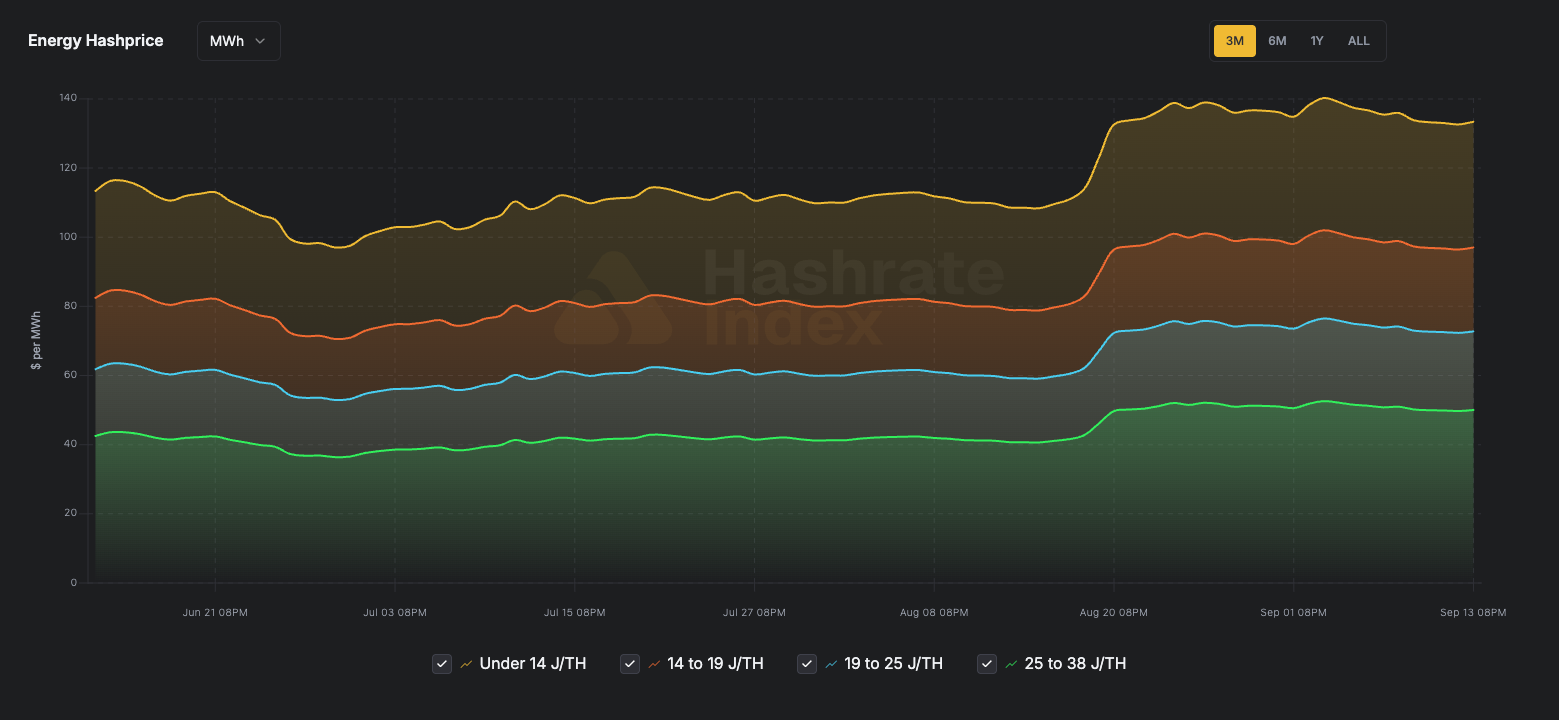
The Landscape of Web3 Marketing and Communications

The emergence of blockchain technology and cryptocurrencies has ushered in a new era of digital interaction and economic models. This evolution has, in turn, created a demand for specialized marketing and communication strategies that can effectively engage audiences within this nascent and often complex domain. Unlike traditional marketing, Web3 marketing requires a nuanced understanding of decentralized principles, community building, tokenomics, and the regulatory environment. Agencies like Coinbound play a crucial role in bridging the gap between these innovative technologies and mainstream adoption.

The "Global Most Reviewed Advertising and Marketing Agencies for 2024" list serves as a barometer for industry performance, reflecting the collective experiences and satisfaction levels of clients worldwide. Inclusion on such a list is not merely an honor but a testament to an agency’s operational excellence, client-centric approach, and ability to deliver tangible outcomes. For Coinbound, this recognition signifies a validation of its strategic investments in talent, technology, and client relationships within the highly competitive Web3 marketing sphere.

A Chronology of Growth and Recognition

While the specific timeline for the "Global Most Reviewed Advertising and Marketing Agencies for 2024" list’s compilation is proprietary to the awarding body, Coinbound’s trajectory indicates a steady climb to prominence. Founded with a clear vision to serve the burgeoning crypto and blockchain markets, the agency has systematically built its expertise and client base.

Early Stages (Hypothetical Timeline):

  • Founding and Initial Focus: Coinbound likely began by focusing on foundational marketing services tailored to early-stage crypto projects, emphasizing community engagement and social media presence.
  • Expansion of Services: As the market matured, Coinbound would have expanded its service offerings to include more sophisticated strategies like influencer marketing, public relations, and content creation designed for a technically savvy audience.
  • Strategic Partnerships: Building relationships with key blockchain platforms and projects would have been crucial for gaining credibility and showcasing capabilities.

Mid-Growth Phase (Hypothetical Timeline):

  • Development of Specialized Expertise: The agency would have honed its skills in specific niches such as investor relations for token offerings (ICOs, IEOs, STOs), crisis communications to manage reputational damage in a volatile market, and corporate communications to build trust with traditional stakeholders.
  • Client Successes: A series of successful campaigns for prominent clients would have served as powerful case studies, attracting larger and more established projects.
  • Industry Recognition: Early awards and positive mentions in industry publications would have begun to shape Coinbound’s reputation.

Current Recognition (October 2023 onwards):

  • Inclusion in Global Lists: The recent recognition as one of the "Global Most Reviewed Advertising and Marketing Agencies for 2024" signifies the culmination of years of dedicated effort and client success. This award is likely based on aggregated client reviews and ratings over a specified period, potentially spanning the last 12-24 months leading up to the award’s announcement.
  • Focus on Future Growth: With this validation, Coinbound is positioned to further solidify its leadership and continue innovating in areas like decentralized marketing, metaverse activations, and Web3 community governance.

Supporting Data and Industry Trends

The global cryptocurrency market capitalization has experienced significant fluctuations, ranging from hundreds of billions to trillions of dollars over recent years. This volatility, while presenting challenges, also underscores the immense potential and investor interest in the sector. Marketing efforts within this space are therefore critical for attracting and retaining capital, fostering user adoption, and building sustainable projects.

According to industry reports from firms like Statista and Grand View Research, the global digital marketing market is projected to continue its upward trajectory, with specialized segments like blockchain and Web3 marketing expected to grow at an even faster pace. For instance, projections often cite double-digit compound annual growth rates (CAGRs) for the broader blockchain technology market, which directly influences the demand for related marketing services.

Key Trends Influencing Web3 Marketing:

  • Community-Centric Approaches: Unlike traditional top-down marketing, Web3 thrives on community engagement. Successful campaigns often involve fostering active, participatory communities around projects.
  • Decentralized Autonomous Organizations (DAOs): The rise of DAOs presents new avenues for marketing and governance, requiring agencies to understand how to engage with decentralized decision-making bodies.
  • Metaverse and NFTs: The growing interest in the metaverse and non-fungible tokens (NFTs) has opened up new frontiers for brand experiences, virtual events, and digital asset marketing.
  • Regulatory Scrutiny: The crypto space faces increasing regulatory attention globally. Effective investor relations and crisis communications are paramount for navigating these complexities and maintaining trust with both retail and institutional investors.

Coinbound’s expertise in these diverse areas, particularly in investor relations and crisis communications, is invaluable. A well-managed investor relations strategy can attract significant funding, build long-term shareholder value, and ensure compliance. Similarly, in an industry prone to FUD (Fear, Uncertainty, and Doubt) and market manipulation, robust crisis communication plans are essential for protecting a project’s reputation and maintaining market stability.

Official Responses and Industry Perspectives

The recognition of Coinbound by the "Global Most Reviewed Advertising and Marketing Agencies for 2024" list is likely to elicit reactions from various stakeholders within the blockchain and crypto ecosystem. While specific quotes from other industry leaders are not provided in the original announcement, it is reasonable to infer potential responses:

  • Clients: Current and past clients would likely express pride and reaffirm their positive experiences with Coinbound, highlighting specific successes or the agency’s ability to overcome challenges. For example, a representative from Gala Games might comment on how Coinbound helped them navigate a complex product launch, or an executive from Immutable could speak to their successful investor outreach.

  • Competitors: Other marketing agencies operating in the Web3 space might acknowledge Coinbound’s achievement, perhaps by issuing a statement of congratulations or by using the recognition as a benchmark for their own performance. This competitive acknowledgement reinforces the significance of the award.
  • Industry Analysts: Market analysts and researchers specializing in blockchain and digital assets would likely view this recognition as a positive indicator of the maturity and professionalism within the Web3 marketing sector, and specifically of Coinbound’s leadership position. They might further analyze Coinbound’s success factors, such as its strategic focus, client acquisition strategy, and service diversification.
  • Technology Providers: Companies that provide underlying blockchain infrastructure or marketing technology solutions might see Coinbound’s success as a testament to the effectiveness of their own platforms when utilized by leading agencies.

The award itself, by compiling reviews and feedback, inherently involves a form of peer review within the client-agency relationship. The aggregate nature of such an award suggests that Coinbound has consistently met or exceeded client expectations across a broad spectrum of services, which is a significant achievement in a sector known for its rapid pace of change and demanding clientele.

Broader Impact and Implications for the Web3 Ecosystem

Coinbound’s recognition has several implications for the broader Web3 ecosystem:

  • Validation of Specialized Marketing: The award underscores the growing need for highly specialized marketing and communication expertise within the blockchain and crypto industries. It signals that generic marketing approaches are insufficient and that agencies with deep domain knowledge are essential for success.
  • Enhanced Credibility for Web3 Brands: When a leading agency like Coinbound is recognized for its excellence, it lends credibility not only to the agency but also to the brands it represents. This can attract more traditional investors and mainstream consumers to the Web3 space.
  • Setting Industry Standards: By excelling in areas like investor relations and crisis communications, Coinbound contributes to raising the bar for professionalism and ethical conduct within the crypto industry. This can help to mitigate risks and foster a more stable and trustworthy environment for all participants.
  • Talent Attraction: Such prestigious recognition can attract top talent to Coinbound and the Web3 marketing sector in general. As more skilled professionals are drawn to this field, the overall quality and innovation within Web3 marketing are likely to increase.
  • Catalyst for Further Innovation: The focus on areas like blockchain and crypto marketing suggests that these sectors are moving beyond their initial speculative phases and into periods of sustained growth and development, requiring sophisticated and strategic communication to support this evolution. The ongoing development of decentralized technologies and the metaverse will undoubtedly continue to present new and exciting marketing opportunities that agencies like Coinbound will be at the forefront of exploring.

In conclusion, Coinbound’s inclusion in the Global Most Reviewed Advertising and Marketing Agencies for 2024 list is a significant achievement that validates its leadership, expertise, and client-centric approach in the dynamic Web3 and cryptocurrency markets. The agency’s ability to excel across diverse communication disciplines positions it as a vital partner for brands seeking to navigate and thrive in this rapidly evolving digital landscape. As the industry continues its maturation, the contributions of agencies like Coinbound will be increasingly critical in shaping its future.

June 24, 2025 0 comment
0 FacebookTwitterPinterestEmail
NFTs & Digital Collectibles

Bronny James’ Nike Logo Sparks Trademark Dispute with Golf Apparel Brand

by Pevita Pearce June 22, 2025
written by Pevita Pearce

The burgeoning career of Bronny James, son of NBA icon LeBron James, has hit an unexpected snag as his newly unveiled Nike collaboration, featuring a custom logo, faces a trademark challenge. The sportswear giant’s attempt to secure federal trademark protection for James’ "B9" emblem has been met with a swift objection, citing alleged similarities to an existing logo belonging to Austin-based Back 9 Golf Apparel. This development has ignited a firestorm of discussion among fans and industry observers, highlighting the complex and often contentious landscape of brand identity and intellectual property in the modern marketplace.

The Genesis of the Logo and the Dispute

Bronny James, a highly touted basketball prospect himself, has been steadily carving out his own niche in the sports and fashion world. His recent collaboration with Nike, a brand synonymous with his legendary father, was a significant milestone. The centerpiece of this partnership is a distinctive logo, a stylized lowercase "b" with the number "9" artfully integrated within its design. This emblem was intended to adorn a range of Nike products, including footwear, apparel, and sports jerseys, marking James’s entry into the branded merchandise arena.

However, the routine trademark filing submitted by Nike encountered an immediate obstacle. The United States Patent and Trademark Office (USPTO) flagged the application due to a potential conflict with a pre-existing trademark. The opposing mark belongs to Back 9 Golf Apparel, a company that also utilizes a "B9" logo. This discovery has thrust both brands and their respective logos into the spotlight, raising questions about visual distinctiveness and consumer confusion.

Examining the Logos: A Visual Comparison

At the heart of the dispute lies the visual presentation of the two "B9" logos. Nike’s filing for Bronny James’ emblem showcases a modern, fluid design where the curved form of a lowercase "b" seamlessly cradles the numeral "9." This aesthetic is sleek and contemporary, aiming to capture the youthful energy and athletic prowess associated with James.

In contrast, Back 9 Golf Apparel’s existing logo, as depicted in available imagery, features cleaner, bolder letterforms. While also incorporating the "B" and "9," the execution is markedly different, often presented with a more traditional or classic typeface. The golf brand’s logo typically emphasizes straightforward typography, aiming for clarity and immediate recognition within its market.

Despite these apparent visual differences, the USPTO’s preliminary decision suggests that the logos are considered "identical in appearance, sound, connotation, and commercial impression." This assessment is rooted in several factors, including the shared alphanumeric designation ("B9") and, crucially, the fact that both entities operate within the sports apparel sector. The argument posits that consumers, upon encountering these logos on sports-related merchandise, could be led to believe that the products originate from or are endorsed by the same source.

That bizarre Bronny James logo battle is NOT fake news

Fan Reactions and Public Perception

The news of the trademark dispute has been met with a significant outpouring of sentiment from fans, primarily expressed across social media platforms like X (formerly Twitter) and Reddit. A prevailing sentiment among these reactions is one of confusion and disbelief. Many supporters of Bronny James and Nike find it difficult to reconcile the USPTO’s ruling with their own visual interpretations of the logos.

Comments such as "Hard to believe this isn’t the Onion or some parody. Never in a million years would I ever confuse one of those logos for the other if I was shopping in a sports gear store," and "Nahh that’s not similar at all. Are they trademarking putting a number inside of a letter??" reflect a widespread sentiment that the visual distinctions are clear and that the potential for consumer confusion is minimal. This disconnect between official legal interpretation and public perception underscores the subjective nature of brand recognition and the emotional investment fans often have in their favorite athletes and brands.

The Legal Framework of Trademark Law

Trademark law is designed to protect brands from infringement and to prevent consumers from being misled about the origin or affiliation of goods and services. When a company seeks to trademark a logo or name, it undergoes a review process by a trademark office, such as the USPTO. This process involves searching existing databases for similar marks that are already in use or have been registered.

A key consideration in trademark disputes is the "likelihood of confusion" standard. This legal test examines whether a reasonably prudent consumer would be likely to believe that the goods or services offered under the disputed mark originate from, are sponsored by, or are affiliated with the owner of the prior mark. Factors considered include the similarity of the marks themselves (in appearance, sound, and meaning), the similarity of the goods or services, the marketing channels used, and the degree of care likely to be exercised by consumers.

In this case, while the visual designs of the "B9" logos may differ, the USPTO’s objection likely hinges on the shared alphanumeric designation and the overlapping commercial sectors. The sale of sports apparel by both Nike (for Bronny James) and Back 9 Golf Apparel creates a fertile ground for potential confusion, especially if marketing efforts or product placements place them in similar retail environments.

Historical Precedents and Broader Implications

The Bronny James logo dispute is by no means an isolated incident in the world of branding and intellectual property. The history of trademark law is replete with high-profile cases where prominent brands have clashed over similar logos, names, or slogans. These disputes can arise across diverse industries, from fashion and food to technology and entertainment.

For instance, the fashion industry frequently sees legal battles over design similarities. In a separate case, pop superstar Taylor Swift recently engaged in a legal dispute with Swift Homes over the use of a cursive font. Similarly, even automotive giants like Ferrari have found themselves in unexpected legal confrontations, including a notable instance where they lost a logo battle against a lesser-known entity. These examples illustrate that no brand, regardless of its size or prominence, is immune to the complexities of trademark law.

That bizarre Bronny James logo battle is NOT fake news

The implications of this trademark challenge for Bronny James and Nike are multifaceted. If Nike is unable to secure the trademark for the "B9" logo, it may be forced to rebrand the collection, develop an entirely new logo, or pursue a settlement with Back 9 Golf Apparel. Such a scenario could lead to delays in product launches, additional design and marketing costs, and potentially a diminished impact on the initial rollout of James’s branded merchandise.

For Bronny James, this situation adds another layer of scrutiny to his burgeoning career. While it presents a challenge, it also offers an opportunity for him and his team to navigate the complexities of intellectual property, a crucial aspect of building a lasting brand.

The Path Forward: Potential Resolutions

Several avenues exist for resolving this trademark dispute. Nike and Back 9 Golf Apparel could engage in negotiations to reach a mutually agreeable settlement. This might involve licensing agreements, where one party pays the other for the right to use the mark, or an outright purchase of the trademark.

Alternatively, the case could proceed through formal legal channels, potentially leading to a ruling from the USPTO or, if appealed, from the courts. Given the subjective nature of trademark law and the potential for lengthy legal battles, parties often seek to resolve such issues outside of protracted litigation.

The outcome of this dispute will not only impact Bronny James’s product line but could also set a precedent for how similar cases involving athletes’ personal brands and major corporations are handled in the future. It serves as a stark reminder of the importance of thorough due diligence in the branding process and the intricate legal framework that governs the creation and protection of intellectual property in today’s competitive global market.

As the situation unfolds, the sports and business worlds will be watching closely, keen to see how this high-profile trademark challenge is resolved and what lessons can be drawn from this legal entanglement. The case underscores that even with a powerful brand like Nike backing a rising star, the journey of establishing a unique and legally protected identity is fraught with potential pitfalls.

June 22, 2025 0 comment
0 FacebookTwitterPinterestEmail
Newer Posts
Older Posts

Recent Posts

  • Ripple Treasury Network Expansion Triggers Speculative 625 Dollar XRP Valuation Analysis Amidst 13000 Bank Integration
  • Analyst Says Bitcoin Is Set To Close This Month In The Red, Here’s Why
  • XRP, Solana, Cardano, BNB, DOGE Primed For Huge Expansion If Ethereum Attains This Milestone
  • Justin Sun Files Federal Lawsuit Against World Liberty Financial Over Token Freeze and Governance Disputes
  • Ripple Collaborates with Crypto ISAC to Combat North Korean Cyber Threats Using AI-Powered Intelligence Sharing

Recent Comments

No comments to show.
  • Facebook
  • Twitter

@2021 - All Right Reserved. Designed and Developed by PenciDesign


Back To Top
Crypto Gohan
  • Home

We are using cookies to give you the best experience on our website.

You can find out more about which cookies we are using or switch them off in .

Crypto Gohan
Powered by  GDPR Cookie Compliance
Privacy Overview

This website uses cookies so that we can provide you with the best user experience possible. Cookie information is stored in your browser and performs functions such as recognising you when you return to our website and helping our team to understand which sections of the website you find most interesting and useful.

Strictly Necessary Cookies

Strictly Necessary Cookie should be enabled at all times so that we can save your preferences for cookie settings.