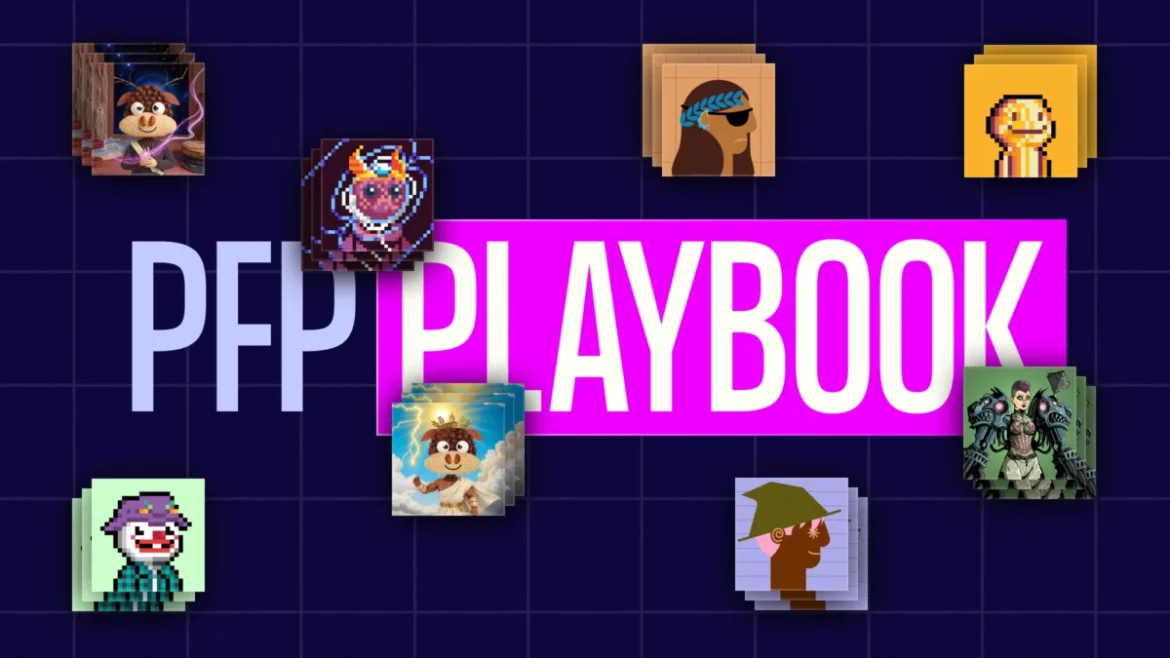
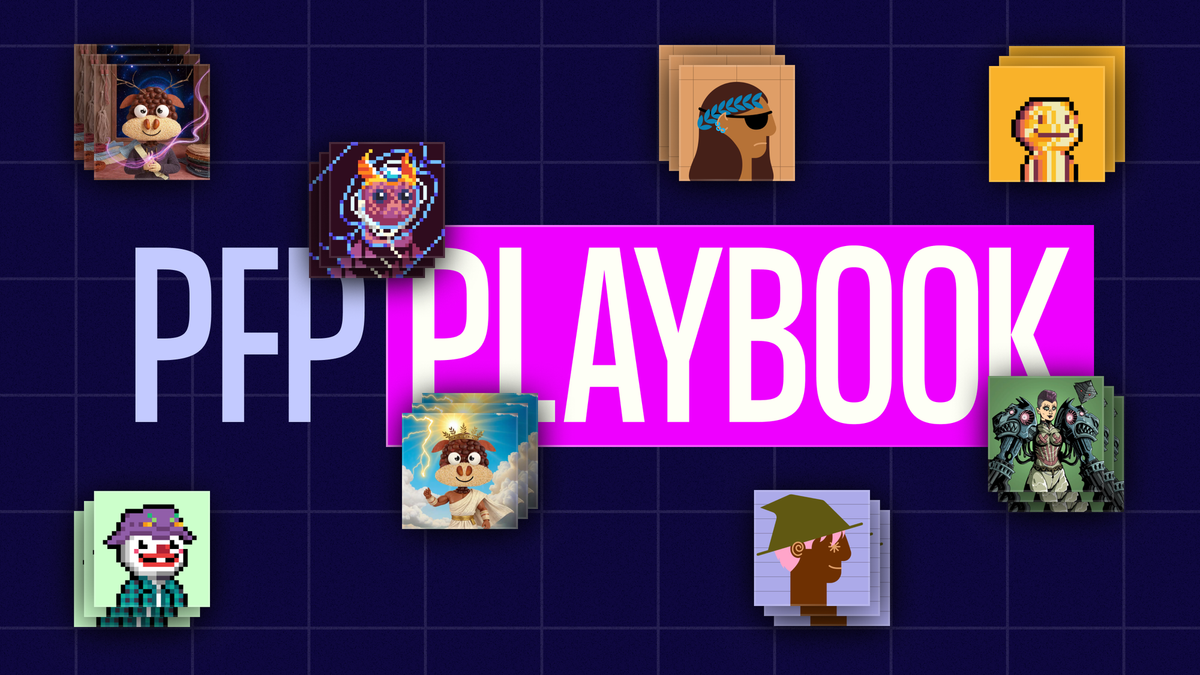
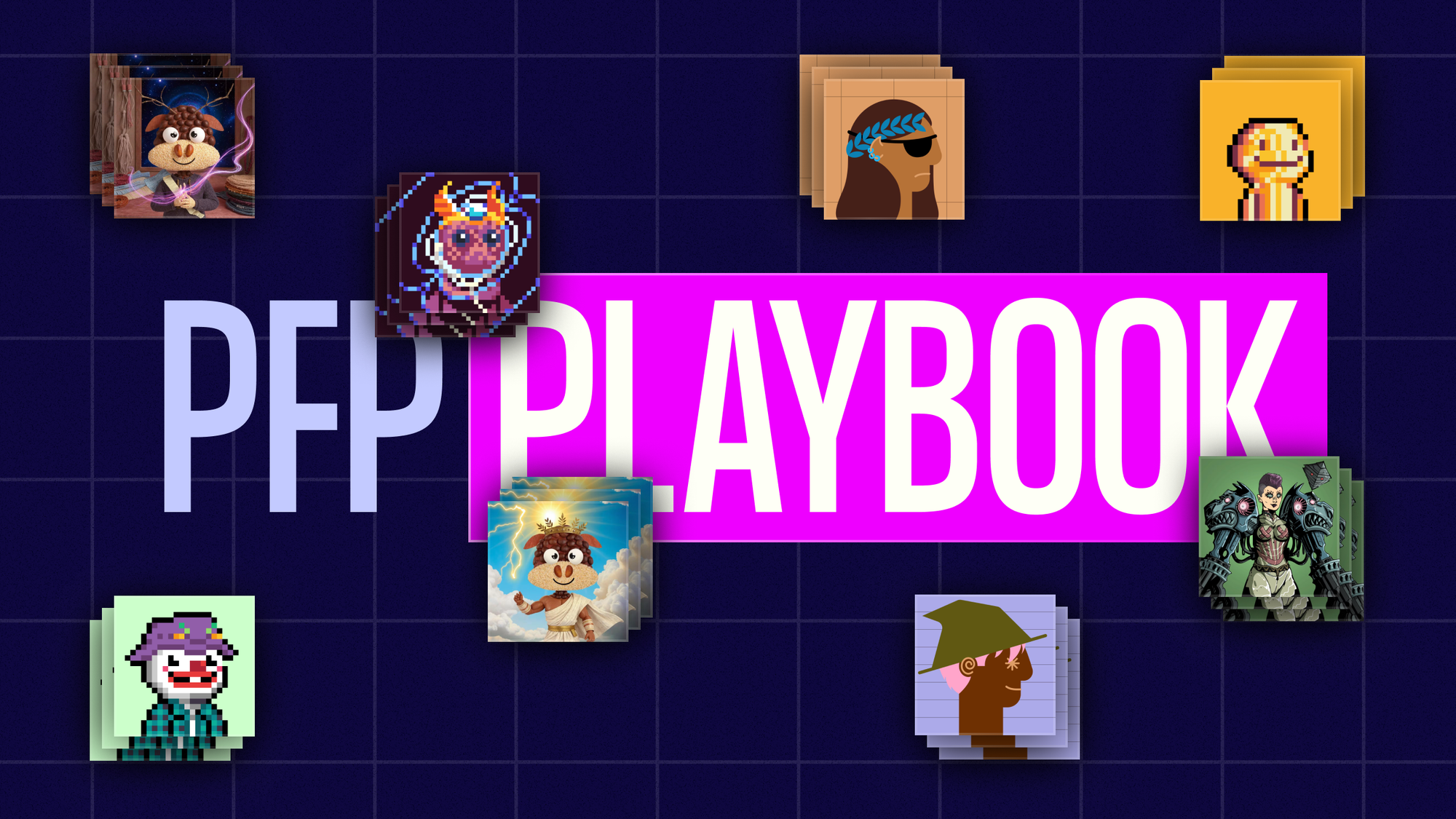
In the rapidly evolving landscape of Web3, the power of community cannot be overstated. For new blockchains, decentralized applications, and innovative brands, cultivating a strong and engaged user base is paramount to success. Increasingly, a dynamic strategy for achieving this involves the launch of Profile Picture (PFP) NFT collections. These digital assets have emerged as potent tools for bootstrapping communities, generating significant hype, and demonstrating the underlying infrastructure’s capability from day one. This approach serves as a critical go-to-market (GTM) component, capable of driving user acquisition, fostering cultural capital, and ultimately proving the viability of a project.
The strategic deployment of PFP collections can act as a powerful wedge into broader ecosystem development. For new Layer 1 (L1) and Layer 2 (L2) blockchains, a PFP drop offers a lightweight yet effective method to incentivize user acquisition and activity. It builds reputation and cultural currency, crucial elements in the competitive Web3 space. Furthermore, these drops serve as tangible proof points, demonstrating that the network’s infrastructure is robust enough to handle significant user engagement and transaction volumes. The success of numerous projects highlights the efficacy of this strategy, transforming simple digital art into foundational elements of a robust GTM framework.
Real-World Examples of PFP-Driven Success
The transformative potential of PFP collections is best illustrated through real-world case studies. These projects have moved beyond the confines of digital art to become multifaceted brand activation tools with measurable commercial outcomes.
One of the most prominent examples is Pudgy Penguins. This collection, initially launched as a series of unique digital avatars, strategically evolved its roadmap to integrate with the physical world. By leveraging their NFTs, Pudgy Penguins unlocked a direct-to-consumer retail strategy, culminating in the launch of physical toys. This initiative saw significant success, including a notable in-store presence at Walmart, a mainstream retail giant. The Ice King Pudgy NFT, a particularly rare piece from the collection, reportedly sold for 120 ETH, equating to approximately $440,000 at the time of sale, underscoring the substantial value that can be generated and recognized within these communities. This expansion from digital to physical demonstrates a sophisticated understanding of brand extension and community value.
Another compelling case is World of Women. This collection has built a robust IP-centric platform by focusing on empowerment and representation. Their strategy involved forging strategic partnerships with established consumer brands and entertainment platforms. This approach significantly expanded the distribution and utility of their NFTs, embedding the World of Women brand into various cultural touchpoints. By creating a narrative around inclusivity and creativity, they have fostered a loyal and growing community that actively participates in and benefits from the ecosystem’s expansion.
The Doodles project exemplifies the rapid evolution from a PFP collection to a full-fledged entertainment brand. Originating as a collection of 10,000 unique PFPs, Doodles quickly diversified its offerings to include animated content, original music, and high-profile collaborations with cultural icons like Pharrell Williams and major brands such as Adidas. This trajectory highlights how a strong PFP foundation can serve as a launchpad for broader media and entertainment ventures, leveraging the existing community’s enthusiasm and the inherent virality of Web3 culture.
These examples collectively illustrate that PFP collections are far more than just speculative digital assets; they are sophisticated GTM infrastructure capable of driving significant real-world impact and commercial success.
The PFP Playbook: A Framework for Go-to-Market Success

To harness the power of PFP collections effectively, a structured approach is essential. Rarible, a prominent NFT marketplace and launch partner, has supported numerous high-profile PFP launches across emerging networks. Each project, while unique in its approach to community structure, utility, and on-chain integration, has leveraged NFTs as a strategic tool for user acquisition, ecosystem signaling, and long-term engagement.
Rarible’s involvement in pivotal PFP launches for projects like Scope, Camp, and Espresso Network provides valuable insights into a replicable GTM framework. These initiatives demonstrate how different strategies can be employed based on specific GTM priorities, all while utilizing NFTs as a core component.
GTM Framework: What a PFP Drop Can Unlock
A well-designed PFP drop can unlock several key GTM objectives, serving as a multi-faceted growth engine:
- Early User Acquisition: PFP drops are highly effective at attracting the initial cohort of users – individuals who are willing to invest their time, resources, and belief in a project’s early vision. These early adopters often become the most passionate advocates and contributors to the ecosystem.
- Kickstarting On-Chain Activity: The acquisition of NFTs naturally encourages users to engage with the underlying blockchain and its applications. Minting, transacting, and interacting with dApps within the ecosystem become natural extensions of owning an NFT, thereby stimulating on-chain activity from the outset.
- Signaling Momentum: A successful and high-profile PFP drop sends a strong signal to the broader market. It indicates that the project is gaining traction, attracting attention from users, developers, and potential partners alike, thereby building credibility and fostering further investment and collaboration.
- Utility and Access Layer: PFPs can be designed to serve as more than just digital collectibles. They can act as keys to unlock exclusive features, gated community channels, special rewards, or even direct access to development teams, thereby creating tangible value for holders.
- Long-Tail Retention: By offering both financial and social upside, PFP collections can ensure sustained user engagement over the long term. This can include airdrops, staking rewards, community governance participation, or the evolution of the NFT’s utility over time, keeping holders invested and active.
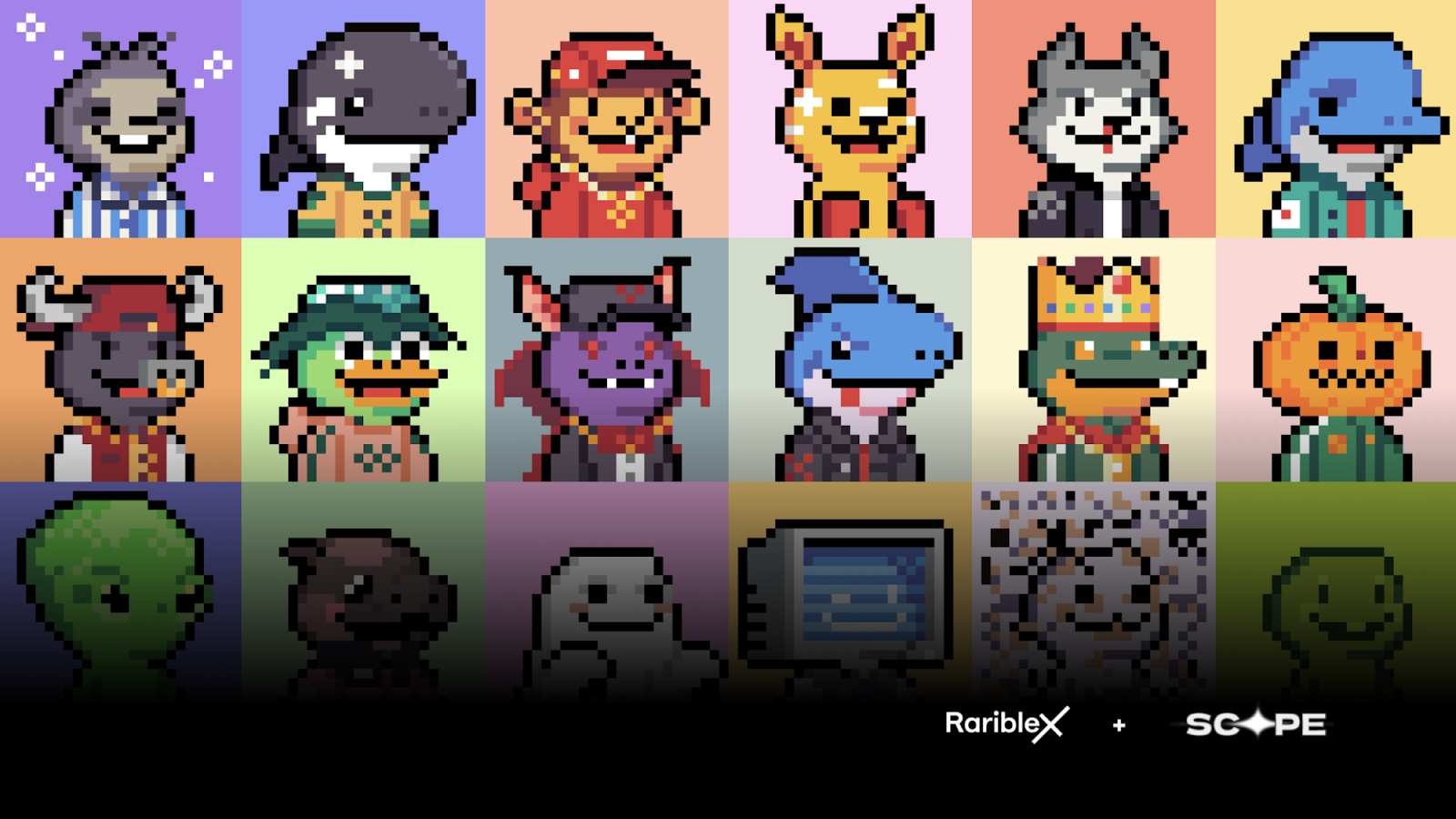
Case Study 1: Building a Brand Narrative with After School Club (ASC) on Scope
- Objective: To launch a creator-focused NFT marketplace on the new Eclipse chain and establish Scope’s positioning as a key application within its ecosystem.
- Drop Overview: The After School Club (ASC) collection was designed to embody the spirit of creativity and collaboration, aligning perfectly with the vision of a creator-centric marketplace. The collection’s artistic direction and narrative aimed to resonate with digital artists and collectors looking for a platform that understood and amplified their work.
- GTM Mechanics: The drop leveraged scarcity and community engagement to build anticipation. Pre-launch activities likely included exclusive previews, artist spotlights, and interactive community sessions on platforms like Discord and Twitter, fostering a sense of belonging and co-ownership. The mint itself was designed to be accessible yet exclusive, rewarding early supporters.
- Results: The ASC launch successfully signaled Scope’s commitment to the creator economy and its integration with the Eclipse chain. The collection’s narrative resonated deeply, attracting a passionate community of artists and collectors. Alucard, Co-founder of ASC and Community Lead at the Eclipse Foundation, noted, "We’ve been building momentum and trust with our community for over seven months, engaging with them daily through AMAs, gathering their feedback, and truly listening to what they wanted from this collection." This long-term community cultivation was instrumental in the drop’s success and the subsequent growth of the Scope marketplace.
Case Study 2: Growing Hype in the Testnet Phase with TrailHeads by Camp Network
- Objective: To utilize a narrative-driven PFP drop to onboard value-aligned users into the Camp ecosystem during its crucial testnet phase.
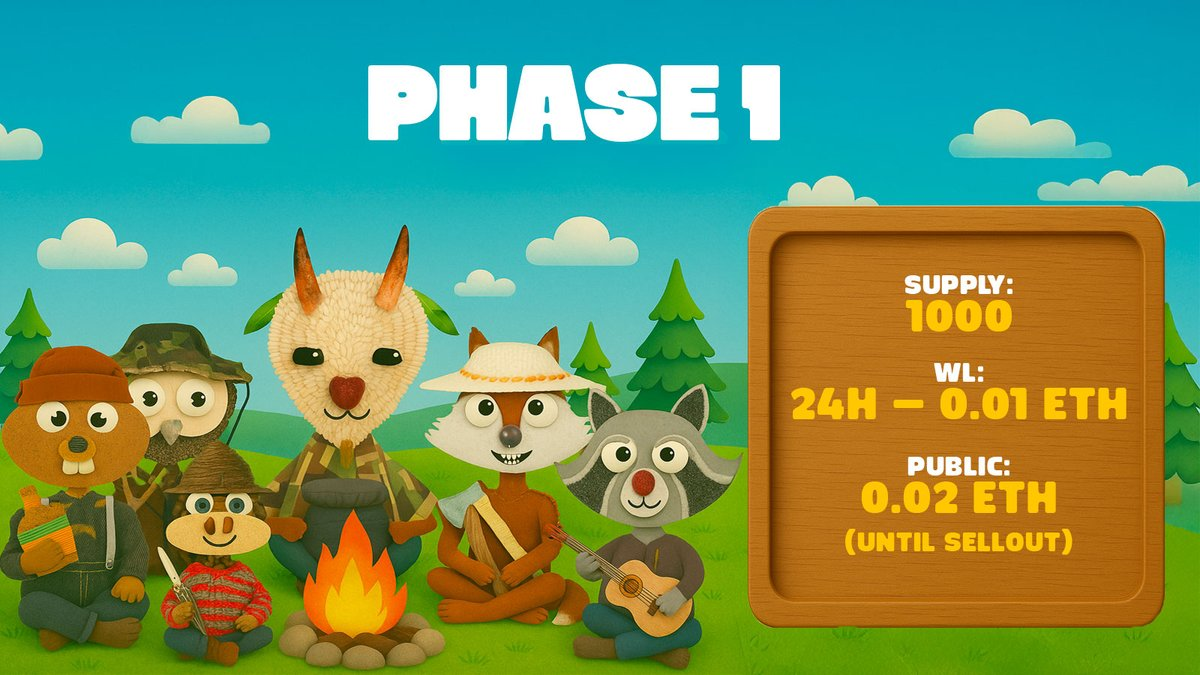
- Drop Overview: TrailHeads, the PFP collection by Camp Network, was crafted with a compelling narrative that appealed to users seeking authentic and community-driven experiences. The collection’s theme likely revolved around exploration, discovery, and shared journeys, mirroring the development and testing phase of a new blockchain network.
- GTM Mechanics: The strategy focused on building hype and engagement during the testnet phase, a period when user participation is vital for stress-testing and feedback. This involved incentivizing users to interact with the Camp network’s testnet features, with TrailHeads acting as a reward and identifier for early contributors. Community events, leaderboards, and exclusive access to testnet features for TrailHeads holders likely played a significant role.
- Results: The TrailHeads collection proved instrumental in elevating Camp’s brand and community during its formative stages. The NFTs acted as a powerful magnet for new users, sparking a multitude of creative content and fostering a strong sense of camaraderie among holders. Usman, Head of Community at Camp, commented, "TrailHeads have played a key role in elevating Camp’s brand and community. The collection has helped bring new users into the ecosystem, sparked countless creative content, and has brought holders closer to the Camp community. They’ve been one of the focal points in our road to mainnet through several campaigns we’ve been running." This demonstrates how PFPs can be effective even before a mainnet launch, driving crucial engagement during development.
Case Study 3: Showcasing Chain Technology with The Composables by Espresso Network
- Objective: To activate an early adopter community and demonstrably showcase Espresso’s cross-chain infrastructure through a modular, narrative-driven PFP drop.
- Drop Overview: The Composables collection was designed with modularity and interoperability at its core, directly reflecting Espresso Network’s technological proposition. The NFTs were conceptualized not just as static images but as components that could be combined and transferred across different chains, highlighting the network’s seamless cross-chain capabilities.
- GTM Mechanics: The primary GTM mechanic revolved around demonstrating the technical prowess of Espresso’s infrastructure. The minting and subsequent actions involving The Composables were designed to occur across multiple chains, showcasing the network’s ability to facilitate such interactions. This provided a practical, hands-on experience for early adopters, allowing them to witness the technology in action. Early access to specific features or the ability to participate in future cross-chain initiatives likely served as additional incentives.
- Results: The Composables launch successfully activated an early adopter community and served as a compelling showcase for Espresso’s cross-chain technology. The collection sold out, indicating strong community interest and belief in the project’s vision. Jill Gunter, CSO at Espresso Network, highlighted the project’s forward-looking intent: "Unlike most NFT collections – wherein the NFTs are difficult to migrate from one chain to another – the goal with The Composables is to leverage Espresso to get them moving seamlessly throughout the Espresso ecosystem. We are excited to be working on products and features that will enable this functionality over the coming months." This successful drop, as announced by Rarible on Twitter, marked a significant milestone, with the tweet stating, "Big day for the @EspressoSys ecosystem! The Composables are officially sold out! Appreciate everyone who minted and stayed patient. This is just the beginning. Drop your Composables below! We’ll be sharing them on the timeline." This demonstrates the tangible success and community enthusiasm generated by a technologically aligned PFP drop.
GTM Playbook: Key Replicable Strategies
Based on these successful launches, a clear playbook for replicating PFP-led GTM strategies emerges:
-
Align the Drop with Your Product or Chain Narrative: The PFP collection should not be an afterthought but an integral part of the overarching GTM thesis. Each drop must reflect the project’s core value proposition. For ASC, it was about creators; for TrailHeads, it was about contributors and the journey; and for Composables, it was about cutting-edge infrastructure. This tight linkage ensures authenticity and resonance with the target audience.
-
Incentivize On-Chain Behavior: The minting of an NFT should be the beginning, not the end, of user engagement. Strategic design should leverage the NFT as a trigger for further participation. This can manifest as early access to beta versions, exclusive access to gated community channels, participation in gamified quests, or eligibility for future reward programs. By linking NFT ownership to tangible on-chain actions, projects can foster a more active and invested user base.
-
Design with Utility from Day One: Beyond aesthetic appeal, the utility of the NFT must be a primary consideration from the initial design phase. This utility can take many forms: granting access to specific features or services, evolving dynamically over time based on user interaction or external events, or enabling direct interaction with decentralized applications. Making the asset demonstrably useful imbues it with lasting value and encourages sustained engagement.
-
Think Beyond the Drop: A robust post-mint roadmap is crucial for maintaining holder engagement and continuing the growth trajectory. This roadmap should outline clear plans for the future, which may include airdrops of additional assets or tokens, community activations and events, exclusive perks and benefits through partnerships, or the implementation of dynamic mechanics that allow the NFT to evolve. A well-defined post-mint strategy ensures that the community remains engaged and that the value proposition of the PFP collection continues to grow.
The Enduring Impact of PFP Collections in Web3
PFP collections have transcended their status as a mere Web3 novelty. They are now recognized as programmable assets with the capacity to unlock significant growth, drive user retention, and achieve substantial market traction when deployed strategically. For any entity launching a new blockchain, product, or brand into the Web3 ecosystem, PFP collections represent one of the most potent and versatile tools available in the GTM arsenal. Their ability to foster community, generate buzz, and serve as a foundation for future development makes them indispensable in today’s digital landscape.
For organizations seeking expert guidance in designing and executing a PFP strategy for their GTM campaigns, partnerships with experienced platforms like Rarible are invaluable. Rarible collaborates with leading ecosystems to facilitate end-to-end NFT launches, offering support that spans from the underlying infrastructure to sophisticated community engagement tactics. Engaging with such partners can be the decisive factor in transforming a PFP drop from a promising concept into a resounding success that drives lasting value and adoption.