
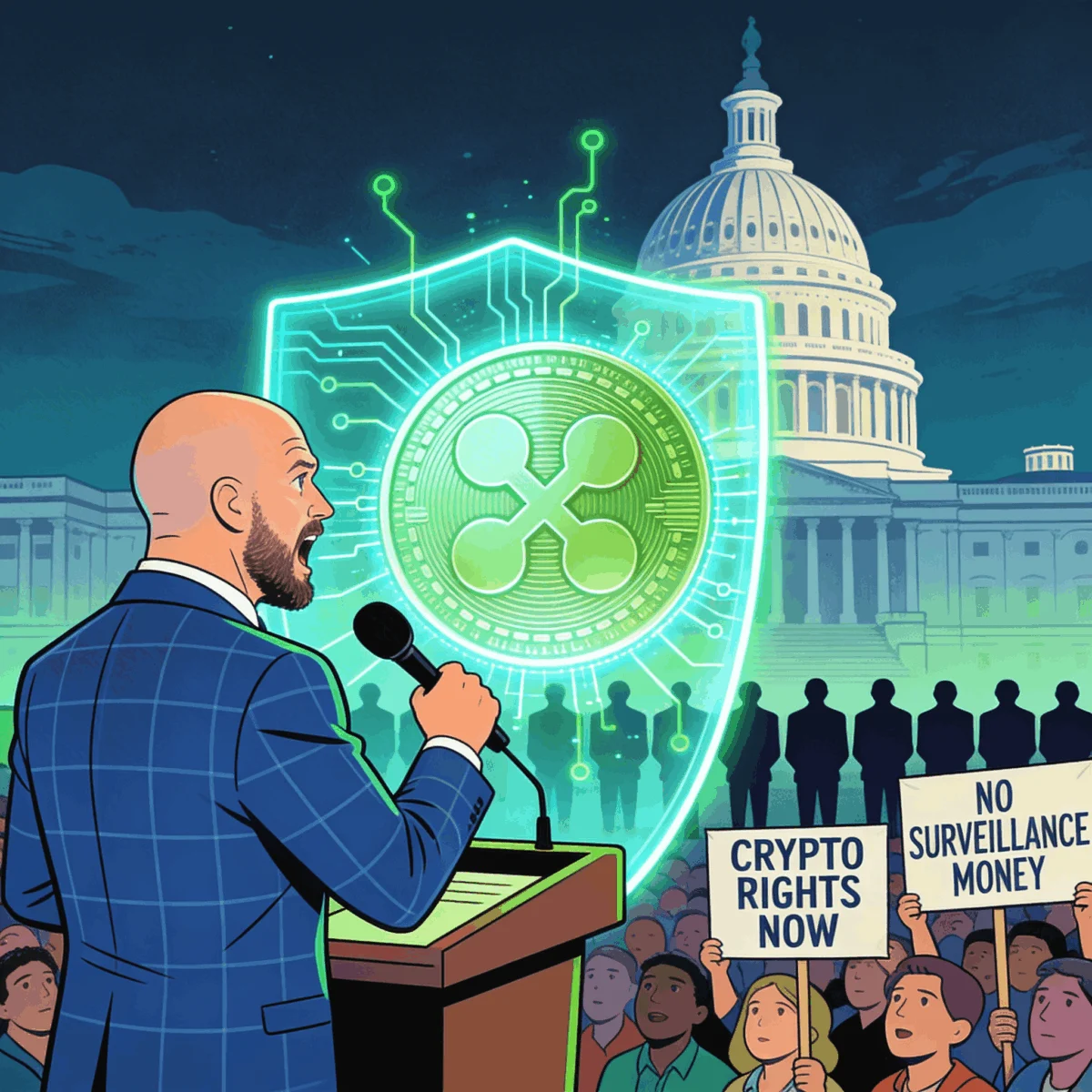
The landscape of digital asset regulation in the United States has reached a critical juncture, as prominent industry advocates warn that administrative guidance alone is insufficient to protect the future of American financial innovation. John Deaton, the attorney known for his role as amicus counsel for thousands of XRP holders, recently amplified a warning issued by Ripple CEO Brad Garlinghouse, asserting that the U.S. cannot afford a "Gensler 2.0" era. The core of their argument rests on the premise that without formal legislation passed by Congress, any progress made toward regulatory clarity remains vulnerable to the whims of changing political administrations. This dialogue, sparked by Garlinghouse’s interview with Maria Bartiromo on Fox Business, highlights a deep-seated anxiety within the sector regarding the "weaponization" of policy and the potential for a surveillance-oriented Central Bank Digital Currency (CBDC).
The Call for Statutory Clarity Over Administrative Discretion
The primary concern shared by Deaton and Garlinghouse is the fragility of current regulatory improvements. While the industry has seen a shift in tone under newer leadership and guidance from figures such as Paul Atkins at the Securities and Exchange Commission (SEC) and Michael Selig, Deaton argues that these gains are temporary. In his view, administrative guidance is a "house of cards" that can be dismantled by a successor who chooses to return to a strategy of "regulation by enforcement."
Garlinghouse’s "Gensler 2.0" comment refers to the tenure of former SEC Chair Gary Gensler, which was characterized by a series of high-profile lawsuits against major industry players, including Ripple, Coinbase, and LBRY. Under this approach, the SEC sought to classify the majority of digital tokens as securities through litigation rather than providing a clear, proactive rulebook. Deaton contends that the only way to "tie the hands" of future regulators and prevent a return to this aggressive posture is through an explicit act of Congress. Hard legislation would provide a permanent legal framework that survives administrative transitions, offering the "durable" clarity that institutional investors and developers require to remain in the U.S. market.
Historical Context: The SEC vs. Ripple Legacy
The urgency of this message is rooted in the protracted legal battle between the SEC and Ripple Labs, which began in December 2020. The SEC’s lawsuit alleged that Ripple had raised over $1.3 billion through the sale of XRP in an unregistered securities offering. This case became a bellwether for the entire industry, representing the first major challenge to the SEC’s authority to govern digital assets under the decades-old Howey Test.
In July 2023, Judge Analisa Torres issued a landmark summary judgment, ruling that XRP is not, in and of itself, a security. She distinguished between institutional sales, which were found to violate securities laws, and "programmatic" sales on public exchanges, which did not. This distinction provided the first major victory for the crypto industry against the SEC’s overreach. However, the years of litigation cost Ripple hundreds of millions of dollars in legal fees and, more importantly, created a "policy vacuum" that hindered the growth of the XRP ecosystem within the United States. Deaton, representing over 75,000 XRP holders, saw firsthand how the lack of legislative clarity directly impacted retail investors, many of whom saw their holdings devalued or frozen during the heat of the legal conflict.
The Political Divide and the "Anti-Crypto Army"
The debate over crypto policy is inextricably linked to the shifting political tides in Washington. Deaton specifically pointed to Senator Elizabeth Warren, who is slated to chair the Senate Banking Committee, as a primary reason for the industry’s concern. Senator Warren has long been a vocal critic of the digital asset space, famously stating her intention to build an "anti-crypto army."
Warren’s legislative efforts, such as the Digital Asset Anti-Money Laundering Act, have been criticized by industry proponents as being overly restrictive. Critics argue that her proposed policies would effectively force digital asset service providers to comply with banking regulations that are technically impossible for decentralized protocols to meet. This "bank-favored" approach is seen by Deaton and others as a deliberate attempt to stifle innovation in favor of traditional financial institutions. The prospect of a Senate Banking Committee led by Warren suggests that the legislative path forward will be fraught with resistance, making the push for industry-friendly, balanced legislation even more vital for the sector’s survival.
The CBDC Debate and Privacy Concerns
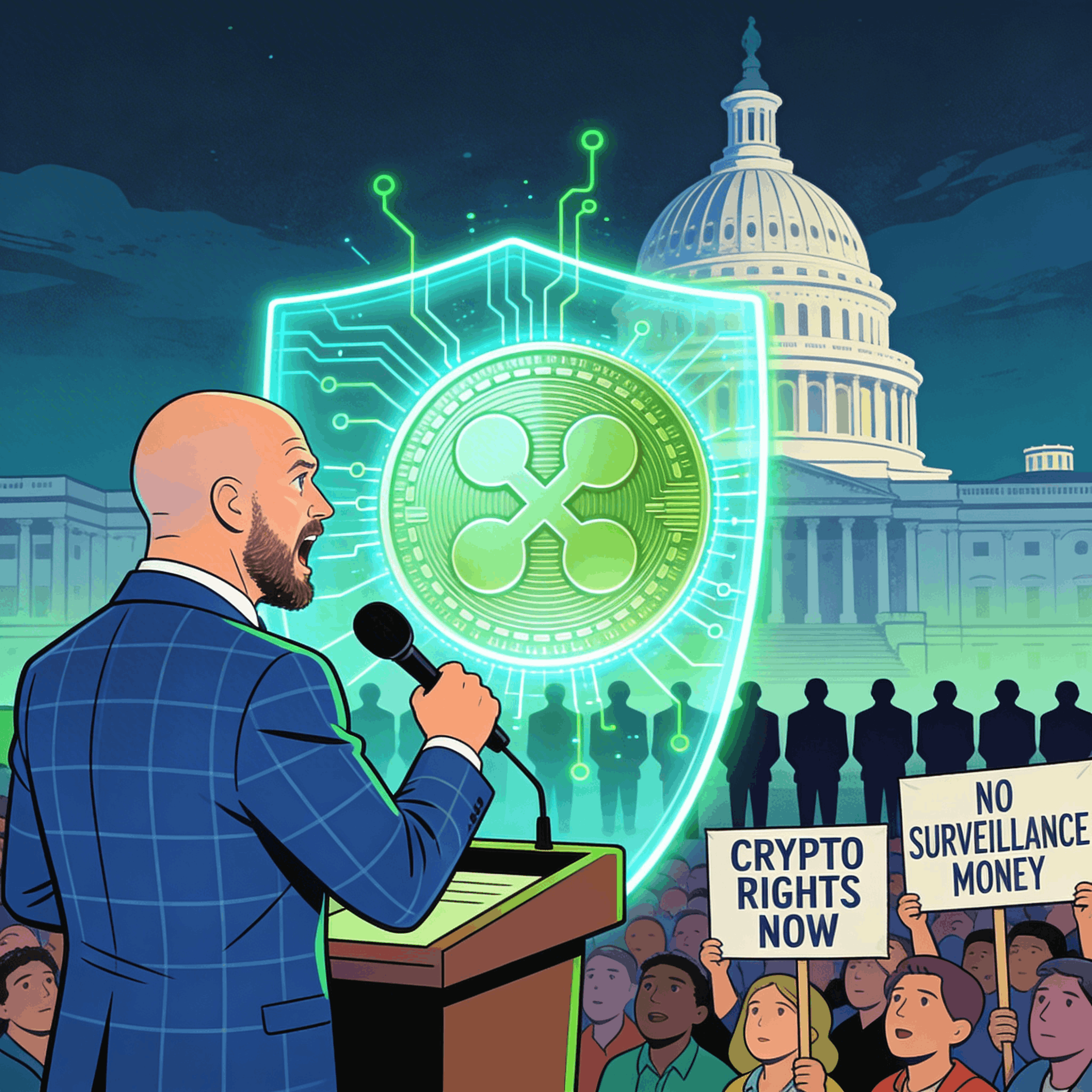
A significant portion of the current policy discourse focuses on the potential implementation of a U.S. Central Bank Digital Currency. Deaton argues that the only way to prevent the creation of a "surveillance-style" CBDC is through Congressional intervention. The concern among privacy advocates is that a government-issued digital currency could allow for unprecedented monitoring of individual financial transactions, potentially leading to a social credit-style system or the ability for the state to "turn off" access to funds.
While some policymakers view a CBDC as a necessary step to maintain the U.S. dollar’s dominance in a digital age, the crypto industry largely views it as an antithesis to the decentralized and private nature of blockchain technology. The debate has become a central pillar of the "crypto fight" in Washington, with legislative proposals emerging to ban the Federal Reserve from issuing a retail CBDC without explicit authorization from Congress. Deaton’s insistence on legislation is aimed at ensuring that any future digital dollar is subject to strict privacy protections and democratic oversight, rather than being implemented through executive or administrative fiat.
Global Competitiveness and Capital Flight
The warning from Garlinghouse and Deaton extends beyond legal technicalities to the broader economic health of the United States. Both leaders emphasized that regulatory uncertainty is driving "talent, liquidity, and innovation" to offshore jurisdictions. Regions such as the European Union, with its Markets in Crypto-Assets (MiCA) regulation, and financial hubs in Singapore, Dubai, and Hong Kong, have moved quickly to establish clear legal frameworks for digital assets.
The "bleeding out" of American capital markets is a growing concern for Fox Business and other market observers. Maria Bartiromo’s coverage has consistently highlighted the narrative that the U.S. is "losing the race" to define the next generation of financial infrastructure. If the U.S. continues to rely on enforcement-led policy, there is a risk that the "financial plumbing" of the future—including stablecoins, tokenized assets, and cross-border payment rails—will be built and controlled outside of American jurisdiction. This could have long-term implications for the U.S. dollar’s role as the global reserve currency and for the ability of the U.S. to enforce international financial standards.

Market Reaction: XRP’s Valuation and Investor Sentiment
Despite the regulatory hurdles, the market has shown significant resilience. As of late March 2026, XRP has reached a valuation of $1,300, a figure that reflects a massive shift in institutional adoption and market confidence. This price action suggests that investors are increasingly pricing in the "clarity" provided by previous legal victories and the anticipation of a more stable legislative environment.
The rotation of capital into assets like XRP, which are seen as having a clearer legal status following the Torres ruling, indicates that the market rewards regulatory certainty. Analysts suggest that if Congress were to pass a comprehensive digital asset bill, it could trigger a further "capital rotation" from traditional markets into the digital asset space. Such a bill would likely define the jurisdictions of the SEC and the Commodity Futures Trading Commission (CFTC), provide a pathway for legal token offerings, and establish consumer protection standards—all of which would reduce the "risk premium" currently associated with U.S.-based crypto firms.
Conclusion: The Stakes for the Future
The warnings from John Deaton and Brad Garlinghouse serve as a call to action for both the industry and policymakers. The message is clear: the U.S. cannot rely on the "goodwill" of current regulators to sustain its position in the global digital economy. Without a legislative foundation, the progress made toward integrating blockchain technology into the financial system remains reversible.
The coming months will be pivotal as the Senate Banking Committee, under new leadership, begins to shape the legislative agenda. The industry’s ability to move past the "Gensler 2.0" threat depends on whether Congress can find a bipartisan path to regulation that balances innovation with consumer protection. For advocates like Deaton, the fight is no longer just about a single token or a single court case; it is about ensuring that the United States remains a hospitable environment for the future of money and technology. If Washington fails to act, the risk is not just a loss of market share, but a fundamental shift in the global financial balance of power toward more proactive and welcoming jurisdictions.
