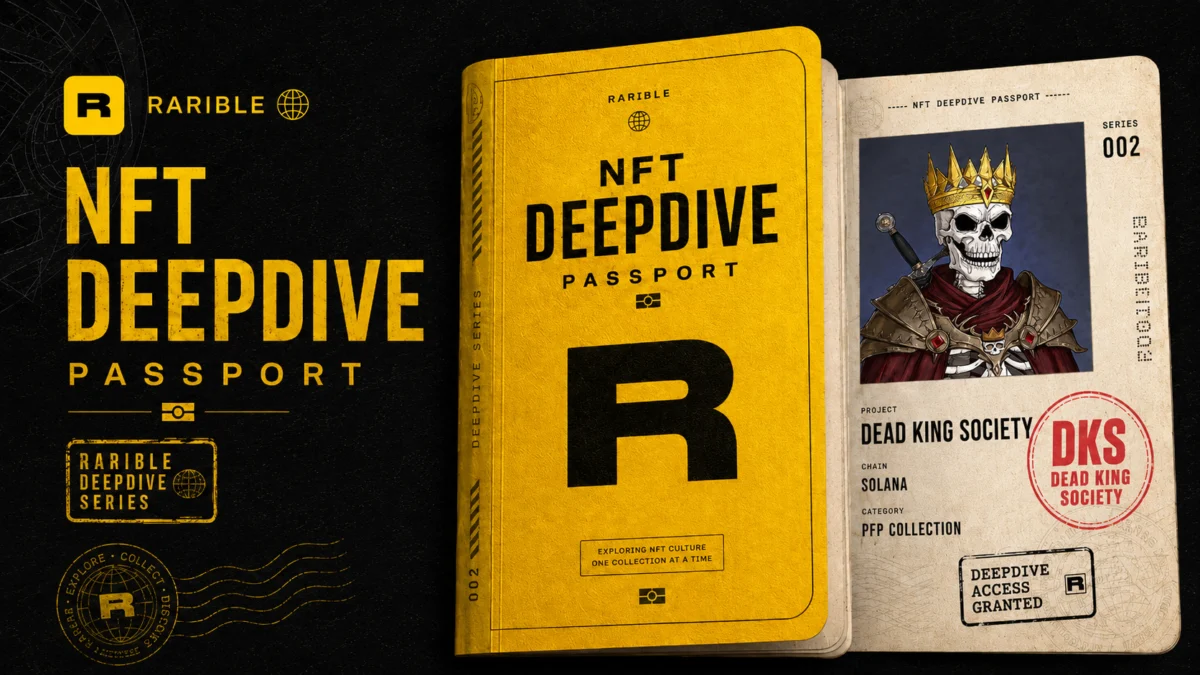
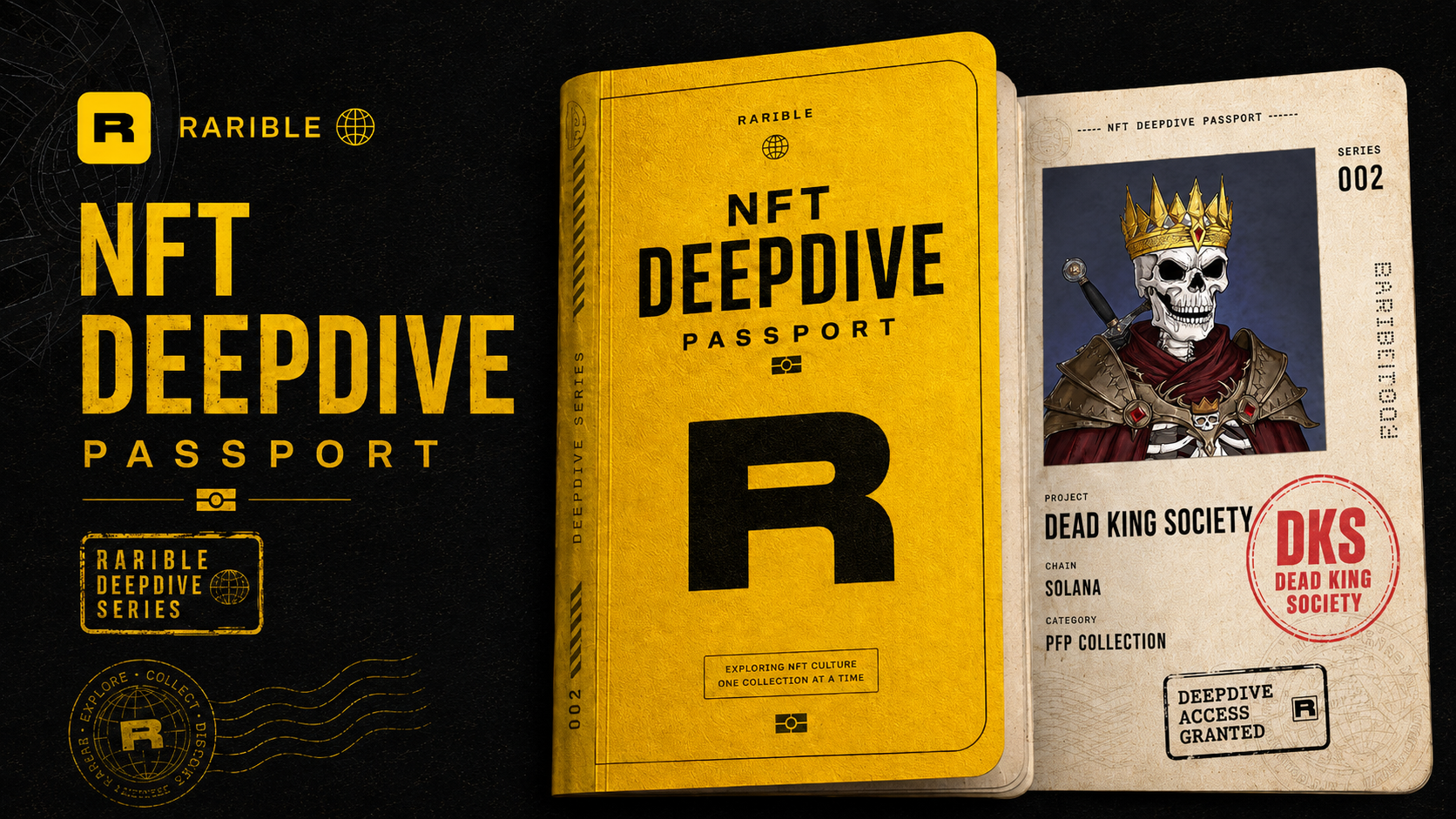
Dead King Society, often abbreviated as DKS, represents a distinct departure from the traditional NFT "profile picture" (PFP) model that dominated the early 2020s. Established in 2021 and gaining public traction in 2022, the project functions less as a digital collectible and more as a gated investment network and social club. By limiting its total membership to a core group of 400 assets—comprising 100 "Dead Kings" and 300 "Nobles"—the project has successfully engineered a scarcity-driven model that prioritizes high-signal networking over mass-market retail speculation. In the evolving landscape of Web3, DKS serves as a case study for how small-scale, high-conviction communities can sustain long-term relevance by pivoting from speculative art to venture-backed utility.
A Chronology of the Commonwealth
The origins of the Dead King Society are rooted in the pre-FTX era of the Solana ecosystem, a time when the network was rapidly defining its cultural identity. Unlike projects that prioritized floor-price surges through aggressive marketing, the founders, notably Dylan Santamarina (widely known as Turnt Up Dylan) and his co-founder Justin, adopted a "community-first" architectural approach.
The project’s history can be segmented into three distinct phases. The foundational phase (2021–2022) focused on establishing the "Commonwealth," a term used to describe the collective of holders. During this period, the project moved away from the standard 10,000-piece collection size, opting for a hyper-exclusive supply. This decision effectively walled off the project from the broader "degen" trading culture, creating a private environment for developers, traders, and early-stage venture participants.

The middle phase (2023–2024) saw the formalization of "Dead King Ventures." This initiative transitioned the project from a social club into an active participant in the Solana venture capital ecosystem. By securing investment positions in nascent projects—such as the December 2025 seed round for Asgard Finance—the society provided its members with exposure to early-stage opportunities that would typically be inaccessible to individual retail investors.
The current phase (2025–2026) has been defined by the maturation of the "Prestige" system. By implementing a leaderboard-based reward structure, the team has gamified community participation. Members are no longer passive holders; they are active contributors who earn recognition for social engagement, strategic bounty completion, and the cultivation of intellectual property within the ecosystem.
Market Dynamics and Economic Structure
The financial profile of the Dead King Society is markedly different from the average Solana NFT project. With a mint price of 2 SOL, the project entered the market as a mid-tier entry, but its subsequent valuation reflects its transition into a premium membership asset. As of June 22, 2026, the Nobles collection maintains a floor price of approximately 8.03 SOL. While this valuation is significantly lower than its all-time high of 31.42 SOL recorded in January 2025, it indicates a stabilized asset class that has survived the volatility inherent in the Solana NFT market.
It is essential to note that the market for DKS is characterized by low liquidity. In a collection of only 300 active units, a single high-value sale or a small cluster of listings can disproportionately impact the floor price. Consequently, market analysts view DKS not as a high-velocity trading asset, but as a long-term "hold" for participants seeking to retain access to the Commonwealth’s private channels. The reliance on CoinGecko and SolanaFloor for tracking highlights the project’s institutional integration, as these platforms provide the data transparency necessary for serious investors to monitor the health of the membership base.

The Role of Prestige and Intellectual Capital
One of the most innovative components of the Dead King Society is its "Prestige" system. In many NFT projects, the "utility" is often relegated to vague promises of future gaming integration or metaverse real estate. DKS, conversely, has built its utility around social and intellectual capital.
The Prestige system functions as an internal credit score. Members earn points through verifiable contributions, such as networking with high-signal builders, providing market insights, or assisting in the technical development of community-led initiatives. This system addresses the primary challenge of gated communities: stagnation. By requiring active participation to maintain status, the project ensures that the "Commonwealth" remains a hub of high-value information rather than a dormant group of speculators. The physical manifestation of this system—such as the custom engraved swords awarded to leaderboard winners in May 2026—serves to bridge the gap between digital assets and tangible status symbols, a strategy that has proven effective in maintaining member loyalty.
Strategic Implications for Web3
The implications of the DKS model for the wider Web3 space are significant. As the initial excitement surrounding "profile picture" projects wanes, the industry is seeing a flight to quality. Projects that lack a cohesive identity or a tangible value proposition beyond aesthetic appeal are struggling to maintain volume.
The Dead King Society offers a blueprint for "micro-communities." By sacrificing scale for exclusivity, the project has minimized the "noise" that often plagues larger, less-organized NFT collections. This allows for a more efficient flow of information and investment, effectively turning the community into a private equity firm for its members. However, this model is not without its risks. The primary challenge facing the project is its limited public visibility. Because the community is so tightly gated, it faces a natural ceiling on growth and liquidity. If the internal value generated—whether through venture returns or networking—were to decline, the lack of a broader retail base could lead to significant stagnation in asset value.
Official Positioning and Future Outlook
Despite the lack of a traditional, public-facing roadmap, the leadership at DKS has maintained a consistent focus on the "Commonwealth." Communication from the team remains deliberate and highly targeted, eschewing the mass-market hype cycles that often lead to the "pump-and-dump" dynamics seen elsewhere in the NFT space.
Moving forward, the project is expected to continue its expansion into venture investing and the refinement of its member recognition systems. The ongoing development of "Origins" and "Variants" for the art assets suggests that while the project is moving toward a venture-first model, it remains committed to its roots as an art-led collective.
For the prospective participant, the Dead King Society represents a calculated risk. It is a destination for those who view Web3 as an investment ecosystem rather than a digital art gallery. As the Solana blockchain continues to attract institutional capital and sophisticated developers, the role of community-based networking groups like DKS will likely become increasingly prominent. By fostering an environment where reputation is the primary currency, the Dead King Society has positioned itself as a durable, if niche, entity in the maturation of the digital asset economy.
Ultimately, the sustainability of DKS will be determined by its ability to continue providing value to its members. Whether through identifying the next successful Solana protocol or providing a networking space that is superior to mainstream alternatives, the project’s future is intrinsically linked to the collective success of its 400 members. In an era where the term "community" is often used as a marketing buzzword, the Dead King Society stands as a testament to the power of a smaller, more disciplined approach to digital membership.