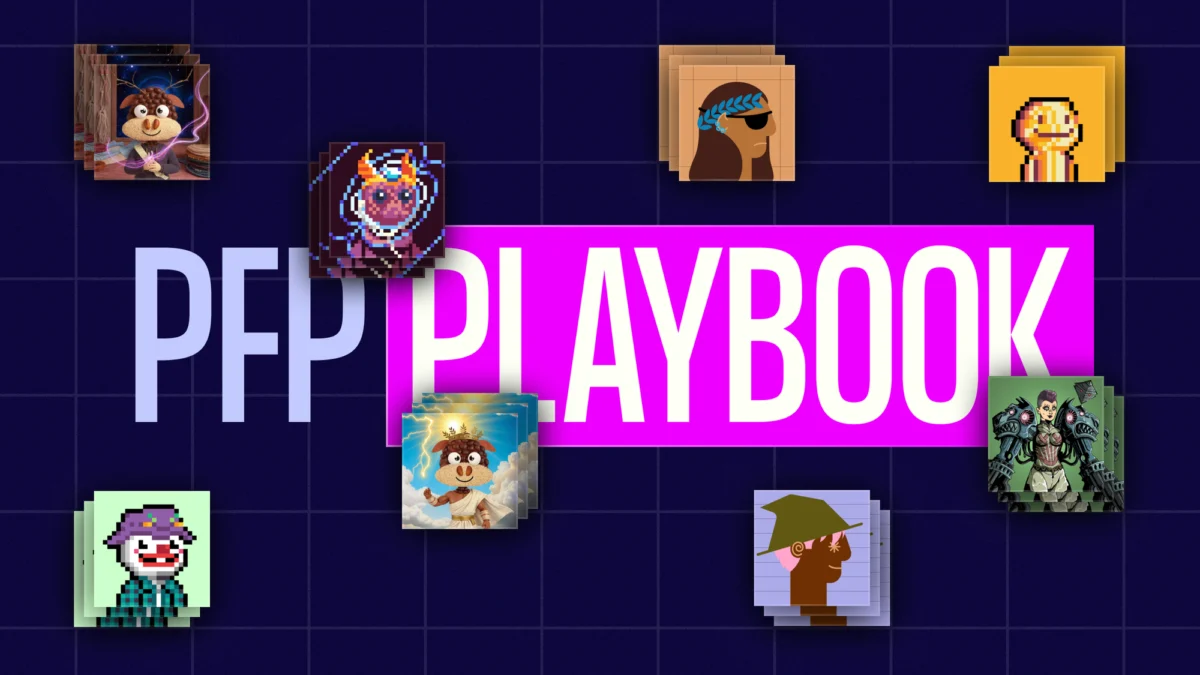
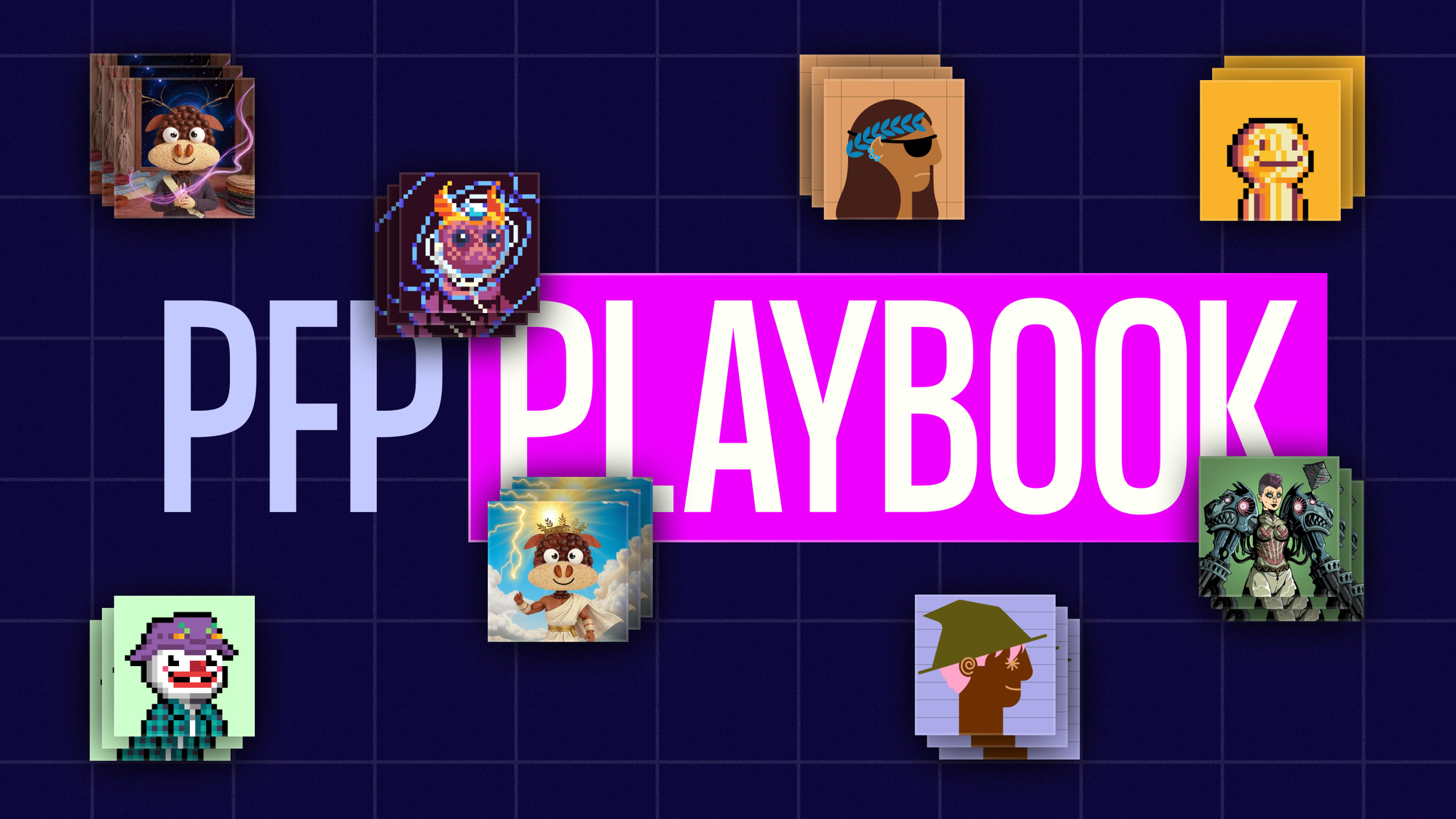
In the rapidly evolving landscape of decentralized technology, the "go-to-market" (GTM) strategy has undergone a radical transformation. Where traditional software startups once relied on paid acquisition and venture-backed marketing funnels, modern web3 projects—particularly Layer 1 (L1) and Layer 2 (L2) blockchains—are increasingly turning to digital assets to foster organic growth. At the forefront of this shift is the Profile Picture (PFP) collection, which has evolved from a niche digital collectible phenomenon into a sophisticated piece of GTM infrastructure designed to bootstrap communities, prove technical scalability, and generate enduring cultural capital.
The Strategic Shift: From JPEGs to GTM Infrastructure
Historically, the launch of a new blockchain was a purely technical endeavor, focused on developer documentation and consensus algorithms. However, the saturation of the market has necessitated a more human-centric approach. A PFP drop serves as a strategic wedge; it is a lightweight, gamified entry point that incentivizes user acquisition and ecosystem activity from the moment of inception.
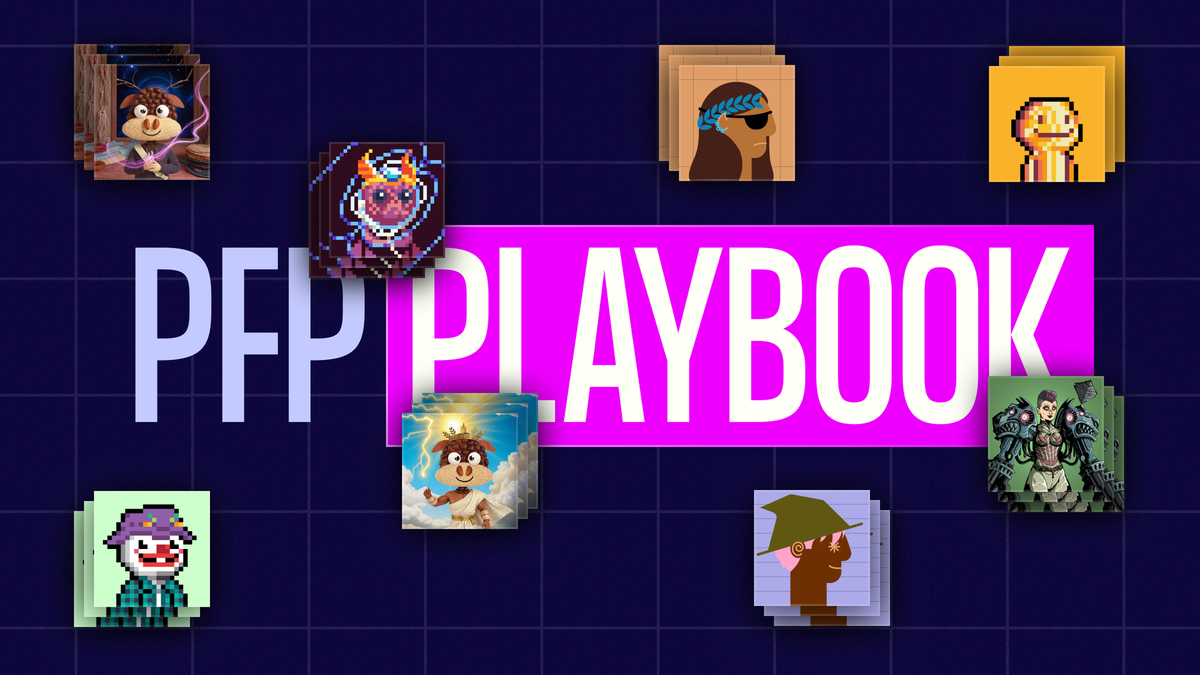
By distributing digital assets that represent membership and status within a new network, projects can effectively transition from a "build it and they will come" mentality to a "co-create and they will stay" philosophy. These collections function as a signaling mechanism, demonstrating that a project’s infrastructure is robust enough to handle high-volume minting, secondary market activity, and cross-chain interoperability.
A Chronology of Evolution: From Pudgy Penguins to Ecosystem Integration
The efficacy of the PFP model was first proven by blue-chip collections that transitioned from pure collectibles to multifaceted brands. Pudgy Penguins, for instance, redefined the narrative by leveraging their IP to enter the physical retail market, successfully placing branded toys on shelves at major retailers like Walmart. This provided a blueprint for other projects: the NFT is not the end product, but rather a key that unlocks physical and digital utility.
Following this, World of Women adopted an IP-centric platform model, partnering with entertainment conglomerates to ensure their digital assets possessed long-term relevance. Doodles, similarly, evolved from a 10,000-piece collection into a comprehensive entertainment brand, integrating music, animation, and high-profile partnerships with organizations such as Pharrell Williams and Adidas. These milestones established that when managed with long-term vision, PFP collections act as powerful brand activation tools that deliver measurable commercial outcomes.

The Rarible Framework: Case Studies in Modern Launch Strategy
Rarible has played a pivotal role in the recent surge of GTM-focused NFT launches, assisting emerging networks such as Scope, Camp Network, and the Espresso Network. Each project utilized the PFP model differently, tailoring the mechanics to their specific technical objectives.
After School Club (ASC) on Scope
The launch of the After School Club collection was designed to solidify Scope’s positioning as a primary application on the Eclipse blockchain. The primary objective was to attract a cohort of creators and early adopters who would serve as the foundational user base for the new marketplace. By engaging with this community through seven months of rigorous feedback loops and daily AMAs, the project established a level of trust that ensured high retention rates post-launch. According to Alucard, a co-founder of ASC, the focus was never solely on the sale, but on the collaborative narrative built during the long lead-up to the event.
TrailHeads by Camp Network
Camp Network utilized a narrative-driven approach to onboard values-aligned users during their testnet phase. The TrailHeads collection was not merely a collection of images but a focal point for road-to-mainnet campaigns. The strategy was to foster a culture of creative content generation, where holders felt they were active participants in the network’s growth. Usman, the Head of Community at Camp, noted that the collection acted as a catalyst for community engagement, turning passive observers into active ecosystem contributors.
The Composables by Espresso Network
Perhaps the most technically ambitious implementation was the "Composables" drop by the Espresso Network. The goal here was twofold: activate an early adopter community and demonstrate the viability of Espresso’s cross-chain, modular infrastructure. By designing the NFTs to be inherently modular and migratable, Espresso proved that their chain could handle complex, inter-chain asset movement. Jill Gunter, Chief Strategy Officer at Espresso, emphasized that the drop was a test of their technical core, proving that assets could move seamlessly through the ecosystem—a foundational requirement for future cross-chain functionality.
Analytical Framework: Why PFP Drops Succeed
For organizations planning to integrate PFP collections into their GTM strategy, there are several key pillars that must be addressed to ensure success.
- Alignment with Technical Narrative: A successful drop must mirror the project’s value proposition. If the project focuses on infrastructure, the NFT utility should revolve around developer access or data governance.
- Incentivizing On-Chain Activity: The minting process is only the beginning. Smart contracts should be designed to reward further engagement, such as governance participation, staking, or interaction with decentralized applications (dApps).
- Utility-First Design: The market has moved beyond aesthetic value. Holders now demand functional utility, such as gated access to proprietary tools, early access to new features, or revenue-sharing models that provide tangible financial or social upside.
- The Post-Mint Roadmap: The most common failure in the PFP space is the "drop and forget" mentality. Sustained engagement requires a long-term roadmap that includes regular updates, periodic airdrops, and events that maintain the social and economic relevance of the asset.
Implications for the Broader Web3 Ecosystem
The data suggests that these collections are not merely speculative assets but are increasingly becoming the backbone of decentralized community management. As traditional brands explore entry into the web3 space, the ability to utilize NFTs as a means of managing consumer relationships—without the intermediary of traditional loyalty programs—becomes a significant competitive advantage.
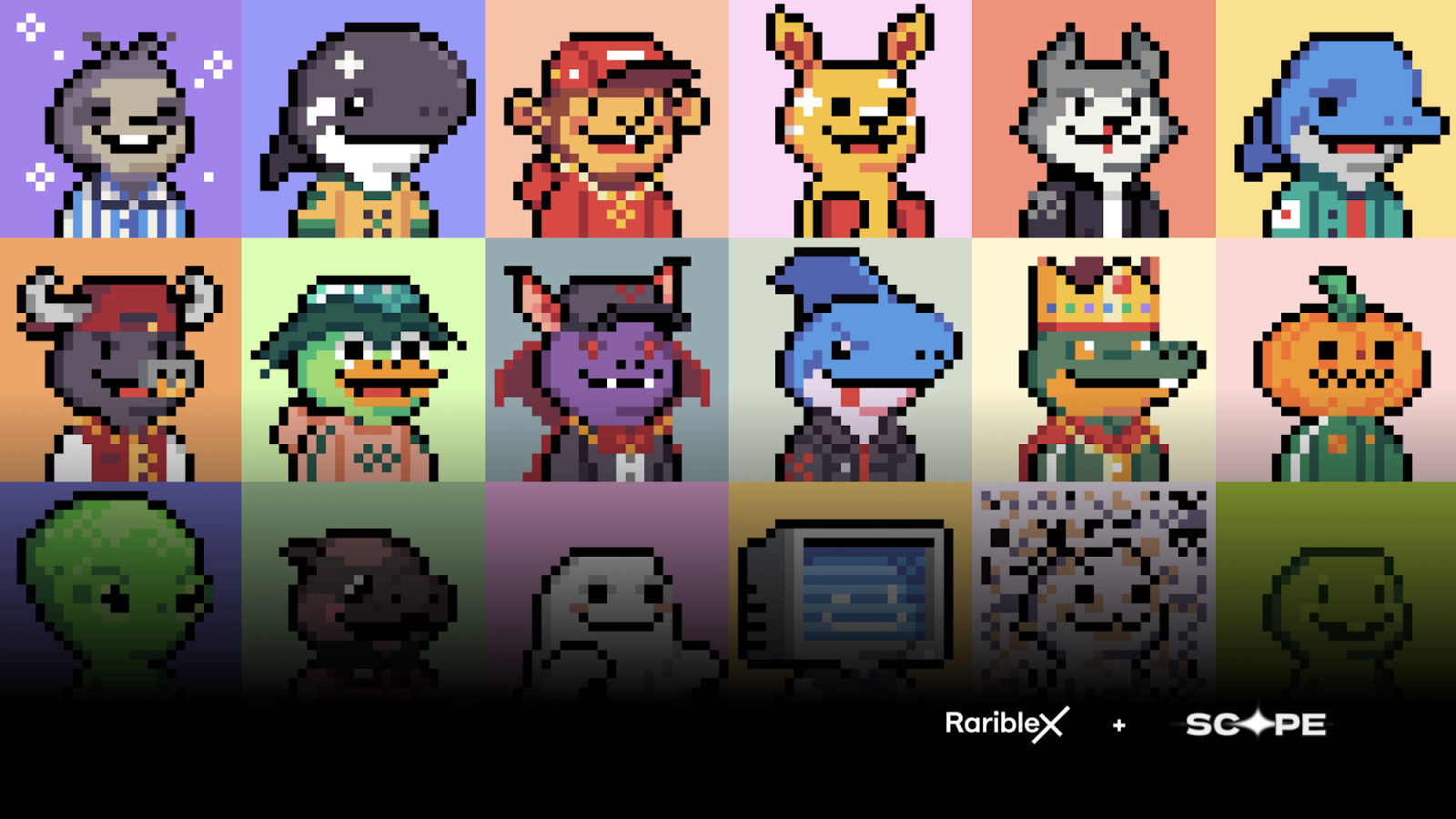
Furthermore, the shift toward "on-chain signal" suggests that future investment in the blockchain space will be driven by verifiable engagement metrics. Projects that can demonstrate a high volume of active, engaged, and loyal holders—as evidenced by the successful launches of Scope, Camp, and Espresso—are far more likely to attract developer talent and liquidity compared to projects that rely solely on whitepaper promises.
Future Outlook
As the industry matures, we can expect to see a move away from the "10k profile picture" model toward more dynamic, functional, and interoperable assets. These new iterations of the PFP will likely include features such as "soulbound" traits that reflect actual contributions to a network, dynamic metadata that changes based on user behavior, and deep integration with decentralized identity (DID) systems.
The conclusion remains clear: for those building in the web3 space, the PFP drop is no longer a peripheral marketing tactic. It is a fundamental component of the GTM infrastructure. By aligning community growth with technical milestones and providing ongoing utility, projects can move beyond the volatility of the crypto markets and build enduring, resilient brands that are capable of surviving the inevitable ebbs and flows of the decentralized economy. Whether through enabling cross-chain interoperability or fostering a community of dedicated creators, the PFP playbook provides a proven, repeatable framework for launching new ecosystems in a crowded and competitive global market.