The progression of video game design is frequently viewed through a technological lens, characterized by an ongoing migration from rudimentary low-resolution two-dimensional visuals to hyper-realistic three-dimensional environments. However, reducing 2D art to a mere vehicle for nostalgia overlooks its capacity for continuous evolution. In the hands of dedicated creators, two-dimensional aesthetics can mature, influenced by shifting personal tastes, academic training, and collaborative artistic dynamics. This continuous refinement is exemplified by Adam Vian and his work at SFB Games, a studio he co-founded with his brother, Tom Vian.
Having spent more than two decades in the interactive entertainment industry—beginning as teenage creators in the early 2000s browser-game scene—the Vian brothers have transitioned from producing rapid-fire Flash parodies to developing polished titles for major hardware manufacturers such as Nintendo and Apple. Central to the studio’s identity is the Detective Grimoire franchise, a murder-mystery adventure series heavily inspired by Capcom’s acclaimed Ace Attorney catalog. With the release of the fourth installment, The Mermaid Mask, the series offers a case study in how a distinct visual style can grow across decades of technical and artistic development.
Origins in the Era of Flash Animation
The foundational phase of SFB Games took place during the early 2000s web-gaming boom, hosted primarily on community-driven platforms like Newgrounds. Operating as the Super Flash Bros, the teenage duo embraced the accessibility of Adobe Flash. During this period, the internet lacked automated copyright detection tools, allowing young creators to experiment freely by building parodies featuring recognizable intellectual properties and music tracks.
Technically, the brothers’ first completed title was Kirby’s Star Scramble, chosen largely because the character was straightforward to render. Tom Vian handled the programming duties, while Adam Vian focused on art and animation. This partnership established a rapid iteration cycle, with the developers often producing a new game every week.
This high-frequency production schedule served as an essential incubator for their professional skills. By deploying titles directly to the web and receiving immediate user reviews and feedback, the creators were able to cycle through subpar concepts at an accelerated pace. This workflow aligns with the artistic adage that creators must exhaust a baseline of inferior work before producing higher-quality output; in the case of SFB Games, this process was scaled from drawings to entire video games.
From Browser Parodies to Narrative Adventures
Out of this prolific environment emerged the conceptual framework for Detective Grimoire. Having grown up playing classic point-and-click adventure titles like LucasArts’ Monkey Island and Indiana Jones and the Fate of Atlantis, the Vian brothers encountered Capcom’s Phoenix Wright: Ace Attorney. The realization that an engaging video game could rely primarily on conversational mechanics, character interactions, and humorous investigation inspired them to try their hand at the genre.
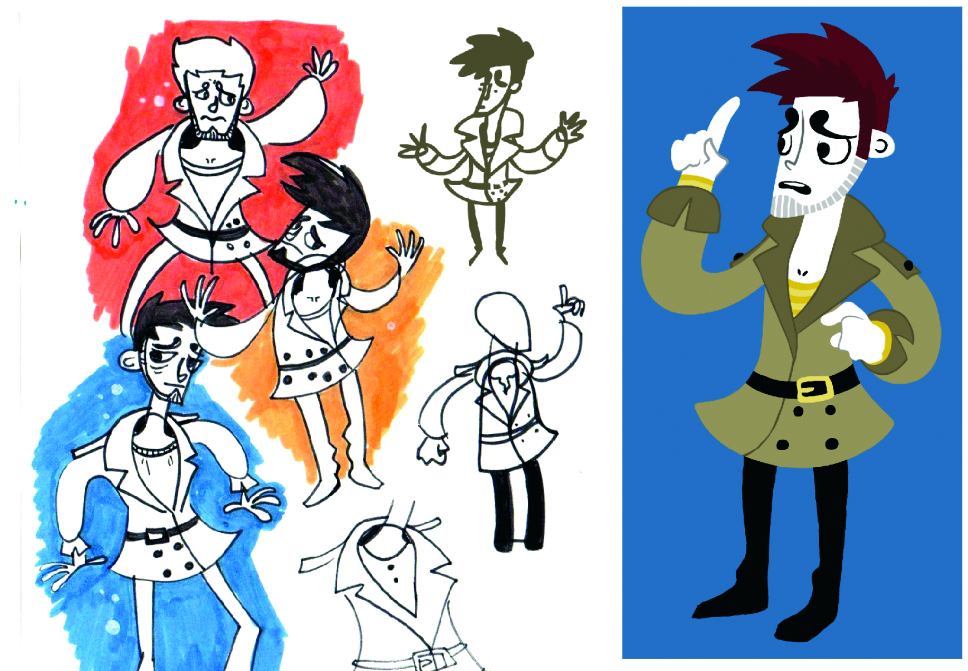
When production on the original Detective Grimoire began, Adam Vian was approximately 17 years old. The initial visual direction reflected a lack of formal artistic subversion, yielding a conventional cartoon protagonist: a young man in a brown trenchcoat with brown hair, drawing clear inspiration from genre archetypes like Guybrush Threepwood and Detective Gumshoe.
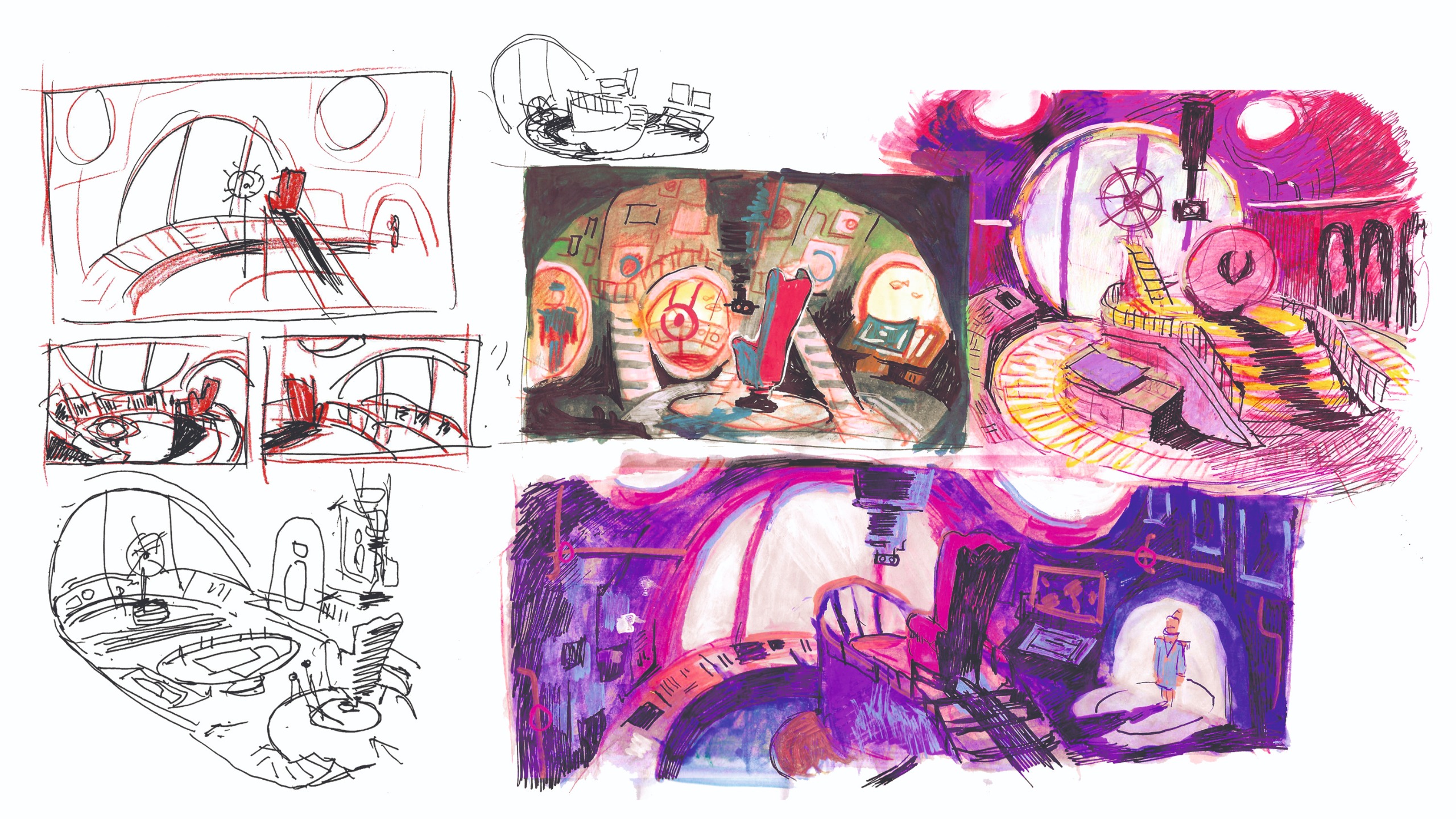
The subsequent formal education of Adam Vian at the University for the Creative Arts (UCA), studying illustration and animation, introduced him to broader design philosophies and a network of talented peers. Among them was artist Catherine Unger, who would eventually contribute background and concept art to every subsequent title in the Grimoire series. Unger’s integration into the pre-production pipeline established a collaborative sounding board, transforming solo creation into a continuous dialogue of shared iteration.
Aesthetic Shifts Across the Franchise
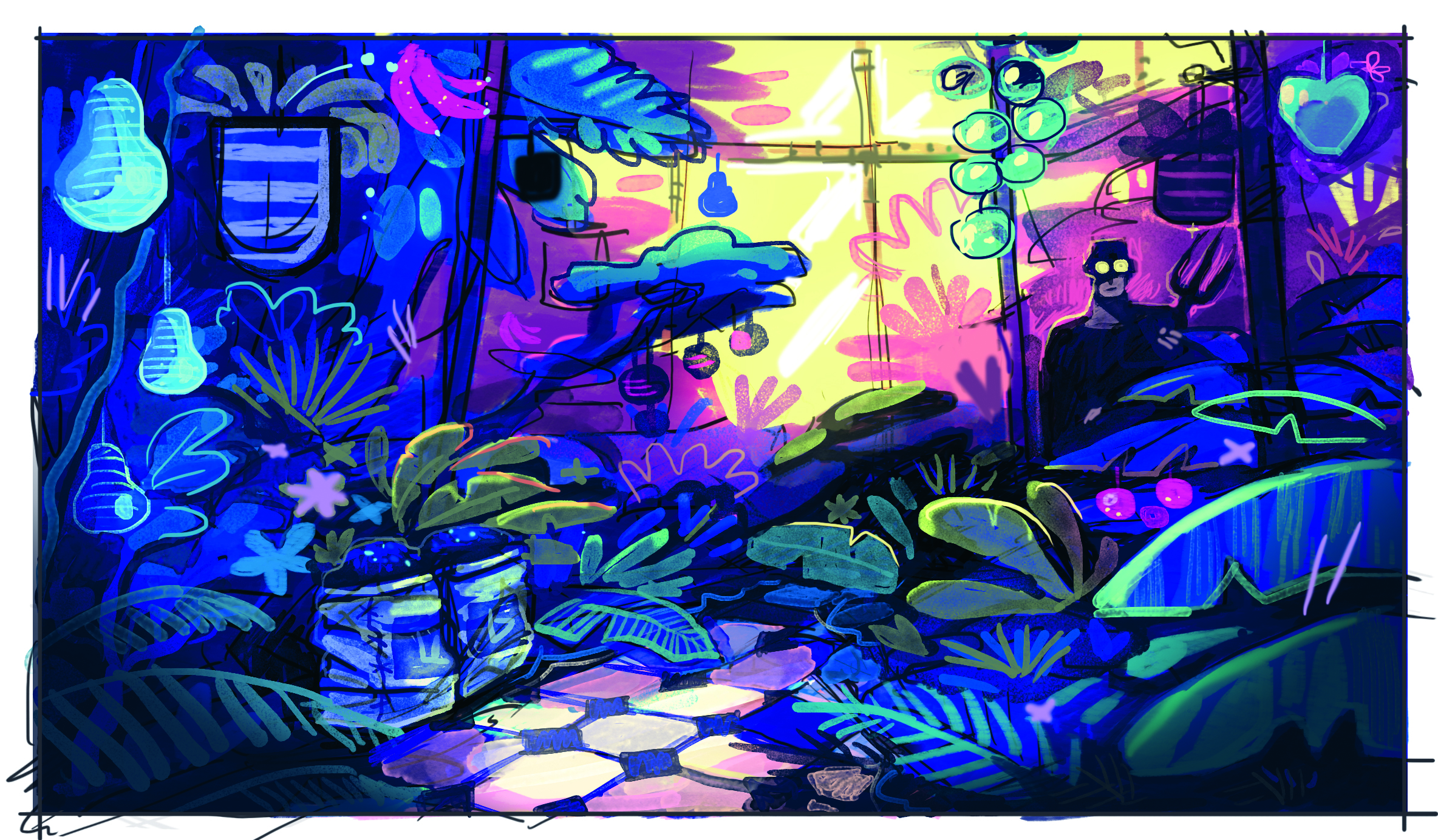
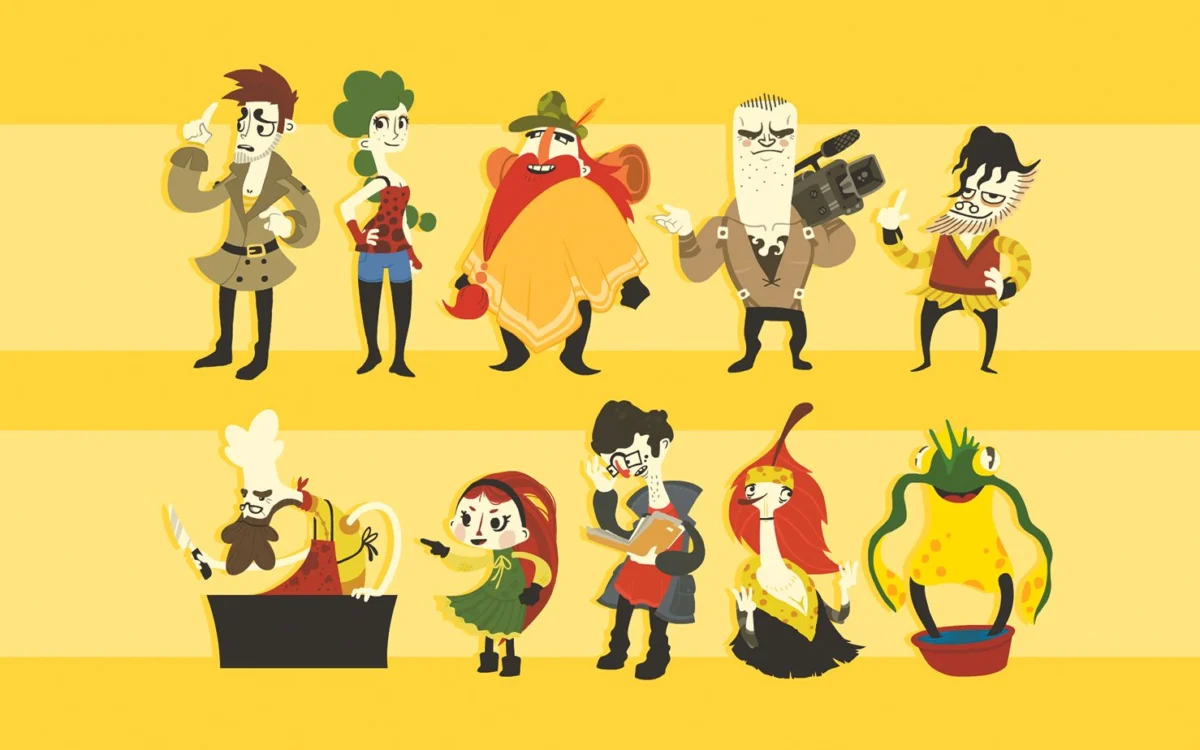
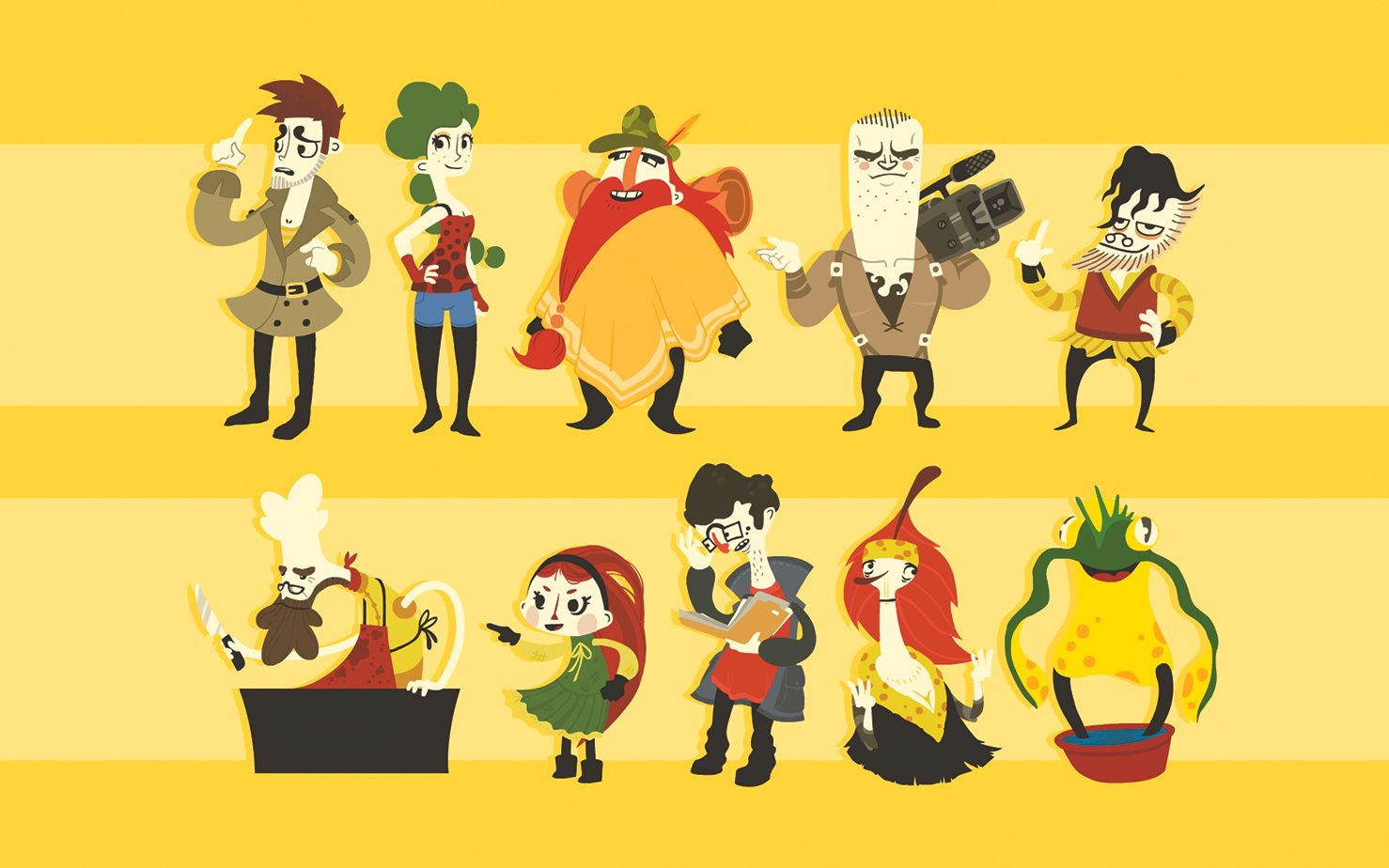
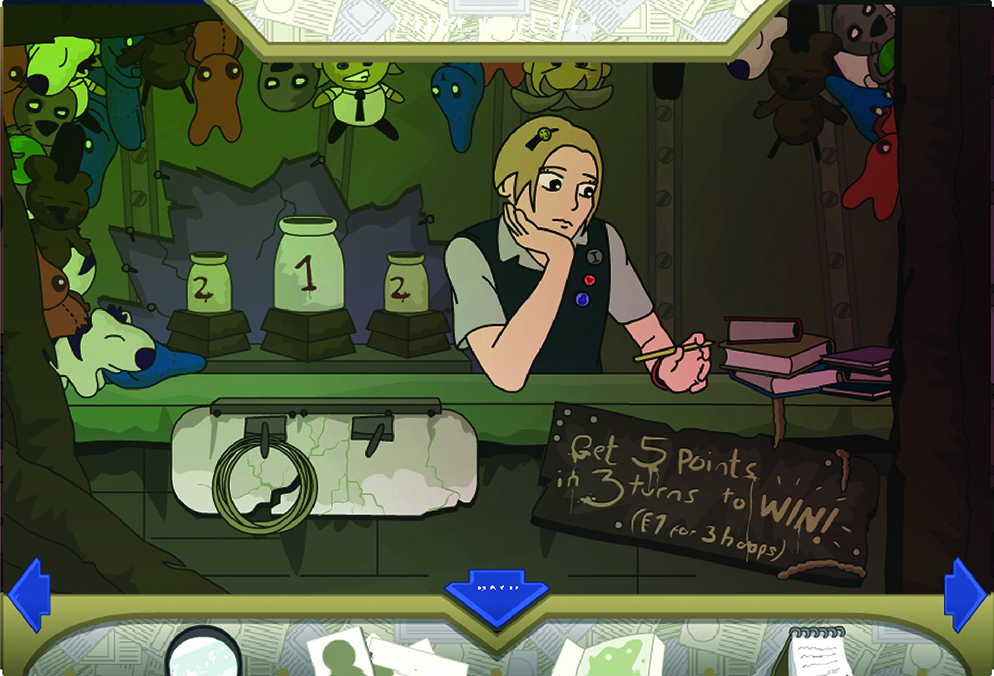
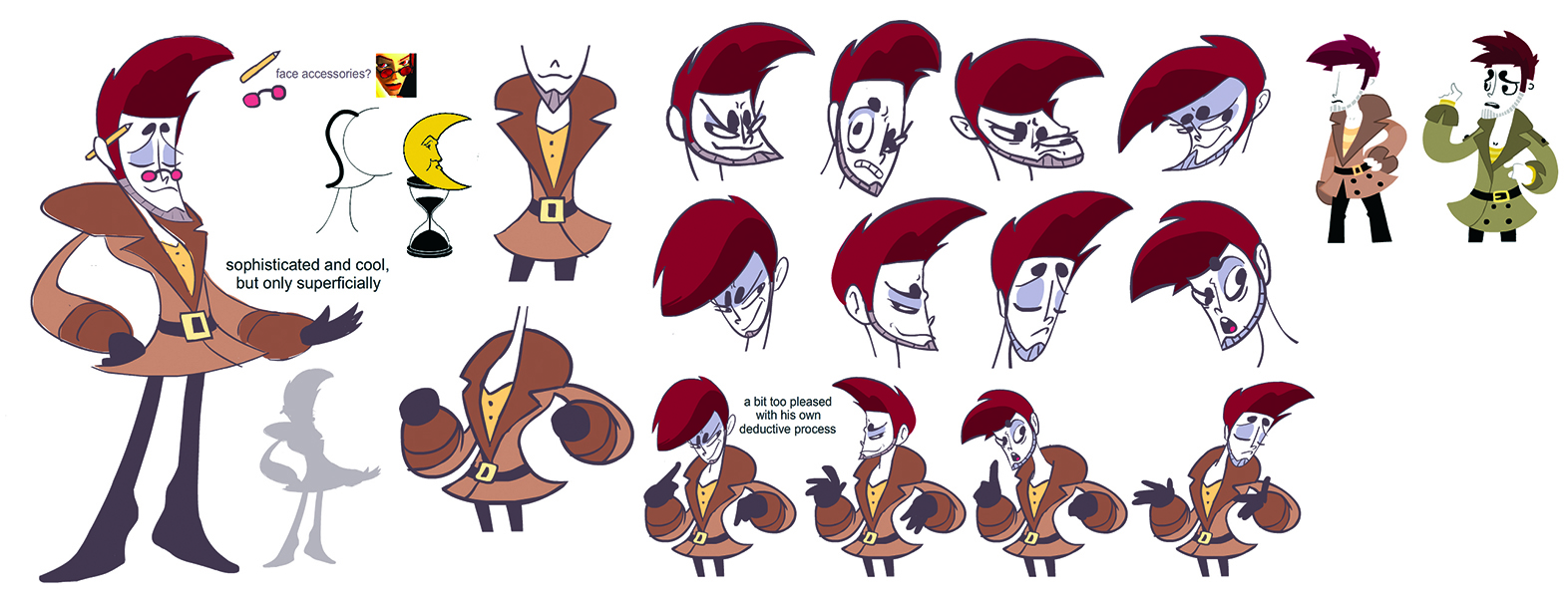
The visual identity of the Detective Grimoire series underwent significant transformations as the developers refined their craft. For the follow-up project, Detective Grimoire: Secret of the Swamp, characters were redesigned with stark, pure white skin to ensure high visibility against intricate backgrounds. This stylistic choice drew inspiration from uncompleted animated works such as Richard Williams’s The Thief and the Cobbler, as well as the design philosophies of Genndy Tartakovsky, creator of Dexter’s Laboratory and Samurai Jack. Tartakovsky’s core tenet—that a strong silhouette constitutes effective character design—encouraged the team to push anatomical proportions, utilizing exaggerated heights, elongated limbs, and asymmetrical facial features.
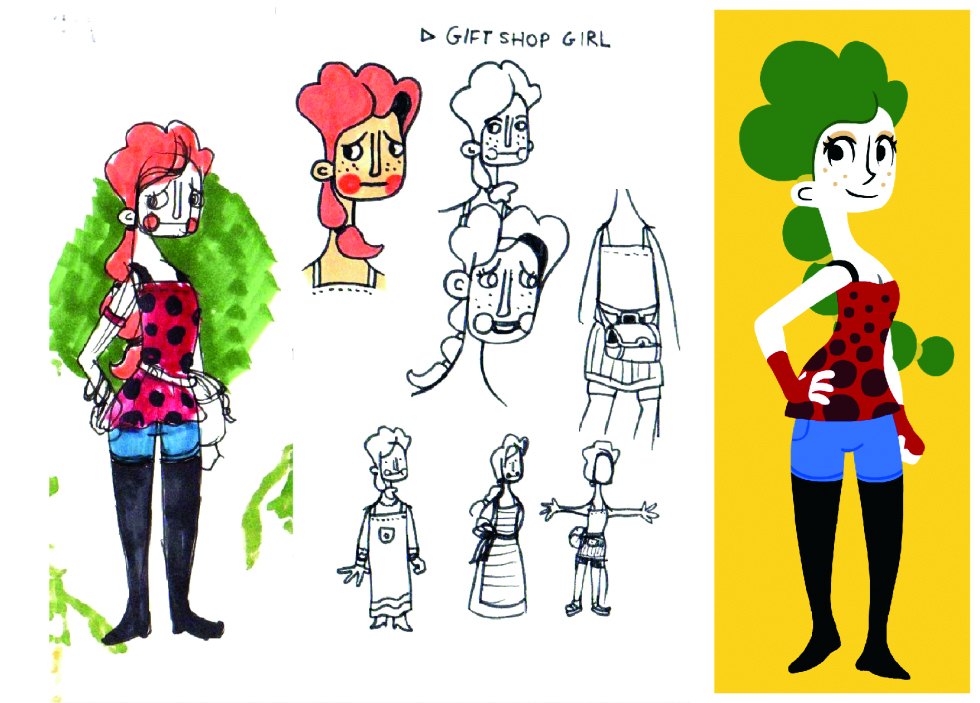
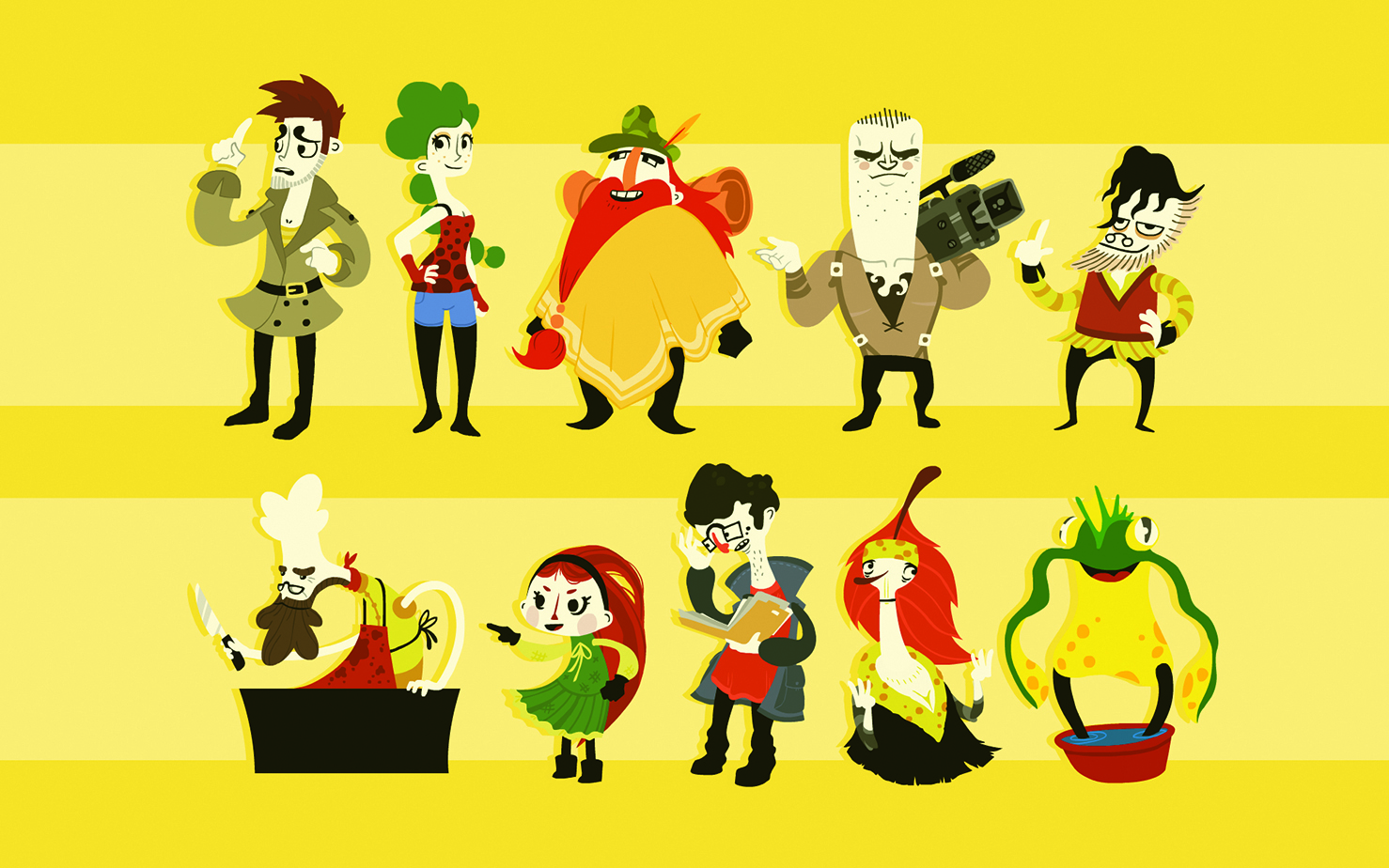
As the team transitioned to Tangle Tower, both Vian and Unger felt that Secret of the Swamp had aged, prompting a complete visual restart. The new design language favored richer color palettes, softer rounded edges, and a more pliable, cartoony aesthetic.
The fourth title, The Mermaid Mask, marked a departure from previous entries by preserving the established art style rather than discarding it for a fresh start. By retaining the core engine, established character models, and legacy animations, SFB Games was able to construct a true narrative sequel that avoided the need to rebuild foundational assets from scratch.
Collaborative Workflows and Pre-Production
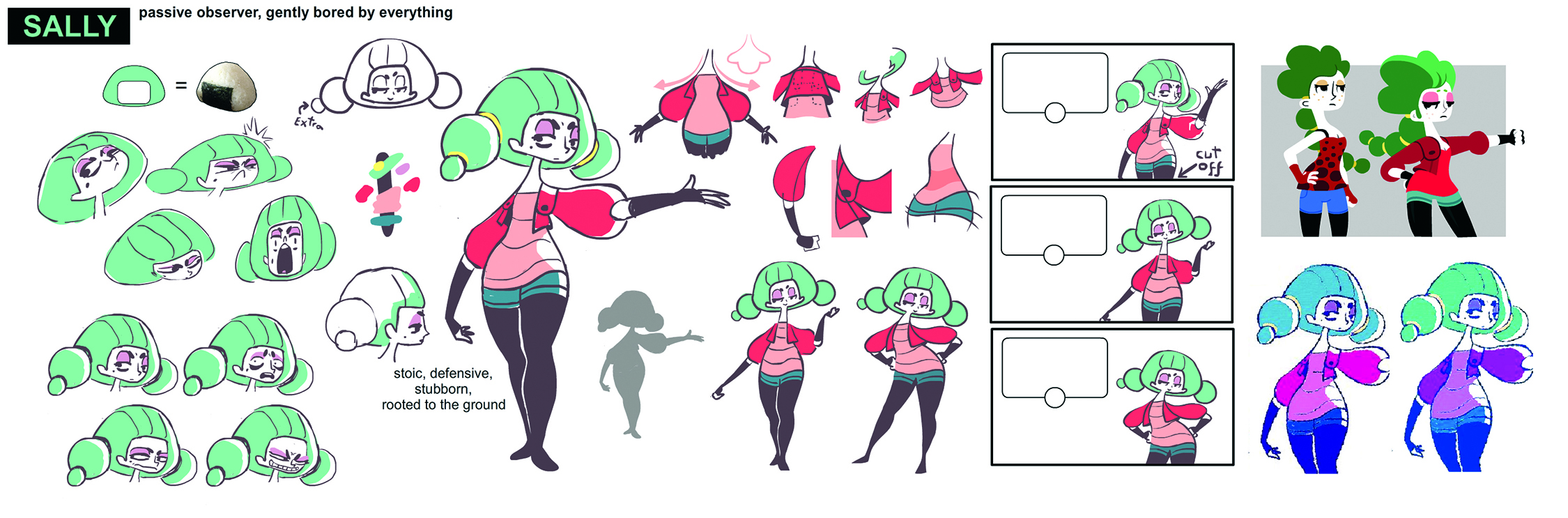
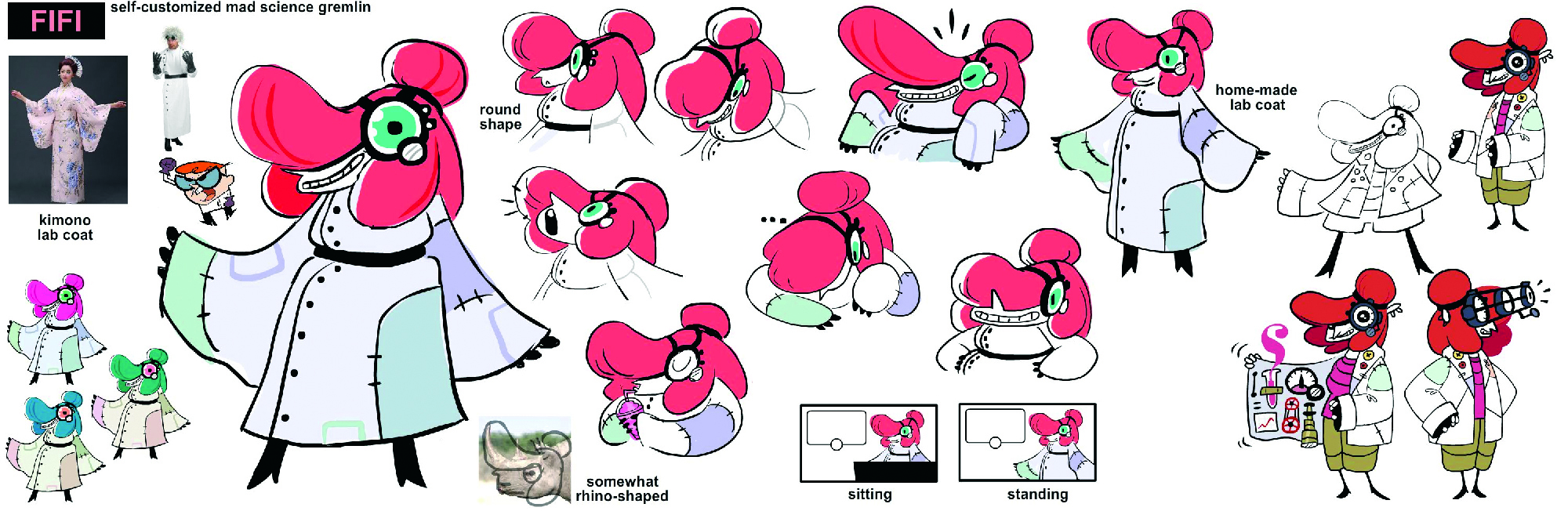
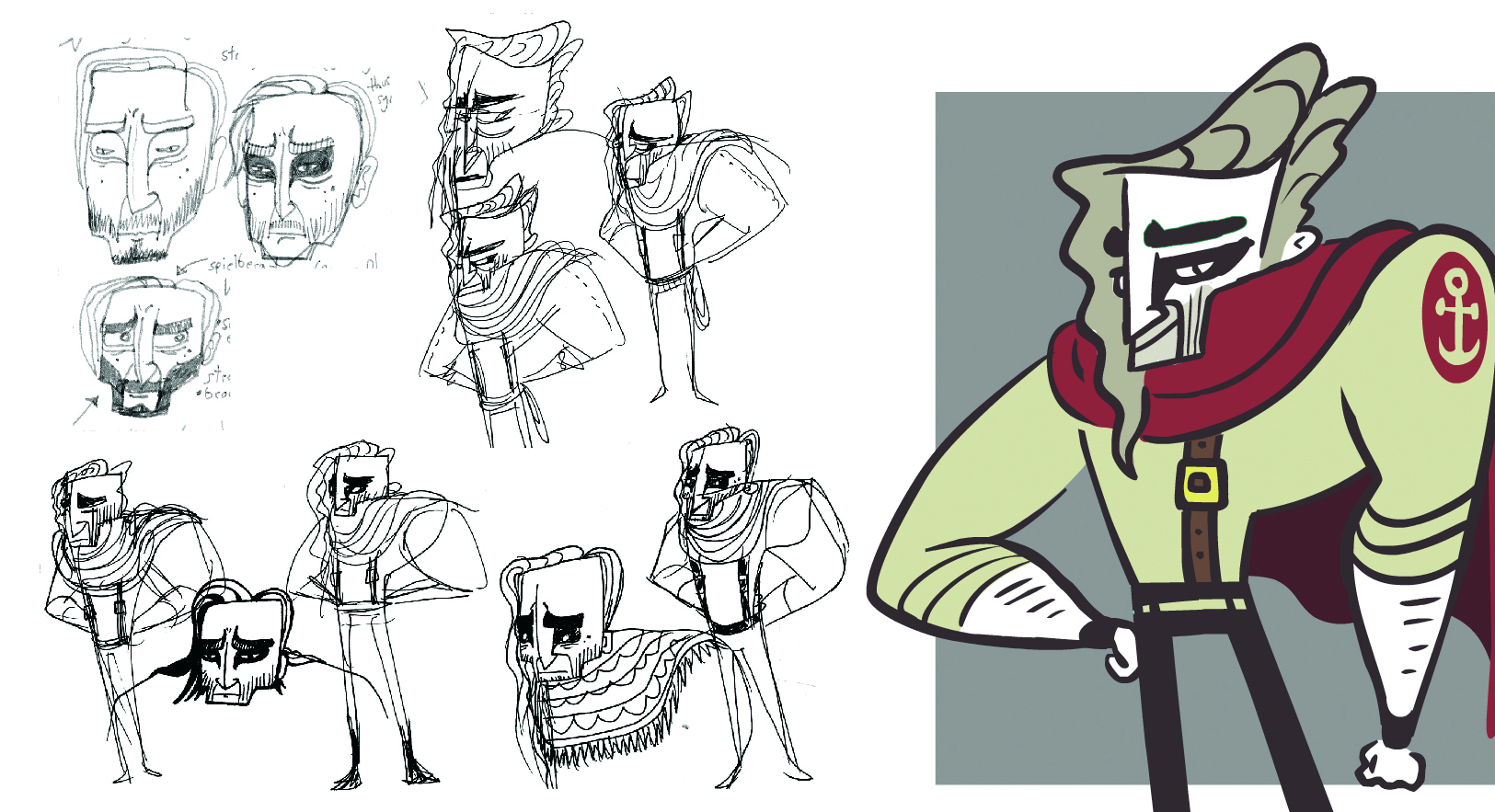
The pre-production phase for a Grimoire title is extensive, encompassing world-building, narrative plotting, character generation, and puzzle design. According to the studio’s creative direction, character design begins with broad conceptualization. During the development of The Mermaid Mask, artists Vian and Unger engaged in an independent sketching phase, developing their individual visions of characters based on vague narrative locations before sharing their initial drawings.
Upon comparing these initial drafts, the artists would cross-pollinate ideas, drawing secondary iterations influenced by each other’s perspectives. Animator Charlotte Harris was subsequently brought into the process to translate these static concepts into dynamic motion, accounting for anatomical movement from various angles, blink cycles, dental structures, and individualized body language. Because players spend prolonged periods observing these characters during gameplay, extensive detailing is required to ensure visual consistency.
Bridging 2D and 3D in The Mermaid Mask
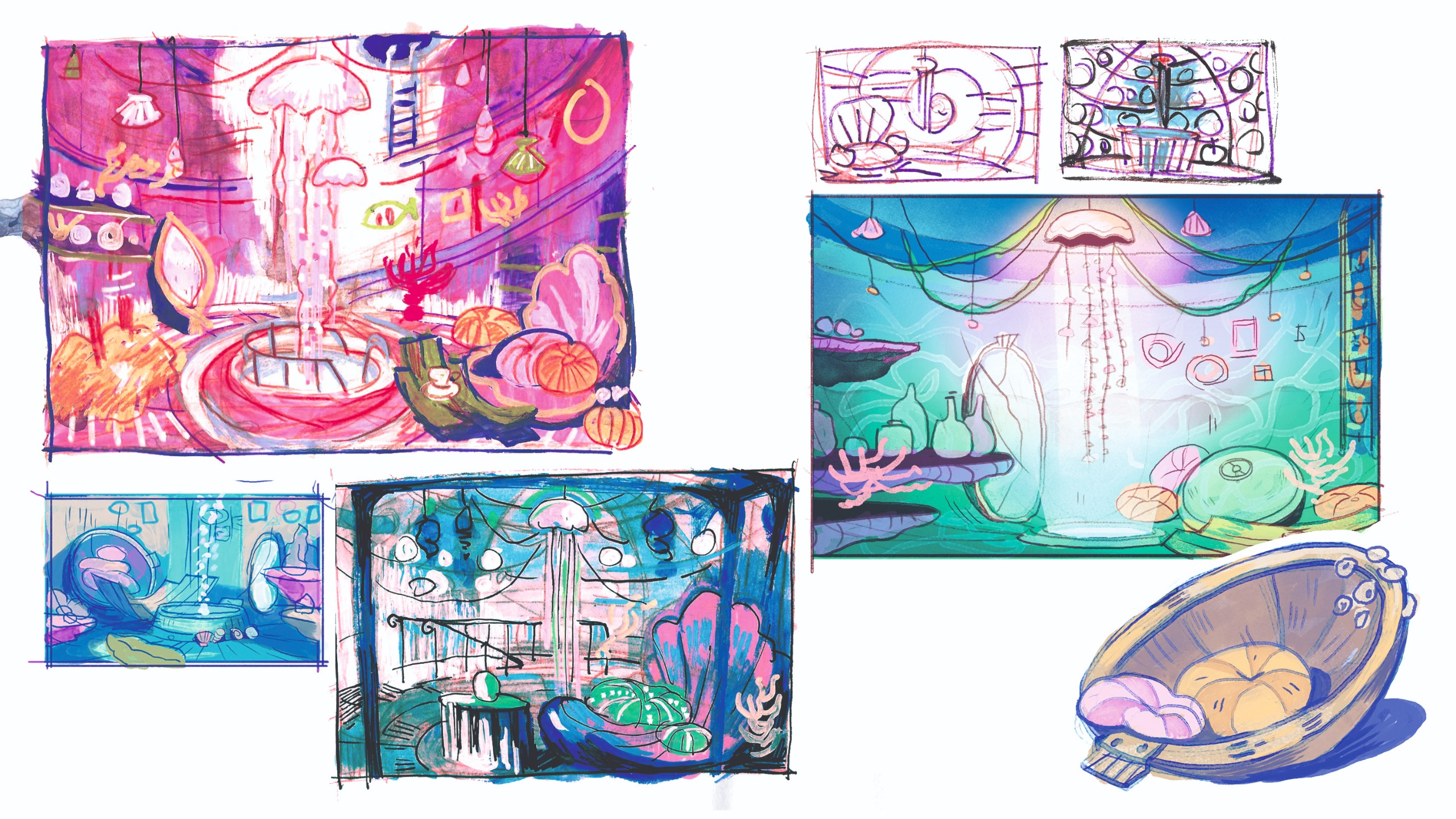
A major technical evolution in The Mermaid Mask involved the integration of three-dimensional elements without compromising the series’ signature hand-drawn 2D aesthetic. Prompted by online fan artists who had converted Unger’s 2D paintings into 3D renderings, and driven by a desire to make interactive clues more tactile—such as allowing players to open books or examine objects from multiple angles—the studio contracted 3D artist Kindra Dantone.
Dantone matched Unger’s painting style through digital modeling and texture work. To complete the illusion, programmer Tom Vian developed custom technical art pipelines that dynamically generated a colored outline around each 3D model, complete with a procedural wobble mimicking a physical brushstroke. These interactive 3D clues represent a significant shift toward hands-on mechanics, moving the experience closer to a traditional interactive adventure game rather than a static visual novel.
Implications and Advice for Independent Developers
Reflecting on the evolution of SFB Games, Adam Vian emphasizes the importance of scope management and project completion for aspiring developers. Comparing the modern landscape—such as utilizing Unity and distributing projects via platforms like itch.io—to their early days in the Flash ecosystem, Vian highlights that finishing small projects is critical for professional growth.
Attempting an overly ambitious magnum opus too early in a developer’s career often leads to abandonment, skill bottlenecks, and creative frustration. By prioritizing achievable scopes, creators can navigate through their initial cycle of substandard ideas and build the technical competency required for long-term sustainability in the games industry.
With the release of Detective Grimoire: The Mermaid Mask across PC, PlayStation 5, and Nintendo platforms, SFB Games demonstrates how independent developers can honor their stylistic roots while thoughtfully integrating modern technical solutions to elevate narrative-driven gameplay.