The global market for ergonomic office furniture has seen a notable shift in recent weeks, driven by aggressive retail discounting from prominent manufacturers like Sihoo. As remote work and hybrid corporate models remain permanent fixtures of the modern professional landscape, consumer demand for reliable, posture-supporting seating has surged. In response, retailers and manufacturers have rolled out substantial price cuts on top-tier and budget-friendly office chairs alike, making high-end ergonomic adjustments more accessible to the average remote worker. Industry analysts note that these promotional pricing strategies reflect broader competitive pressures within the direct-to-consumer furniture sector, where brands are racing to capture market share among design professionals, remote employees, and gamers alike.
Background Context of the Ergonomic Furniture Boom
The accelerated evolution of the office chair market traces back to the widespread shift toward remote work that began in early 2020. As millions of professionals transitioned from corporate boardrooms and open-plan offices to makeshift home workspaces, the incidence of work-related musculoskeletal disorders—particularly lower back pain, neck strain, and repetitive strain injuries—rose dramatically. Ergonomic specialists and occupational health organizations quickly emphasized the critical need for proper seating infrastructure to prevent long-term physical ailments.
Historically, premier ergonomic chairs designed by legacy brands such as Herman Miller, Steelcase, and Humanscale commanded steep price tags ranging from $800 to upwards of $1,500. While these luxury models set the benchmark for lumbar support, dynamic recline mechanisms, and breathable mesh construction, they remained financially out of reach for a vast segment of the workforce. This market gap paved the way for disruptive brands like Sihoo, which leveraged direct-to-consumer manufacturing models to engineer affordable alternatives that closely mirrored the functional capabilities of high-end counterparts. Over the past five years, budget and mid-tier ergonomic chairs have evolved from basic swivel seats into sophisticated seating solutions equipped with 3D and 4D armrests, dynamic lumbar tracking, and synchronized tilt mechanisms.
Timeline of Recent Price Reductions and Market Developments
The recent wave of discounts highlights an ongoing trend of seasonal and promotional price corrections across major e-commerce platforms.
- Early 2020: The onset of global remote work directives sparks an unprecedented surge in demand for home office furniture, leading to widespread supply chain bottlenecks and inflated prices for basic desk chairs.
- 2021–2023: Emerging brands capitalize on the supply chain stabilization by introducing feature-rich, mid-range ergonomic chairs priced between $150 and $400, capturing significant market share from traditional office outfitters.
- Late 2023 to Present: Increased market saturation and heightened competition among e-commerce furniture vendors lead to frequent promotional price slashing. Brands like Sihoo implement strategic discounts on flagship models, such as reducing the entry-level M18 model to approximately $132 and discounting the premium Doro C300 Pro from its standard $459 retail price down to $379.
Detailed Analysis of Prominent Models and Pricing
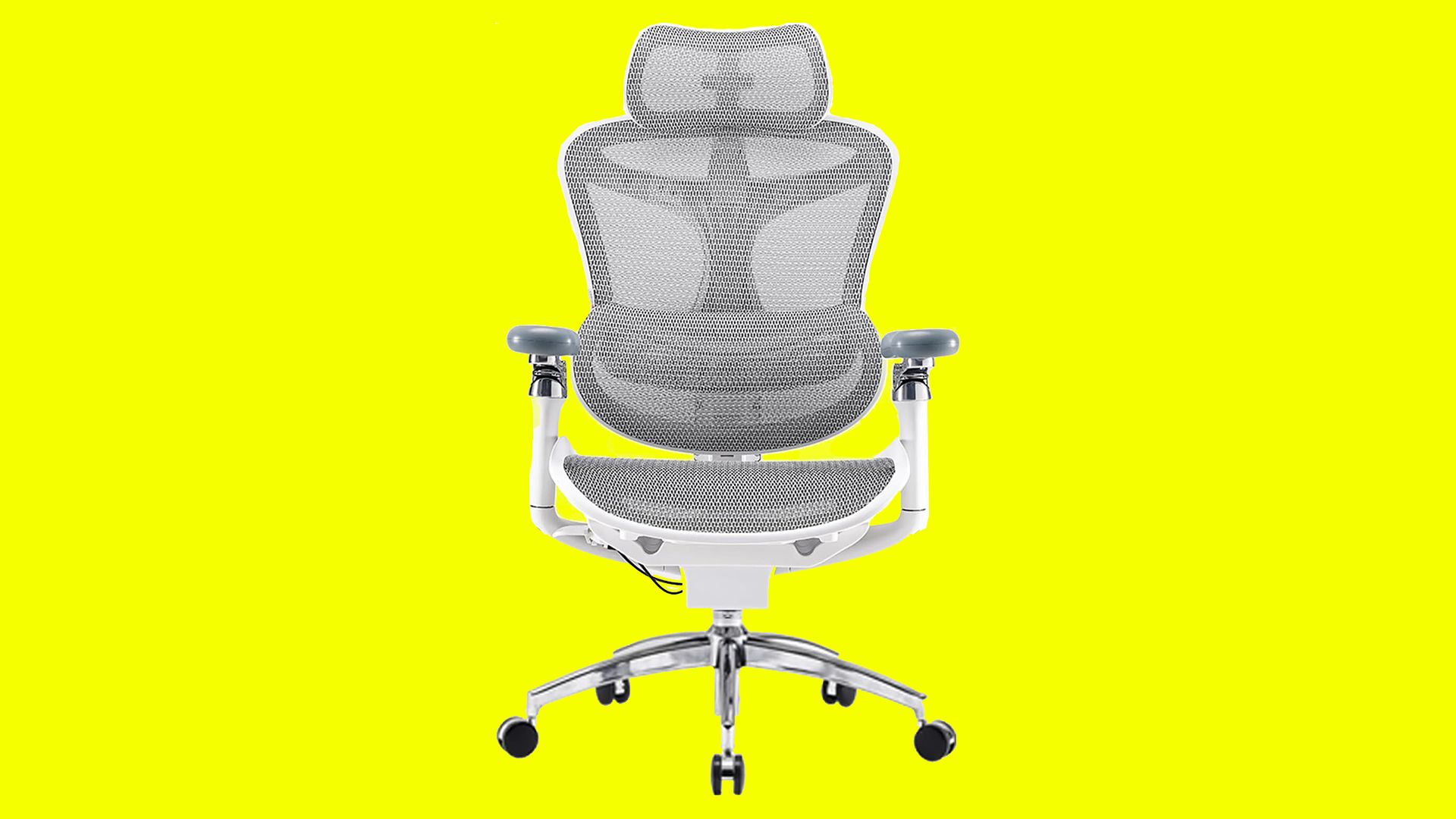
The current promotional landscape features significant discounts on two of Sihoo’s most widely reviewed seating solutions, catering to distinct consumer segments based on budget and feature requirements.
The Sihoo M18: The Benchmark for Budget Ergonomics
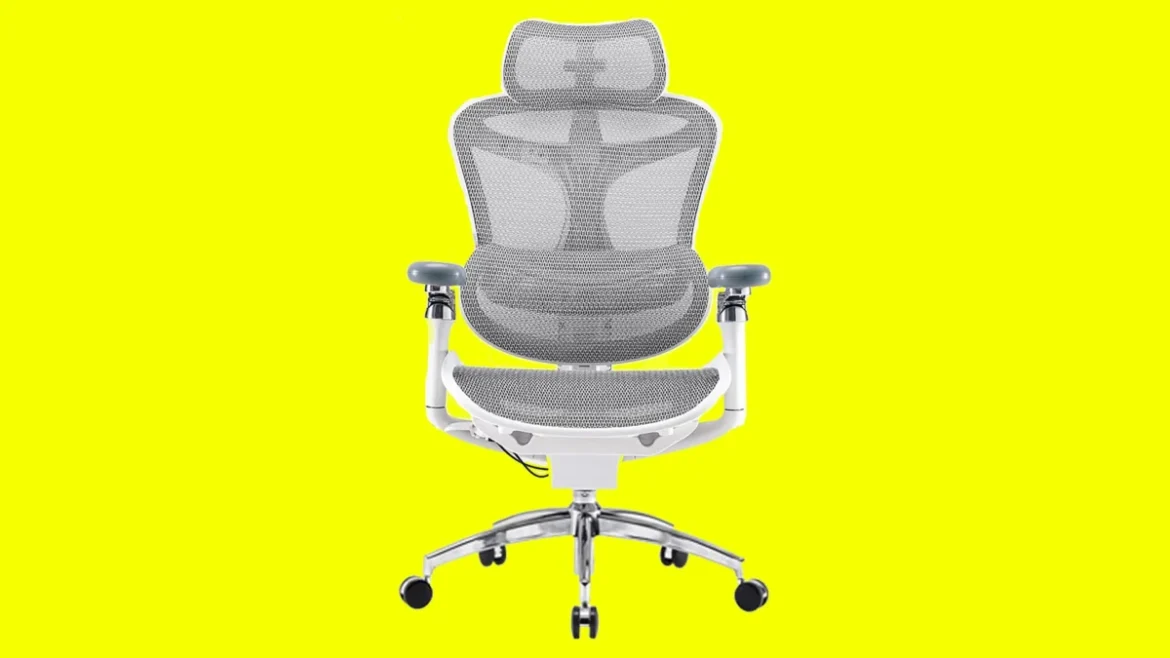
Long regarded by office furniture reviewers as a reliable entry point for proper posture support, the Sihoo M18 has cemented its reputation as a premier budget-conscious selection. Typically positioned as an accessible alternative for students and casual home office workers, the chair features adjustable lumbar support, a breathable mesh backrest, and a contoured seat cushion designed to alleviate pressure points. Following the latest round of Amazon promotions, the M18 has been discounted by over $30, bringing its retail price down to $132.53. Industry experts emphasize that finding certified ergonomic adjustments—such as adjustable seat height, tilt tension, and armrest positioning—at this price point remains exceptionally rare, making the model a staple in budget-focused buying guides.
The Sihoo Doro C300 Pro: Advanced Ergonomics for the Professional Workspace
For consumers seeking a more luxurious seating experience without entering the four-figure price bracket, the Doro C300 Pro represents the upper echelon of the brand’s catalog. Designed with an emphasis on dynamic support, the C300 Pro incorporates a wide seat platform, high-grade breathable mesh, and an intelligent self-adaptive lumbar support system that automatically adjusts to the user’s posture movements throughout the workday. Furthermore, the chair boasts advanced multi-directional armrests and a smooth synchronous tilt mechanism. Originally retailed at $459, the Doro C300 Pro has received a notable $80 price cut, currently listing at $379 on Amazon. This reduction positions the chair as a formidable competitor to traditional luxury seating options, offering advanced engineering at a fraction of the cost.
Implications for Consumers and the Workplace Furniture Industry
The ongoing deflationary pricing trend in the ergonomic furniture market carries significant implications for both consumers and manufacturers. For remote workers, independent creators, and corporate employees tasked with outfitting their home offices, these discounts lower the financial barrier to entry for health-conscious workspace design. Medical professionals and occupational therapists consistently stress that investing in a supportive chair is a crucial preventative measure against chronic spinal discomfort, particularly for individuals logging eight or more hours of seated work daily.
From an industry perspective, the aggressive discounting strategies employed by brands like Sihoo force traditional office furniture manufacturers to reconsider their pricing models. As direct-to-consumer brands continue to narrow the performance gap between budget and luxury seating, legacy brands are increasingly pressured to justify their premium price points through advanced materials, extended warranties, and sustainable manufacturing practices.
Furthermore, retail analysts project that competitive pricing will remain a dominant trend during upcoming shopping holidays, as e-commerce platforms vie for the attention of cost-conscious consumers. Buyers navigating this market are encouraged to evaluate their specific ergonomic needs—such as weight capacity, seat depth adjustability, and mesh durability—before purchasing, ensuring that promotional discounts align with long-term physical well-being rather than short-term savings.