
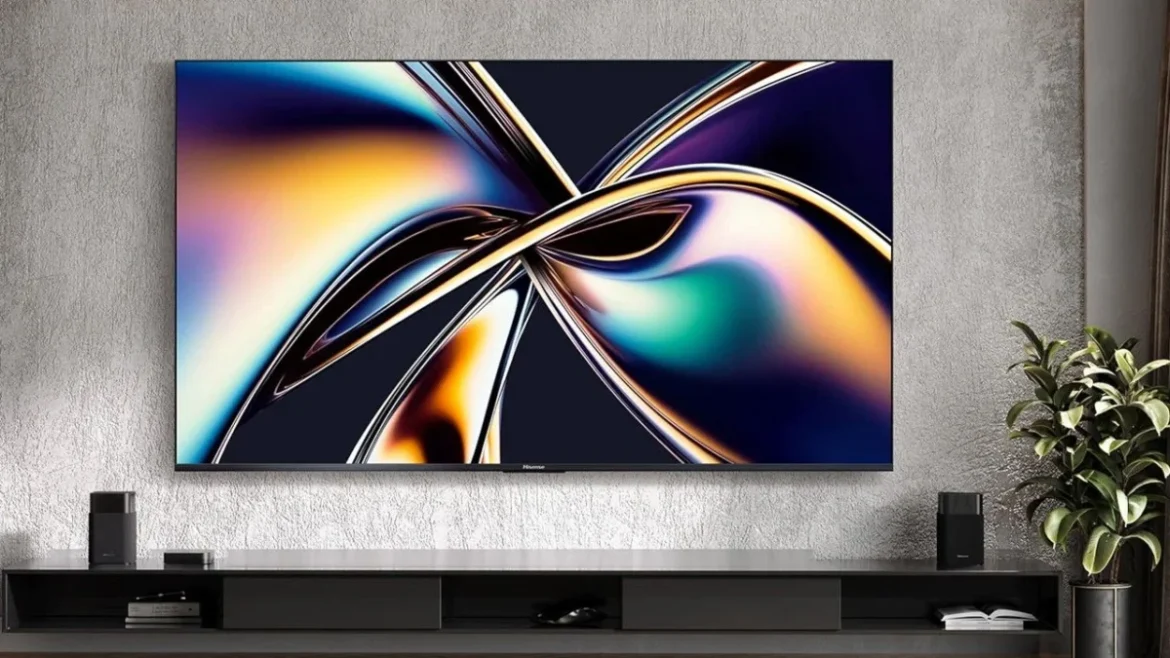
The consumer electronics market has experienced a significant wave of price reductions, with major online retailers, led by Amazon, implementing markdowns of up to 50% across a wide spectrum of television models. This sweeping promotional event encompasses everything from entry-level 4K displays designed for casual viewing to high-end OLED and Mini-LED screens targeted at cinephiles, gamers, and visual content creators. As the competitive retail landscape shifts toward major seasonal shopping windows, industry analysts note that these steep discounts reflect both aggressive inventory management and an effort to capture consumer spending earlier in the fourth-quarter buying cycle.
Background Context of the Retail Shift
The timing of these substantial price cuts aligns with historical retail trends that see consumer electronics manufacturers and distributors roll out major promotions ahead of the traditional year-end holiday shopping rush. Over the past several years, supply chain stabilizations and increased manufacturing efficiencies for advanced display panels—particularly OLED (Organic Light-Emitting Diode) and Mini-LED technologies—have allowed retailers more flexibility in pricing.
In previous years, premium display technologies remained largely out of reach for average consumers due to high production costs. However, continuous advancements in panel fabrication have driven down baseline expenses for manufacturers such as LG, Hisense, and Samsung. Retailers are now leveraging these lower wholesale costs to introduce aggressive promotional pricing, transforming what was once a luxury tier of home entertainment into a more accessible category for a broader demographic of buyers.
Furthermore, the modern home entertainment market has evolved beyond simple television viewing. With the proliferation of high-definition streaming services, next-generation gaming consoles like the PlayStation 5 and Xbox Series X, and the rising demand for home office and studio display integration, consumers are increasingly viewing televisions as multi-functional technology hubs. Consequently, retailers are using targeted discounts on specific performance tiers to capture distinct consumer segments.
Decoding the Display Technologies: OLED versus Mini-LED
For buyers navigating the current deluge of discounted inventory, understanding the technical differences between display technologies is critical to making a sound purchasing decision. The market currently pivots on two primary premium display architectures: OLED and Mini-LED.
OLED technology, championed by manufacturers like LG with models such as the C-series, operates on a self-emissive pixel structure. Each individual pixel generates its own light and can turn completely off. This capability results in absolute black levels, infinite contrast ratios, and exceptional color fidelity. For creative professionals, photographers, and video editors who require precise color grading and shadow detail, OLED remains the gold standard in controlled lighting environments. However, these panels typically cannot achieve the peak brightness levels of their LED-backlit counterparts, making them less ideal for sunlit living rooms.
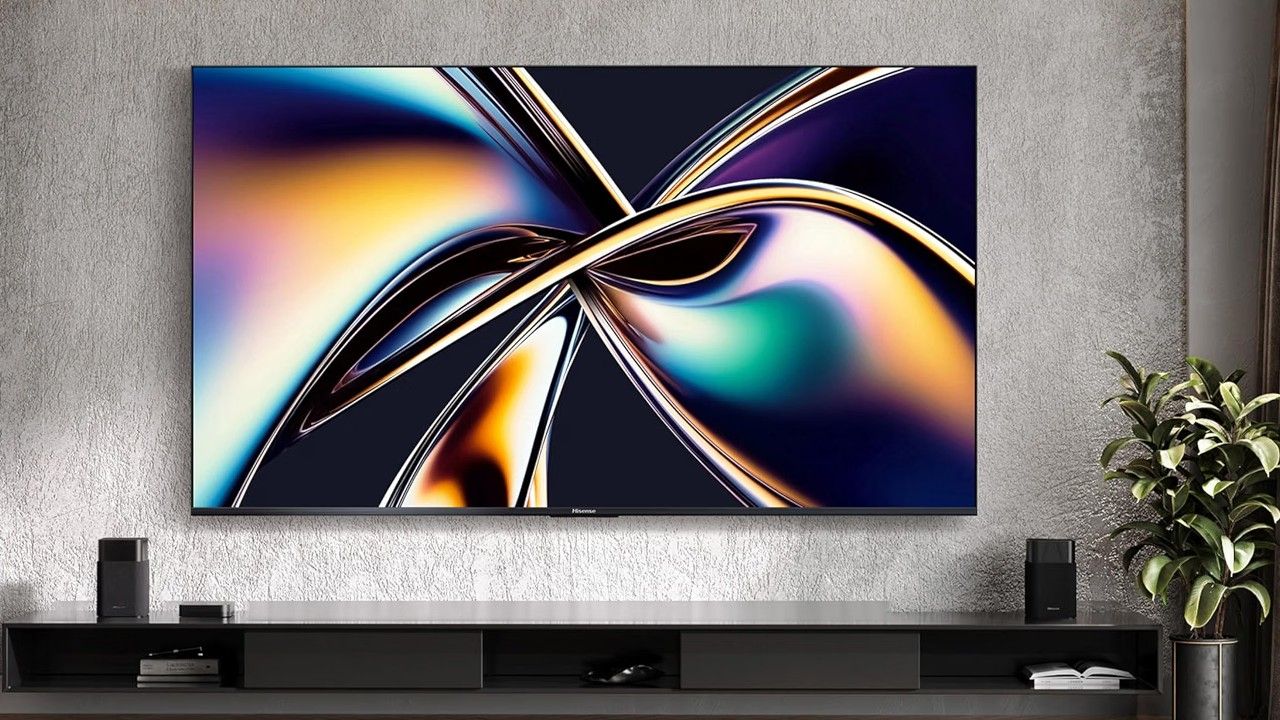
Conversely, Mini-LED technology, utilized extensively by brands like Hisense in their U-series lineups, relies on thousands of microscopic local dimming zones to direct backlighting behind an LCD panel. While Mini-LED cannot match the absolute pixel-level black uniformity of OLED, it compensates with vastly superior peak brightness. This makes Mini-LED displays exceptionally well-suited for bright, open-plan living spaces where ambient light would otherwise wash out a traditional screen. Additionally, Mini-LED sets often provide a more aggressive price-to-size ratio, allowing consumers to purchase larger screen diagonals—such as 65-inch or 75-inch models—for significantly less financial outlay than comparable OLED equivalents.
For entry-level consumers or those outfitting secondary spaces such as guest bedrooms, home offices, or studio spaces, budget 4K platforms—including Amazon’s own branded displays—offer functional performance, smart TV integration, and reliable basic connectivity without the premium cost associated with advanced panel architecture.
Strategic Considerations for Consumers and Professionals
Navigating the current wave of price cuts requires careful planning regarding physical space, usage habits, and technical specifications. Industry experts recommend that consumers measure their available spatial dimensions and calculate viewing distances before committing to a purchase. Interestingly, pricing increments between screen sizes within the same model lineup are frequently modest; for example, upgrading from a 55-inch display to a 65-inch variant during promotional events often incurs a price differential of only $150, offering a high value-to-cost ratio for those with adequate wall space or furniture capacity.
For the gaming demographic, specific hardware features are non-negotiable. Modern displays must support high refresh rates—typically 120Hz or higher—alongside Variable Refresh Rate (VRR) technology to eliminate screen tearing and input lag during fast-paced gameplay. Both advanced Mini-LED and OLED models featured in current sales promotions generally incorporate these gaming-centric specifications, bridging the gap between home theater entertainment and interactive digital media.
Creative professionals utilizing consumer-grade displays for media review face a distinct set of operational parameters. Industry specialists advise turning off default manufacturer enhancements such as motion smoothing, dynamic contrast, and artificial sharpness filters. Engaging dedicated calibrated presets, such as "Filmmaker Mode" or the most color-accurate stock profile available, ensures that digital artists, photographers, and videographers are reviewing their visual assets with minimal artificial color distortion.
Market Implications and Economic Outlook
The aggressive discounting observed across major retail platforms signals a broader trend of margin compression within the consumer electronics sector. As inflationary pressures and fluctuating consumer confidence influence discretionary spending, manufacturers and retailers are increasingly relying on volume-driven sales strategies to maintain revenue streams.
By lowering the barrier to entry for high-end display technologies, retailers are successfully accelerating the consumer adoption curve for 4K, OLED, and Mini-LED products. This accelerated transition not only clears legacy warehouse inventory to make room for upcoming product iterations but also establishes a new baseline consumer expectation regarding display performance and pricing.
As these promotional windows remain active, market analysts anticipate steady demand across both high-performance and budget categories. For consumers who have delayed upgrading aging hardware, the convergence of technological maturity and aggressive retail discounting presents a rare window of economic efficiency in the home entertainment market.
