The rapid expansion of the Web3 ecosystem has brought unprecedented opportunities for decentralized finance, digital ownership, and community-driven projects. However, this growth has been mirrored by an alarming rise in sophisticated cyberattacks, particularly phishing scams that target the unsuspecting users of decentralized applications (dApps) and NFT platforms. As blockchain technology removes traditional financial intermediaries, the responsibility of asset security shifts entirely to the individual user. Understanding the mechanics of these threats and implementing rigorous security protocols is no longer an optional precaution but a fundamental requirement for participating in the digital economy.

The landscape of Web3 security is currently dominated by "approval-based" phishing. Unlike traditional phishing, which often aims to steal private keys or seed phrases, modern Web3 scams manipulate the "token approval" mechanism inherent to blockchain interactions. By convincing users to sign malicious transactions, attackers gain permission to spend or transfer assets from the user’s wallet without ever needing access to the user’s private credentials. This shift in tactics has proven devastatingly effective, as many users remain unaware that granting an "approval" is, in effect, providing a digital power of attorney over their specific tokens.

The Mechanics of Token Approval Exploits
At the heart of the issue lies the EIP-20 (ERC-20) standard, which governs how tokens interact with smart contracts. When a user wishes to trade a token on a decentralized exchange or stake it in a liquidity pool, they must first "approve" a smart contract to access a specific amount of those tokens. This is a standard and necessary function.

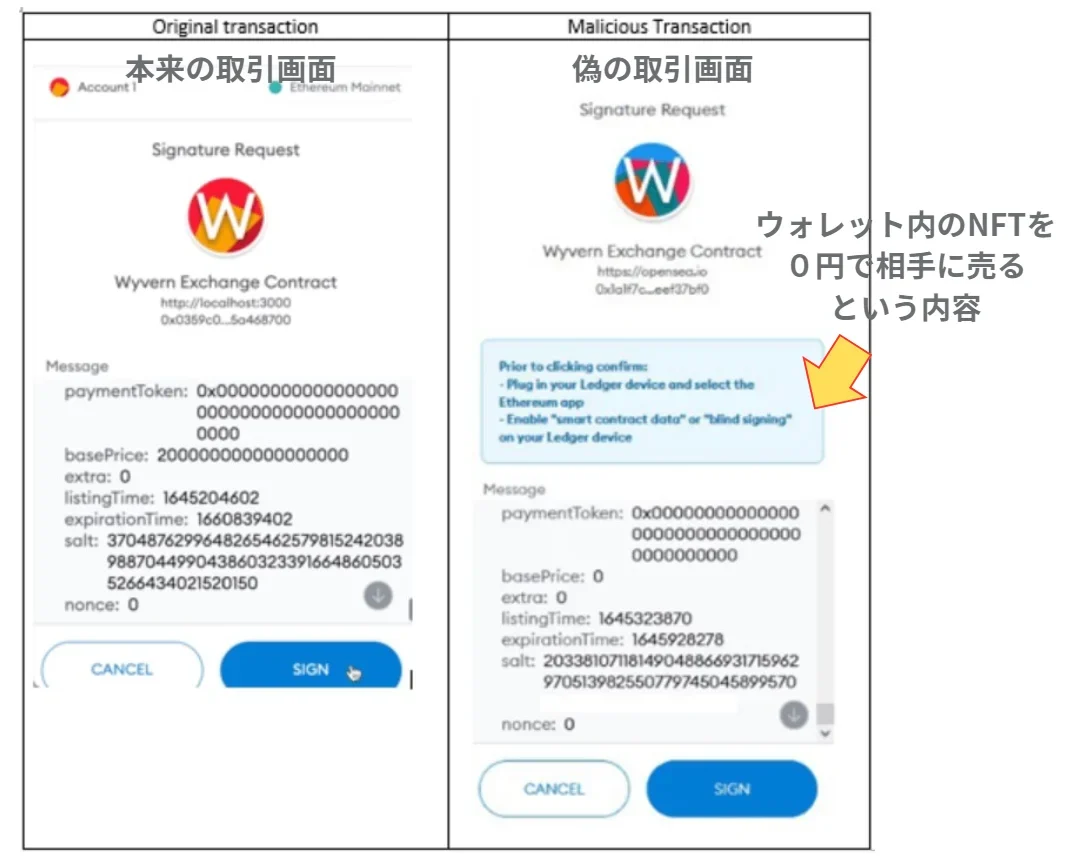
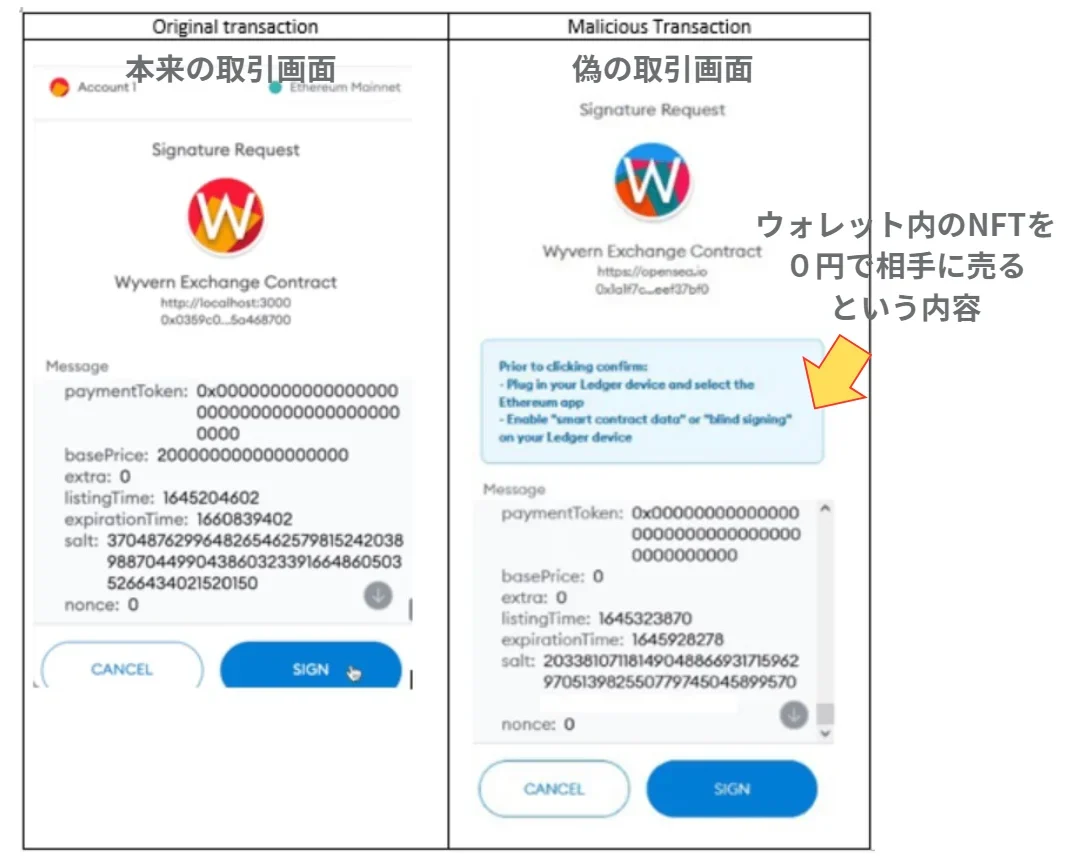
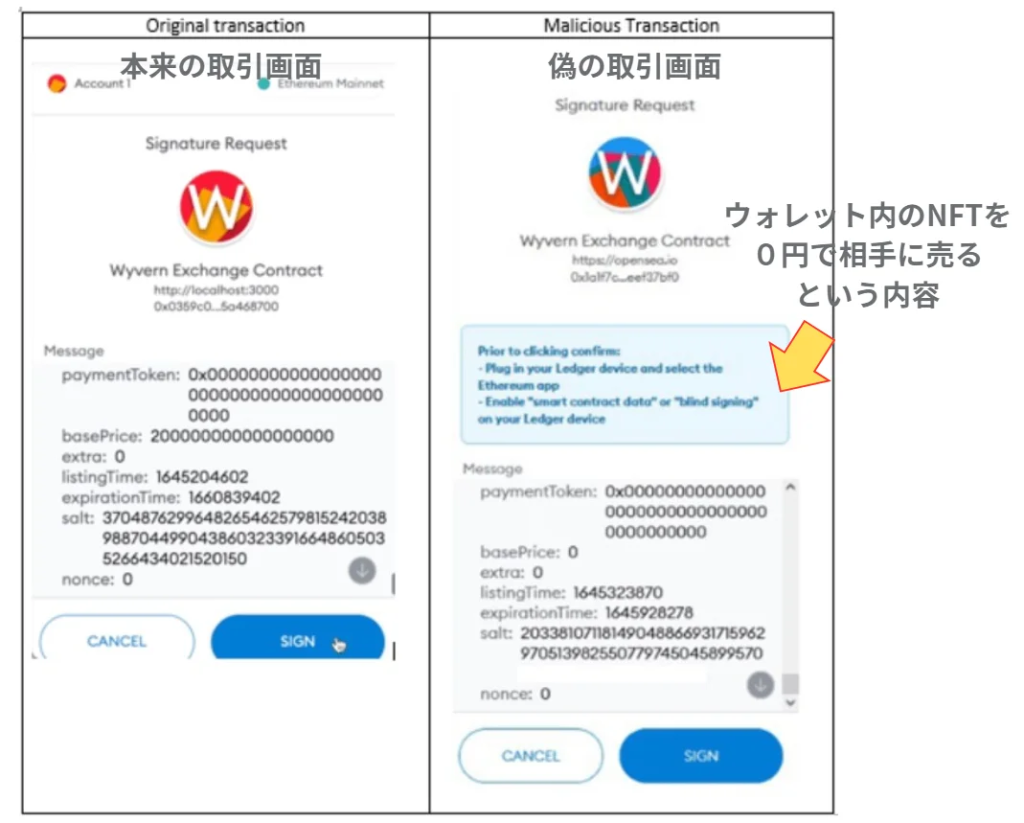
Phishing attackers exploit this by creating fraudulent dApps or mimicking legitimate interfaces—often through malicious advertisements or compromised social media accounts. When a user connects their wallet and attempts to interact with the fake platform, they are prompted to sign an "approval" transaction. Once signed, this transaction grants the attacker’s contract the authority to move the user’s tokens. In many cases, these malicious contracts are designed to request an "unlimited" spending limit, allowing the attacker to drain the entire balance of that specific token from the victim’s wallet immediately or at any point in the future.

Chronology of a Typical Attack
The lifecycle of a Web3 phishing attack typically follows a predictable, albeit accelerated, path. First, the attacker identifies a high-value target or a broad group of community members, often through data leaks or by monitoring high-volume Discord and Telegram channels.
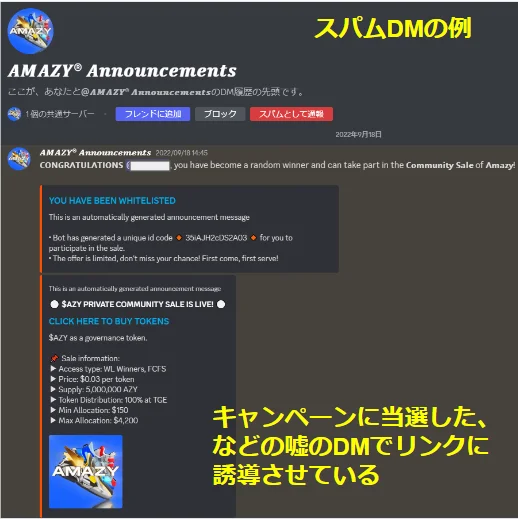
- Initial Outreach: The attacker initiates contact via direct messages (DMs) or posts links in community forums, often posing as official project support, a collaborator, or a platform administrator. They frequently cite "emergency" maintenance or a "special airdrop" to create a sense of urgency.
- The Lure: The victim is directed to a visually perfect replica of a legitimate website. These sites often feature functional interfaces, making them indistinguishable from the real thing.
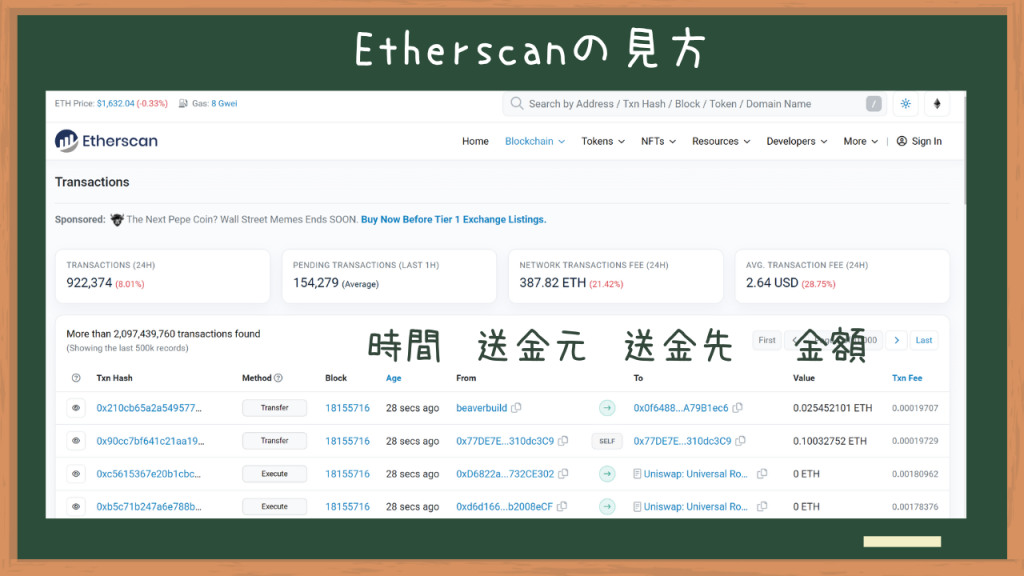
- The Trap: The user is prompted to connect their wallet. Upon clicking, the malicious contract triggers a request for token approval. If the user fails to inspect the transaction details on Etherscan or their hardware wallet interface, they unknowingly grant the attacker full control over their assets.
- The Drain: Once the approval is confirmed on the blockchain, the attacker executes a function that transfers the tokens from the victim’s address to their own. This is often automated and occurs within seconds.
The Critical Role of Etherscan and Transaction Inspection
One of the most effective ways to prevent such losses is by manually inspecting transactions on blockchain explorers like Etherscan (for Ethereum) or BscScan (for BNB Chain). Before signing any transaction, users should navigate to the "Contract" tab and verify the address interacting with their wallet.

Users should specifically look for the "Token Approval" section. If the transaction appears to be granting unlimited spending rights to an unknown or unverified contract, it is a significant red flag. Professional security analysts advise users to never sign transactions that they do not fully understand, especially those involving "setApprovalForAll" or "increaseAllowance" functions directed toward unknown addresses.
Defensive Strategies: Revoking Permissions
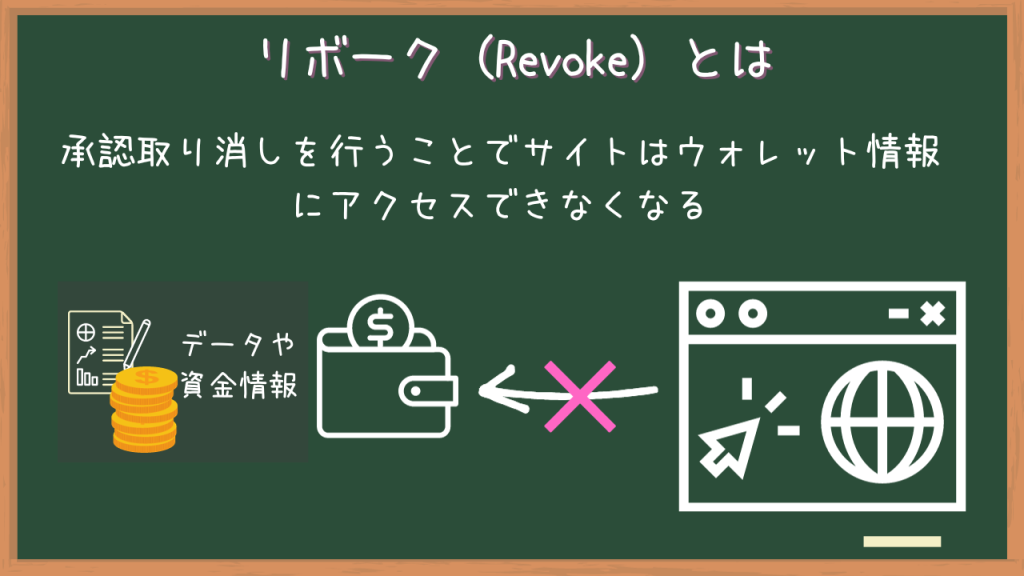
For users who suspect they may have interacted with a malicious site or who wish to conduct a "security hygiene" check on their wallets, the process of revoking permissions is essential. Revoking removes the approval previously granted to a contract, effectively closing the "backdoor" that an attacker might be using to access the user’s funds.
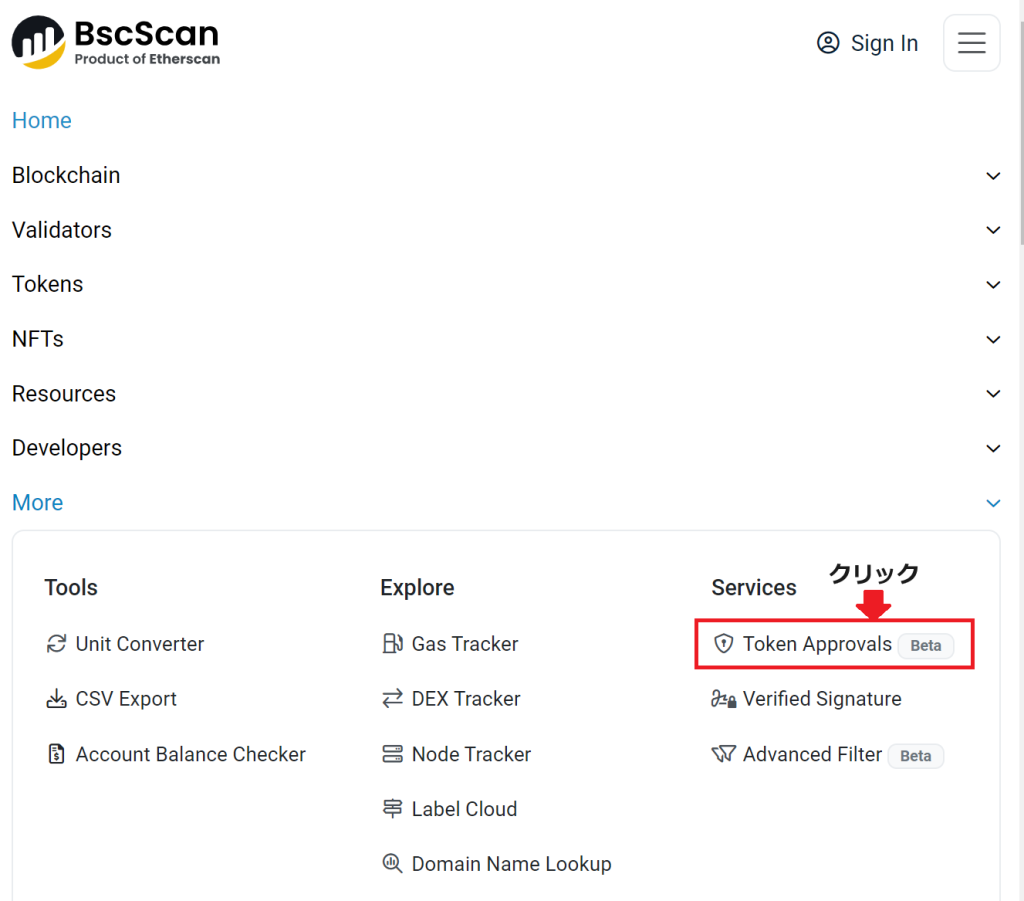
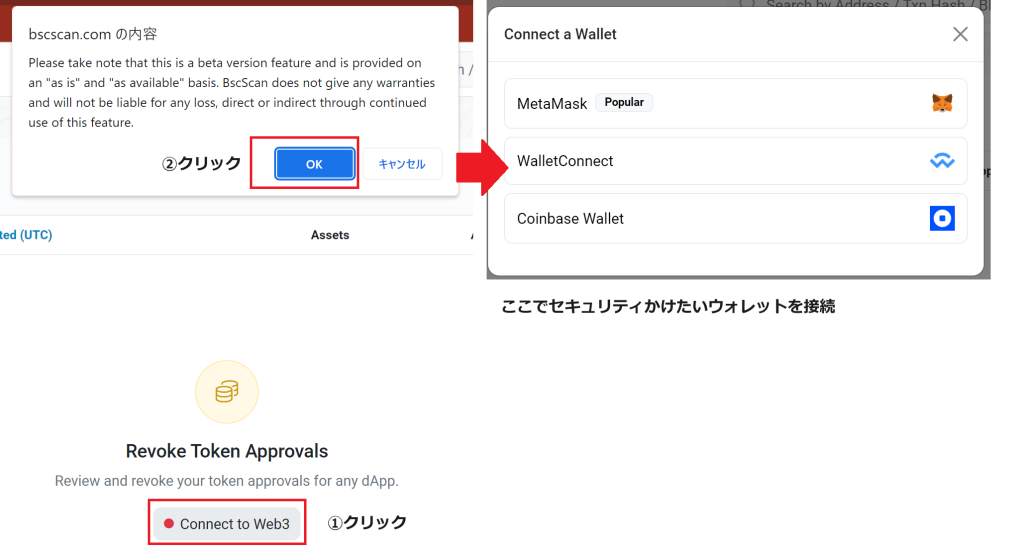
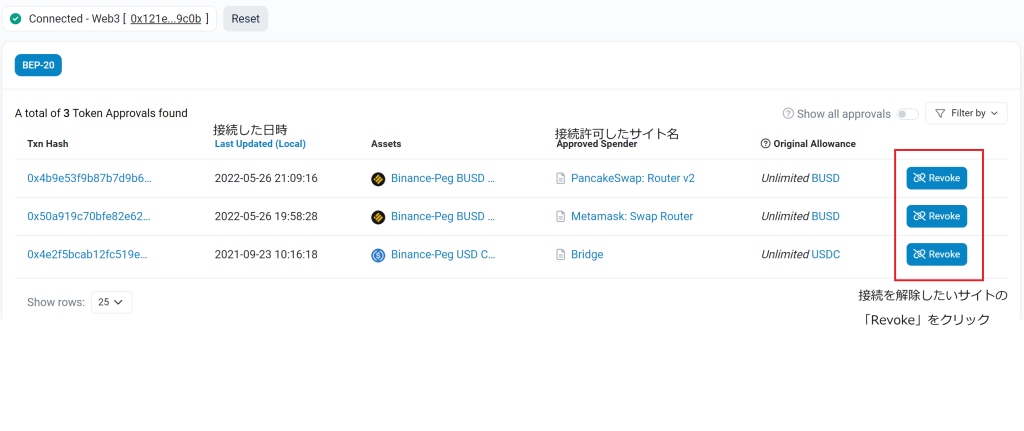
To perform a revocation, users should utilize reputable, third-party security tools such as Revoke.cash or the built-in token approval checkers provided by major block explorers. The process is straightforward:

- Connect your wallet to the reputable revocation platform.
- View the list of all active token approvals associated with your address.
- Identify any suspicious contracts or those you no longer use.
- Execute the "Revoke" transaction for each item.
It is important to note that revoking permissions requires a small amount of the network’s native token (e.g., ETH for Ethereum, BNB for BNB Chain) to pay for the gas fees, as this is an on-chain transaction.
Broader Implications for the Web3 Ecosystem
The prevalence of these attacks highlights a systemic weakness in the user experience of decentralized finance. While the blockchain itself remains secure, the "human-computer interface"—the way humans interact with smart contracts—is highly vulnerable. The lack of standardized, human-readable transaction summaries means that even seasoned developers can occasionally be misled by complex, obfuscated code.
Industry leaders are now calling for a shift toward "transaction simulation." This technology allows a wallet or interface to run a "dry run" of a transaction before it is actually broadcast to the blockchain. By simulating the transaction, the software can provide a clear, plain-language warning: "This transaction will move 5,000 USDT from your wallet to an unknown address." This layer of transparency could potentially eliminate the majority of phishing-related thefts by turning complex code into simple, actionable information.
Expert Recommendations for Asset Protection
Security experts emphasize a "defense-in-depth" strategy for all Web3 participants:
- Never respond to DMs: Official project support staff will almost never contact a user via direct message. Treat all unsolicited DMs from "support" as malicious.
- Bookmark Official Sites: Only use links provided by official, verified sources (such as an project’s official Twitter/X account or Discord server). Avoid clicking links in search engine ads, which are frequently used to host phishing sites.
- Use Hardware Wallets: While a hardware wallet cannot prevent you from signing a malicious transaction, it provides a crucial physical barrier. The screen on a hardware device will display the transaction details, forcing the user to review the contract address and function before signing.
- Maintain Hygiene: Use a "burner" wallet for experimental dApps or unverified projects. Keep the majority of your assets in a "cold" wallet that is never connected to any dApp.
As the industry matures, the responsibility to safeguard digital assets will remain with the individual. However, the development of better tooling, improved transaction transparency, and widespread education on the dangers of token approvals will be vital in ensuring that the Web3 revolution remains a safe and prosperous space for all users. The goal is to evolve from a "trustless" system to one that is truly "verifiable," where every user has the tools to understand the consequences of their actions on the blockchain.