
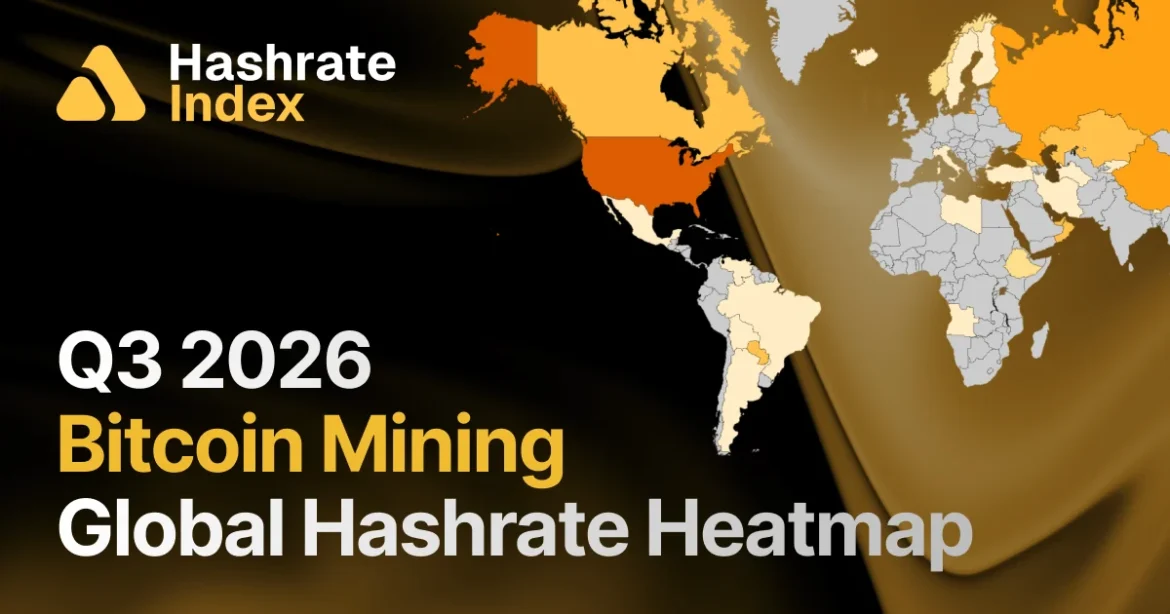
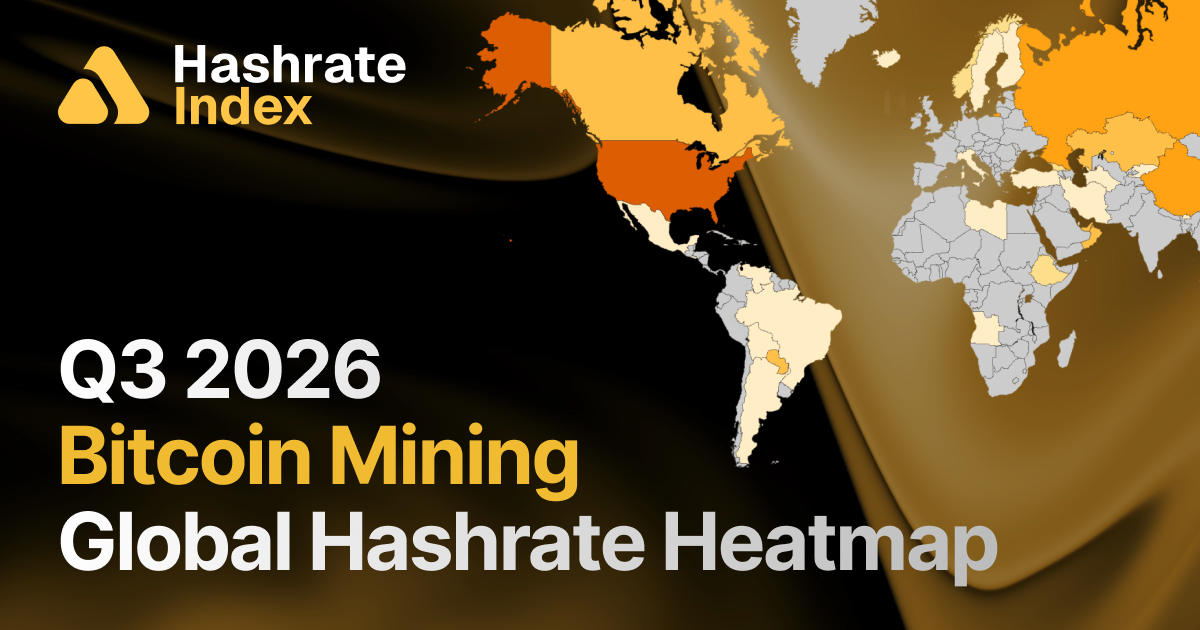
The global landscape of Bitcoin mining underwent a significant transformation in the third quarter of 2026, driven by a persistent economic down-cycle and a strategic rotation of capital toward Artificial Intelligence (AI) infrastructure. According to the latest data from the Hashrate Index Global Hashrate Heatmap, the network’s total compute power has seen its second consecutive quarterly contraction, falling to approximately 940 exahashes per second (EH/s). This represents a 6.3% decline from the second quarter and a nearly 12% drop from the network’s all-time high recorded in December 2025.
The current state of the mining industry is defined by a "survival of the fittest" environment where marginal operators are being forced offline by compressed margins. Simultaneously, the industry is witnessing a structural migration where the physical infrastructure once dedicated solely to SHA-256 hashing is being repurposed for high-performance computing (HPC) and AI workloads. This shift suggests that the Bitcoin network is not merely experiencing a cyclical lull but is undergoing a fundamental revaluation of its energy and hardware assets.
The Economic Down-Cycle and the Hashprice Crunch
The primary driver of the current contraction is the deteriorating economic profile of Bitcoin mining. Bitcoin’s market price, which reached a peak of approximately $126,000 in October 2025, faced a significant correction throughout the first half of 2026, stabilizing in the low-$60,000 range by the third quarter. This 50% price decline has had a direct and devastating impact on "hashprice"—the daily revenue a miner earns per unit of hashrate.
By mid-2026, hashprice fell to the low-$30s per petahash per day (PH/s/day). For many global operators, this level represents the breakeven point or a net loss, particularly for those utilizing older generation hardware like the Antminer S19 series or those operating in high-cost power jurisdictions. While the network’s difficulty has adjusted downward in response to exiting capacity, providing some relief to the remaining miners, the overall trend remains one of consolidation.
Ethan Vera, Chief Operating Officer of Luxor Technology, characterizes this period as more than a temporary market dip. "This is a structural shift, not just a cyclical low," Vera noted. "Miners everywhere are being revalued as energy and AI infrastructure. With mining margins compressed and AI economics currently offering far stronger returns, that is where the capital is heading."
The Great AI Rotation: From Hashing to High-Performance Computing
A defining feature of the Q3 2026 landscape is the pivot toward AI. Publicly traded mining companies, which once prioritized the accumulation of Bitcoin on their balance sheets (the "HODL" strategy), are increasingly selling their reserves to fund the massive capital expenditures required for GPU-based AI buildouts.
This transition is driven by the realization that mining sites possess three critical assets: land, high-voltage power interconnects, and cooling infrastructure. While Bitcoin mining is a highly volatile commodity business, AI data centers often command long-term contracts with higher revenue stability. However, the transition is not without its challenges. Bitcoin miners act as "flexible loads" for power grids, capable of powering down instantly during times of peak demand. AI infrastructure, which requires high uptime and consistent power, cannot yet offer the same level of grid flexibility, creating a complex dialogue between operators and utility providers.
Global Distribution: The Top Tier Holds Firm While the Mid-Market Shuffles
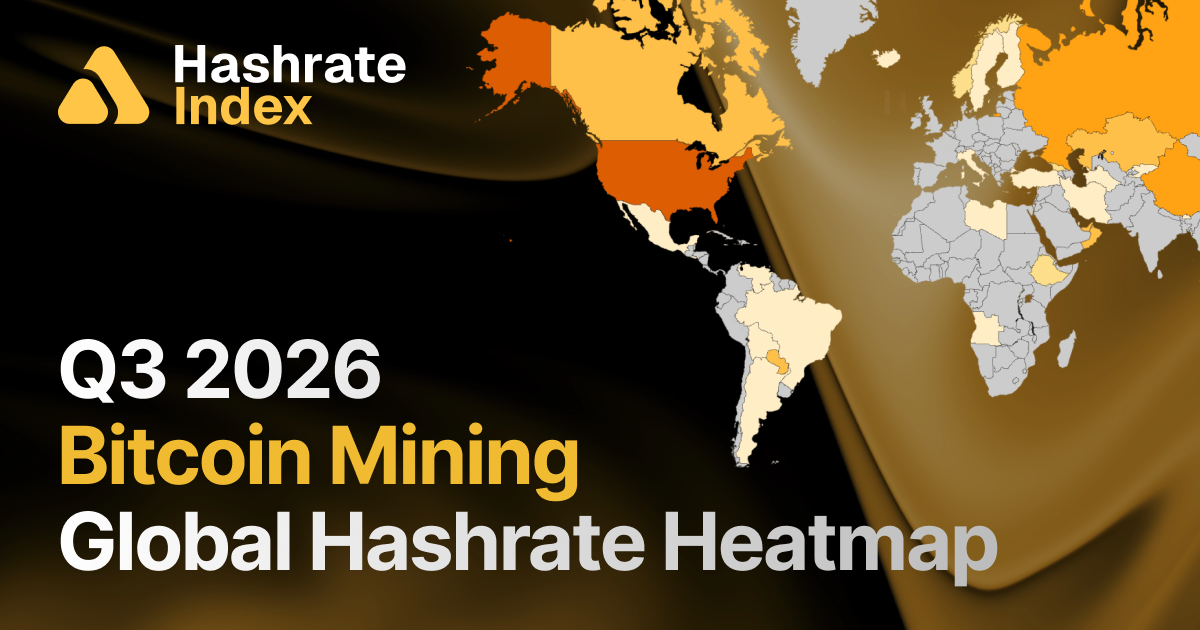
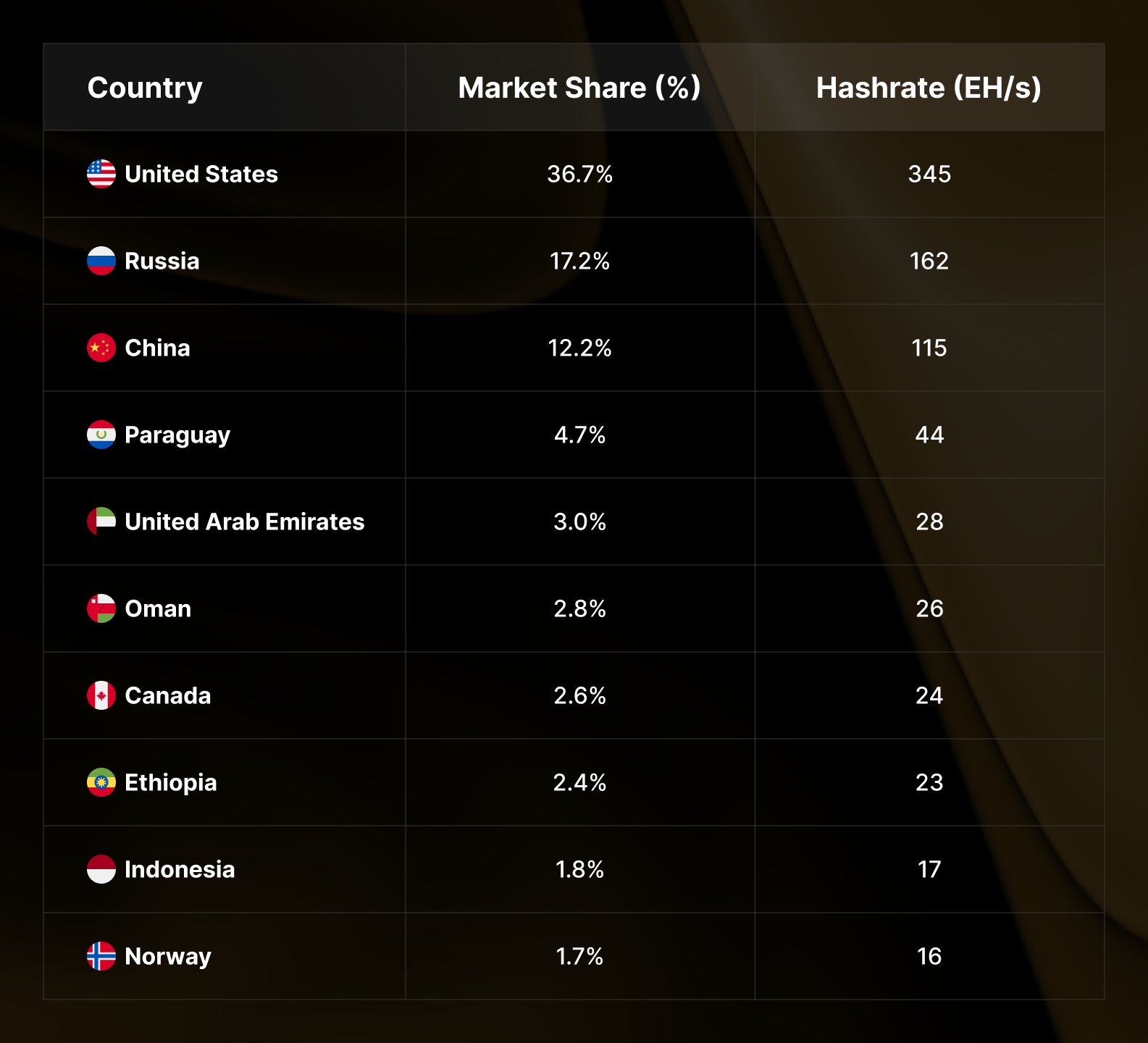
Despite the overall contraction in hashrate, the geographical concentration of Bitcoin mining remains high. The top three nations—the United States, Russia, and China—continue to control roughly 66% of the global hashrate, a figure that has remained relatively stable since the beginning of the year.
The United States: Dominance Under Pressure
The United States remains the undisputed leader in global hashrate, holding a 36.7% market share. However, the U.S. also recorded the largest absolute decline in hashrate this quarter, shedding 30 EH/s. This decline is attributed to a combination of margin-driven curtailment in states with high industrial power rates and the proactive conversion of mining facilities into AI data centers.
Russia and China: Resilient but Eroding
Russia maintained its second-place position with approximately 162 EH/s, though it continues to lose global market share as capital flows toward more politically stable or energy-abundant regions. China, meanwhile, saw its estimated hashrate slide to 115 EH/s, an 8% year-over-year decline. Despite the 2021 ban, underground mining persists in China, though intensified enforcement in regions like Xinjiang continues to bleed capacity from the network.
The Rise of the Hydropower Hubs
One of the few bright spots in the Q3 report is the continued strength of countries with abundant, low-cost hydropower. Paraguay has anchored itself as a global mining powerhouse, holding steady at 44 EH/s (the #4 position globally). Its reliance on the Itaipu Dam provides a stable, low-cost energy source that allows operators to remain profitable even at low hashprices. Ethiopia has similarly maintained its position at #8 with 23 EH/s, though its growth has slowed following a government freeze on new mining permits in mid-2025.
Geopolitical Shocks: The Collapse of Iranian Hashrate
The Q3 2026 data highlights how sensitive the Bitcoin network is to geopolitical instability. Iran, which once accounted for nearly 1% of the global hashrate, has effectively fallen off the map. Following the U.S. and Israeli strikes on Iranian military and energy infrastructure in February 2026, the country’s hashrate collapsed from 9 EH/s to a mere 2 EH/s—a 71% year-over-year decline.
The strikes caused significant grid instability, forcing the Iranian government to prioritize residential and essential industrial power over mining operations. For years, Iran utilized subsidized energy to convert electricity into Bitcoin as a means of circumventing international sanctions. With the energy grid under emergency management, that state-sponsored economic engine has largely stalled. While oil markets have stabilized following a mid-year ceasefire, industry analysts suggest that a recovery in Iranian hashrate will depend on long-term grid repairs rather than political rhetoric.
The Venezuelan Paradox: Growth Amidst a Total Ban
In a stark contrast to the Iranian situation, Venezuela recorded a surprising 20% quarter-over-quarter increase in hashrate, rising to 6 EH/s. This growth occurred despite a reaffirmed total ban on digital mining issued by the government on May 7, 2026, citing a nine-year peak in electricity demand.
The rise is explained by the internal dynamics of the Venezuelan state following the political shifts of early 2026. Experts suggest that the majority of the country’s current hashrate is state-operated. While the ban targets private individuals and underground operators who strain the residential grid, the state continues to expand its own operations by utilizing generation-side "stranded" energy—power that cannot be easily transmitted to population centers. This highlights a recurring theme in the Bitcoin network: hashrate is extremely difficult to eliminate entirely in regions where cheap, unusable power exists.
Regional Movers and the "Cooling Frontier"
The Q3 2026 update also identified several shifts in secondary markets:
- Kazakhstan: For the first time in years, Kazakhstan has fallen out of the top 10 rankings, landing at #11 with 15 EH/s. The country has faced years of regulatory tightening, including electricity rationing and mandatory coin sales. However, a recent pro-crypto decree offering tax exemptions could potentially trigger a recovery in 2027.
- Norway: Norway entered the top 10 almost by default. By holding its hashrate steady at 16 EH/s while others contracted, it gained relative market share. This underscores a key mechanic of the Bitcoin protocol: in a shrinking network, standing still is equivalent to moving forward.
- The Cooling Frontier: Previously high-growth regions like Pakistan and Kyrgyzstan have seen their expansion flatten or reverse. Analysts suggest the "frontier boom" was driven by temporary subsidies that are now being phased out, forcing operators to face true market costs.
Analysis of Implications: The Road to 2027
The contraction of the Bitcoin network in Q3 2026 serves as a reminder of the protocol’s inherent self-correcting nature. As unprofitable machines are unplugged, the network difficulty drops, eventually lowering the cost of production for those who remain. However, the current cycle is unique due to the "AI factor."
The potential for a permanent loss of hashrate to AI infrastructure is a new variable. If a significant portion of the global mining fleet is converted to HPC, the network may see a prolonged period of lower hashrate even if the Bitcoin price recovers. Kaan Farahani, Research Analyst at Luxor, suggests that the geography of mining will continue to concentrate in regions with a durable energy edge. "The regions that last are the ones with a sustainable advantage, not a one-off subsidy," Farahani stated.
As the industry moves toward the final quarter of 2026, the focus remains on hardware efficiency. Operators equipped with the latest generation of liquid-cooled or high-efficiency ASICs are the only ones currently positioned to weather the "hashprice winter." For the rest of the map, the strategy is one of curtailment and waiting for the next upward move in the Bitcoin market.
The Global Hashrate Heatmap continues to serve as a vital tool for understanding these shifts, providing a data-driven look at how the world’s most secure computer network responds to the pressures of economics, technology, and war. For now, the network is leaner, more efficient, and increasingly intertwined with the broader global race for computational power.
