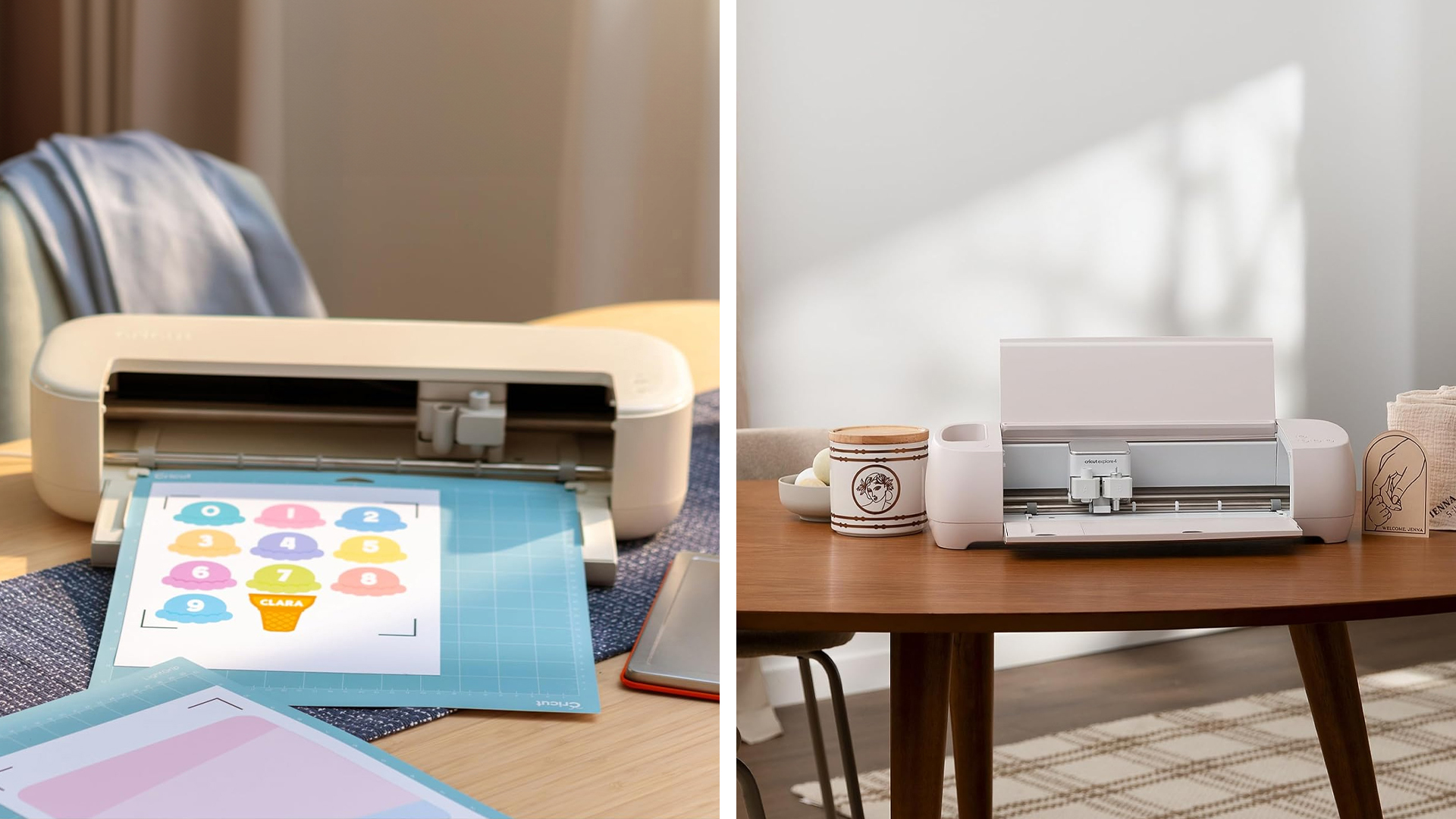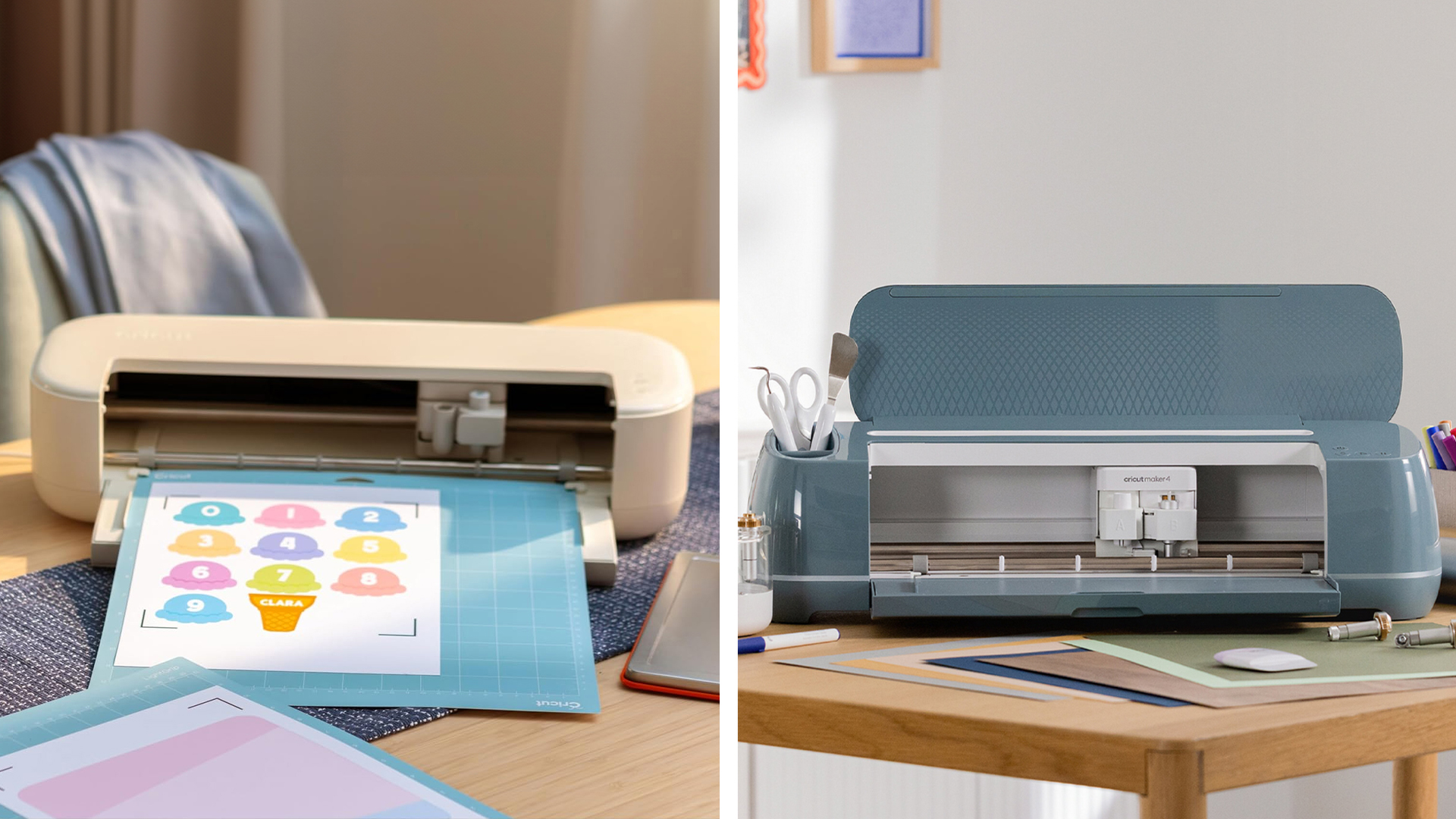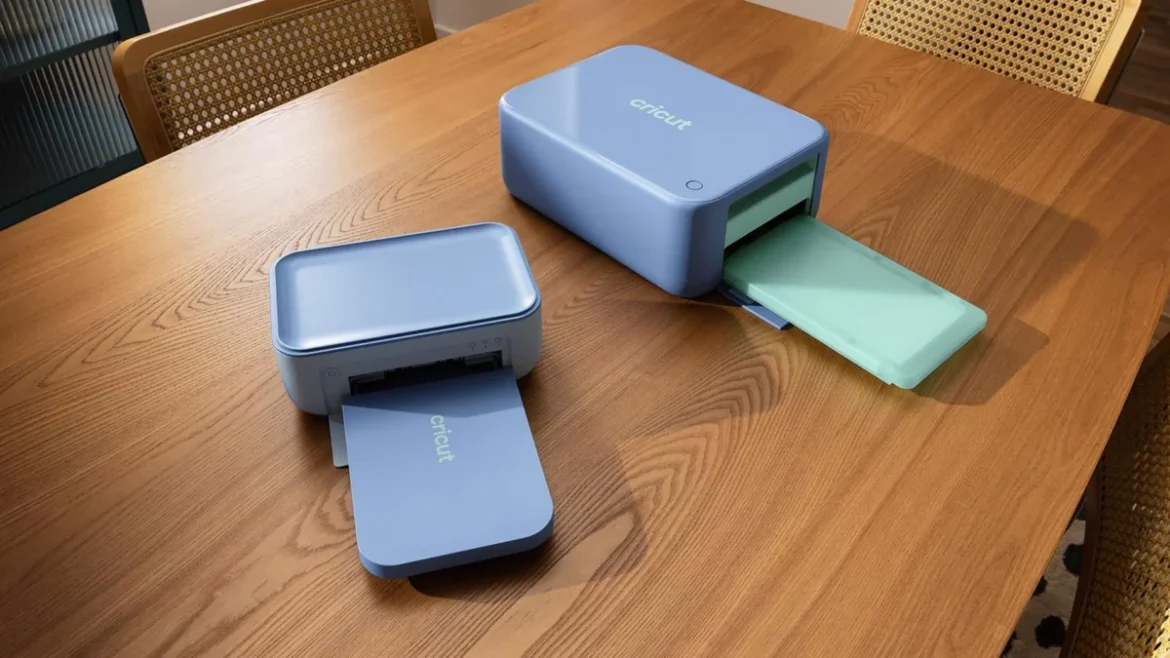
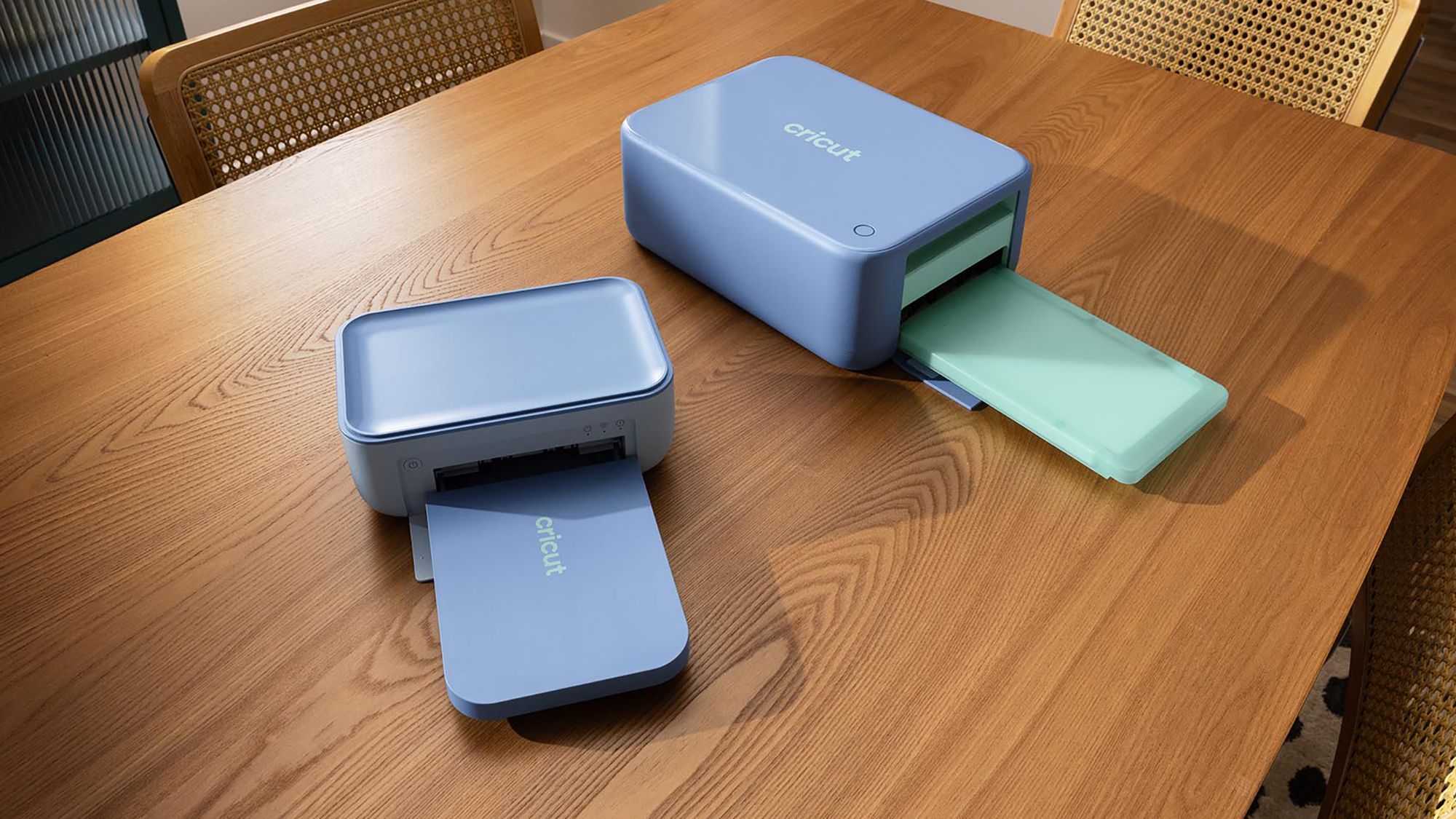
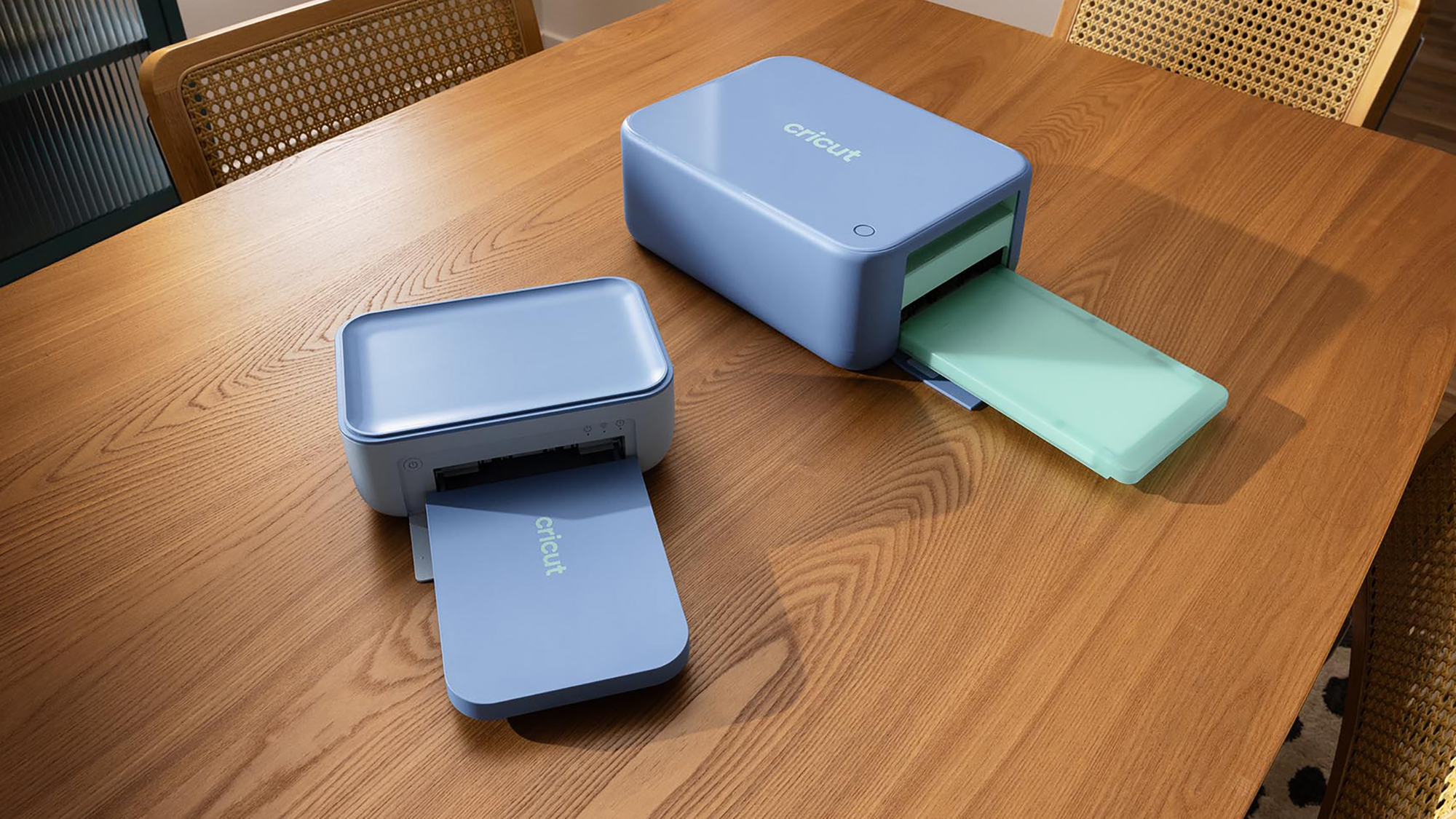
The crafting technology sector has seen a significant shift toward portable, high-efficiency personal manufacturing devices as crafting giant Cricut officially introduces its latest product line: the Cricut StickerPix Print and the Cricut StickerPix Print + Cut machines. Designed to serve as compact desktop print shops, these new hardware releases aim to streamline the creation of professional-grade, durable adhesive labels, custom stickers, and photographic prints for both home hobbyists and small business operators.
Available immediately through major retail channels and Cricut’s direct-to-consumer platform, the introduction of these devices marks a strategic expansion for the company. Historically known for computer-controlled cutting plotters that require external printers for full-color projects, Cricut is now entering the all-in-one printing and laminating category. This move directly addresses the surging consumer demand for integrated, space-saving crafting appliances that minimize workflow friction.
Main Facts and Product Architecture
The new product family is divided into two distinct models tailored to different user requirements and budgets. Both machines leverage ultra-vivid 300 DPI dye-sublimation technology, a thermal printing method that infuses ink directly into the print medium, resulting in finished products that are inherently water-resistant, scratch-resistant, and entirely dry upon completion.
The entry-level model, the Cricut StickerPix Print, is priced at £159.99 for the Essential Bundle. This unit is specifically engineered to operate with pre-cut sticker sheets, making it an efficient tool for uniform label generation, administrative organization, and batch production.
Conversely, the advanced Cricut StickerPix Print + Cut model is available at £249.99 for the Essential Bundle. In addition to the dye-sublimation printing engine, this unit incorporates an integrated precision cutting mechanism. This built-in cutter performs automated "kiss-cuts"—a technique that slices exclusively through the top vinyl or paper layer while leaving the protective paper backing intact—allowing users to produce intricate, custom-shaped stickers without manual intervention.
Both devices feature seamless wireless connectivity with the free Cricut Design Space application. This integration allows users to import photographs, digital illustrations, or typography directly from smartphones, tablets, or desktop computers, converting digital assets into physical stickers within minutes.
Chronology and Market Evolution
The development of the StickerPix series follows years of steady growth within the personalized merchandise and creator economy sectors. Over the past decade, platforms like Etsy, Redbubble, and local craft fairs have democratized the sale of independent art, with stickers acting as a low-barrier, high-margin entry product for independent illustrators and small enterprises.
Previously, creators seeking to produce durable vinyl stickers faced a fragmented workflow. They were required to invest in high-end inkjet printers, specialized printable vinyl sheets, separate UV-laminating sheets to prevent fading and moisture damage, and finally, a digital cutting machine like a Cricut Maker or Explore to cut the designs. This multi-step process often introduced alignment errors, wasted material, and significant equipment overhead.
Industry analysts note that Cricut’s entry into the all-in-one sticker machine market represents a convergence of consumer printing and crafting technology. By compressing the print, laminate, and cut pipeline into a single desktop appliance, the company has effectively targeted the operational bottlenecks that previously deterred casual creators and micro-entrepreneurs.
Technical Specifications and Supporting Data
Market research in the consumer crafting segment indicates a compound annual growth rate (CAGR) for home-based personalization tools of roughly 6.5% over the past five years. Consumers increasingly favor appliances that reduce technical learning curves while maintaining commercial-grade output quality.
The technical specifications of the StickerPix series address these demands directly:
- Resolution: 300 DPI (Dots Per Inch) thermal dye-sublimation output, ensuring sharp photographic detail and smooth color gradients.
- Durability: Built-in lamination layers protect against moisture, UV degradation, and physical abrasion, making the resulting items suitable for outdoor applications, drinkware, and food storage containers.
- Software Integration: Full compatibility with Cricut Design Space, utilizing cloud-based design libraries and automated print-and-cut calibration marks.
- Media Handling: The standard StickerPix Print handles standardized pre-cut layouts, whereas the Print + Cut version utilizes optical sensors to read registration marks and execute precise contour cuts on continuous sticker media.
Industry Implications and Commercial Impact
The release of the StickerPix line carries notable implications for several distinct market segments, ranging from micro-businesses to educational institutions and home organization enthusiasts.
For small business owners operating market stalls, e-commerce storefronts, or local retail operations, the StickerPix Print offers a streamlined solution for generating branded packaging seals, product labels, and QR-code price tags. Because dye-sublimation prints emerge from the machine completely dry and laminated, businesses can produce materials on demand without waiting for ink to cure or dealing with smudged toner.
For independent illustrators and digital artists, the StickerPix Print + Cut addresses a long-standing logistical challenge. Convention artists and freelance creators can now manufacture merchandise inventory locally in smaller, targeted batches rather than outsourcing large print runs to third-party manufacturers, thereby reducing upfront financial risk and inventory surplus.
Furthermore, the domestic organization market—popularized by home management influencers and interior design trends—presents a broad consumer base for uniform labeling of pantry containers, storage bins, and household inventory.
Future Outlook
As Cricut continues to roll out the StickerPix Print and StickerPix Print + Cut across global markets, industry observers will closely monitor consumer adoption rates and the potential introduction of proprietary consumables, such as specialized media cartridges and replacement laminate rolls.
By bridging the functional gap between traditional office label printers and industrial-scale vinyl cutters, Cricut has positioned its new hardware to capture a substantial share of the burgeoning personal fabrication market. Whether the devices successfully transition from niche crafting tools to mainstream household appliances will depend on long-term consumer feedback regarding consumable costs and operational reliability.