
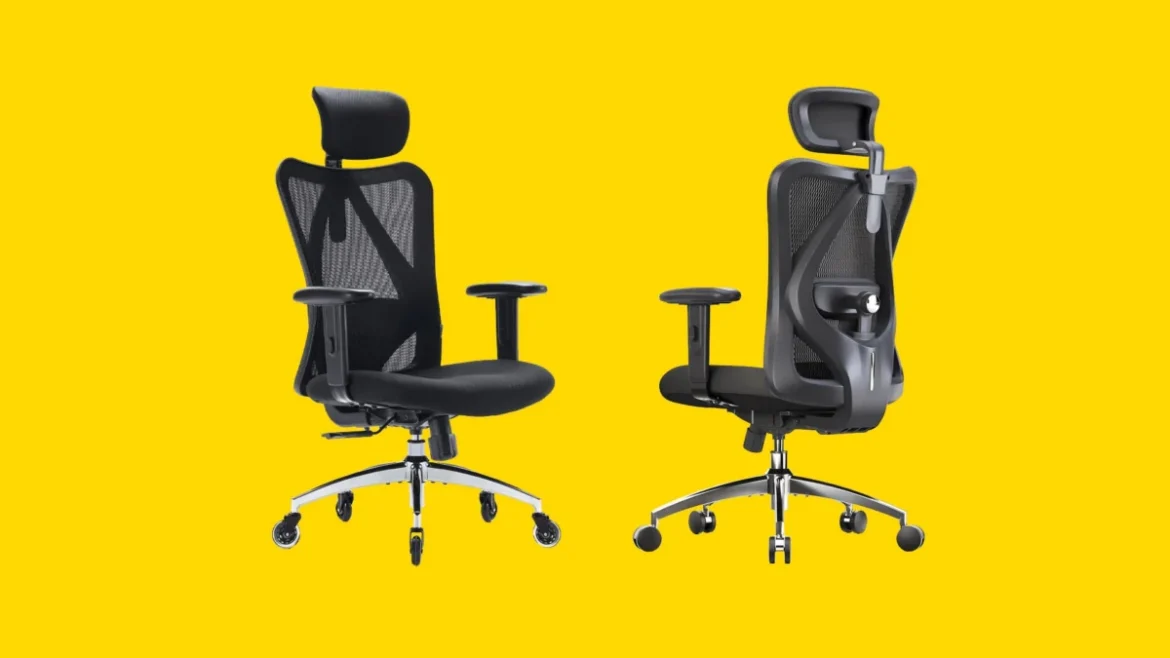
The modern workplace has undergone a radical transformation over the past five years, shifting from centralized corporate cubicles to decentralized home offices and hybrid workspaces. With this evolution, the sedentary nature of desk-bound professions has placed an unprecedented physical toll on millions of workers. Back pain, repetitive strain injuries, and musculoskeletal discomfort have emerged as primary occupational health challenges of the digital age. In response, the market for ergonomic office furniture has exploded, with consumers navigating a dense landscape of options that range from prohibitively expensive luxury models to cheaply manufactured, unsupportive alternatives. Among the myriad products evaluated by industry experts, the Sihoo M18 ergonomic office chair has consistently distinguished itself as a rare anomaly: a budget-friendly seating solution that achieves elite-tier performance without demanding a premium financial investment.
Main Facts and Current Market Developments
Recent retail trends on major e-commerce platforms have brought renewed attention to the Sihoo M18, highlighted by a significant price reduction on Amazon. US consumers can currently secure the popular ergonomic chair at a 26% discount, bringing the final cost down to $132.53. For a product that has earned a flawless 10-out-of-10 rating from expert testing panels, this discount elevates an already compelling value proposition into a tier of exceptional affordability.
Unlike many budget office chairs that compromise on build quality, structural integrity, or ergonomic customizability to hit low price points, the Sihoo M18 has maintained its reputation over a two-year evaluation cycle as a dependable remedy for back-related discomfort. It currently stands as the only budget-category seating option to receive a perfect score in specialized roundups targeting the best office chairs for back pain relief, outperforming several competitors priced at twice or triple its retail value.
Chronology and Evolution of the Sihoo M18
The journey of the Sihoo M18 from a relative unknown in the crowded direct-to-consumer furniture market to a recognized household name mirrors the broader acceleration of remote work infrastructure.
- Pre-2020 Era: Prior to the widespread adoption of remote work, budget office chairs were largely viewed by consumers as temporary or secondary seating options, often relegated to guest bedrooms or occasional-use home desks. Ergonomic innovation was heavily concentrated in commercial-grade brands catering to corporate procurement departments.
- 2020–2021: As global lockdowns forced millions of knowledge workers, designers, and writers to establish permanent home offices overnight, demand for affordable ergonomic solutions surged. Manufacturers like Sihoo capitalized on this shift by leveraging global supply chains to deliver feature-rich seating directly to residential consumers.
- 2022–2023: Review boards and technology publications began systematic, long-term testing of direct-to-consumer office furniture. It was during this period that the Sihoo M18 underwent rigorous stress-testing by product experts, culminating in its landmark 10/10 review for durability, lumbar support, and adjustable mechanics.
- Present Day: The chair has solidified its position as a benchmark for affordable ergonomics. The recent 26% discount reflects ongoing retail promotional cycles aimed at capturing price-conscious consumers who refuse to sacrifice spinal health for affordability.
Supporting Data and Technical Ergonomics
The enduring appeal of the Sihoo M18 is rooted in its engineering and technical specifications, which bridge the gap between high-end corporate seating and consumer-accessible pricing.
Ergonomic performance is fundamentally measured by adjustability, breathable materials, and targeted structural support. The M18 incorporates a high-density mesh backrest that promotes continuous airflow, mitigating heat retention during extended work sessions. This is paired with a W-shaped contoured seat cushion designed to distribute body weight evenly and alleviate pressure points on the thighs and hips.
Key adjustable features include:
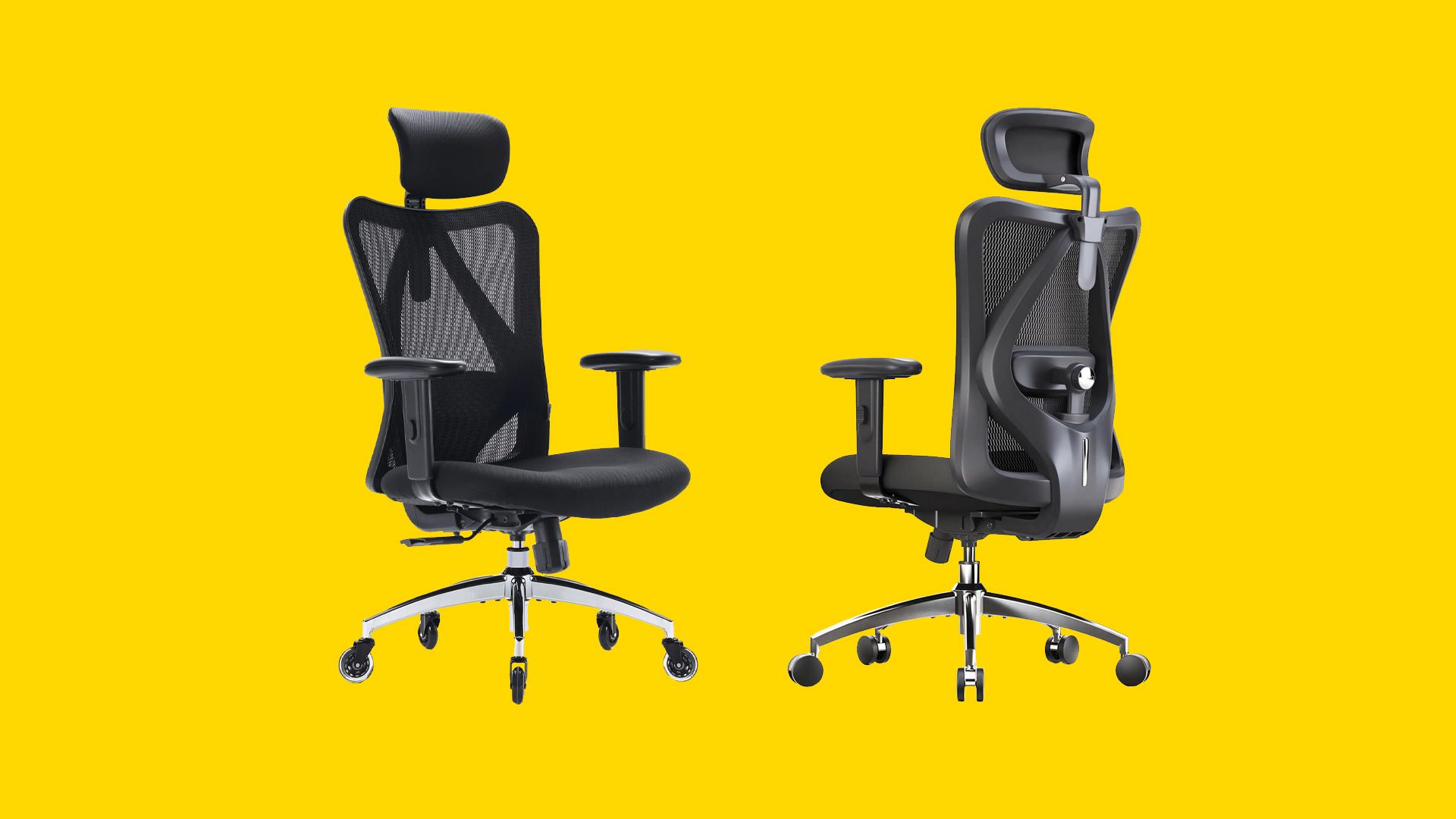
- Two-Way Adjustable Headrest: Rotates and elevates to support the cervical spine, accommodating users of varying heights.
- Dynamic Lumbar Support: Features an adjustable lumbar pillow that can be modified for both height and depth, ensuring targeted pressure relief for the lower back—a critical feature for individuals managing chronic lumbar pain.
- 3D Armrests: Provide multi-directional movement (up and down, forward and backward, and slight angular rotation) to maintain proper shoulder and elbow alignment during typing or drafting tasks.
- Recline and Tilt-Lock Mechanism: Allows users to tilt backward between 90 and 125 degrees, complete with a tension-control knob to match the resistance to the user’s body weight.
Independent load-testing data indicates that the heavy-duty nylon base and certified gas lift cylinder meet standard commercial safety benchmarks, supporting weights up to the manufacturer’s recommended thresholds while maintaining stability over years of daily articulation.
Expert Analysis and Industry Reception
Industry analysts note that the success of products like the Sihoo M18 reflects a fundamental shift in consumer behavior. Modern buyers are increasingly reliant on peer reviews, long-term expert testing, and transparent specification sheets rather than traditional brand prestige.
For decades, the ergonomic office chair market was dominated by legacy commercial brands whose flagship models routinely exceed $1,000 to $1,500. While these luxury chairs offer exceptional craftsmanship and advanced materials, they remain inaccessible to students, freelance creatives, and early-career professionals. The emergence of high-performing budget alternatives democratizes access to proper spinal alignment.
Experts emphasize that poor posture and unsupportive seating directly contribute to the rising incidence of musculoskeletal disorders among desk workers, leading to lost productivity and chronic healthcare costs. By providing robust lumbar adjustability and breathable construction at a fraction of the cost of legacy brands, chairs like the M18 mitigate these occupational risks for a broader demographic of workers.
Broader Impact and Market Implications
The sustained popularity and discounted availability of the Sihoo M18 underscore a competitive pressure point within the global furniture industry. Traditional furniture retailers are increasingly forced to reevaluate their pricing strategies and feature sets as direct-to-consumer brands prove that high ergonomic standards do not inherently require luxury pricing.
Furthermore, as hybrid work models solidify as a permanent fixture of the global economy, the demand for residential workspace optimization shows no signs of abating. Employers and employees alike are recognizing that investing in home office ergonomics is a critical component of overall workplace wellness and productivity.
For consumers currently navigating the crowded market for back-pain solutions, the combination of a proven 10/10 expert rating and current promotional pricing makes the Sihoo M18 a benchmark against which other budget options continue to be measured. As global supply chains and online retail platforms evolve, products that successfully balance medical-grade ergonomic principles with accessible consumer pricing will likely dictate the future of personal workspace design.
